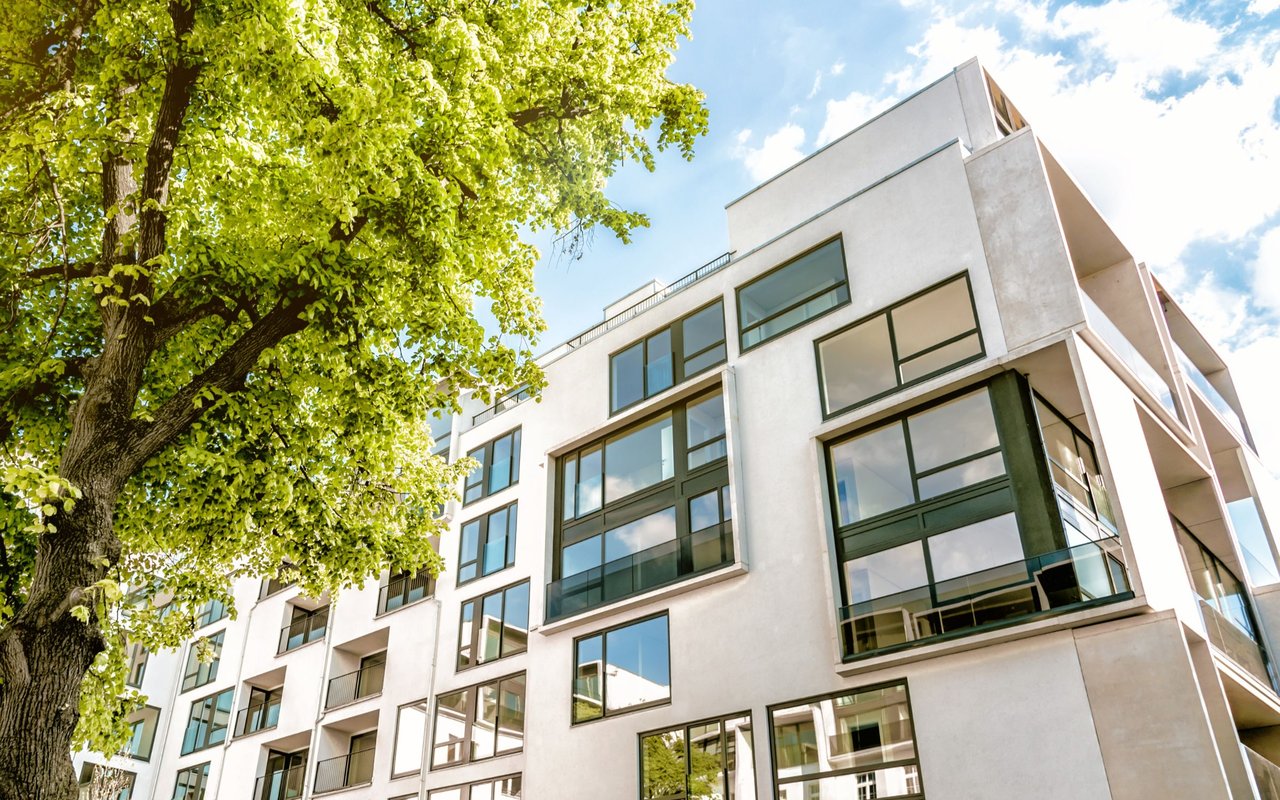

Should you buy a home in Lincoln Park or Lakeview, Chicago? It depends on your budget, the type of home you want and how you plan to spend your days. Lincoln Park puts you closer to downtown, the zoo and the park, with more townhomes and large single-family houses to choose from. Lakeview generally offers lower condo prices, more L stations and a wider mix of areas, from busy Wrigleyville to quiet West Lakeview.
Here's one difference worth knowing before you start looking. Based on 12 months of MLS closed sales, the median two-bedroom condo sold for $620,750 in Lincoln Park and $515,000 in Lakeview. That's about $106,000 less in Lakeview for a condo with the same number of bedrooms, although the buildings, sizes and locations can vary considerably.
But that price gap doesn't apply equally to every home. Three-bedroom houses sold for much closer prices, while the difference for larger houses was substantially greater.
I've lived in Chicago for 27 years and helped buyers and sellers here for more than 24. Lincoln Park and Lakeview are two neighborhoods buyers ask me about most, and many people consider both. They meet at Diversey Parkway and share lakefront access, the Red and Brown Lines and beautiful vintage architecture.
What you can buy for your money, and what life looks like on your particular block, can be quite different. Here's how I'd help you compare them.
Here are the homes for sale in both neighborhoods today, updated daily from the MLS. Click any home to see photos and details.
Looking for something specific? See only Lincoln Park condos for sale or Lincoln Park houses for sale.
Looking for something specific? See only Lakeview condos for sale or Lakeview houses for sale.
If you're moving to Chicago or looking for your next home within the city, I'd start with five differences. They affect your budget, your commute and what you'll experience once you move in.
Neither neighborhood is automatically the better choice. I'd want to know how much space you need, where you commute and what you'd like to have within walking distance before recommending where to focus your search.
Both neighborhoods are on Chicago's North Side along Lake Michigan, with Diversey Parkway separating them. That means you can live only a few blocks apart and technically be in different neighborhoods.
Lincoln Park runs from North Avenue north to Diversey Parkway, and from Lake Michigan west to the Chicago River. Lakeview runs from Diversey Parkway north to Irving Park Road, and from the lake west.
For this comparison, I used the MLS community areas for Lincoln Park and Lake View. That means the prices represent each entire neighborhood, not just one ZIP code. If you prefer that breakdown, I've also written about Lincoln Park's 60614 and Lakeview's 60657.
One thing I always explain to buyers who are new to Chicago is that a neighborhood name only tells you part of the story. The individual blocks matter, sometimes more than people expect.
Lakeview includes several areas with very different personalities. East Lakeview has high-rises along Lake Shore Drive. Northalsted has restaurants and nightlife along Halsted Street, while Wrigleyville surrounds the ballpark. The Southport Corridor has shops and restaurants along Southport Avenue, and West Lakeview has quieter residential streets. I explain the differences in the 5 parts of Lakeview buyers should know.
Lincoln Park has smaller areas too, including Park West near the zoo, the streets around DePaul, Ranch Triangle and the Old Town Triangle. A high-rise near the park and a single-family house near DePaul can have the same neighborhood name but a very different daily routine.
Before we start touring homes, I'd want to narrow down which parts of each neighborhood actually work for you.
Lincoln Park is generally closer to downtown, but Lakeview has more L stations spread throughout the neighborhood. Both have CTA Red and Brown Line service and convenient access to Lake Shore Drive. The better commute depends on where your home is and where you're going.
In Lincoln Park, the main L stops are Fullerton, served by the Red and Brown Lines, and Armitage on the Brown Line. The Purple Line Express also stops at both during weekday rush hours. North/Clybourn on the Red Line is just south of the neighborhood.
In Lakeview, you have Belmont on the Red and Brown Lines, plus the Purple Line Express during weekday rush hours. There's also Addison on the Red Line, and Diversey, Wellington, Southport and Paulina on the Brown Line.
Lincoln Park's location generally means a shorter ride to the Loop. Lakeview gives you more station locations to consider when choosing a home, especially if you're looking farther west.
I'd pay more attention to how far you'll walk to your station than simply counting the number of stops between neighborhoods.
If you commute on the Red Line, the eastern parts of both neighborhoods generally put you closer to it. In West Lakeview, the Brown Line at Southport or Paulina may be your closest option. On the western edge of Lincoln Park near the river, you could have a longer walk to the train.
Here's what I'd tell you if you plan to commute every day: Start with the station you'll actually use, then look at homes within a walking distance you're comfortable with in January, not just in June. A home that's a little farther from downtown may still work better if the train is closer to your front door.
The MLS numbers show that Lakeview generally costs less, but the difference changes significantly depending on whether you're buying a condo, townhome or single-family house. That's why I'd compare the type of home you're actually shopping for rather than relying on one neighborhood-wide median.
These figures come from MLS closed sales in both neighborhoods from November 3, 2025 through October 30, 2026. They are median sold prices, not asking prices or online estimates. Data is at the time of research, deemed reliable but not guaranteed.
Home Type (Median Sold Price) | Lincoln Park | Lakeview |
|---|---|---|
All condos and townhomes | $735,000 (1,031 sales) | $515,000 (1,508 sales) |
1-bedroom condo | $315,500 (178 sales) | $250,622 (340 sales) |
2-bedroom condo | $620,750 (358 sales) | $515,000 (647 sales) |
3-bedroom condo | $968,500 (326 sales) | $850,000 (373 sales) |
All single-family houses | $2,575,000 (162 sales) | About $1.9 million (124 sales) |
3-bedroom house | $1,565,000 (26 sales) | $1,475,000 (25 sales) |
4-bedroom house | $2,100,000 (45 sales) | $1,775,000 (33 sales) |
5-bedroom house | $2,675,000 (39 sales) | $1,945,000 (38 sales) |
Yes. Based on these MLS closed sales, Lakeview had lower median prices for condos and houses, but how much lower depends on what you're buying.
For two-bedroom condos, the median was $620,750 in Lincoln Park and $515,000 in Lakeview. For three-bedroom condos, it was $968,500 and $850,000. Those are differences of about $106,000 and $118,500, respectively.
For some buyers, that changes which neighborhood fits their budget. It might also make a three-bedroom condo worth considering when they originally planned to buy two bedrooms, although we'd still need to compare the actual homes.
The selection at different price points tells another part of the story. In Lakeview, 587 of the 1,508 condo and townhome sales, about 39%, closed under $400,000. In Lincoln Park, it was 205 of 1,031, about 20%. At $1 million or more, the pattern reversed: 29% of Lincoln Park sales were in that range, compared with about 10% in Lakeview.
So if your budget is under $400,000, Lakeview had a larger share of sales in your range. Above $1 million, Lincoln Park had a much larger share of its condo and townhome market at that price level.
And remember that neither neighborhood has one typical condo. The middle half of condo sales in Lincoln Park ranged from about $450,000 to $1.1 million, compared with about $310,000 to $770,000 in Lakeview. Building type, location, size and views all influence what you pay. If you're working with a specific budget, my post on what $600K buys in Lakeview
The biggest price gap in this comparison is for larger single-family houses. And the difference isn't nearly as large for three-bedroom houses as it is for homes with four or five bedrooms.
For three-bedroom houses, the median sold prices were only $90,000 apart: $1,565,000 in Lincoln Park and $1,475,000 in Lakeview. The number of sales was similar too, with 26 in Lincoln Park and 25 in Lakeview.
For four-bedroom houses, the difference grew to $325,000. At five bedrooms, it was $730,000, with a median of $2,675,000 in Lincoln Park compared with $1,945,000 in Lakeview.
The higher end of the market shows the difference even more clearly. In Lincoln Park, 57 of 162 houses, about 35%, sold for $3 million or more, compared with only 8 of 124 in Lakeview. Meanwhile, 68 of Lakeview's 124 house sales, about 55%, closed under $2 million, compared with 49 of 162 in Lincoln Park, about 30%.
Here's a typical conversation I have. A couple moving up from a condo has about $2 million to spend and needs four bedrooms. In Lincoln Park, that budget is right around the median for a four-bedroom house, so they'll be competing for the homes in that range. In Lakeview, the same budget reaches past the four-bedroom median. Neither choice is wrong, but it's a decision I like to help them make before they fall in love with a house.
If you love Lincoln Park but want more space for your budget, my post on neighborhoods like Lincoln Park that cost less compares Lakeview with four other options. For buyers considering the higher end of the market, I also have a Lincoln Park luxury homes guide.
Before deciding that one condo is a better deal, I'd want you to look at the entire monthly cost. A lower purchase price doesn't necessarily mean lower monthly expenses, especially when you're comparing different building types.
Based on tax amounts listed in the MLS for these sales, mostly 2024 tax bills, the median annual property tax was $10,091 for a Lincoln Park condo and $6,820 for a Lakeview condo. For single-family houses, it was $35,903 in Lincoln Park and $24,435 in Lakeview. Those figures describe the homes that sold, so you'll still need to check the actual taxes on any property you're considering.
HOA dues were slightly higher in Lakeview. The median was $401 a month for Lincoln Park condos and $468 for Lakeview condos. Building type helps explain the difference. High-rise condos had median HOA dues of about $880 to $890 a month in both neighborhoods, and Lakeview had 284 high-rise sales compared with 121 in Lincoln Park.
That's why I like to compare the purchase price, property taxes and assessments together. My guides to Chicago property taxes for buyers and Chicago condo HOA fees explain what else I'd want you to check.
You'll find vintage Chicago architecture, condos, townhomes and single-family houses in both neighborhoods. But the types of buildings, and where they're concentrated, can make a big difference when you're trying to find a particular layout or amount of space.
Near the park and zoo, you'll find high-rise condos with lake and park views alongside large vintage homes on tree-lined streets. Around DePaul and the Armitage and Halsted shopping area, you'll see greystones, brick two-flats converted to condos and rebuilt single-family homes. Farther west toward Clybourn and the river, there's more newer construction and larger condo buildings.
Lincoln Park also has more townhome sales. In the 12 months I reviewed, 168 townhomes sold at a median of $1,010,000, compared with 72 in Lakeview at a median of $855,000. If you want more space than a typical condo but aren't looking for a single-family house, that's a useful option to explore.
Some Lincoln Park blocks are within Chicago Landmark districts, including the Old Town Triangle and Mid-North District. If you're buying with plans to renovate or add on, I'd want you to check the applicable rules before making that decision.
East Lakeview, especially along Lake Shore Drive, has high-rise and mid-rise condos along with vintage courtyard buildings. Around Northalsted and Wrigleyville, you'll find condos in vintage walk-ups and newer mid-rise buildings, plus some houses on the side streets.
West of Ashland and around the Southport Corridor, the streets are more residential, with single-family houses, two-flats, newer construction and smaller condo buildings. This western side is where you'll find most of Lakeview's houses. My guides to the Southport Corridor and West Lakeview explain these areas in more detail.
High-rises can also offer a lower-priced entry point into Lakeview. The 284 high-rise condos that sold had a median price of $279,950, compared with $345,000 for the 121 high-rise sales in Lincoln Park. If you're considering one, my guide to buying a Chicago high-rise condo explains what I'd look at beyond the unit itself.
In either neighborhood, I wouldn't focus only on the kitchen, bathrooms and finishes. I'd also want to review the inspection findings, the condo association's finances and the building's maintenance history. My Chicago condo specialist page explains what I look for when helping buyers evaluate a condo.
Both neighborhoods offer restaurants, coffee shops, lakefront access and beautiful vintage streets. The difference is often what happens right outside your door. A quiet morning near Lincoln Park Zoo feels different from a game day near Wrigley Field, and that matters when you're choosing where to live.
Lincoln Park has one obvious advantage if you like spending time outdoors: the park itself. Lincoln Park Zoo is free to visit, and the park stretches along the lake with paths for walking, running and biking.
DePaul University's campus is here, along with boutiques, restaurants and coffee shops around Armitage and Halsted. Lincoln Avenue and Clark Street offer more shopping and dining, so much of your daily routine can happen within the neighborhood.
Many of Lincoln Park's tree-lined residential blocks are relatively quiet, particularly those with houses and townhomes. Areas near DePaul and the main commercial streets can feel busier. I've covered both sides in my post on the pros and cons of living in Lincoln Park.
Lakeview can feel like several different neighborhoods, depending on where you live. I'd want you to spend time in the specific area you're considering rather than judge the whole neighborhood from one visit.
Near Wrigley Field, the streets get busy on game days and during major events. Some buyers love being close to that activity, while others prefer to enjoy it occasionally and live a little farther away. My post on living near Wrigley Field covers what to expect.
Northalsted has restaurants, nightlife and events throughout the year along Halsted Street. The Southport Corridor has boutiques, restaurants and coffee shops near the Southport Brown Line station, giving it more of a neighborhood main street feel. East Lakeview puts you close to Belmont Harbor and the Lakefront Trail.
West Lakeview has quieter residential streets and many of the neighborhood's houses. For a closer look at the different areas, read my pros and cons of living in Lakeview.
Whichever neighborhood you're considering, I'd encourage you to visit the surrounding blocks at different times. A quiet weekday showing might not tell you what it's like on a busy weekend or during a major event.
Sometimes it's easier to understand the differences when you can actually see the streets.
I walked through both Lincoln Park and Lakeview on camera to show you what the blocks look like, how each neighborhood feels and where the lakefront fits into daily life.
I filmed this video in July 2026. The prices in this post are newer, based on MLS sales through October 2026.
Street parking can be difficult in both neighborhoods, particularly near busy commercial streets and around Wrigley Field on game days. If you have a car, I'd want to understand exactly what parking comes with the home before we compare prices.
Here's something buyers new to Chicago sometimes miss: in a Chicago listing, "no garage" usually means no parking at all. A parking pad in the back is listed as a parking space. With condos, check whether parking is deeded, assigned or street only, and whether it's included in the purchase price.
If you're looking at a house with an alley garage, think about winter access too. Chicago alleys can be narrow, and pulling a large SUV into a garage on a snowy or icy morning is worth considering before you buy.
Chicago Public Schools assign neighborhood schools by address, and attendance boundaries can change from one block to another. I'd recommend checking any home's exact address using the CPS School Locator on the Chicago Public Schools website before making an offer. My post on Chicago neighborhoods with the best-rated schools can help you begin your research.
I'd never choose a neighborhood for you based on its reputation alone. Both Lincoln Park and Lakeview offer plenty to consider, but the right choice depends on your budget, the home you want and the kind of daily routine that suits you.
Lincoln Park may be worth focusing on if you:
The trade-off is that purchase prices and property taxes were generally higher in the MLS sales I reviewed. You'll also have fewer choices under $400,000, so I'd look carefully at what your budget can buy before ruling out Lakeview.
Lakeview may be worth focusing on if you:
The important thing is choosing the right part of Lakeview. Living near Wrigley Field and living on a quiet street in West Lakeview can mean two very different daily experiences, even though both homes are in the same neighborhood.
I'd keep both in your search until you've compared some actual homes. That gives you more choices and helps you see which trade-offs matter most to you.
If you're looking at three-bedroom houses, the median prices are close enough that I'd pay particular attention to the individual property, its condition, the block and your commute. If you're comparing condos or larger houses, Lakeview generally had lower median prices, while Lincoln Park had a larger share of high-priced sales.
I'd also show you homes on both sides of Diversey Parkway. You'll be close to restaurants, the Brown Line and the lakefront, and you may find different home options or prices just a few blocks apart.
If you're still exploring other parts of the city, my guide to the best Chicago neighborhoods for 2026 can help you compare more options.
Yes, based on 12 months of MLS closed sales through October 2026. The median two-bedroom condo sold for $515,000 in Lakeview and $620,750 in Lincoln Park, while three-bedroom condos sold for $850,000 and $968,500. For three-bedroom houses, the difference was only $90,000, but it grew to $730,000 for five-bedroom houses. The individual home and building still matter when comparing prices.
Yes. Diversey Parkway is the dividing line between the two neighborhoods. Lincoln Park runs from North Avenue to Diversey Parkway, and Lakeview continues north to Irving Park Road. Both are on Chicago's North Side along Lake Michigan.
Lincoln Park is closer to downtown. It starts at North Avenue, about two miles north of the Loop, while Lakeview starts farther north at Diversey Parkway. Both neighborhoods have Red and Brown Line service and convenient access to Lake Shore Drive. Your exact commute will depend on where you live and work.
Lincoln Park has Fullerton on the Red and Brown Lines and Armitage on the Brown Line, with the Purple Line Express stopping at both during weekday rush hours. Lakeview has Belmont on the Red and Brown Lines, Addison on the Red Line, and Diversey, Wellington, Southport and Paulina on the Brown Line. The Purple Line Express also serves Belmont during weekday rush hours.
Both neighborhoods have single-family houses. In the 12 months reviewed, 162 houses sold in Lincoln Park at a median of $2,575,000, and 124 sold in Lakeview at a median of about $1.9 million. About 55% of Lakeview house sales closed under $2 million, compared with about 30% in Lincoln Park. In Lakeview, most houses are on the western side, particularly around the Southport Corridor and West Lakeview.
The homes sold in Lincoln Park had higher median property taxes based on MLS-listed tax amounts, mostly from 2024 bills. The median was $10,091 annually for a Lincoln Park condo and $6,820 for a Lakeview condo. For houses, it was $35,903 in Lincoln Park and $24,435 in Lakeview. I'd always check the actual tax bill for the individual property before you buy.
You can learn a lot about Lincoln Park and Lakeview online, but choosing between them usually becomes easier once you start comparing actual homes and streets. Two properties with similar prices and layouts may offer very different daily routines.
One might be a short walk to the train and the lake, while another comes with game-day noise or a longer winter walk than you'd like. Some homes also become available through private listing channels before appearing on public websites, so those are worth watching too. You can explore options on my private listings page.
If you're considering Lincoln Park, Lakeview or both, send me the listings you're looking at. I'll share what I know about the street, the building and the location, and help you compare how each home fits your plans. You can also explore current listings through my Lakeview home search or my Lincoln Park neighborhood page.
If you're relocating, my free Chicago relocation guide is a good starting point. If you're buying your first home, my free Chicago Buyer's Course walks through the process step by step. You can also learn more about how I work with people moving here on my Chicago relocation real estate agent page.
If you'd rather talk through the options together, schedule a time with me or call or text me at 773.719.0989.
I've lived in Chicago for 27 years, sold real estate here for more than 24, and closed more than 300 transactions worth over $100 million. I have 68 Google reviews with a 5.0 rating and more than 190 reviews across platforms. You can read what my clients say on my testimonials page.
Prices reflect MLS closed sales at the time of research and change over time. Data deemed reliable but not guaranteed.
Dee Savic is a Chicago Realtor® with Baird & Warner. She has more than 24 years of real estate experience, has lived in Chicago for more than 27 years, and has closed more than 300 transactions with over $100 million in career sales. She helps buyers, sellers, downsizers and relocation clients across Chicago, including Lincoln Park, Lakeview, Lincoln Square, Ravenswood, North Center, Roscoe Village, Bucktown, Wicker Park, Logan Square, Andersonville, Uptown and the Gold Coast.
Dee Savic
Realtor® | Baird & Warner
4553 N. Lincoln Ave, Chicago, IL 60625
773.719.0989
[email protected]
deesavic.com
Selling
What did 813 Lincoln Park condos sell for, and what changes the price?
Buyer Guides
What do studios and 1, 2 and 3 bedroom condos really sell for?
Buyer Guides
What do homes really cost, and how does daily life compare?
Buyer Guides
Size, the Blue Line, daily life and six months of MLS prices for condos and houses
Buyer Guides
The boulevards, the Blue Line, the homes, and what condos and houses really sell for
Sellers
The nine things inspectors check in a vintage Chicago home, and what to do before you list

Local Events
Times, gates, closures, transit and how to do both in one night
Seller Advice
12 months of MLS condo and house sales, and what they mean for sellers
Seller's Advice
How much Chicago homeowners have gained, and what it can mean for your next move
I'm Dee Savic, your trusted Chicago real estate expert, and I'm here to guide you through your relocation journey. Discover why Chicago is the perfect city for you; from its diverse neighborhoods to its cultural vibrancy, Chicago offers an unmatched urban experience. Together, we'll find a community and home that fits your lifestyle and aspirations.