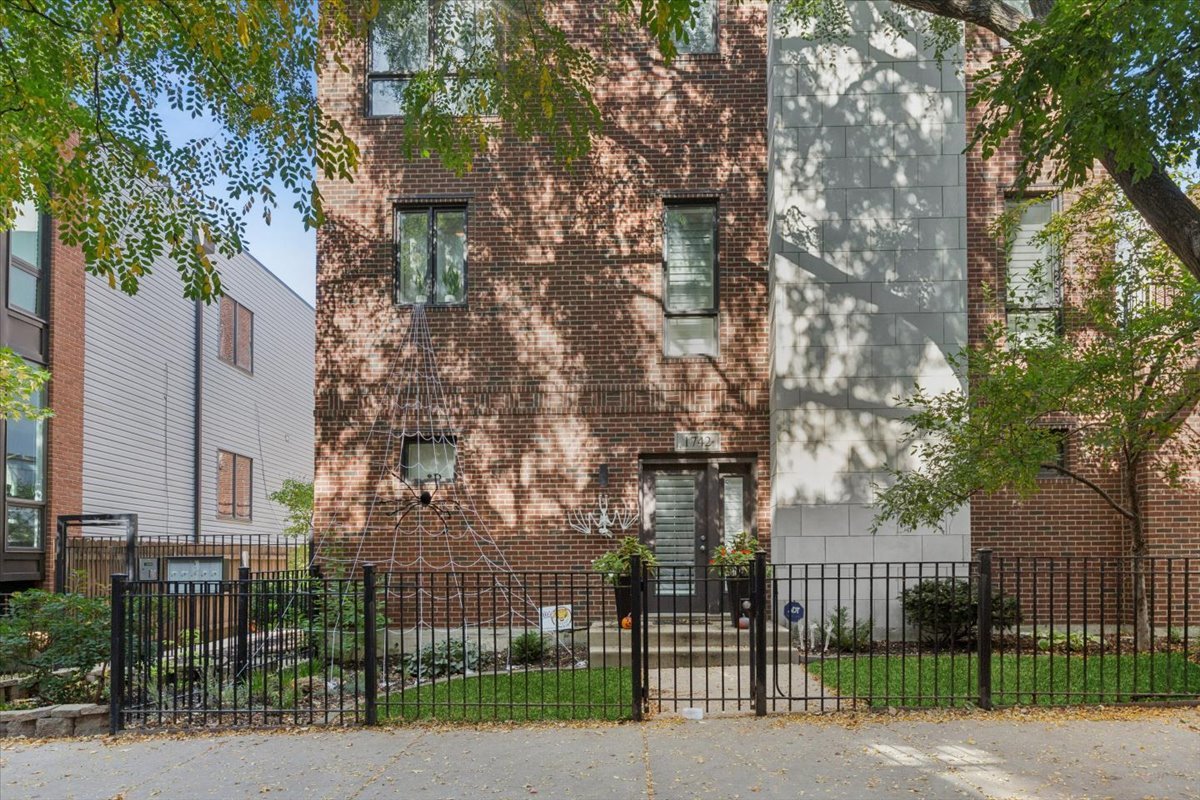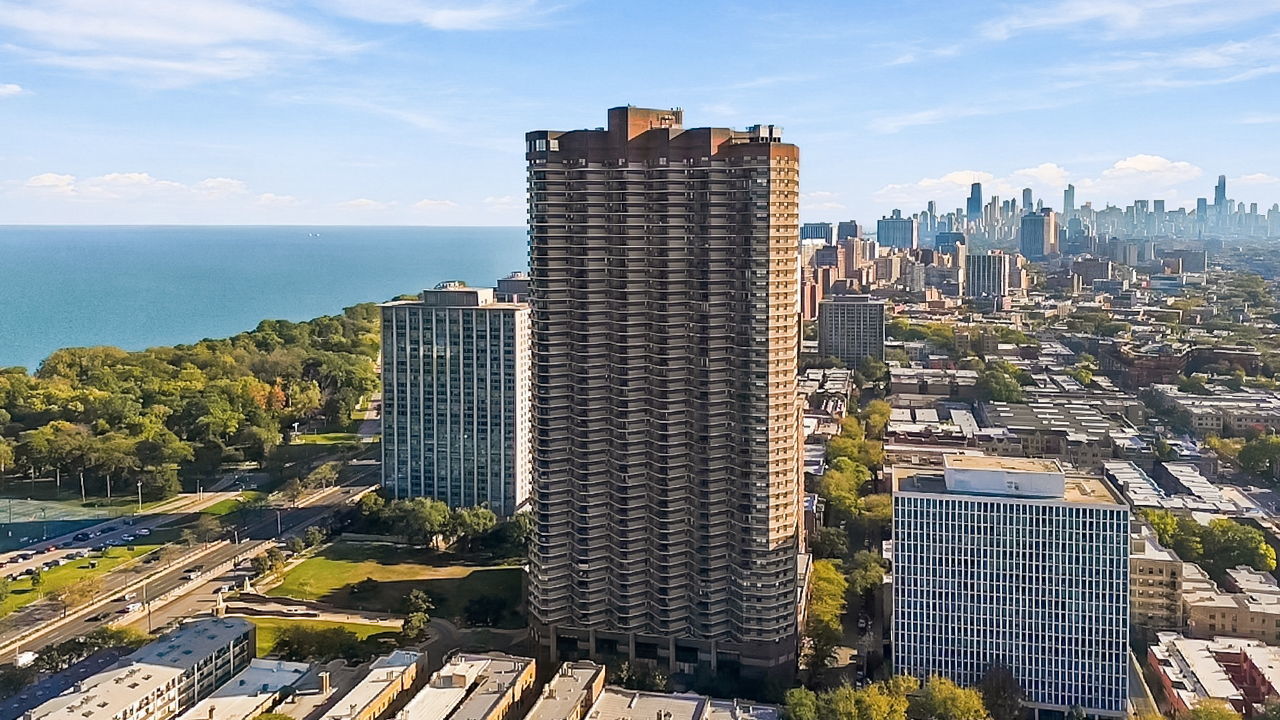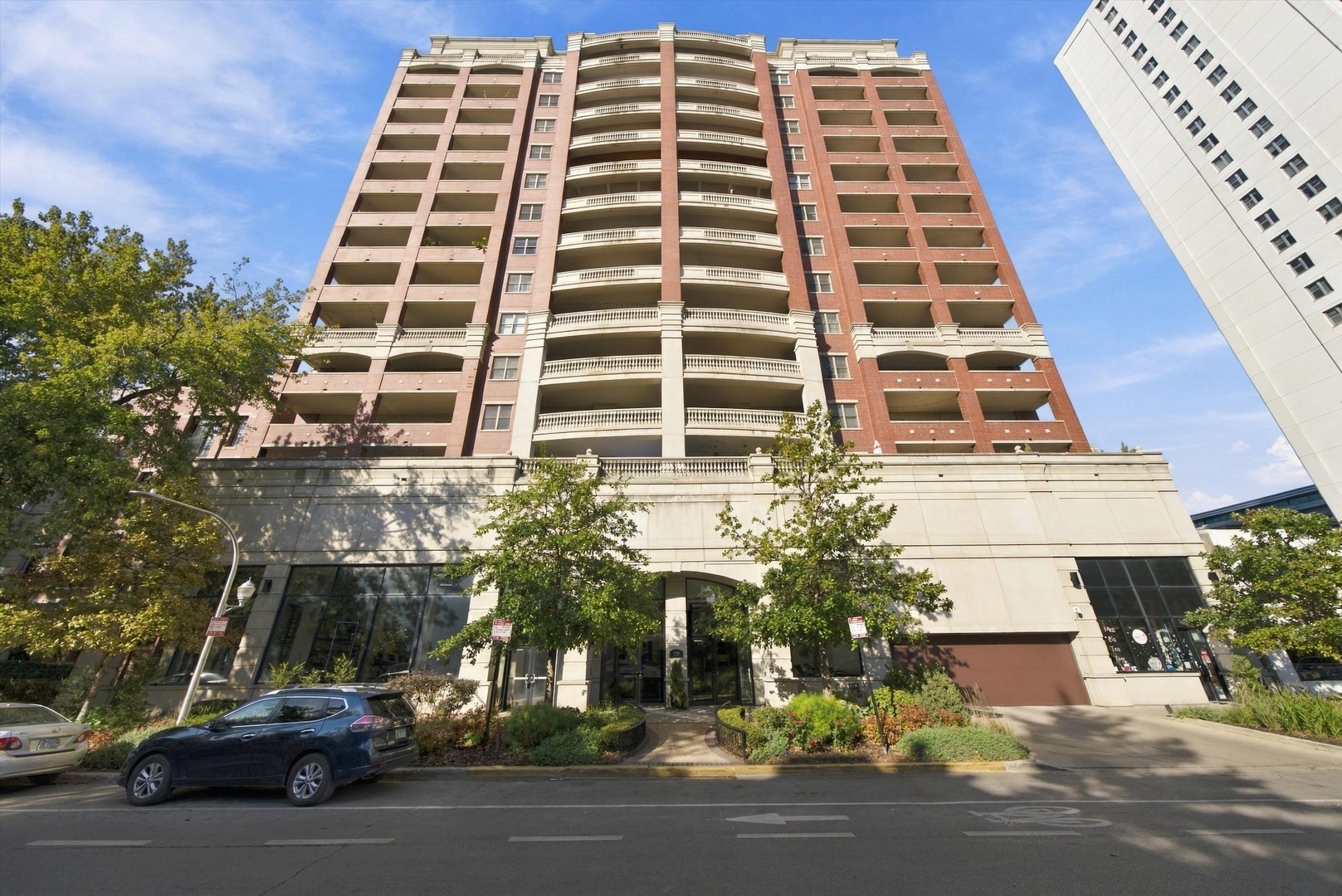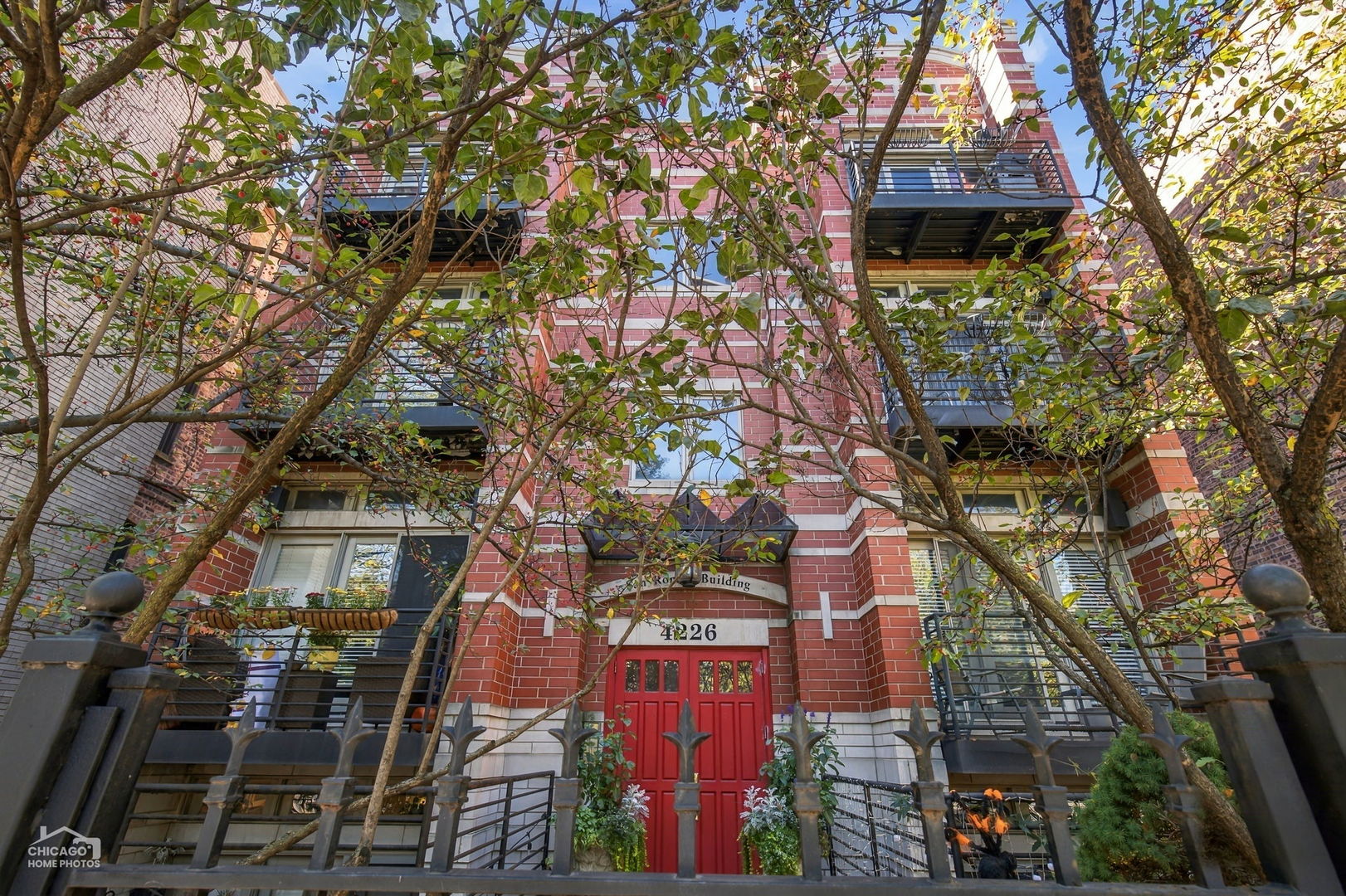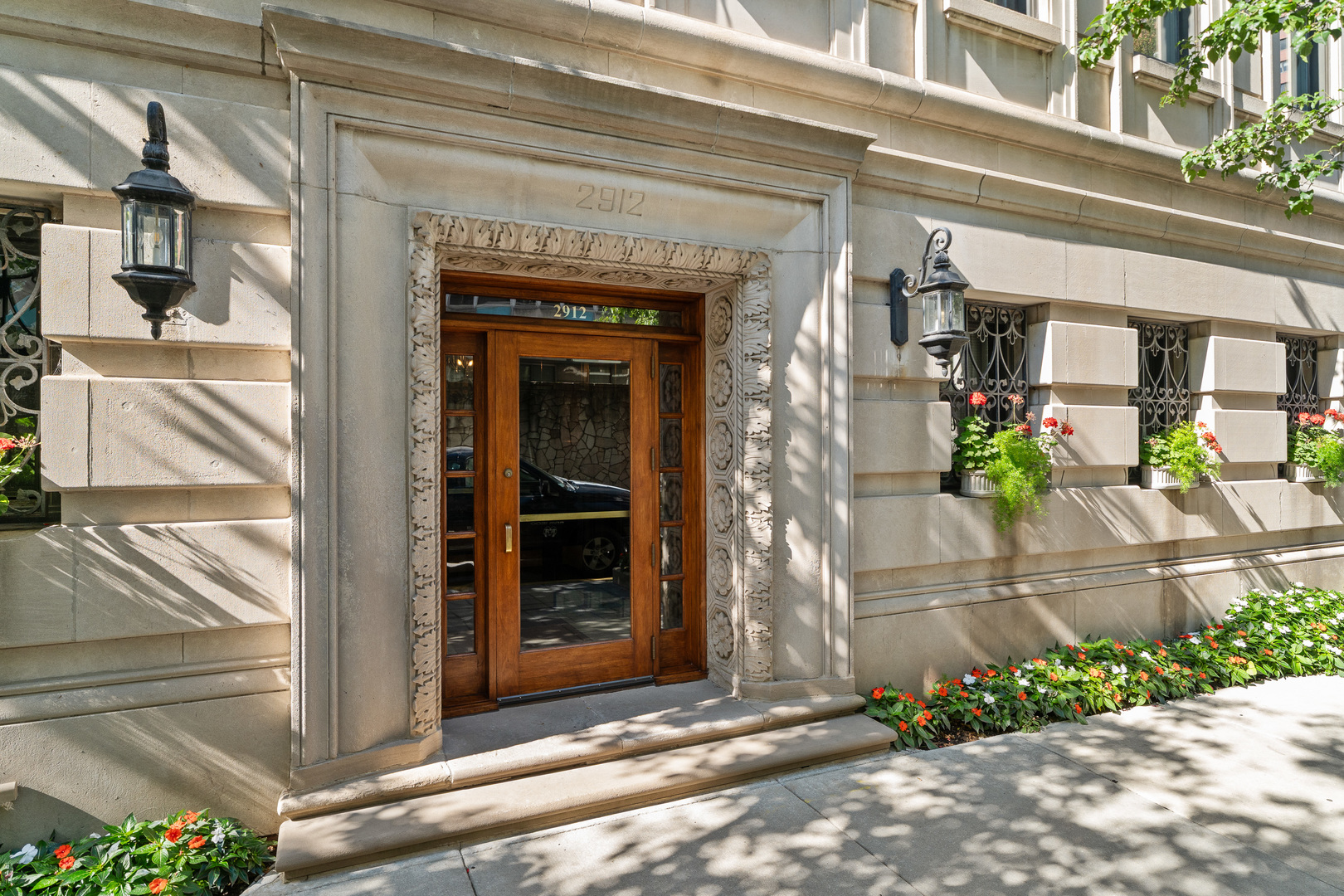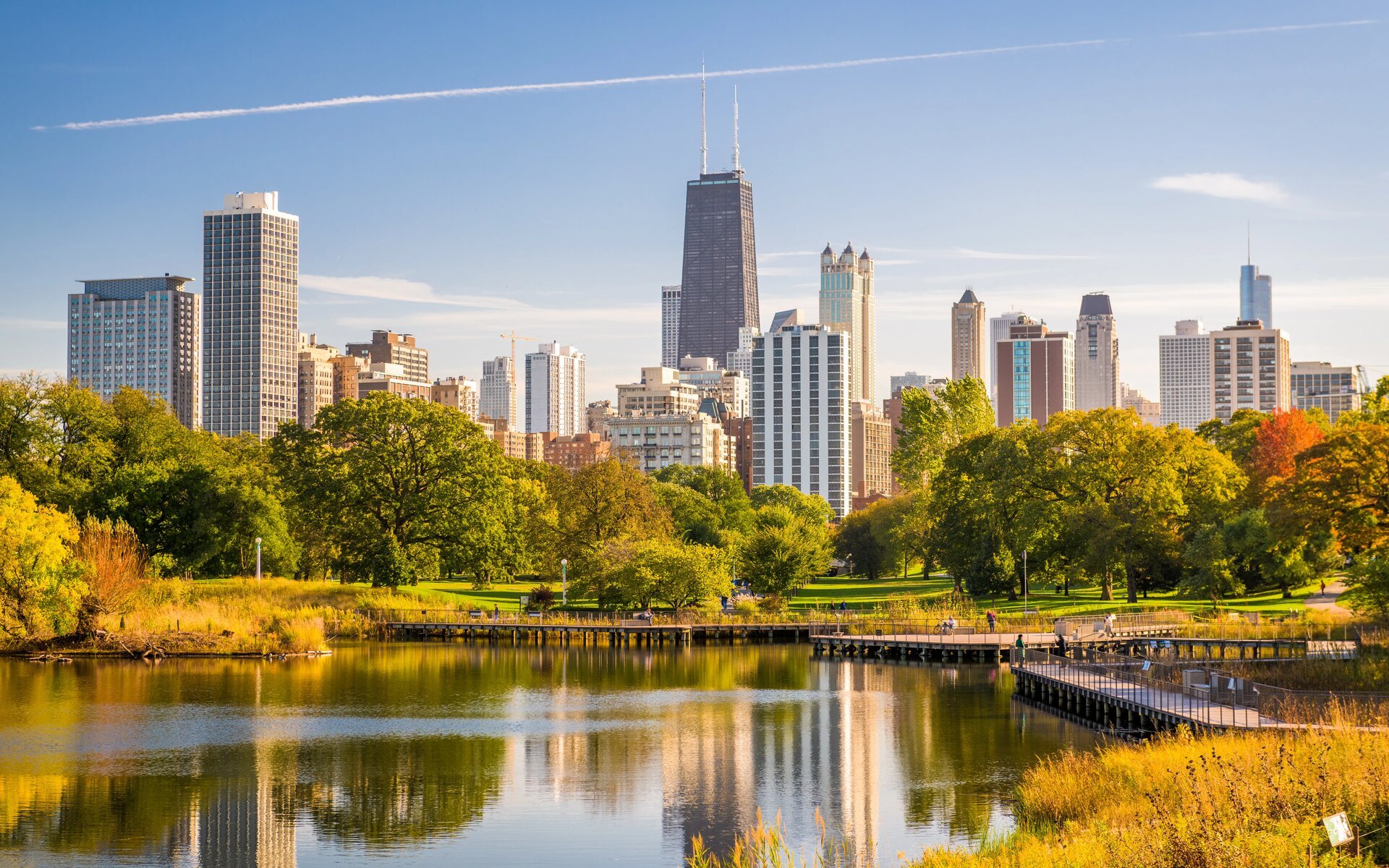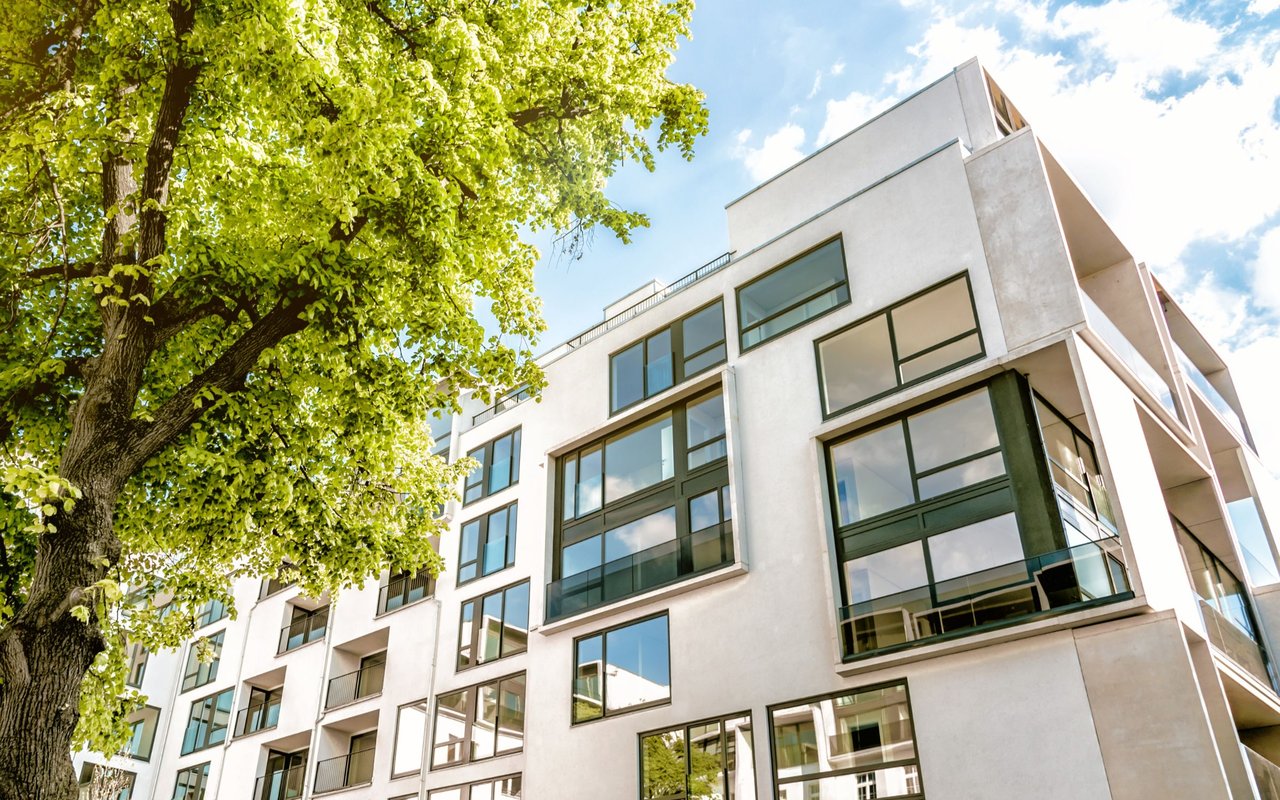
Lakeview is one of Chicago’s most vibrant North Side neighborhoods, located along Lake Michigan just north of Lincoln Park and minutes from downtown. Known for its mix of historic greystones, vintage courtyard buildings, and modern condominiums, Lakeview offers a diverse housing market that attracts young professionals, families, and long-time Chicago residents. The neighborhood is home to iconic landmarks like Wrigley Field and the Music Box Theatre, along with lively districts such as the Southport Corridor and Lakeview East. Residents enjoy easy access to the Lakefront Trail, Belmont Harbor, neighborhood parks, and a wide variety of restaurants, cafés, and boutique shopping. With excellent CTA transit access and a highly walkable environment, Lakeview continues to be one of the most desirable places to live in Chicago.
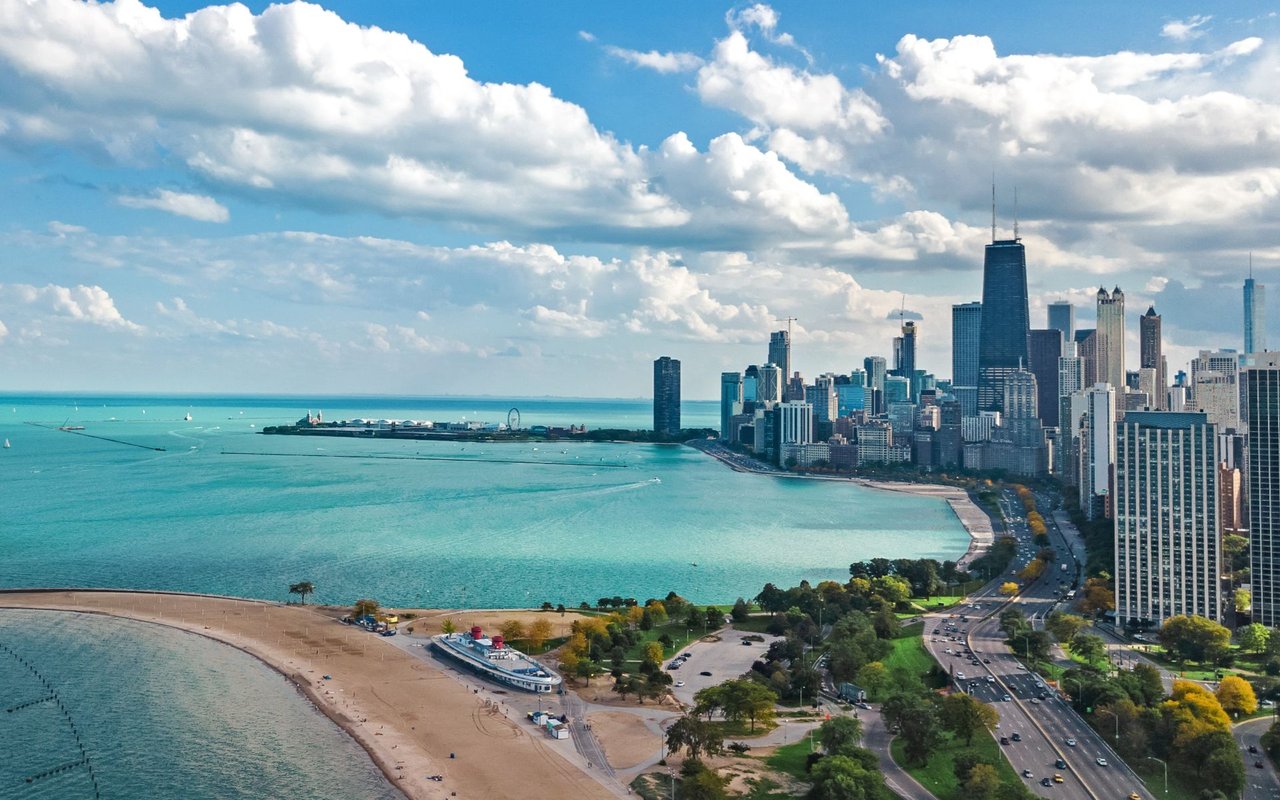
Lakeview is one of Chicago's largest and most established North Side neighborhoods, stretching from Lake Michigan west to Ravenswood Avenue and from Diversey Parkway north to Irving Park Road. It contains several distinct sub-neighborhoods, including Lakeview East, Wrigleyville, Northalsted, the Southport Corridor, and West Lakeview, each with its own character, housing stock, and pace of daily life.
After more than two decades of working with buyers and sellers across Chicago's North Side, I've found that Lakeview attracts a wider mix of clients than almost any other neighborhood I serve. First-time condo buyers, growing families, move-up buyers, investors, and longtime homeowners are all active here at the same time, one reason the market has stayed active through changing conditions.
What sets Lakeview apart is the combination of lakefront access, three CTA lines, walkable commercial corridors, and residential streets that still feel like a neighborhood. Residents can walk to the Lakefront Trail, catch the Red, Brown, or Purple line, have dinner at one of many restaurants along Southport, Broadway, Clark, or Halsted, and be home on a quiet tree-lined block within fifteen minutes. Few Chicago neighborhoods offer that range in a single zip code.
Lakeview sits directly on Lake Michigan between Lincoln Park to the south and Uptown to the north. The eastern edge follows the lakefront, and the western boundary runs along Ravenswood Avenue, where Lakeview meets North Center and Roscoe Village.
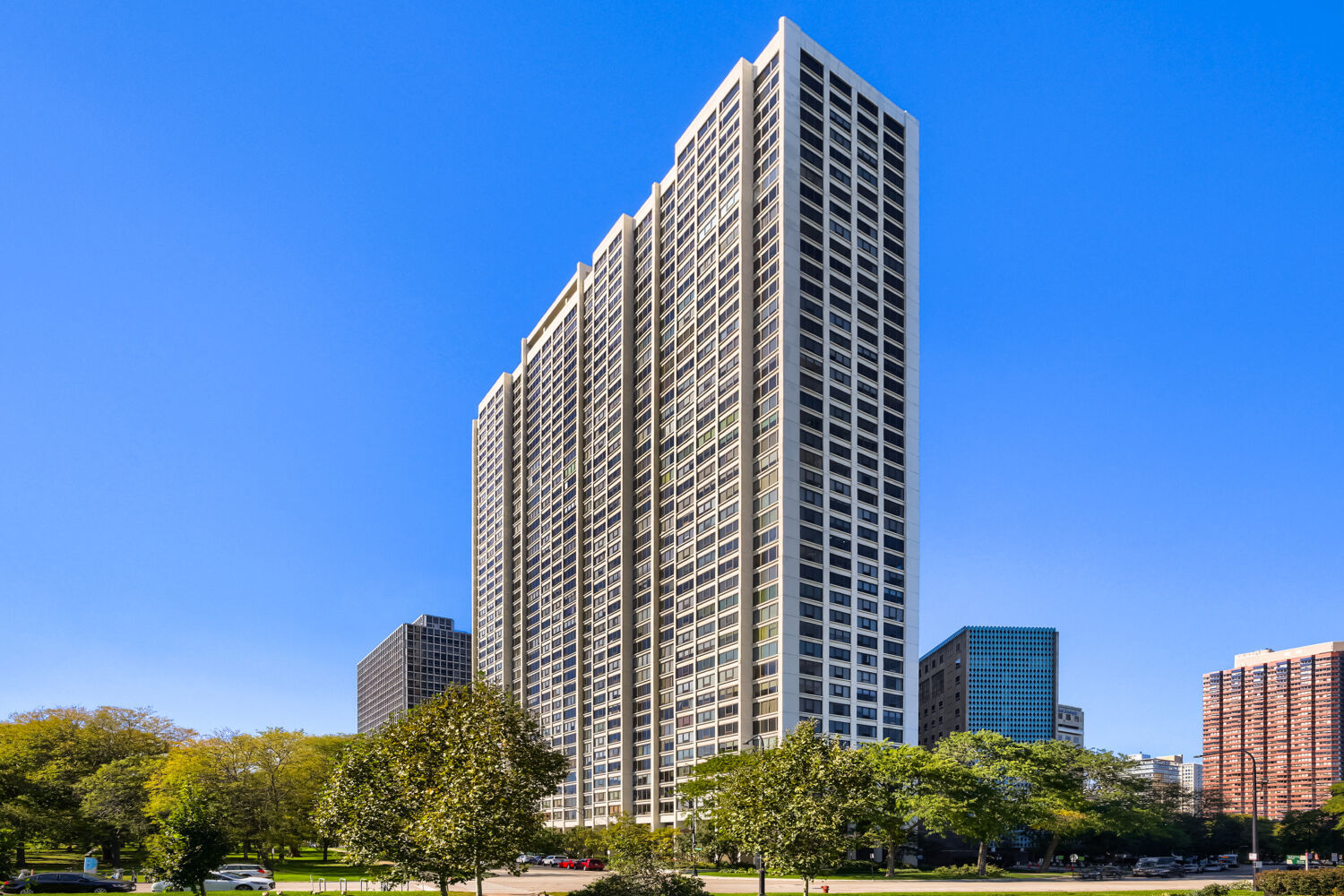
Lakeview East is the densest part, running from the lake west to roughly Halsted Street. This is where you'll find most of the neighborhood's vintage courtyard buildings, high-rise condominiums, and classic brick walk-ups, along with quick access to Belmont Harbor and the Lakefront Trail. Local business and event information for this part of the neighborhood is published by the Lakeview East Chamber of Commerce.
Wrigleyville centers on Wrigley Field and the surrounding blocks of Clark, Addison, and Sheffield. The energy here is tied closely to the ballpark and to venues like the Vic Theatre and the Metro, which has anchored Chicago's live music scene since 1982. Day-to-day life in Wrigleyville varies significantly between game days and the off-season.
Northalsted, historically known as Boystown, runs along Halsted Street roughly between Belmont and Grace. It's recognized internationally as one of the first officially designated LGBTQ neighborhoods in the United States and remains one of the most active commercial corridors in Lakeview. The Northalsted Business Alliance organizes local events and promotes the district year-round.
The Southport Corridor runs along Southport Avenue between Belmont and Irving Park and has become one of the most sought-after stretches in the neighborhood. The Music Box Theatre, which has been showing films since 1929, anchors the corridor along with a long row of independent boutiques, restaurants, and cafes.
West Lakeview sits between the Southport Corridor and Ravenswood Avenue and feels noticeably quieter and more residential. This is where you'll find more single-family homes, smaller multi-unit buildings, and many of the families who choose Lakeview for the long term. The Lakeview Roscoe Village Chamber of Commerce covers this and other parts of the neighborhood.
The differences between these parts of the neighborhood matter for both buyers and sellers. A condo two blocks from Wrigley lives very differently than one near Southport and Roscoe, even though they're technically in the same neighborhood.
Lakeview attracts one of the most varied buyer pools on the North Side. First-time condo buyers, professionals relocating to Chicago, growing families, move-up buyers, and longtime residents are all active in the neighborhood at the same time. That mix is part of what keeps the market resilient, since demand rarely depends on a single buyer type or price point.
Many buyers start their Chicago search in Lakeview because the neighborhood offers real options at several price points. Entry-level condo buyers focus on vintage one-bedrooms in Lakeview East or Wrigleyville, while move-up buyers tend to look at larger condos along Southport, townhomes throughout West Lakeview, or single-family homes on the quieter residential streets west of Ashland.
Lakeview also has an unusually high rate of buyers who move within the neighborhood rather than leaving it. I've worked with clients who started in a one-bedroom or two-bedroom condo in a Lakeview East high-rise and ended up years later in a 2,600-square-foot duplex or single-family home a few blocks west. The neighborhood is large enough and varied enough that buyers can change their housing situation significantly without changing their daily routines.
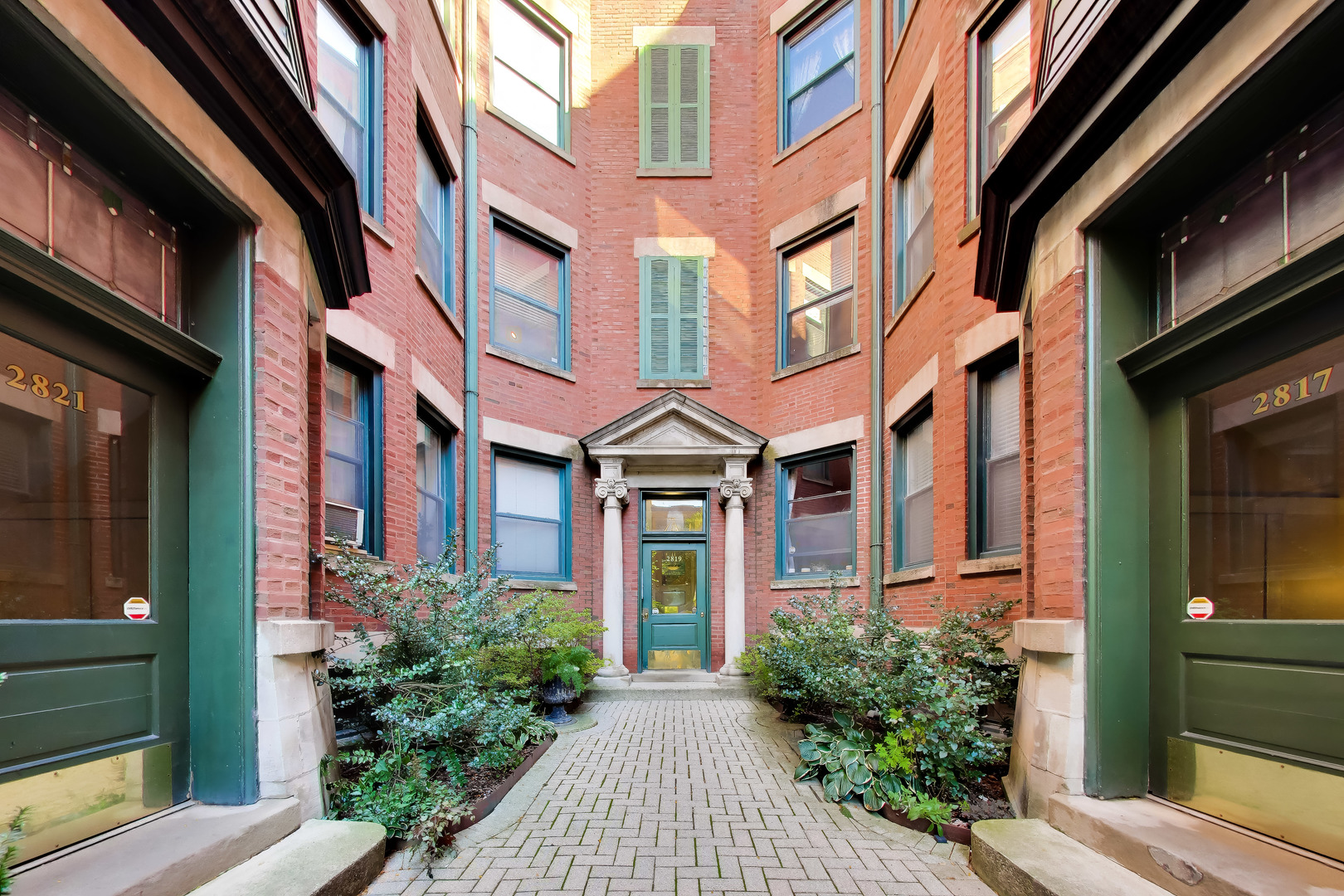
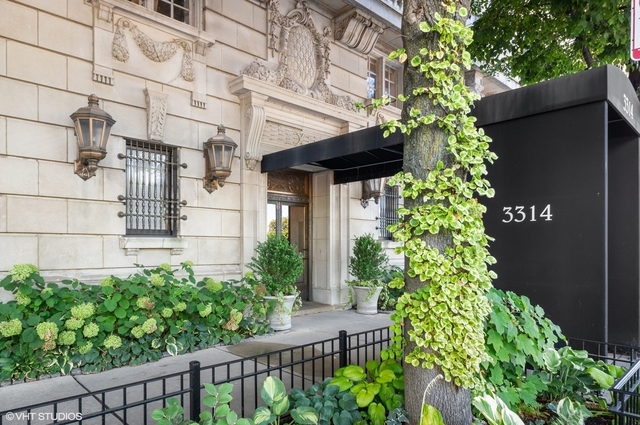
Lakeview has one of the most varied housing inventories on Chicago's North Side. Within the same square mile you'll find vintage courtyard buildings, modern condominiums, classic Chicago two-flats and three-flats, greystones, townhomes, and single-family homes on tree-lined residential streets.
Vintage courtyard buildings and brick walk-ups are some of the most recognizable housing types in Lakeview, especially in Lakeview East and the blocks surrounding Wrigley Field. Many of these buildings date back to the early 1900s and remain popular for their original architectural details, larger floor plans, and established residential character. Buyers drawn to vintage condos should pay close attention to building reserves, monthly assessments, and the age of major systems, since these factors can vary widely from building to building.
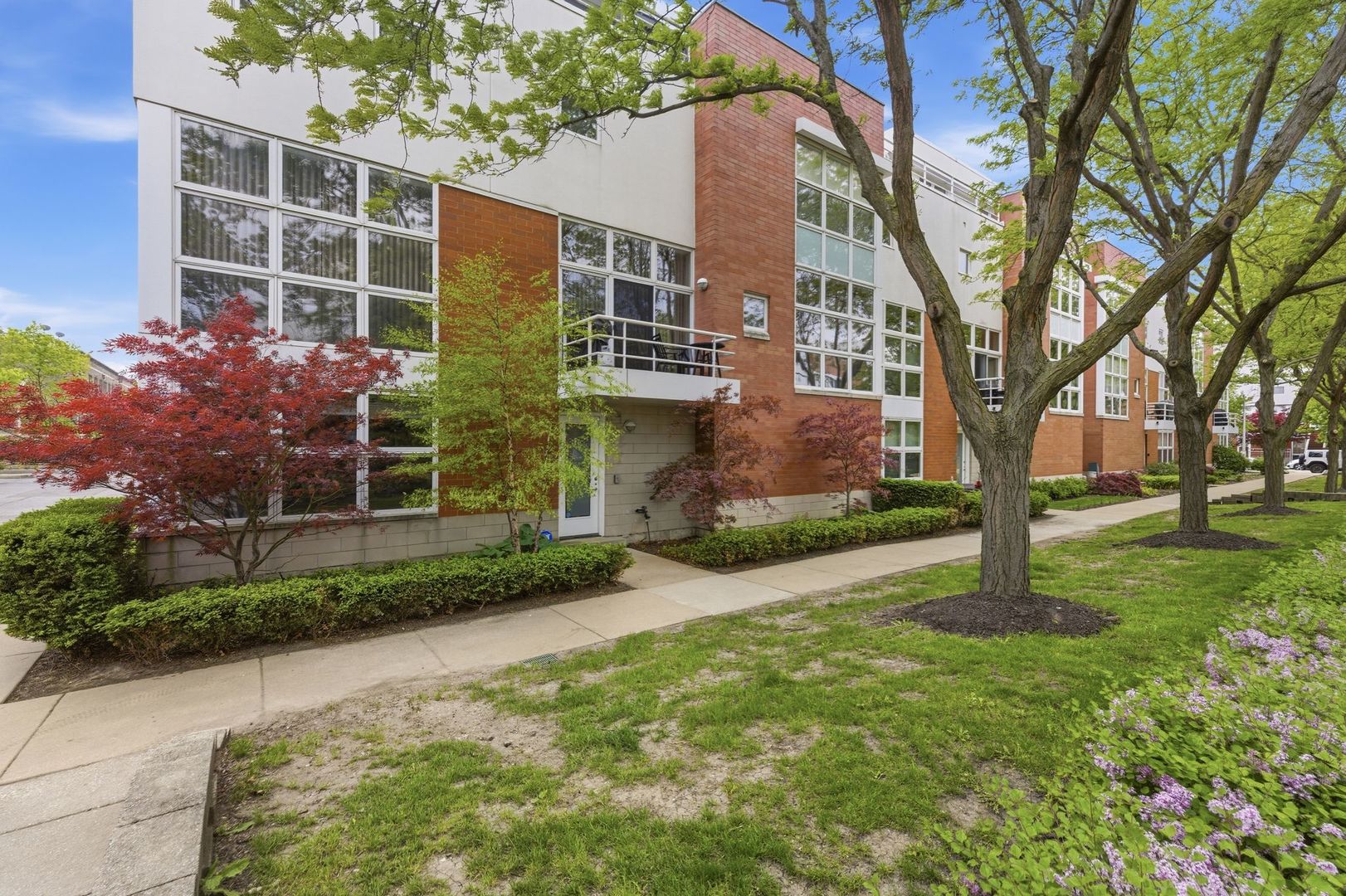
Newer construction in Lakeview is most often four-to-six-unit walk-up buildings rather than high-rises. These appeal to buyers who want modern finishes, in-unit laundry, and attached garage parking.
Single-family homes are most concentrated in West Lakeview and on the quieter streets near the Southport Corridor. Inventory is limited, especially for renovated homes in the Burley, Blaine, and Hawthorne Scholastic Academy attendance areas.
Two-flats, three-flats, and small multi-unit buildings are also part of the Lakeview market, often purchased by owner-occupants who rent the additional units.
One thing to expect throughout Lakeview is significant block-to-block variation. Proximity to Wrigley Field, the lakefront, CTA stops, and quieter residential streets all affect both pricing and daily living experience. Two homes a few blocks apart can feel like they're in different neighborhoods.
Lakeview pricing varies widely depending on property type, location, and condition.
Vintage and high-rise one-bedroom condos in Lakeview East and Wrigleyville generally start around $200K, with two-bedroom units typically ranging from $450K to $750K depending on size, condition, and building. Townhomes and duplex-down units usually start around $650K. Single-family homes, most concentrated in West Lakeview and near the Southport Corridor, generally start around $900K and move higher, with renovated homes in the Burley, Blaine, and Hawthorne attendance areas at the upper end.
Most properties in Lakeview move quickly. Condition, layout, monthly assessments, parking, and exact location within the neighborhood all affect how quickly a home sells and at what price.
For current Lakeview listings, contact me for an updated market report tailored to your search.
Buyers considering Lakeview should be prepared to move quickly, especially in the most competitive parts of the market. Starter condos, renovated two-bedrooms, and single-family homes tend to draw multiple offers when priced well, and well-prepared buyers consistently outperform those who are still organizing financing or unclear on what they want.
The variety of housing in Lakeview is one of its biggest advantages, but it also means buyers need to pay attention to the differences between parts of the neighborhood. A condo near Wrigley Field lives very differently than one near Southport, which lives differently than a single-family home in West Lakeview.
For condo buyers, building financials matter as much as the unit itself. Monthly assessments, reserve funds, special assessment history, and the age of major systems like roofs, tuckpointing, and elevators all affect long-term cost of ownership. Older high-rise buildings in particular can carry higher assessments, and buyers should review these carefully before going under contract.
Parking is another factor that varies significantly across Lakeview. Some buildings include deeded garage parking, others have rented spots, and many vintage buildings have no parking at all. For buyers who need a parking spot, this should be part of the search criteria from the start, not an afterthought.
If you're new to Chicago or new to the home buying process, my Home Buyers Course walks through the full process from financing to closing.
Lakeview is a strong seller's market for most property types, but that doesn't mean every listing sells the same way or for the same outcome. Pricing accuracy, preparation, and presentation all matter, and the right strategy depends on what you're selling and where in the neighborhood it sits.
Buyers in Lakeview are well-informed and compare properties carefully, especially in the condo segment where several similar units may be on the market at the same time. Overpricing is the most common reason a listing sits, even in a strong market. Homes priced right from day one almost always sell faster and for more than homes that start high and have to come down.
Presentation matters more in Lakeview than many sellers expect. Buyers in this neighborhood pay close attention to natural light, layout, storage, outdoor space, and overall building condition. Smaller updates like fresh paint, refinished floors, professional staging, and thoughtful decluttering can meaningfully change how a property is received, especially in the condo segment where buyers are comparing similar units side by side.
Market conditions also vary by property type. Single-family homes and renovated condos with parking tend to draw strong activity quickly, while vintage units in older high-rise buildings with higher assessments often require a more patient pricing strategy. Two-flats and three-flats sit in their own category, since buyers in that segment are evaluating rental income, condition, and unit mix in addition to the property itself.
If you're considering selling in Lakeview, my Seller's Course walks through pricing strategy, preparation, and what to expect during the listing process.
Day-to-day life in Lakeview is active, social, and closely tied to the surrounding city. Residents walk to neighborhood restaurants, spend time at the lakefront, ride the L to work or downtown, and use public parks year-round.
The Lakefront Trail and Belmont Harbor anchor outdoor life in the neighborhood. The trail runs along Lake Michigan and is part of the daily routine for many Lakeview residents, used for running, biking, walking, and commuting. Belmont Harbor sits just east of Lake Shore Drive and remains one of the most active sailing harbors on Chicago's North Side.
Wrigley Field shapes the rhythm of the surrounding blocks throughout the year, not just during baseball season. Gallagher Way, the public plaza next to the ballpark, hosts year-round programming including outdoor movies, concerts, fitness classes, and farmers markets. In winter, Gallagher Way becomes home to Winterland, which includes the Christkindlmarket Wrigleyville, the Gallagher Ice Rink, Santa's Workshop, and the annual Tree Lighting Ceremony.
The neighborhood also hosts some of the most well-known festivals in Chicago. The Chicago Pride Parade runs through Lakeview every June. Northalsted Market Days is one of the largest street festivals in the Midwest. The Lakeview East Festival of the Arts brings juried artists to Broadway each September. PorchFest, the Southport Art Festival, Lakeview Taco Fest, Trick or Treat on Southport, and the Southport Holiday Stroll are all annual traditions that bring the neighborhood together throughout the year.
Live entertainment is built into daily life here. The Music Box Theatre has been showing films on Southport since 1929. The Vic Theatre and the Metro anchor a long-standing live music scene, and the Belmont Theater District has more than 20 theaters and performance venues clustered near the Belmont L stop.
Lakeview is also home to several well-regarded Chicago Public Schools, including Burley Elementary, Blaine Elementary, Nettelhorst Elementary, Hawthorne Scholastic Academy, and Lake View High School. Both of my daughters attended Burley, so I know firsthand how much the school question shapes buyer decisions in this neighborhood. Buyers focused on specific schools should verify attendance boundaries directly through the CPS school locator, since boundaries don't always align with neighborhood assumptions or the closest school.
For commuters, the neighborhood is served by the Chicago Transit Authority, with Red, Brown, and Purple line access plus extensive bus routes along Belmont, Diversey, Addison, Halsted, Clark, and Broadway.
Many Lakeview buyers also consider nearby North Side neighborhoods, each with its own character and price point. Lincoln Park sits directly south and offers a similar lifestyle with higher price points and more single-family homes. North Center, just west of Lakeview, tends to feel quieter and more family-oriented while still offering Brown Line access. Lincoln Square is further northwest and known for its walkable Lincoln Avenue corridor and German heritage. Ravenswood and Andersonville are also popular cross-shops for buyers who want a more residential feel without giving up easy access to the rest of the North Side.
Lakeview has been one of Chicago's more stable long-term real estate markets for decades. The combination of lakefront access, transit, walkability, established housing, and broad buyer demand keeps the market resilient even when conditions shift in other parts of the city.
Property values in well-maintained Lakeview homes have generally held up better than many other parts of Chicago over the long term, particularly for single-family homes, larger condos with parking, and properties in the most walkable parts of the neighborhood.
The mix of housing also contributes to stability. Because Lakeview attracts first-time buyers, families, investors, and longtime homeowners at the same time, demand rarely depends on a single buyer type or price point. When one segment slows, another usually picks up.
Buyers are often drawn to Lakeview for current lifestyle reasons, but the neighborhood also tends to work well as a long-term ownership market with strong resale appeal.
Lakeview is a neighborhood where local knowledge matters. The differences between buying near Wrigley Field versus near Southport, between a vintage walk-up and a newer construction condo, between a single-family home in West Lakeview and a duplex-down a few blocks east, all affect both the buying and selling experience.
I've spent more than two decades working with buyers and sellers across Chicago's North Side, and Lakeview is one of the neighborhoods I know best. Whether you're buying your first condo, selling a longtime home, relocating to Chicago, or moving within the neighborhood, I can help you navigate the process with a clear strategy.
Schedule a complimentary consultation to start a conversation about your Lakeview search or listing.
Lakeview is on Chicago's North Side, directly on Lake Michigan between Lincoln Park to the south and Uptown to the north. The neighborhood runs from the lakefront west to Ravenswood Avenue and from Diversey Parkway north to Irving Park Road.
Lakeview includes Lakeview East, Wrigleyville, Northalsted (historically known as Boystown), the Southport Corridor, and West Lakeview. Each has its own character, housing stock, and pace of daily life.
Vintage and high-rise one-bedroom condos start around $200K, two-bedroom condos generally range from $450K to $750K, townhomes and duplex-downs start around $650K, and single-family homes start around $900K and move higher.
Lakeview includes vintage courtyard buildings, brick walk-ups, high-rise condominiums, modern condos, classic Chicago two-flats and three-flats, greystones, townhomes, and single-family homes.
Lakeview is one of the most walkable neighborhoods in Chicago. Most residents rely on a mix of walking, the Red, Brown, and Purple CTA lines, biking, and short commutes for daily routines.
Lakeview is home to several well-regarded Chicago Public Schools, including Burley Elementary, Blaine Elementary, Nettelhorst Elementary, Hawthorne Scholastic Academy, and Lake View High School. Attendance boundaries should be verified through the CPS school locator before purchasing.
Lakeview is one of the most popular family neighborhoods on the North Side, with strong schools, parks, the lakefront, and a mix of housing that supports families at different stages.
Lakeview East is denser, with most of the neighborhood's vintage courtyard buildings, high-rises, and quick access to the lakefront. West Lakeview is quieter and more residential, with more single-family homes and smaller multi-unit buildings.
Lakeview has been one of Chicago's more stable long-term real estate markets for decades. The combination of lakefront access, transit, walkability, and broad buyer demand across multiple property types has kept the market resilient through changing conditions.
101,219 people live in LAKEVIEW, where the median age is 33 and the average individual income is $88,920. Data provided by the U.S. Census Bureau.
Total Population
Median Age
Population Density Population Density This is the number of people per square mile in a neighborhood.
Average individual Income
LAKEVIEW has 56,800 households, with an average household size of 2. Data provided by the U.S. Census Bureau. Here’s what the people living in LAKEVIEW do for work — and how long it takes them to get there. Data provided by the U.S. Census Bureau. 101,219 people call LAKEVIEW home. The population density is 47,757 and the largest age group is Data provided by the U.S. Census Bureau.
Total Population
Population Density Population Density This is the number of people per square mile in a neighborhood.
Median Age
Men vs Women
Population by Age Group
0-9 Years
10-17 Years
18-24 Years
25-64 Years
65-74 Years
75+ Years
Education Level
Total Households
Average Household Size
Average individual Income
Households with Children
With Children:
Without Children:
Marital Status
Blue vs White Collar Workers
Blue Collar:
White Collar:
I'm Dee Savic, your trusted Chicago real estate expert, and I'm here to guide you through your relocation journey. Discover why Chicago is the perfect city for you; from its diverse neighborhoods to its cultural vibrancy, Chicago offers an unmatched urban experience. Together, we'll find a community and home that fits your lifestyle and aspirations.