Expert Guidance for Buying and Selling Condos in Chicago
Buying a condo in Chicago is very different from purchasing a single-family home. It’s not just about the unit, it’s about the building behind it.
From luxury high-rises in Downtown and Streeterville to boutique walk-ups in neighborhoods like Lincoln Park, Lakeview, and Lincoln Square, Chicago offers a wide range of condo options. But with that comes complexity.
HOA rules, monthly assessments, reserves, rental policies, pet restrictions, and upcoming building projects can all directly impact your lifestyle, your monthly costs, and your long-term investment, sometimes in ways buyers don’t initially realize.
That’s where I come in.
I specialize in helping buyers and sellers navigate Chicago’s condo market with clarity and confidence. With more than 20 years of experience, 300+ homes sold, and nearly 30 years living in Chicago, I go beyond the unit to evaluate the full picture. From building financials to market positioning, I help you make informed decisions so you can move forward with confidence.

Understanding Chicago Condos: What to Look For
Condominiums represent a significant portion of Chicago’s housing inventory, and for many buyers, they offer a more convenient, low-maintenance way to enjoy city living. From full-amenity high-rises to boutique buildings in neighborhoods like Lincoln Park, Lakeview, and Lincoln Square, condos provide access to some of the most vibrant and walkable areas in the city.
When buying a condo in Chicago, it’s not just about the unit, it’s about evaluating the building as a whole. I guide my clients through a clear framework so they can make confident, well-informed decisions.
The last thing I want is for you to love a space today, only to be hit with a $20K special assessment a few years down the road because the building wasn’t properly evaluated upfront.
1. Building amenities and lifestyle fit
Doorman service, fitness centers, elevators, and shared outdoor spaces can enhance daily living, but they also impact monthly costs.
2. HOA financials and monthly assessments
Understanding what you pay monthly, what it covers, and how strong the building’s reserves are is critical to avoiding future surprises.
3. Rental policies and restrictions
Some buildings limit rentals or have investor caps, which can affect both flexibility and future resale value.
4. Parking, storage, and functionality
Availability of parking and storage can significantly impact both convenience and long-term desirability.
5. Building condition and construction quality
The age of the building, recent updates, and overall maintenance history all play a role in long-term costs and stability.
6. Resale potential and market trends
Not all condos appreciate equally. Location, building reputation, and demand all influence future value.
Understanding these factors is what separates a good purchase from a great one. I help my clients look beyond the surface so they can choose the right unit in the right building with confidence.

Buying a condominium involves reviewing more than just the unit itself. The financial health and management of the building can significantly affect both lifestyle and long-term property value.
Before purchasing a Chicago condo, buyers should evaluate:
Reviewing these factors helps buyers avoid unexpected costs and choose buildings that are financially stable and well managed.
Luxury buildings with amenities such as door staff, fitness centers, rooftop decks, and private parking.
Classic Chicago buildings often featuring historic architecture, hardwood floors, and smaller associations.
Former industrial or warehouse buildings converted into residential units with open layouts and high ceilings.
Modern buildings offering updated finishes, energy efficiency, and contemporary layouts.
Chicago offers a wide range of condominium options across many neighborhoods, from downtown high-rises to boutique neighborhood buildings.

Lincoln Park offers a mix of boutique condo buildings, historic conversions, and luxury high-rise residences near parks, restaurants, and the lakefront.
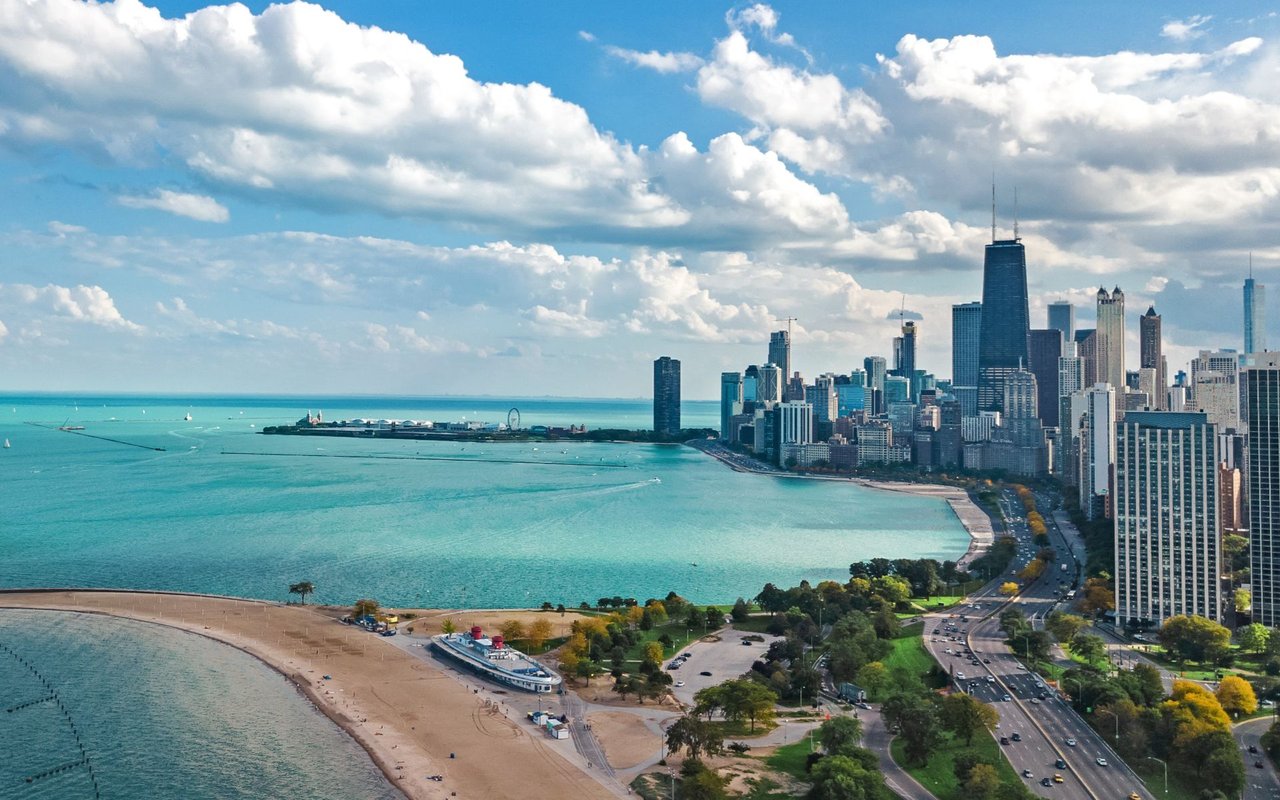
Lakeview is one of Chicago’s most active condo markets, offering vintage walk-ups, mid-rise buildings, and modern luxury developments near the lakefront.

The Gold Coast features elegant high-rise condominium buildings, historic residences, and luxury towers near Michigan Avenue and the lakefront.
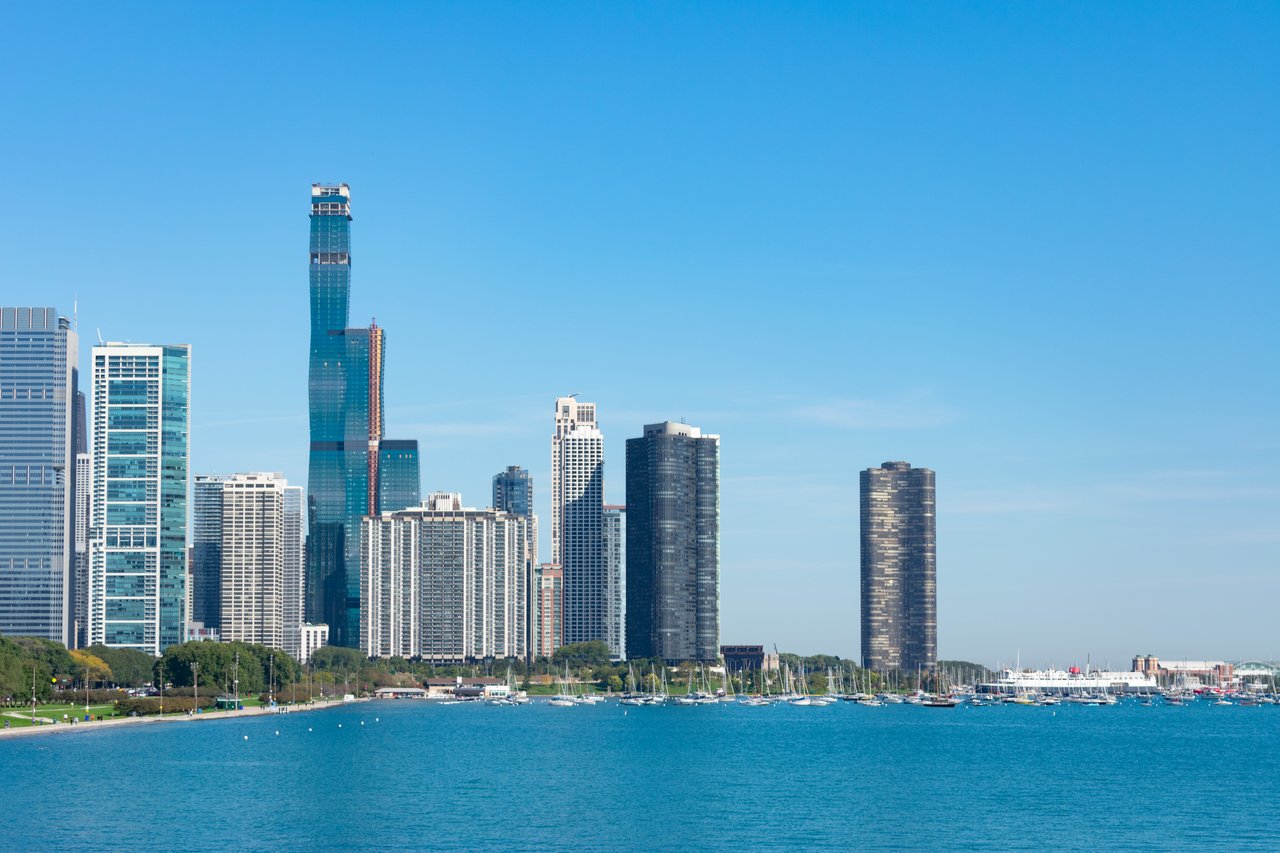
Streeterville features luxury high-rise condo buildings with lake views, full-service amenities, and convenient access to downtown offices.
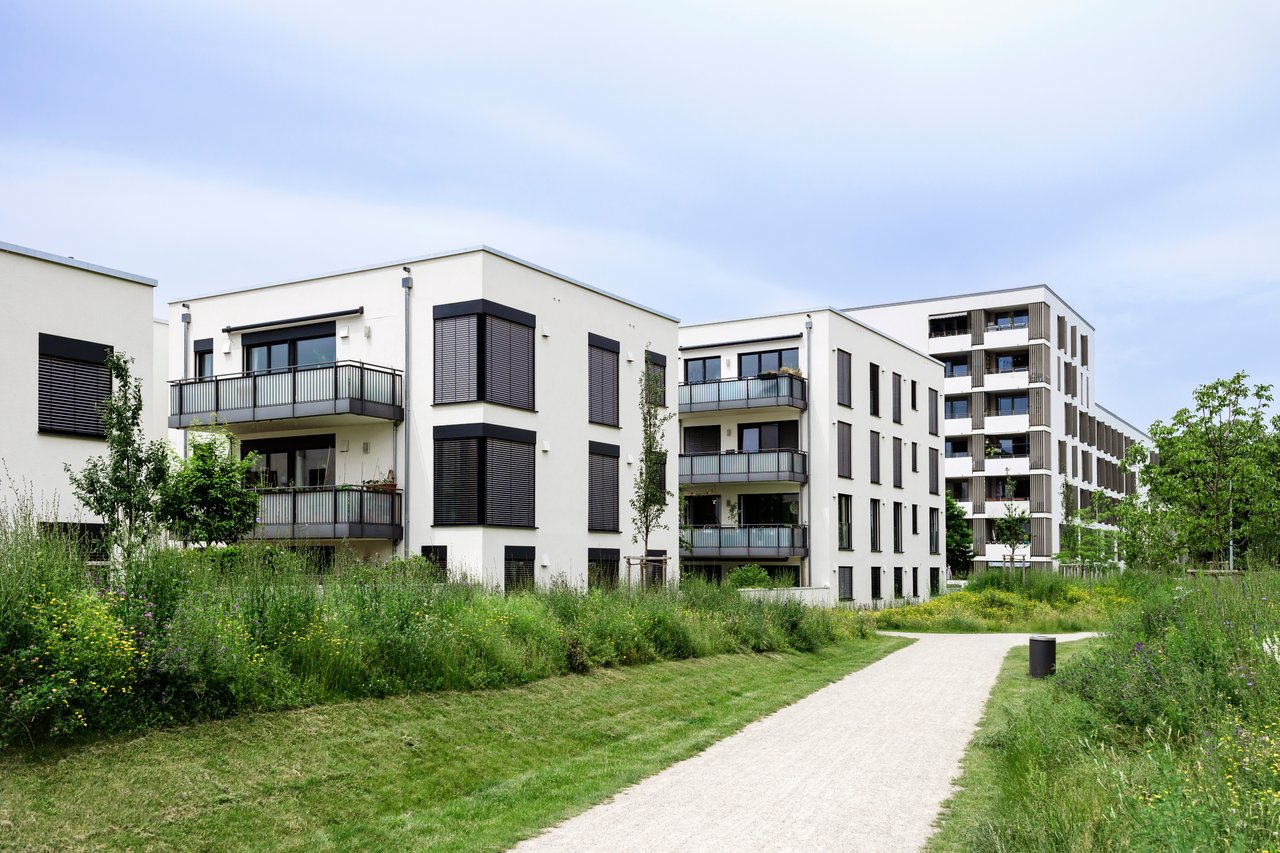
Near North offers a wide range of condominium buildings, from modern high-rises to boutique developments close to downtown offices, restaurants, and cultural attractions.

The West Loop has become one of Chicago’s fastest-growing residential markets, known for modern condo buildings, loft conversions, and new construction developments.
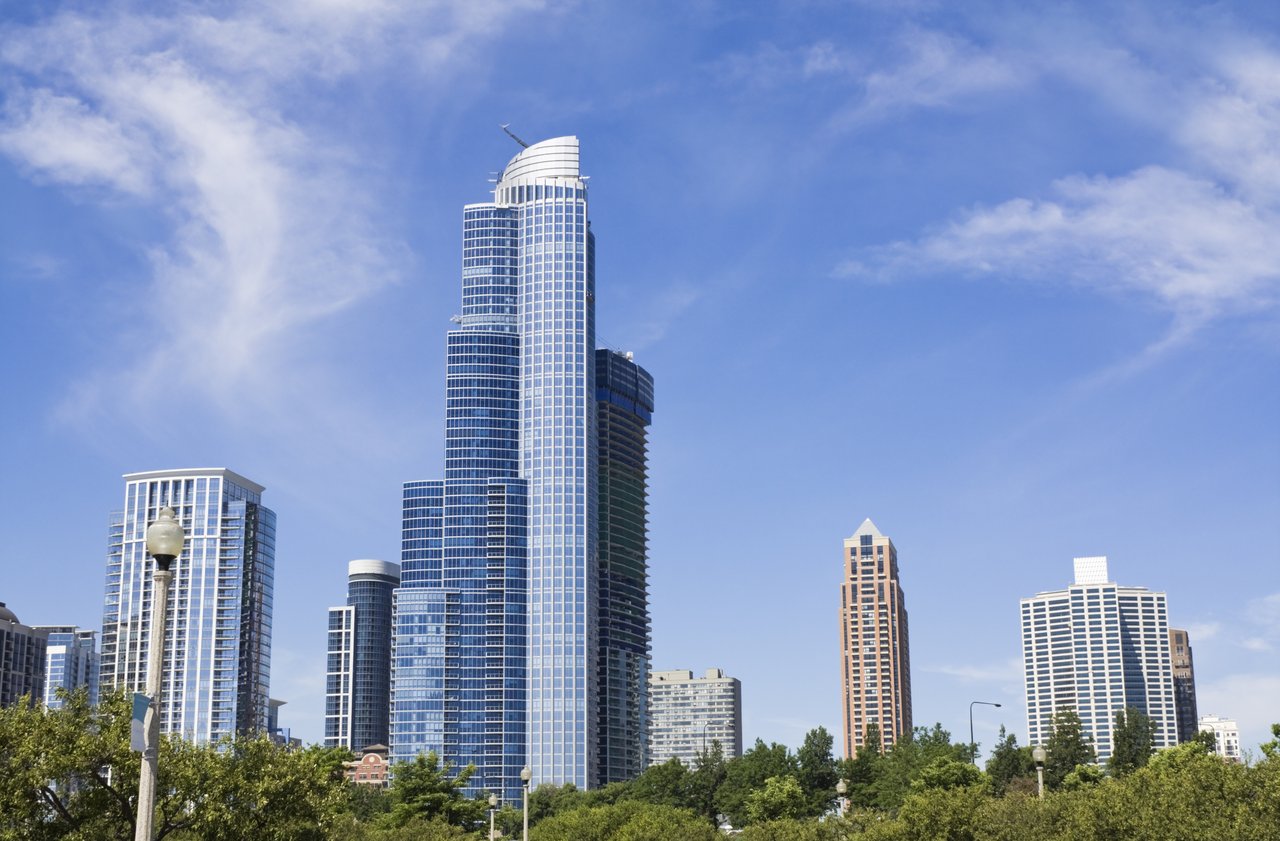
South Loop features a mix of modern high-rise buildings, historic loft conversions, and newer condominium developments near Grant Park and the lakefront.

These neighborhoods offer a mix of modern condo buildings, loft spaces, and boutique developments within vibrant walkable communities.

Selling a condominium involves additional factors beyond pricing and marketing.
Successful condo sales require attention to:
Understanding these variables allows condo sellers to position their property effectively in the market.

Buying a condo involves additional considerations compared to purchasing a single-family home. Understanding assessments, building reserves, rental policies, and HOA rules can make a significant difference when choosing the right property.
To help buyers better understand Chicago’s condominium market, Dee Savic created a detailed guide covering the pros and cons of condo ownership and key factors buyers should evaluate before purchasing.
Most Chicago residential buildings are condominiums. Co-ops are less common and involve ownership of shares in a corporation rather than a specific unit.
Assessments are monthly fees paid by owners to cover building maintenance, amenities, insurance, and reserve funding.
Some buildings allow rentals while others have restrictions. Buyers should review the building’s rental policy before purchasing.
Reserves are funds maintained by the building association to cover major repairs and long-term maintenance.
Some buildings require board approval or interviews before completing a purchase.
I'm Dee Savic, your trusted Chicago real estate expert, and I'm here to guide you through your relocation journey. Discover why Chicago is the perfect city for you; from its diverse neighborhoods to its cultural vibrancy, Chicago offers an unmatched urban experience. Together, we'll find a community and home that fits your lifestyle and aspirations.