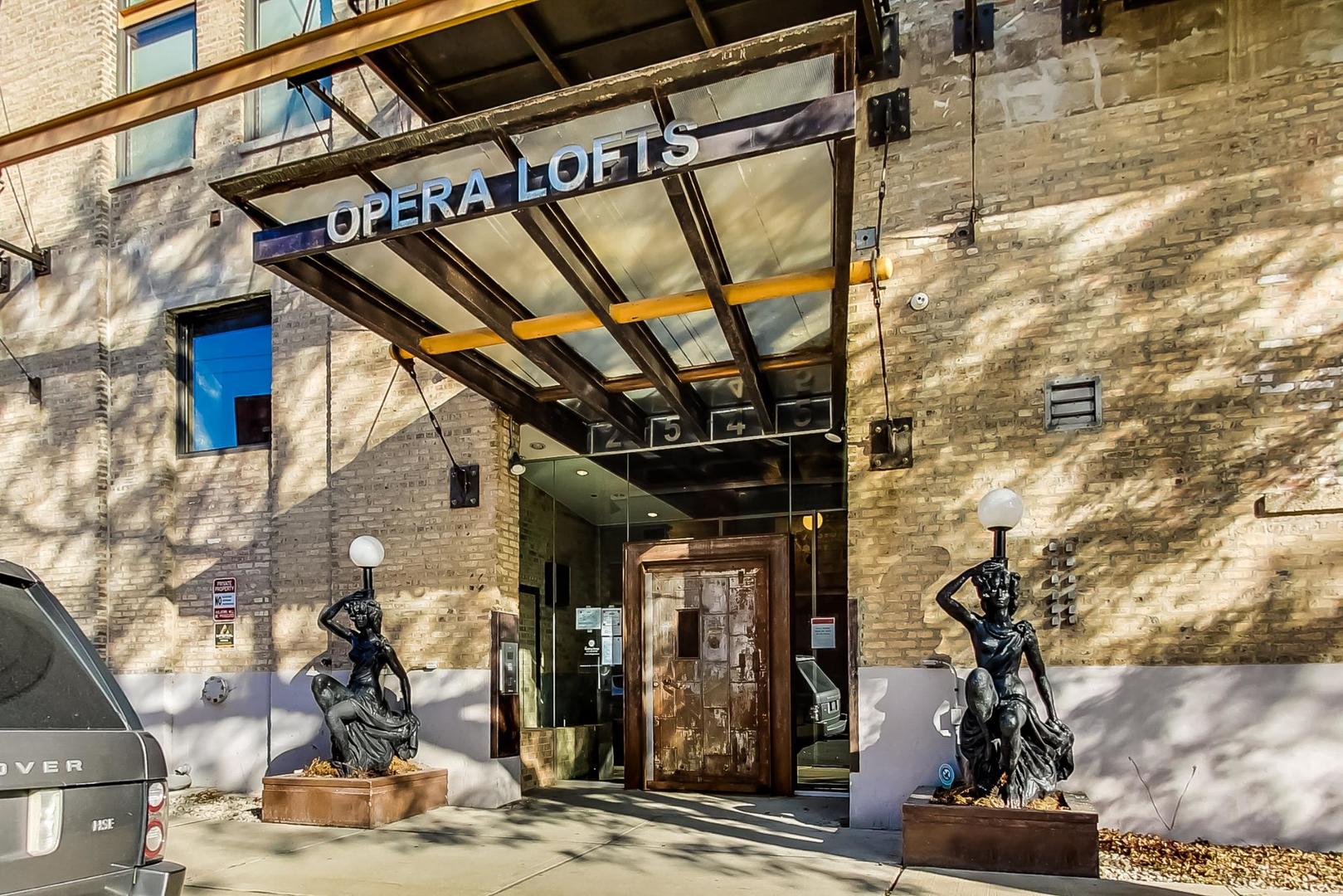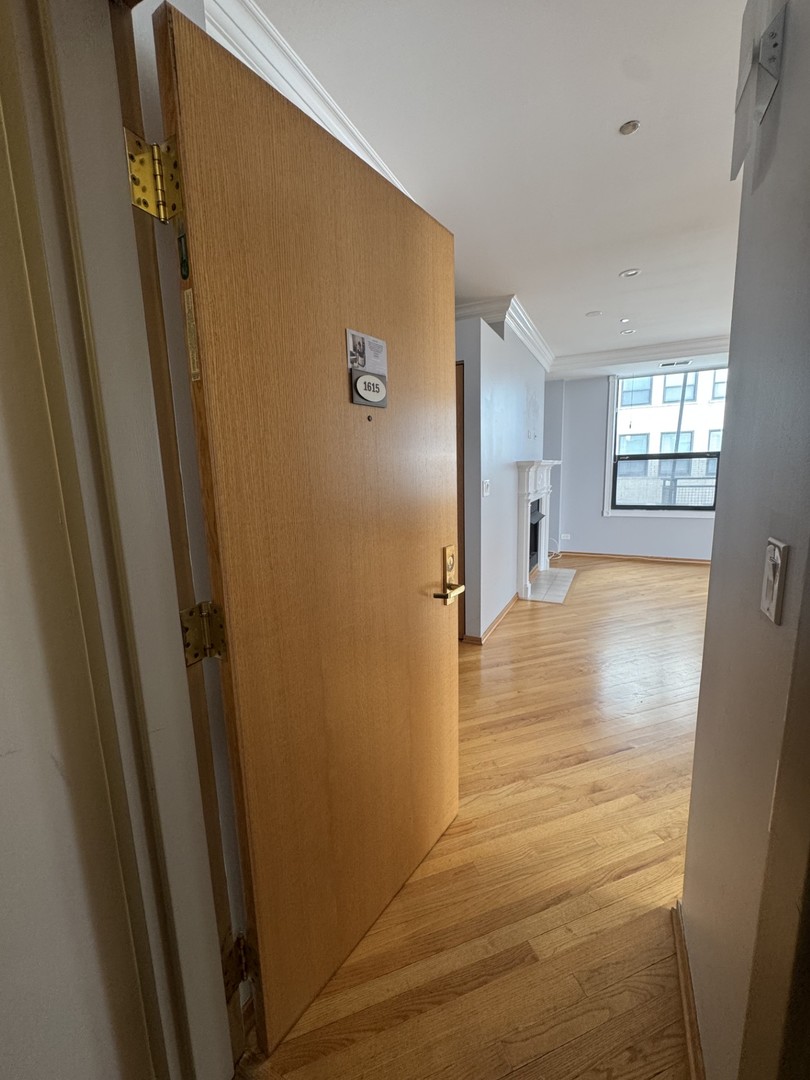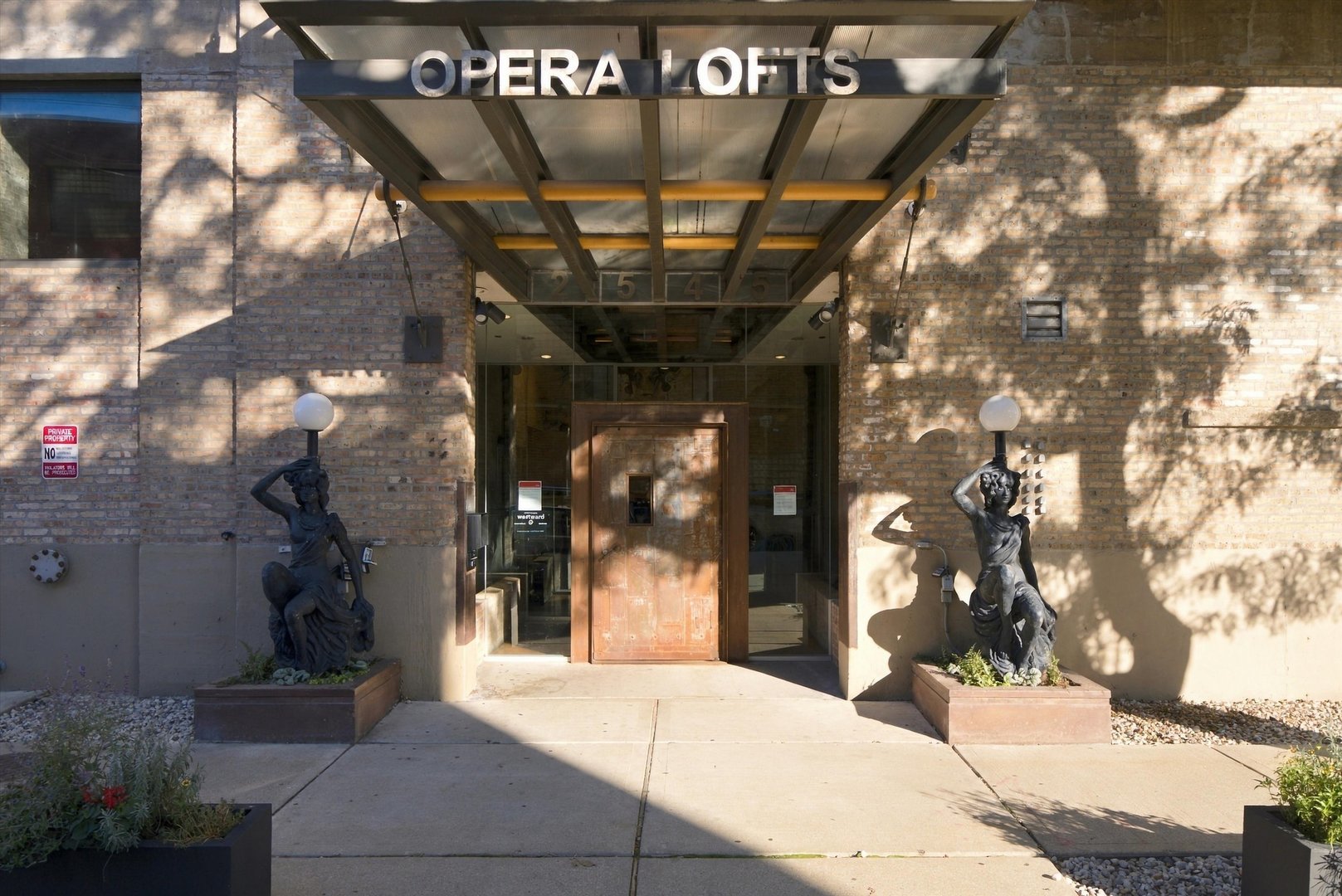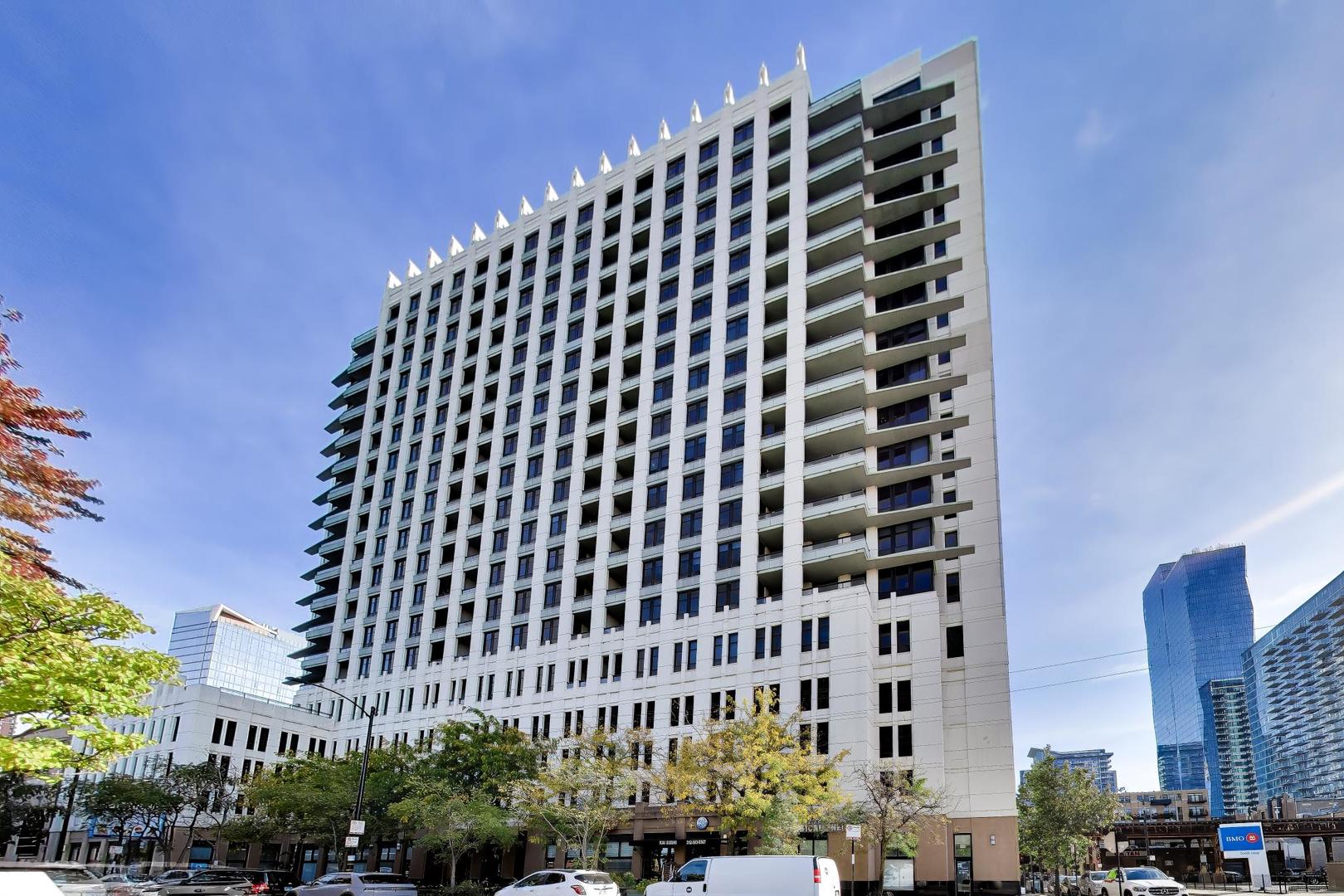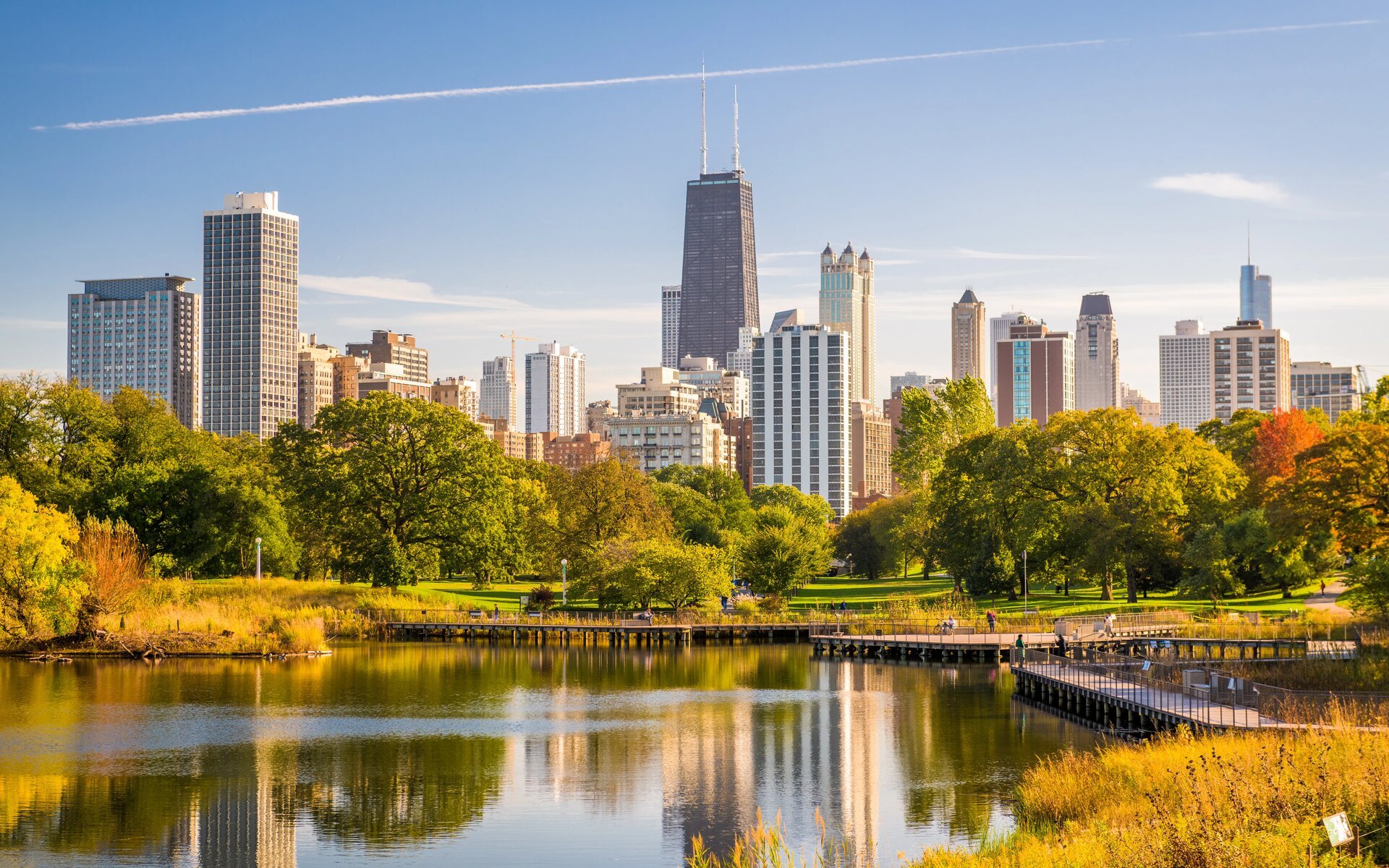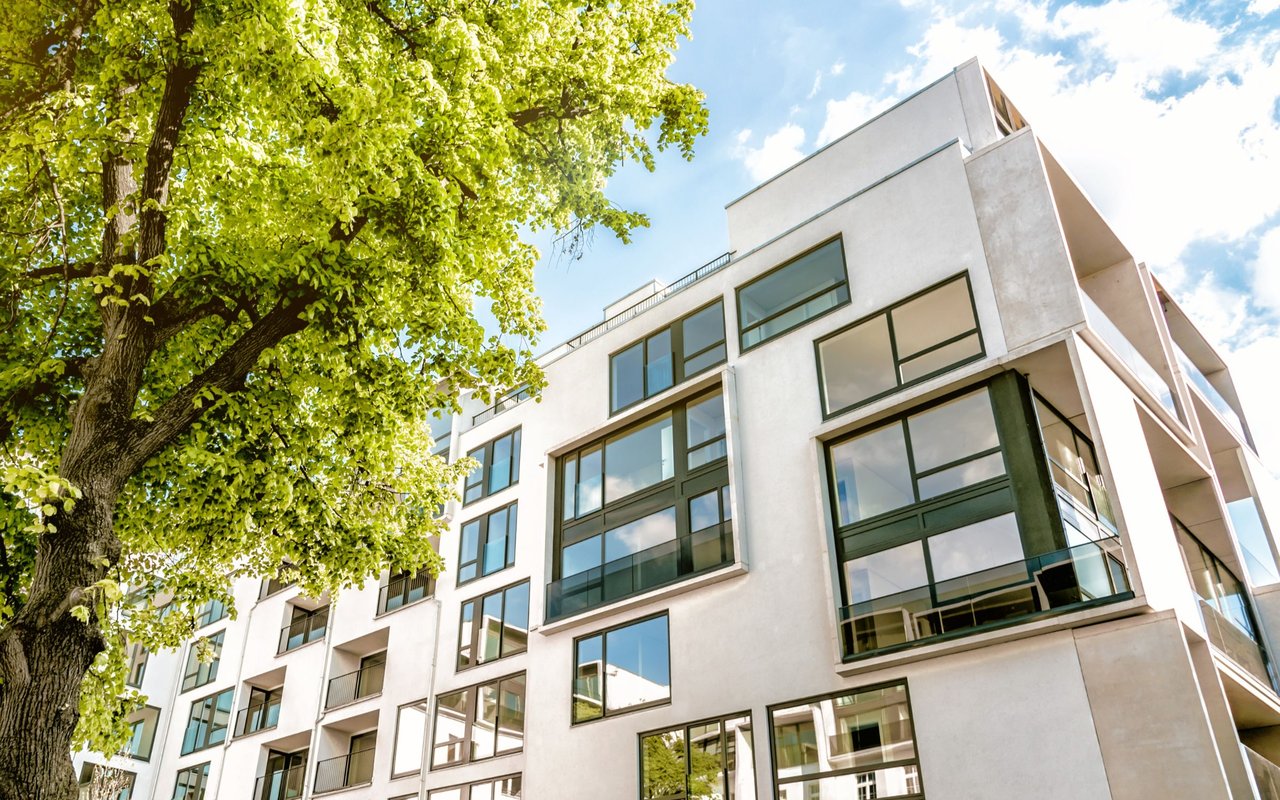
South Loop is a vibrant Chicago neighborhood known for modern high-rise living, proximity to Grant Park and Museum Campus, and convenient access to downtown Chicago. Residents enjoy lakefront parks, cultural attractions, and walkable city living.
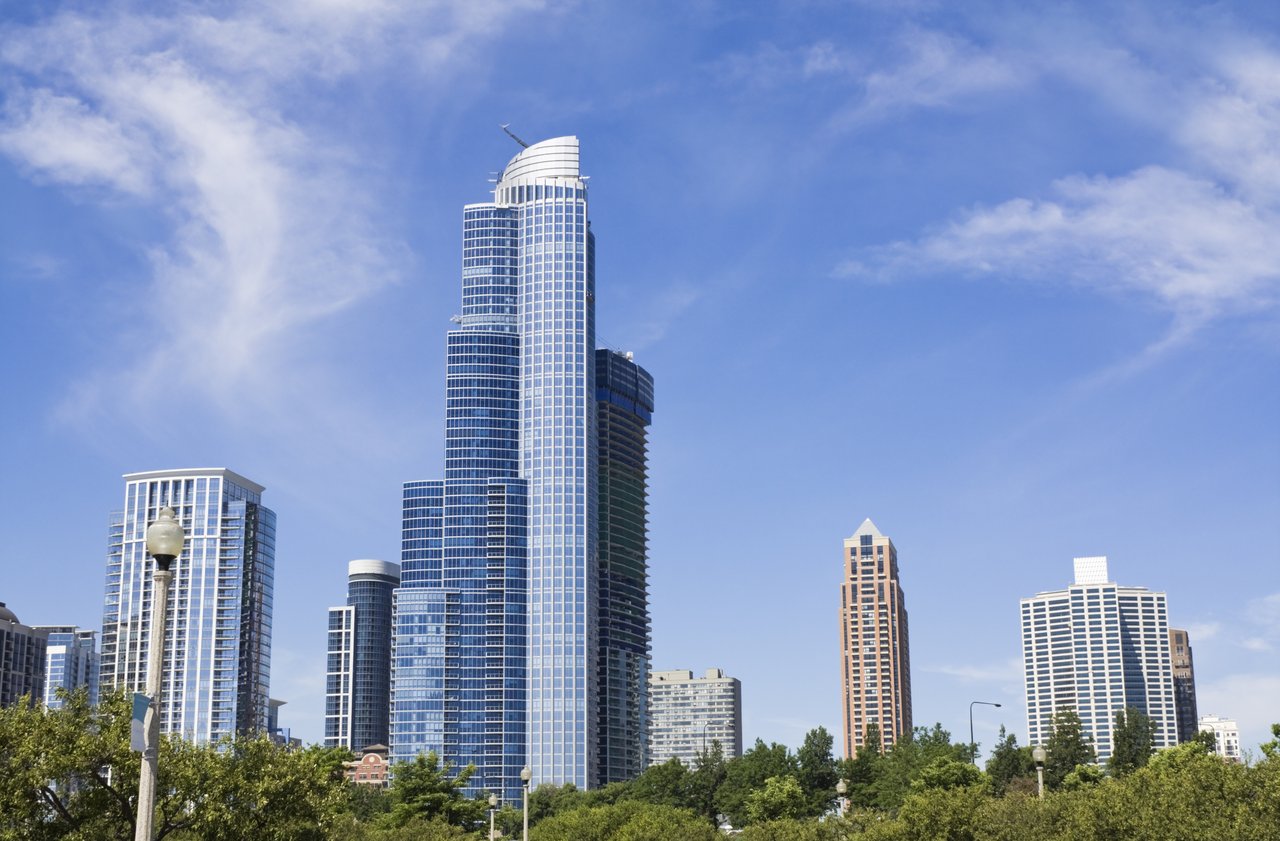
Located just south of downtown Chicago, the South Loop is a vibrant neighborhood known for its modern residential buildings, lakefront parks, and proximity to the city’s cultural institutions. Once an industrial district filled with warehouses and rail yards, the South Loop has transformed into one of Chicago’s fastest-growing residential neighborhoods.
Situated between Downtown Chicago, Chinatown, and Bronzeville, the South Loop offers residents a unique combination of city living, lakefront access, and cultural attractions.
For people considering moving to South Loop Chicago, the neighborhood offers modern condominiums, walkable streets, easy public transit access, and close proximity to downtown Chicago.
The South Loop has played an important role in Chicago’s history. The area was once a hub for railroads and manufacturing, serving as a gateway to the city for travelers arriving by train.
Many of the neighborhood’s historic buildings have been preserved and converted into residential lofts and condominium developments.
The South Loop is also home to several of Chicago’s most important cultural landmarks, including the Field Museum, the Shedd Aquarium, and the Adler Planetarium.
Together, these institutions form part of Chicago’s famous Museum Campus, one of the city’s most popular cultural destinations.
Today, the South Loop combines historic loft buildings with modern high-rise developments, creating a diverse architectural landscape.
Life in the South Loop offers a balance between urban energy and lakefront living.
Residents enjoy easy access to restaurants, cafés, grocery stores, and retail options throughout the neighborhood.
One of the area’s most popular destinations is Grant Park, often referred to as Chicago’s “front yard.”
Grant Park hosts major events including the Lollapalooza Music Festival and the annual Taste of Chicago.
The nearby Chicago Riverwalk also provides scenic walking paths, outdoor dining, and views of the Chicago skyline.
Despite its central location, many South Loop streets maintain a quieter residential feel.
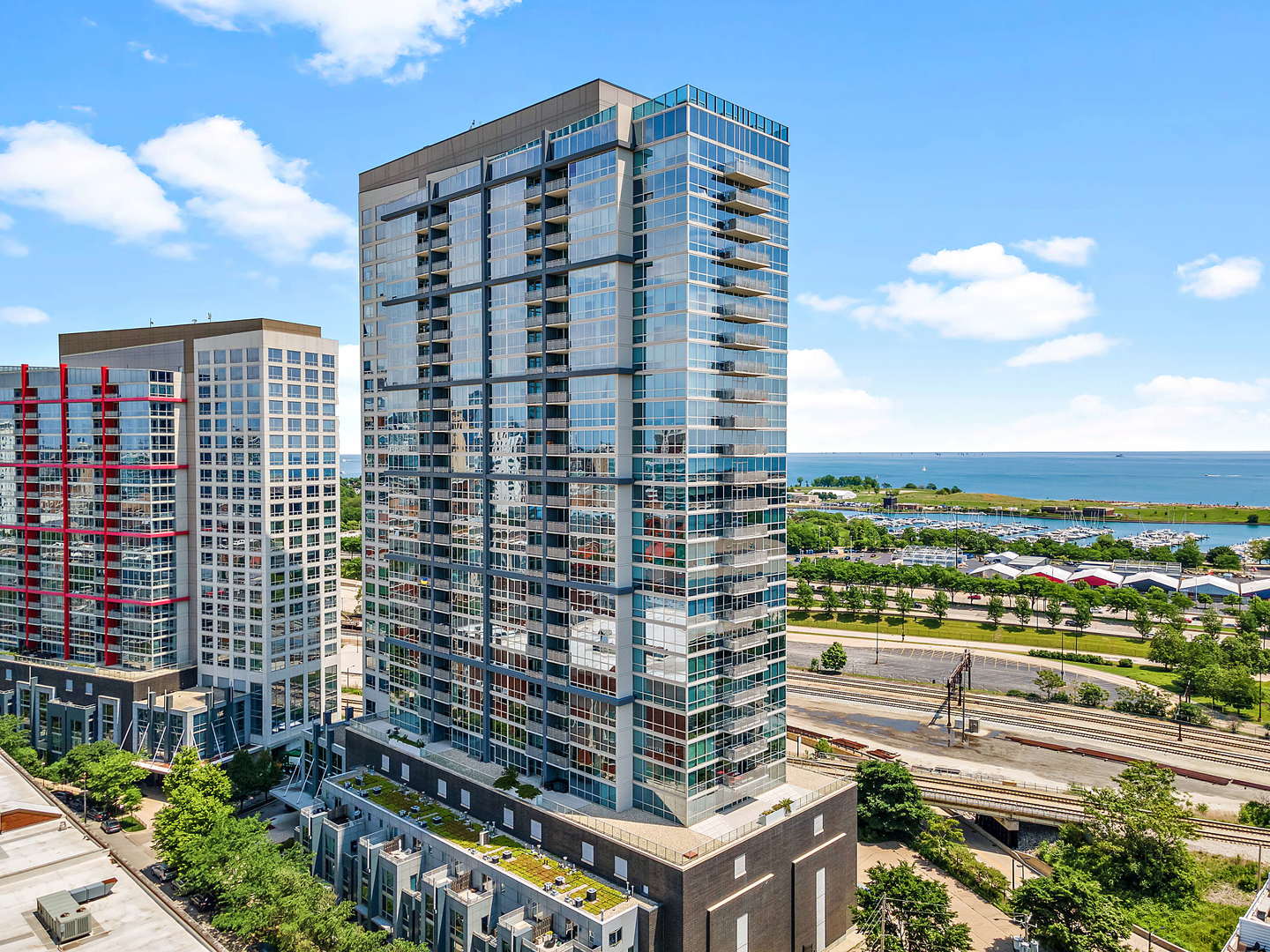
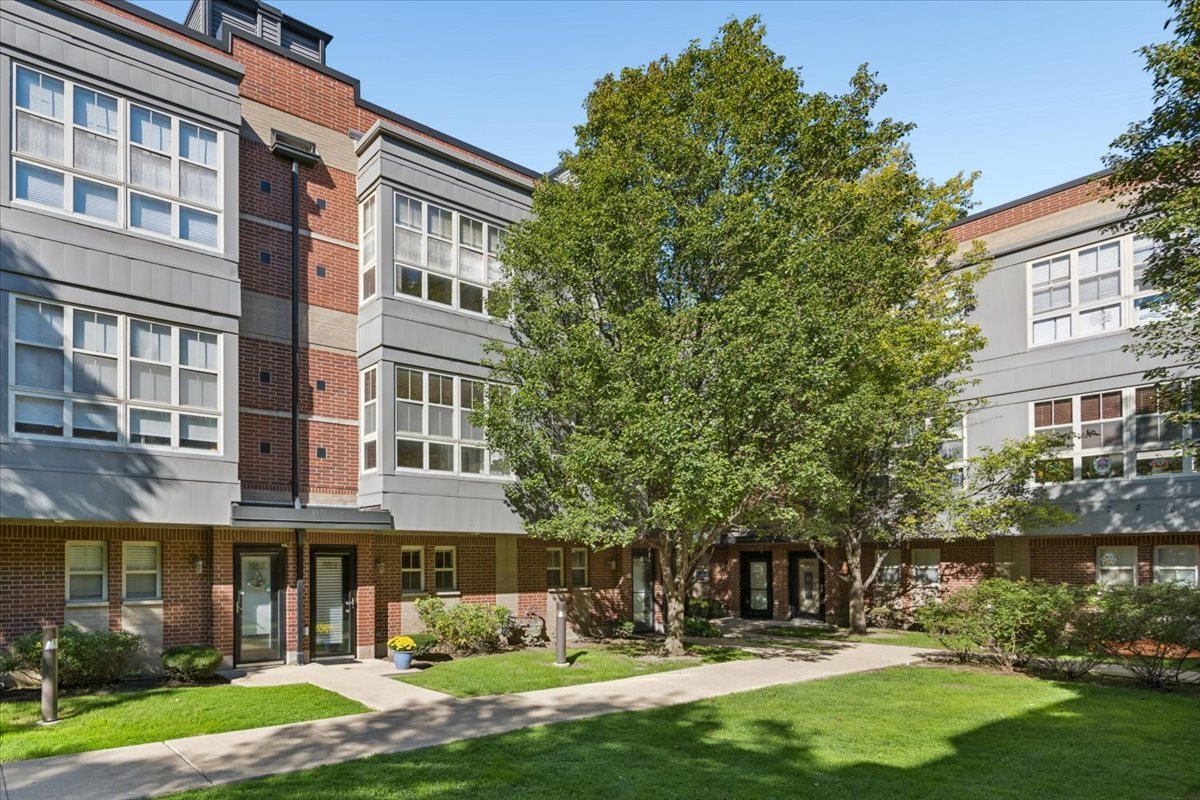
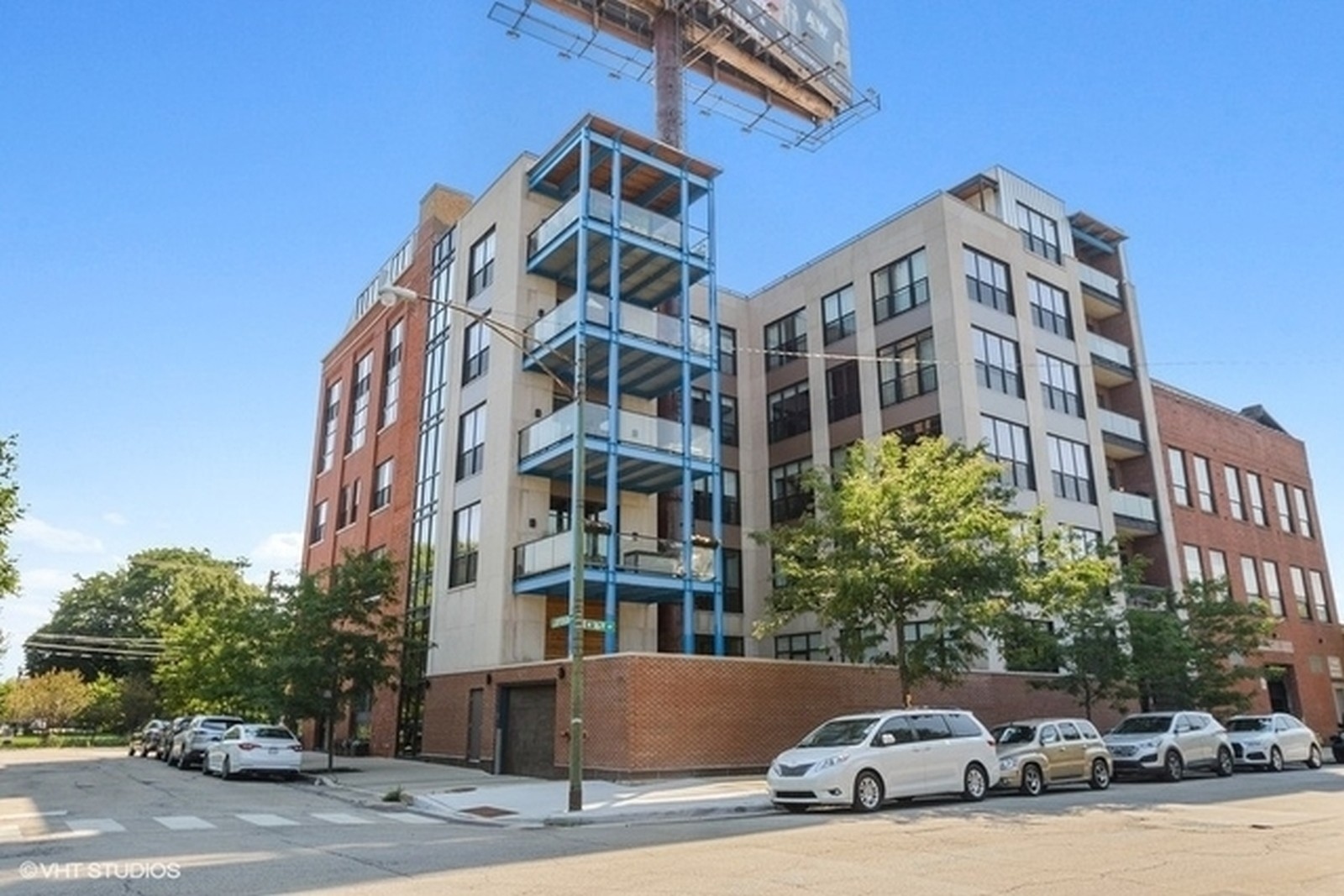
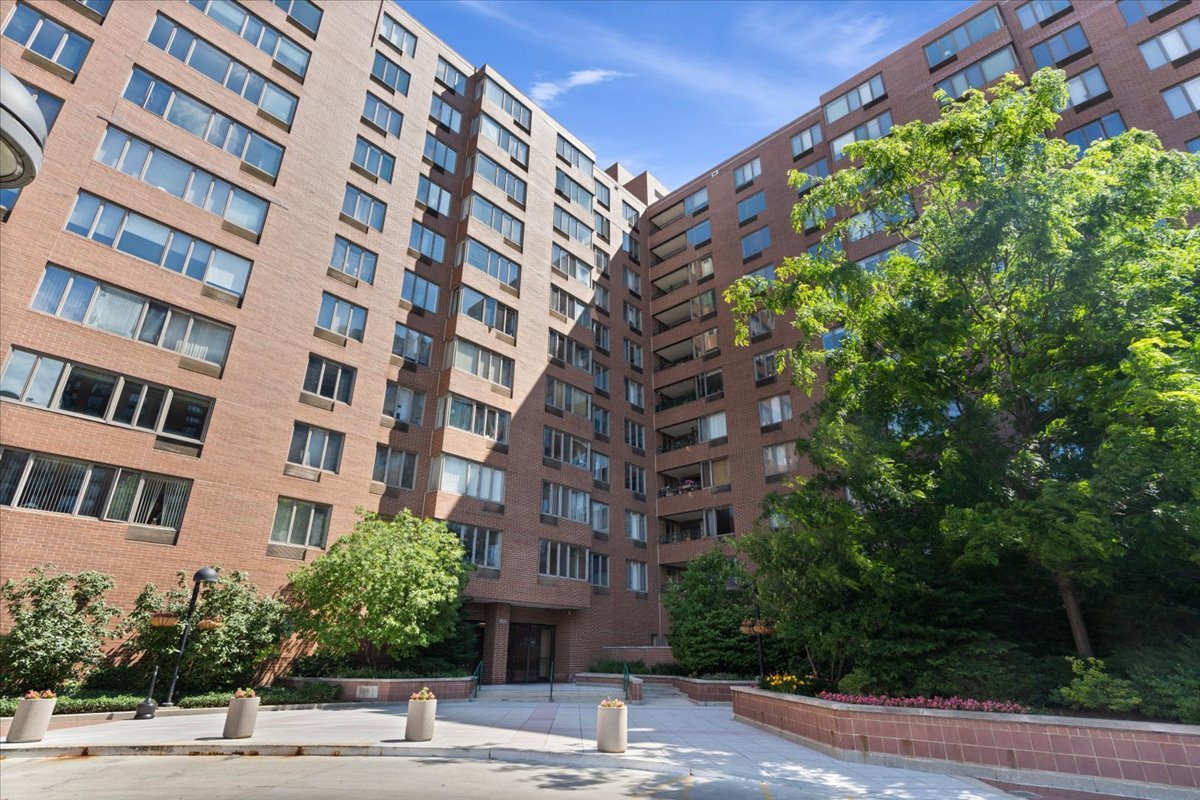
South Loop real estate includes a mix of historic loft conversions and modern high-rise residential buildings.
Common property types include:
• modern high-rise condominiums
• converted warehouse lofts
• mid-rise residential buildings
• luxury residential towers
• townhomes and boutique condo buildings
Many buildings offer amenities such as rooftop terraces, fitness centers, coworking spaces, and 24-hour door staff.
Prices vary depending on building amenities and views. Condominiums often range from the mid $300K range to $1M+, while larger luxury residences may exceed that range.
Buyers interested in South Loop Chicago real estate often include professionals working downtown, first-time buyers, and residents who want lakefront access with convenient city living.
One of the biggest advantages of living in the South Loop is access to Chicago’s lakefront parks and green spaces.
Residents are just steps away from Grant Park and Maggie Daley Park, both offering playgrounds, gardens, and recreational areas.
The nearby Museum Campus connects the Field Museum, Shedd Aquarium, and Adler Planetarium with beautiful lakefront walking paths.
Residents can learn more about local parks and programming through the Chicago Park District.
The nearby Lakefront Trail provides miles of scenic paths for biking, running, and walking along Lake Michigan.
South Loop offers a growing restaurant and retail scene.
Residents enjoy a variety of cafés, restaurants, and neighborhood eateries along Michigan Avenue, Wabash Avenue, and State Street.
The neighborhood is also close to Roosevelt Collection Shops, a retail and entertainment destination featuring restaurants, boutiques, and a movie theater.
Nearby Chinatown offers some of Chicago’s best Asian restaurants and cultural experiences.
Local events and neighborhood initiatives are supported by the South Loop Neighbors Association.
The South Loop offers excellent public transportation options.
Residents can access multiple CTA train lines including the Red Line, Green Line, and Orange Line.
Transit schedules and route information are available through the Chicago Transit Authority.
The neighborhood is also close to Union Station and LaSalle Street Station, providing regional rail service throughout the Chicago area.
Many residents also walk or bike to downtown offices thanks to the neighborhood’s central location.
The South Loop has become increasingly popular with families as the neighborhood continues to grow.
Public school options include South Loop Elementary School, which serves many families living in the area.
Community organizations and neighborhood groups regularly host events, farmers markets, and local initiatives that strengthen the neighborhood’s community spirit.
The neighborhood’s combination of parks, schools, and modern housing developments makes it appealing to a wide range of residents.
South Loop offers a lifestyle that blends city living with lakefront recreation.
Residents are drawn to the neighborhood for its:
• proximity to downtown Chicago
• modern residential developments
• access to Grant Park and the lakefront
• nearby museums and cultural attractions
• convenient public transportation
For buyers looking for modern living with easy access to parks and downtown Chicago, South Loop remains one of the city’s most appealing neighborhoods.
For many buyers relocating to the city, South Loop Chicago offers an ideal combination of location and lifestyle.
The neighborhood attracts professionals, students, and families who want modern housing close to downtown and Chicago’s lakefront parks.
People considering living in South Loop often compare it with nearby neighborhoods such as West Loop, Downtown Chicago, and River North, each offering slightly different residential experiences.
South Loop appeals to buyers who want walkability, lakefront access, and convenient transportation options.
If you're relocating from another city, my Chicago Relocation Guide explains how neighborhoods like South Loop, Lincoln Park, and Lakeview compare when choosing where to live.
Yes. South Loop offers modern residential buildings, lakefront parks, and easy access to downtown Chicago.
Prices vary depending on building amenities and location, but the neighborhood offers a wide range of housing options.
The area includes modern high-rise condos, loft conversions, and townhouse developments.
Yes. Many restaurants, parks, and transit stations are within walking distance.
Grant Park, Maggie Daley Park, and Museum Campus offer extensive green space and lakefront access.
Commuting to the Loop often takes about 5–10 minutes depending on location.
South Loop attracts professionals, students, and families seeking modern city living.
If you're researching other areas of the city, you may also want to explore:
Living in West Loop Chicago
Living in Streeterville Chicago
Living in Near North Chicago
Living in Gold Coast Chicago
Living in Lincoln Park Chicago
If you're considering buying or selling a home in South Loop, having the right local expertise can make a big difference.
I’m Dee Savic, a Chicago real estate broker with Baird & Warner, and I’ve spent more than 20 years helping buyers and sellers across Chicago navigate the local market.
Whether you're exploring homes in South Loop Chicago, relocating to the city, or preparing to sell your property, I’d be happy to help you understand the market and make confident decisions.
Feel free to reach out if you'd like guidance or have questions about the South Loop real estate market.
48,722 people live in SOUTH LOOP, where the median age is 37 and the average individual income is $82,468. Data provided by the U.S. Census Bureau.
Total Population
Median Age
Population Density Population Density This is the number of people per square mile in a neighborhood.
Average individual Income
SOUTH LOOP has 27,700 households, with an average household size of 2. Data provided by the U.S. Census Bureau. Here’s what the people living in SOUTH LOOP do for work — and how long it takes them to get there. Data provided by the U.S. Census Bureau. 48,722 people call SOUTH LOOP home. The population density is 48,969 and the largest age group is Data provided by the U.S. Census Bureau.
Total Population
Population Density Population Density This is the number of people per square mile in a neighborhood.
Median Age
Men vs Women
Population by Age Group
0-9 Years
10-17 Years
18-24 Years
25-64 Years
65-74 Years
75+ Years
Education Level
Total Households
Average Household Size
Average individual Income
Households with Children
With Children:
Without Children:
Marital Status
Blue vs White Collar Workers
Blue Collar:
White Collar:
I'm Dee Savic, your trusted Chicago real estate expert, and I'm here to guide you through your relocation journey. Discover why Chicago is the perfect city for you; from its diverse neighborhoods to its cultural vibrancy, Chicago offers an unmatched urban experience. Together, we'll find a community and home that fits your lifestyle and aspirations.