
Are you thinking about selling an older home in Chicago? You don't have to renovate everything before putting it on the market. What matters is knowing which issues buyers and inspectors will focus on, understanding what repairs might cost, and deciding what makes sense before you list.
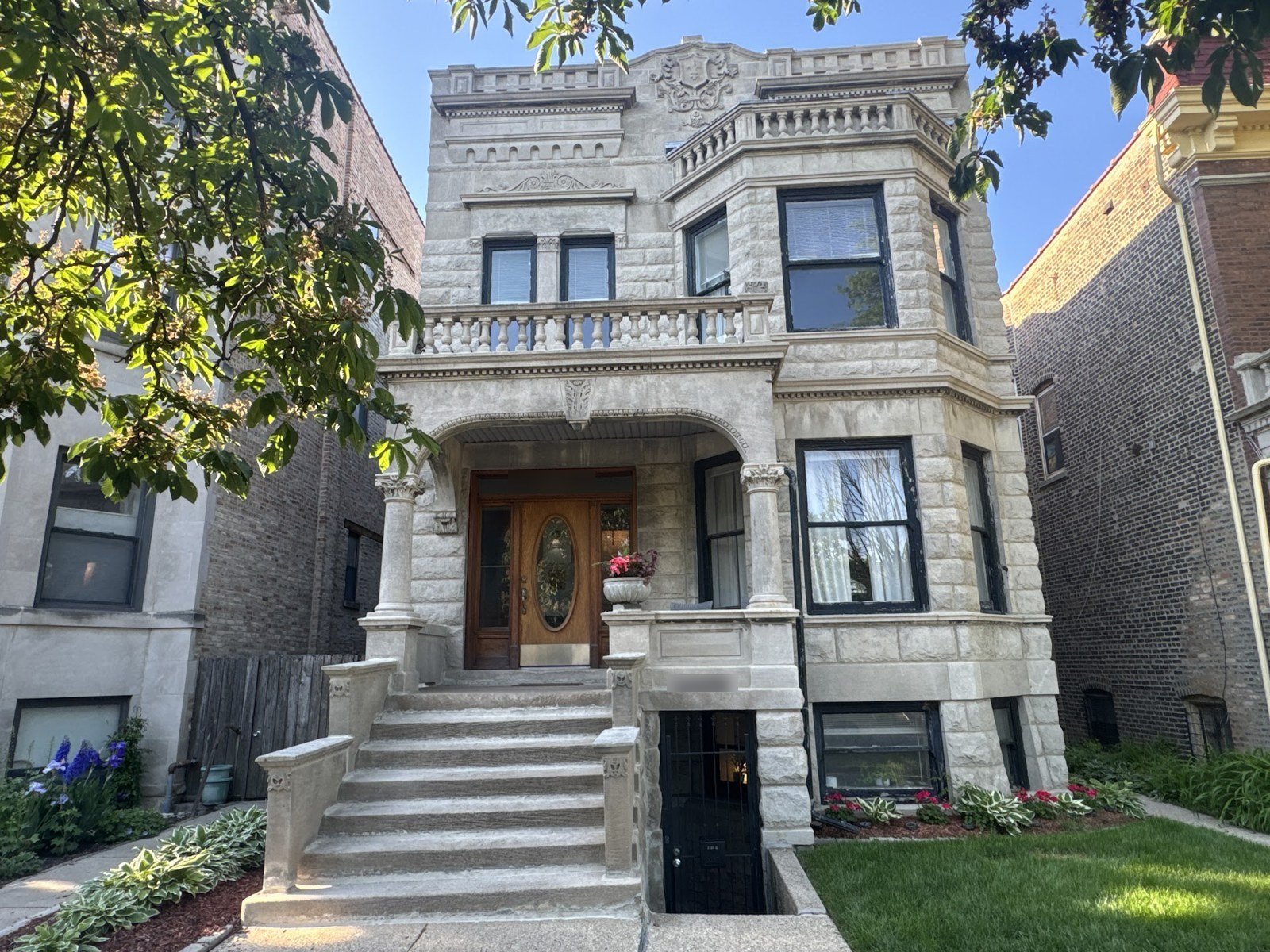
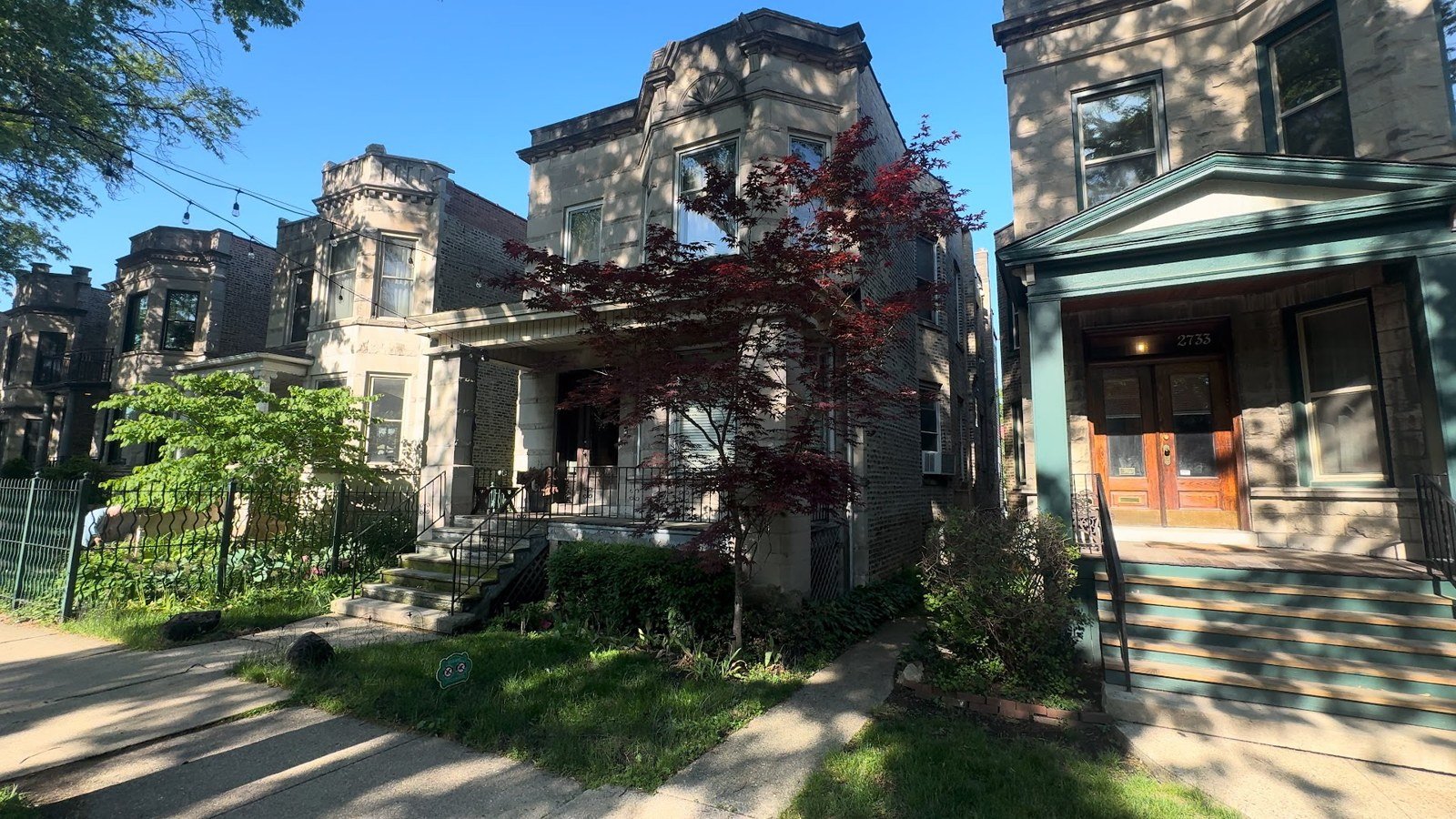
And you're certainly not alone. About 4 out of 10 Chicago homes were built before 1940, according to CMAP's Chicago Housing Profile. Buyers love these homes for their original woodwork, tall ceilings, stone fronts and built-ins that nobody makes anymore.
But here's something I want you to understand as a seller. Buyers can love everything about your home and still get nervous when they see a long inspection report. And with a home that's been standing for 100 years, there's usually quite a bit for an inspector to look at.
When I work with buyers, I walk them through what to look for in a vintage Chicago home. When I work with sellers, I use that same knowledge to help them prepare. I'd much rather you know about a potential issue before a buyer discovers it, when you have time to get answers and decide what to do, instead of negotiating under pressure during attorney review.
So let's go through the nine areas buyers and inspectors pay attention to, what might raise concerns, and what I recommend you do before selling your vintage Chicago home.
The short answer:
Chicago has an incredible collection of vintage homes. After the fires of 1871 and 1874, the city rebuilt in brick and stone, then grew rapidly from the 1890s through the 1920s.
But not every vintage Chicago home is brick. You'll also find older frame homes in almost every neighborhood across the city, on the North, West and South Sides.
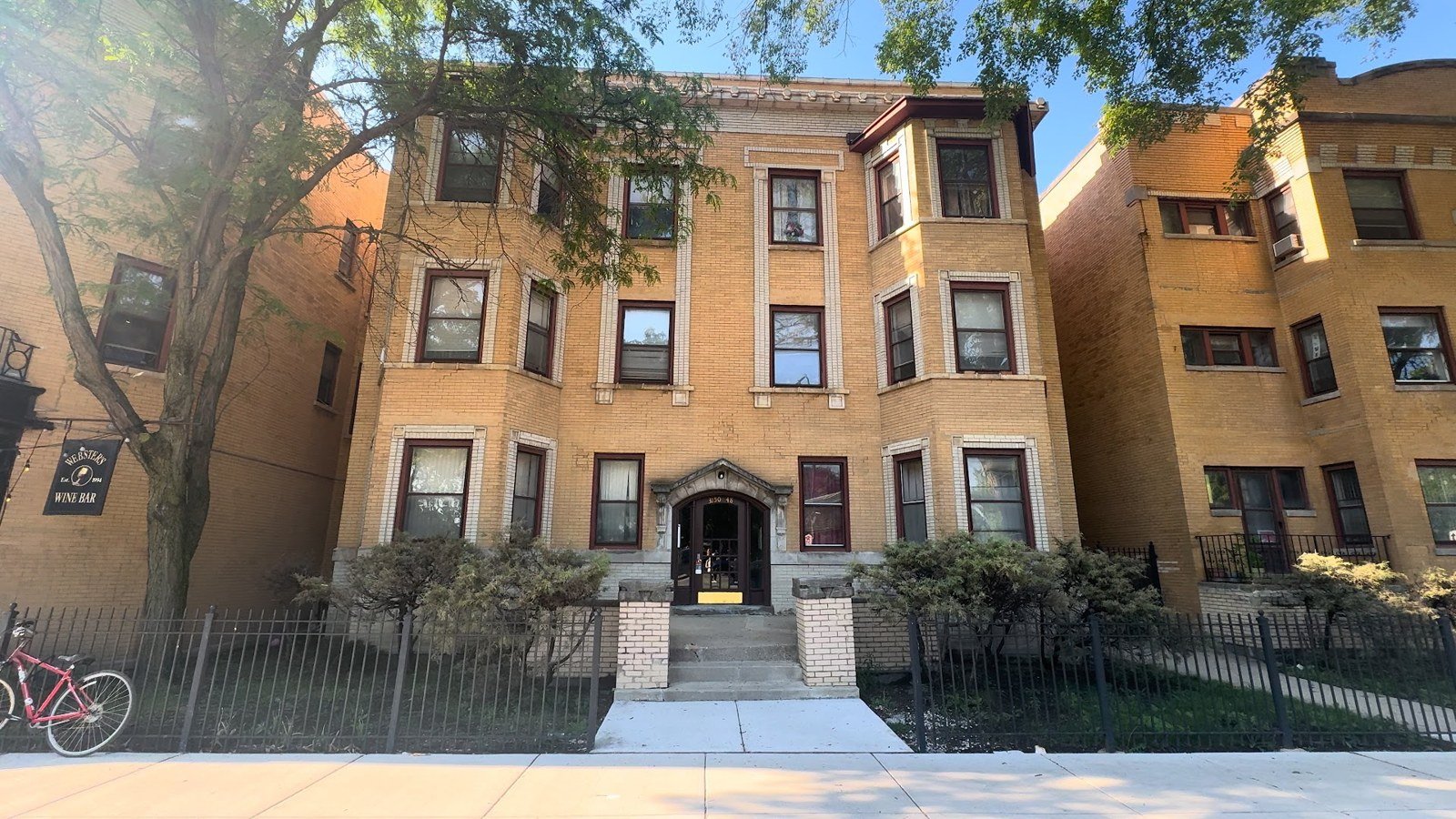
That's where so many of our greystones, two-flats, workers cottages and bungalows come from. You'll find them throughout Logan Square, Lakeview, Lincoln Square, Ravenswood and North Center.
Some of these homes have already had major improvements, including updated electrical systems, plumbing and roofs. Others still have original systems behind the walls. And many have a combination of both.
If a buyer is coming from a city where a house built in the 1990s is considered vintage, a Chicago inspection report can be quite a surprise.
But a long inspection report doesn't automatically mean your home is in poor condition. It simply means the inspector has a lot to evaluate, and the buyer wants to understand what they're purchasing.
Here's what matters to you: The more you know about your home's condition before listing, the better prepared you'll be to answer questions, explain past improvements and negotiate with actual information instead of guesses.
These are nine areas I pay close attention to when helping buyers evaluate vintage Chicago properties. If you're selling, they're also the areas I recommend reviewing before your home goes on the market.
One of the first things buyers notice about a Chicago greystone or brick two-flat is the masonry. It's also one of the areas inspectors examine closely.
After decades of Chicago winters, the mortar between bricks can deteriorate. Water gets into the joints, freezes, expands and gradually pushes the mortar out.
The repair is called tuckpointing, and depending on the amount of work needed, it can be a significant expense. Buyers are often told to watch for missing mortar or mortar that's soft enough to scratch out with a key.
What I recommend: If you've already had tuckpointing done, find the invoice and keep it with your other home improvement records. If you suspect more work is needed, get a written quote from a masonry contractor before listing.
That doesn't mean you necessarily have to do the work. But knowing the actual cost puts you in a much better position if a buyer raises concerns during inspection.
Unlike houses with traditional shingle roofs, most Chicago two-flats and greystones have flat roofs. These roofs tend to have a shorter lifespan in our weather, so buyers will want to know when yours was installed.
Inspectors also pay attention to the parapet walls. Those are the brick walls that extend above the roofline, and because they're exposed to weather on multiple sides, they're often among the first areas where masonry deterioration shows up.
Loose bricks, deteriorating mortar or signs of water getting through can quickly become inspection concerns.
What I recommend: Gather whatever roof documentation you have, including the installation date, contractor invoice and any warranty information.
Telling a buyer the roof is "newer" doesn't answer the question they're really asking. They want to know how old it is, what's been done and whether there's any warranty left.
And if you know the roof or parapet needs work, getting a professional opinion and quote before listing gives you options.
Basement water is something Chicago buyers take seriously, and for good reason. Our city is flat, and during heavy storms, the sewer system can back up through basement floor drains in homes without protection.
Inspectors look for signs of previous water problems. Fresh paint along the bottom of basement walls, water marks on stored boxes or a dehumidifier that appears to run constantly can all lead to questions.
Buyers may also ask whether your home has an overhead sewer, a backflow valve, or a working sump pump with battery backup. And they'll want to know whether the basement has ever experienced flooding or water intrusion.
Another common inspection request is a sewer scope. That's when a camera is run through the main sewer line from the house toward the street to look for cracked clay pipe, tree roots or other problems.
What I recommend: Consider ordering a sewer scope before listing. It usually costs a few hundred dollars, and it can be helpful to know what you're dealing with before a buyer orders one.
If something needs attention, you have time to get quotes and consider your options.
I had this happen just this week with buyers who were under contract on a vintage Chicago two-flat. The basement had taken in water in September. The seller had it repaired and didn't think it needed to be mentioned on the disclosure form. But during a showing, we noticed brand-new baseboards in the basement, even though the walls hadn't been painted.
It wasn't until the buyers' attorney asked about it during attorney review that we learned about the water. And that's where things changed. My buyers felt like something had been hidden from them. The water itself wasn't necessarily the dealbreaker. The bigger concern was that we couldn't tell whether the repairs had been done properly or whether they'd actually solved the problem. There hadn't been any heavy rain since the repair, and the seller wasn't giving us much information.
My buyers asked for a credit. The seller refused, and the deal fell apart. Had the seller disclosed the water issue and the repair from the beginning, my buyers would have made their offer knowing what had happened. Instead, they were left wondering what else they didn't know.
And if your basement has ever had water, be upfront about it. My advice is always to over-disclose rather than under-disclose. Here is my post on what Illinois sellers must disclose.
Buyers may be more comfortable with a problem that's been explained than one they feel they're discovering for the first time.
Yes, and this is one of the areas I want sellers to take seriously before listing.
In homes from this era, inspectors may find original cloth-covered wiring running through ceramic knobs, known as knob and tube wiring. They may also find fuse boxes instead of circuit breakers, or electrical service that isn't large enough for modern appliances and central air conditioning.
Two electrical panel brands inspectors specifically flag are Federal Pacific and Zinsco.
But here's why this matters beyond the inspection itself.
If your buyer is financing the purchase, they'll need homeowner's insurance to close. Some insurance companies decline homes with knob and tube wiring or require replacement soon after closing.
Now imagine finding that out just a couple of weeks before closing, when everyone is expecting the transaction to move forward.
That's not when you want to be scrambling for an electrician or trying to negotiate a major expense.
What I recommend: If you know or suspect that your home has original wiring, have a licensed electrician evaluate it before you list and provide a written quote for any recommended work.
Then we can discuss the options. You may decide to update the wiring, offer a credit, or price the home with that condition in mind.
There's no automatic right answer. But identifying a possible insurance issue before accepting an offer can help you avoid a much bigger problem later.
Absolutely, especially in vintage Chicago homes.
Inside the house, inspectors look for galvanized steel pipes. Over time, rust can build up inside these pipes, narrowing the opening and reducing water pressure.
Outside the house, buyers are increasingly asking about the water service line. That's the pipe that brings water from the street into your home.
Chicago has more than 400,000 lead water service lines, more than any other city in the country. So this is a question sellers should be prepared to answer.
What I recommend: Find out what your water service line is made of before buyers start asking.
The City of Chicago provides an address lookup and information about replacement programs through Lead Safe Chicago. A plumber can also usually identify the pipe material where it enters the house in just a few minutes.
If you've already replaced the service line or upgraded the plumbing, gather the documentation. Buyers appreciate knowing exactly what was done.
This comes up frequently in vintage Chicago basements.
Inspectors may point out thick white or gray insulation wrapped around heating pipes, or 9-inch square floor tiles with black adhesive underneath. Materials like these, especially those installed before about 1980, can contain asbestos.
Hearing that word can make a buyer nervous. But finding a material that may contain asbestos doesn't automatically mean there's an emergency or that it needs to be removed immediately.
When asbestos-containing material is intact and undisturbed, it's generally not an emergency. The bigger concern often comes when someone wants to renovate or remove it.
What I recommend: Don't start tearing out suspected asbestos-containing materials yourself just because you're preparing to sell.
If buyers ask questions, be clear about what you know, where the material is located and what condition it's in. Don't present something as confirmed asbestos unless it has actually been identified.
If a buyer is planning to finish the basement or make improvements that would disturb the material, they may want an estimate for professional removal. Having that information available can make the conversation easier.
Yes, and this is especially important if you're selling a two-flat or three-flat.
Those wooden back porches aren't just outdoor living spaces. They're also the building's second means of exit, which is why the City of Chicago takes their construction and safety seriously.
After a porch collapse in Lincoln Park killed 13 people in 2003, Chicago tightened its porch rules. Today, inspectors pay close attention to the structural supports, railings and connections.
And this is one of those repairs that can become expensive very quickly.
Bringing a porch up to code can cost tens of thousands of dollars, which is a significant amount of money to discover in the middle of a transaction.
What I recommend: If you own a two-flat or three-flat, check whether there are any open building violations associated with your address before listing.
If the porch hasn't been evaluated in years, consider having a qualified professional inspect it. You don't necessarily have to replace it before selling, but you should understand its condition and the potential cost of any required work.
There are other things to consider when selling a multi-unit property, too. I cover those in my post on selling a Chicago two-flat.
They can, although not necessarily in the way you might expect.
Many buyers love radiator heat. It's quiet, the heat is even, and it's part of the character of a vintage Chicago home.
But homes with radiators often don't have ductwork, which can mean there's no central air conditioning. Buyers will notice that, especially if they're touring your home in July.
That doesn't mean you should automatically install central air before selling. It's simply something we should consider when discussing your pricing, your competition and what buyers in your neighborhood expect.
There's another consideration if your property is located in a Chicago Landmark district.
For example, homes in the Logan Square Boulevards District may need approval for certain exterior changes, including windows, doors and stonework.
What I recommend: If your property is in a landmark district, make sure buyers understand that early in the process.
Some buyers will appreciate the architectural protections. Others may want to know how those rules could affect future improvements. Clear information helps everyone make a more informed decision.
Very often, particularly when a vintage home has undergone significant improvements.
Buyers and their attorneys may ask whether previous work was permitted, especially basement build-outs, additional bathrooms and decks.
Work completed without permits can raise questions about whether it was done correctly. It's also one of the reasons I've seen buyers offer less for a property.
What I recommend: If you've made improvements, gather the permits and any supporting documentation you have.
If you're not sure whether certain work was permitted, we can look into it before listing. That way, we're not trying to figure it out after a buyer has already raised the question.
For more examples of concerns that influence offers, read my post on what makes buyers offer less on a Chicago home.
Frame homes have a lot of charm, and buyers who love them really love them. But inspectors look at a few things differently. They check the siding, including what might be under newer siding, and whether paint is peeling. They look for wood rot around windows, sills, porches and the bottom of the siding. They check for signs of termites or other wood-destroying insects, and they look at the foundation and floors for settling.
If your home was built before 1978, federal law also requires you to give buyers a lead-based paint disclosure and an EPA pamphlet. That applies to any home that old, brick or frame, but buyers of frame homes often ask about paint first.
What I recommend: Take care of peeling paint and any soft or rotted wood you can see before you list. Gather records for siding, paint or exterior work. And if you've ever had termite treatment, have the paperwork ready.
This is usually the biggest question sellers have once we start identifying potential issues.
And my answer is that it depends. The condition of your home, the cost of the work, your timeline and the competition in your neighborhood all matter.
Sometimes making a repair before listing is the smartest move. Other times, getting an estimate and letting the buyer handle the work makes more sense.
And if a home needs several major improvements, selling it as-is at a price that reflects its condition may be worth considering.
My job is to explain the options, show you the numbers and give you my recommendation. You decide which approach works for you.
Situation | What often makes sense | Why |
|---|---|---|
Small, visible repairs | Fix before listing | Cracked tiles, loose railings and stains make buyers wonder what else is wrong. |
Big systems (wiring, roof, masonry, porch) | Get a written quote before listing | Buyers tend to guess high. A real number keeps the negotiation grounded. |
Items the buyer will want done their way | Credit at closing | Many buyers prefer to hire their own contractor after closing. |
Many projects, or a home that needs a full update | Price it in and consider selling as-is | Saves you months of work and lets the price do the talking. |
One thing I always want sellers to remember is that spending money on a repair doesn't automatically mean you'll get that money back in the sale price.
That's why I recommend looking at the cost, how the issue might affect buyer interest, and what comparable homes in your neighborhood are selling for before committing to major work.
If you're considering a bigger renovation, my post on whether you should renovate or sell as-is in Chicago walks through the financial considerations.
Finding something during an inspection doesn't automatically mean your sale is in trouble.
In a typical Chicago real estate transaction, after the contract is signed, the buyer has a short inspection period and the attorneys have an attorney review period, usually about five business days.
During that time, the buyer's attorney may submit requests for repairs or a credit based on the inspection findings. What the buyer can request, and what options are available to either party, depends on the terms of the contract, including any as-is provisions.
As the seller, you don't automatically have to agree to every request. You can discuss the options with your attorney and your agent, then decide how you want to respond.
And this is where preparation can make a real difference.
If we already have the roof installation date, a sewer scope, an electrician's quote and the renovation permits, we're in a much better position to respond with information rather than speculation.
Maybe the inspector flags the roof, but you have documentation showing when it was replaced. Or the buyer raises a concern about wiring, and you've already obtained a professional estimate.
That doesn't guarantee there won't be negotiations. But it gives us a clearer starting point and can help keep the discussion focused on the actual condition and costs.
If you'd like to understand how the rest of the transaction works, I explain it in what happens after you accept an offer in Chicago.
For many vintage Chicago homes, I think a pre-listing inspection is worth considering. It gives you a chance to find out what a buyer's inspector may discover while you still have time to decide how to handle it.
That doesn't mean I recommend ordering every possible inspection or making every repair before selling.
It means we can identify which questions are most likely to come up and whether getting additional information would help you prepare.
There is one important tradeoff to understand. If an inspection reveals a material defect, that information may create a disclosure obligation.
That's something we should discuss before ordering an inspection, not afterward. My preference is to have the information available so we can address known concerns openly and accurately.
And remember, you don't necessarily need a full inspection to start.
If you want to focus on specific areas, I'd look first at the ones that can create serious concerns later in a transaction:
Once we know what we're dealing with, we can discuss whether to repair, disclose, obtain estimates, adjust the asking price or leave the work for the next owner.
It's your home and your decision. I want you to have enough information to make that decision confidently.
Selling a vintage Chicago home takes more than putting beautiful photos online and choosing an asking price.
You need to understand what makes your property appealing, what buyers may question, and how to handle those conversations when they come up.
I've been helping people buy and sell homes in Chicago for more than 24 years. That experience helps me recognize concerns early, explain your options and guide you through the decisions that come with selling.
And when you hire me, you work with me directly, from the first walk-through to the closing table.
Not necessarily. About 4 out of 10 Chicago homes were built before 1940, so vintage homes are a familiar part of our housing market. Many buyers actively look for their architectural character, original woodwork and historic details.
What matters is the home's condition, pricing and how well you prepare for buyer questions. Knowing about potential inspection concerns before listing can help make the sale smoother.
No. An inspection report doesn't automatically require you to repair every item. Depending on your contract, the buyer may request repairs or a credit, and you can decide how to respond.
Sometimes making a repair makes sense. Other times, a credit or a price that reflects the home's condition may be a better option. The contract terms, cost and circumstances matter.
Yes, but it's important to understand the potential complications. Some insurance companies decline homes with knob and tube wiring or require it to be replaced, which can affect a buyer's ability to obtain insurance and close on a mortgage.
I recommend having an electrician evaluate the wiring and provide a written quote before listing. Then you can decide whether to update it, offer a credit or account for the condition in your asking price.
The Illinois seller disclosure form asks about flooding and leakage in the basement. If your basement has experienced water intrusion, it's important to answer the disclosure questions accurately.
My advice is to over-disclose rather than under-disclose. Explain what happened, what was done about it and what you know about the current condition. Buyers generally appreciate clear answers more than surprises.
It's often worth considering. A sewer scope usually costs a few hundred dollars and can identify issues such as cracked clay pipes or tree roots in the main sewer line.
If a problem is found before listing, you'll have time to get quotes and decide how you want to handle it. That's generally easier than learning about the problem during a buyer's inspection period.
The City of Chicago provides an address lookup and information about replacement programs through Lead Safe Chicago.
A plumber can also usually identify the material where the water service line enters your home in a few minutes. Knowing the answer before listing makes it easier to respond when buyers ask.
If you're considering selling your older Chicago home, here's what I'd suggest before you start spending money on improvements.
Let's walk through the property together and look at it from a buyer's perspective. We can talk about what makes your home special, what questions might come up during an inspection, and whether there are repairs worth addressing before you list.
We'll also look at what comparable homes in your neighborhood have sold for and what your property could realistically sell for in its current condition.
You may find that making a few repairs is worthwhile. Or you may decide you'd rather sell as-is and let the next owner handle the improvements.
Either way, I want you to understand your options before making that decision.
You can start with a free home value review or schedule a time to talk. You can also call or text me at 773.719.0989.
Dee Savic is a Chicago Realtor® with Baird & Warner. She has more than 24 years of real estate experience, has lived in Chicago for more than 27 years, and has closed more than 300 transactions. She helps sellers, buyers, downsizers and relocation clients across Chicago, including Lakeview, Lincoln Park, Lincoln Square, Ravenswood, North Center, Roscoe Village, Andersonville, Uptown, Bucktown, Wicker Park, Logan Square and the Gold Coast.
Dee Savic
Realtor® | Baird & Warner
4553 N. Lincoln Ave, Chicago, IL 60625
773.719.0989
[email protected]
deesavic.com

Buyer Guides
Size, the Blue Line, daily life and six months of MLS prices for condos and houses

Buyer Guides
The boulevards, the Blue Line, the homes, and what condos and houses really sell for
Sellers
The nine things inspectors check in a vintage Chicago home, and what to do before you list

Local Events
Times, gates, closures, transit and how to do both in one night
Seller Advice
12 months of MLS condo and house sales, and what they mean for sellers

Seller's Advice
How much Chicago homeowners have gained, and what it can mean for your next move

Buying
Neighborhoods, getting around without a car, parking and dibs, winter, the real cost, schools, lead pipes, and property taxes, from a local since 1998

Seller Advice
What 12 months of MLS sales show for Logan Square condo and house sellers

Seller's Advice
A day-by-day checklist from a Chicago listing agent, one small step at a time
I'm Dee Savic, your trusted Chicago real estate expert, and I'm here to guide you through your relocation journey. Discover why Chicago is the perfect city for you; from its diverse neighborhoods to its cultural vibrancy, Chicago offers an unmatched urban experience. Together, we'll find a community and home that fits your lifestyle and aspirations.