

What makes buyers offer less on a Chicago home? Buyers offer less when they see a cost or a risk they didn't expect, or when the price doesn't match what they see. The most common reasons are signs of water, visible wear, smells, dark or cluttered rooms, work done without permits, and a price set above recent sales. Most of them can be fixed, explained, or priced in before you list.
Most sellers think buyers knock money off because a home isn't new. In my experience, that is rarely the reason. Buyers pay well for vintage Chicago homes every week. What makes them lower their offer is doubt: something they can't explain, so they assume the worst and subtract for it.
When I searched the MLS for my post on whether to renovate or sell as-is in Chicago, more than half (57%) of the older North Side houses (built before 1990) that sold as-is in 2026 went over their asking price, compared with 49% of all single-family houses. Those homes needed work, and buyers knew it. They still competed for them.
The difference was that the price matched the condition, and the buyers knew what they were getting. The homes that lose money are often the ones in between: they look finished in the photos, but a stain, a smell, or an inspection report tells the buyer a different story.
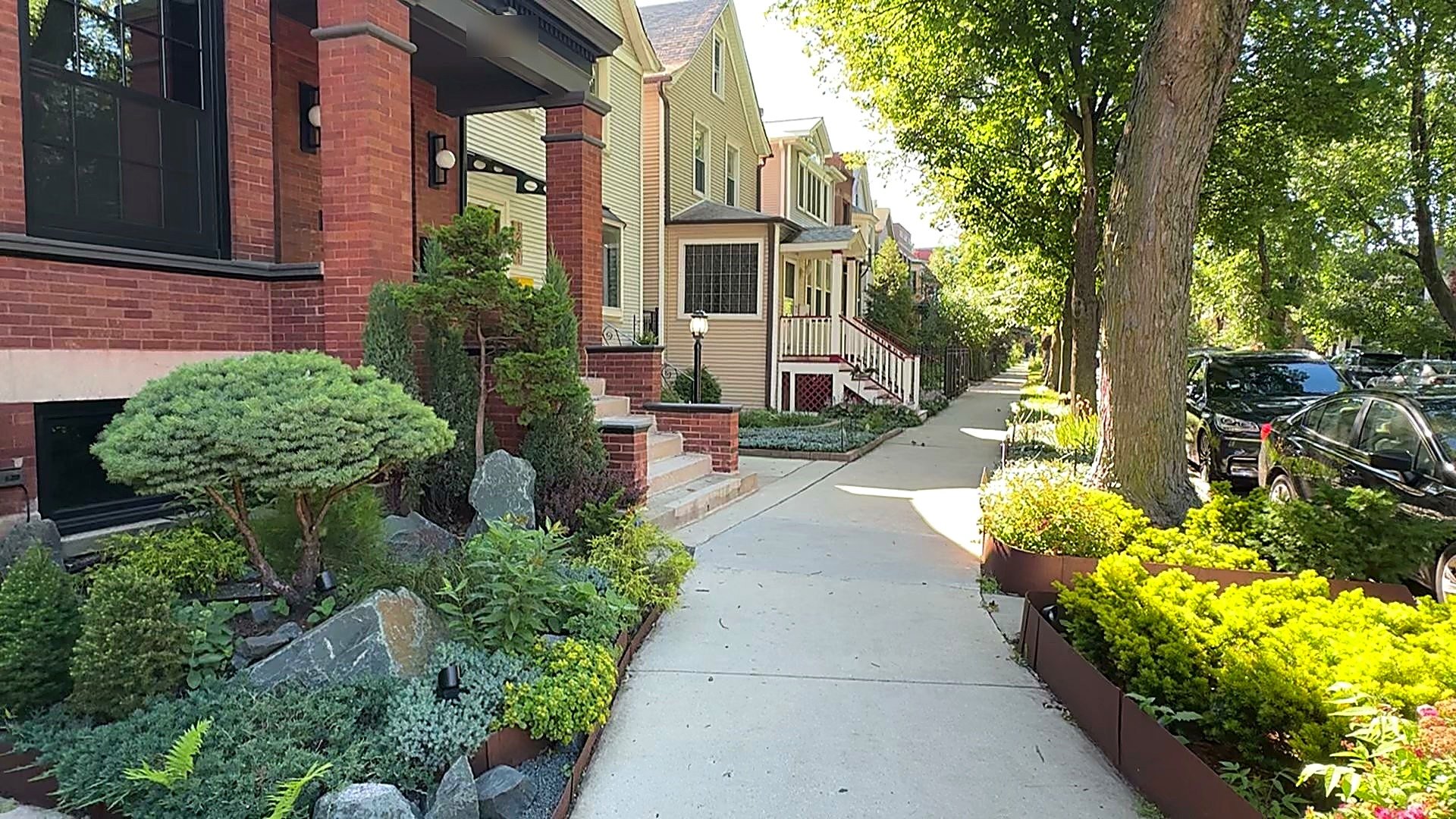
A buyer standing in your basement doesn't know if a water stain is an old problem that was fixed or a new one that is still happening. They don't know if the furnace has two years left or ten. When they can't tell, they price in the worst case.
That is why a small issue can turn into a much bigger request after the inspection. The buyer isn't only paying for the repair. They are paying for the risk that it is worse than it looks. The best way to protect your price is to remove that doubt before buyers ever walk in.
This is the one that costs sellers the most. Buyers and their agents compare your home to recent sales on the same block or in the same building. If the price is high for what the home offers, the best buyers skip it, and the home sits. After a few weeks, buyers start to wonder what is wrong with it, and the offers that do come in are lower. My post on how to price your Chicago home to sell shows how I set the price with recent sales.
Water is the word that worries Chicago buyers most. A stain on a basement wall, a musty smell, a dehumidifier running in the corner, or efflorescence (the white, chalky lines on brick and concrete) all tell a buyer that water may be getting in. Before you list, find out where the water came from, fix the source if you can, and keep the receipts. Simple steps like clearing gutters and pointing downspouts away from the house can help, and a buyer who sees the paperwork worries much less.
A dripping faucet, a cracked outlet cover, a sticking door, peeling paint, loose railings, and worn caulk around the tub are cheap to fix. Left alone, they tell buyers that bigger things may have been put off too. On brick homes and two-flats, buyers also look at the mortar between the bricks and at the condition of back porches and stairs.
The roof, the furnace or boiler, the water heater, and the air conditioning are the most expensive things in a home to replace. Buyers ask how old they are. If you know the ages and have service records, share them. A furnace that is 18 years old but serviced every fall feels very different to a buyer than one with no history at all.
Pets, smoke, cooking, and dampness are the hardest things to hide and the easiest for buyers to remember. Buyers often assume a smell is in the floors and walls, and they subtract for new flooring and paint. A deep clean, fresh air, and fixing the source make a real difference.
Most buyers see your home online before they see it in person. Dark rooms and full shelves make a home look smaller in the photos than it really is. Open the blinds, add brighter bulbs, and take out about a third of the furniture and personal items. That costs very little and changes how buyers feel about the price.
A finished basement, a new deck, or a moved wall can raise questions if there is no permit for it. In Chicago, most of this work needs a building permit from the City of Chicago. The buyer's attorney may ask about it, and some buyers worry about safety, insurance, or the cost of making it right. If you have the permits, have them ready. If you don't, talk with your attorney and with me before you list, so it doesn't come up as a surprise during the sale.
Condo buyers buy the building as well as the unit. A special assessment, a small reserve fund, or building repairs that have been put off can lower what buyers offer, even for a beautiful unit. Know what is coming before you list, and plan how to explain it. My posts on Chicago condo special assessments and condo association fees cover what buyers look for.
Some things lower offers no matter how well you prepare the home. You can't change them before you list. What you can do is price for them, so buyers see a fair deal instead of a problem.
An awkward floor plan. A bedroom you walk through to reach another one, or a kitchen closed off from everything. Staging and a floor plan in the listing help buyers see how the space can work.
Not much natural light. A home close to the wall of the building next door, a condo on a low floor, or a place with only a few windows. I plan the photos for the time of day the home gets its best light.
A view of an alley, a wall, or the train tracks. Buyers compare it to homes with better views, so the price has to reflect that. The marketing then leads with what the home does best.
A home that needs a full update. If the work needed is close to what a buyer could spend on a home that is already done, they will do the math. Priced to leave room for the work, these homes still sell well, as the numbers at the top of this post show.
Not every problem is worth fixing. The goal is to remove the things buyers subtract the most for, at the lowest cost to you. This is how I usually look at it with my sellers:
What to do | Examples | Why |
|---|---|---|
Fix before listing | Small repairs, paint touch-ups, bulbs, caulk, gutters and downspouts, a deep clean | Low cost, and buyers notice them first |
Fix, or get a quote ready | Active leaks, safety issues, a system that isn't working | A real quote stops buyers from guessing high |
Show the paperwork | Ages of the roof and mechanicals, service records, permits, receipts for past repairs | Records turn doubt into facts |
Usually leave | Full kitchen or bath remodels, new additions, style choices like countertops | Buyers often want to choose these, and you rarely get the cost back |
My post on whether you should renovate before selling your home in Chicago goes deeper on which updates pay off.
A pre-listing inspection shows you what the buyer's inspector will likely find, while you still have time to fix it or get quotes. It can make the sale smoother, and some sellers share the report with buyers to build trust.
There is one thing to know first. In Illinois, sellers fill out a disclosure report about problems they know of. Once an inspection tells you about a material defect, you know about it, so it needs to be disclosed. That isn't a reason to avoid an inspection. It is a reason to decide, before you schedule one, how you will handle what it finds. Your real estate attorney can tell you what applies to your home. My post on whether you need a real estate attorney to sell a home in Chicago explains their role.
Before we list, I walk through the home with you and point out the things buyers will notice. Then we decide together what to fix, what to show with paperwork, and what to leave, based on what it costs and what it is worth to buyers. I also do a staging consultation with you, and my photographer creates a floor plan for the listing.
When work is needed, I bring in the trades and coordinate them. For one seller who lived out of state, I hired the flooring installer and the painter, and the trades who replaced the lights, plumbing fixtures, and door hardware, and made sure each job was finished before the photographer arrived. My post on selling your Chicago home from out of state tells that story.
I also show every one of my listings in person. I hear what buyers say in the room, so if something is holding back offers, we know about it in days, not weeks. And when the appraiser comes, I meet them at the home with the recent sales that support your price. You can read what my sellers say about the process on my testimonials page.
When you choose who will prepare and price your home, look for numbers you can check. Here are mine:
You work with me directly, from the first walk-through to the closing table.
A price set above recent sales costs sellers the most, because the home sits and buyers start to wonder what is wrong with it. After that, signs of water, visible wear, smells, and work done without permits are the most common reasons buyers offer less.
It often does. Clutter makes rooms look smaller in photos and in person, and buyers may assume the home has not been cared for. Taking out about a third of the furniture and personal items is one of the cheapest ways to protect your price.
Small, visible repairs are usually better fixed before you list. For bigger items, having a real quote ready often works better than waiting for the buyer to guess, because buyers tend to guess high.
Yes. Most Illinois home sellers must complete the Residential Real Property Disclosure Report, which asks about known material defects such as water in the basement, roof leaks, and problems with the heating, plumbing, or electrical systems. My post on what Illinois sellers must disclose to buyers walks through it. You can read the full disclosure form in Illinois law. Ask your real estate attorney what applies to your sale.
It can. The first weeks bring the most buyers. When a home sits, buyers wonder why, and they often offer less. That is why pricing it right from the first day matters more than any repair.
Yes. Many vintage Chicago homes sell as-is, and many sold over asking in 2026. The key is a price that matches the condition. My post on whether to renovate or sell as-is shows the numbers.
If you want to know what buyers will notice in your home, and what is worth fixing before you list, I can help. I will walk through it with you, show you the recent sales near you, and give you a clear plan.
Start with a free home value review, or schedule a complimentary consultation here. You can also start with my free Chicago Home Seller Course, or call or text me directly at 773.719.0989.
Dee Savic is a Chicago Realtor® with Baird & Warner, a 24+ year real estate professional, and a 27+ year Chicago resident with 300+ closed transactions. She helps buyers, sellers, downsizers, and relocation clients across Chicago, including Lakeview, Lincoln Park, Lincoln Square, Ravenswood, North Center, Roscoe Village, Andersonville, Uptown, Bucktown, Wicker Park, and the Gold Coast.

Dee Savic
Realtor® | Baird & Warner
4553 N. Lincoln Ave, Chicago, IL 60625
773.719.0989
[email protected]
deesavic.com

Seller's Advice
How much Chicago homeowners have gained, and what it can mean for your next move

Buying
Neighborhoods, getting around without a car, parking and dibs, winter, the real cost, schools, lead pipes, and property taxes, from a local since 1998

Seller Advice
What 12 months of MLS sales show for Logan Square condo and house sellers

Seller's Advice
A day-by-day checklist from a Chicago listing agent, one small step at a time

Relocation
ZooLights, Christkindlmarket, the Lights Festival, free museum days and new spots, with dates and prices

Chicago Market
What North Side 2-4 unit buildings sold for, who buys them, and how to handle tenants

Selling
What 12 months of MLS sales show for condos, vintage houses and new construction

Selling
Attorney review, inspection, appraisal, closing paperwork and moving out, step by step
Selling
My room-by-room checklist for listing photos, video and 3D tours
I'm Dee Savic, your trusted Chicago real estate expert, and I'm here to guide you through your relocation journey. Discover why Chicago is the perfect city for you; from its diverse neighborhoods to its cultural vibrancy, Chicago offers an unmatched urban experience. Together, we'll find a community and home that fits your lifestyle and aspirations.