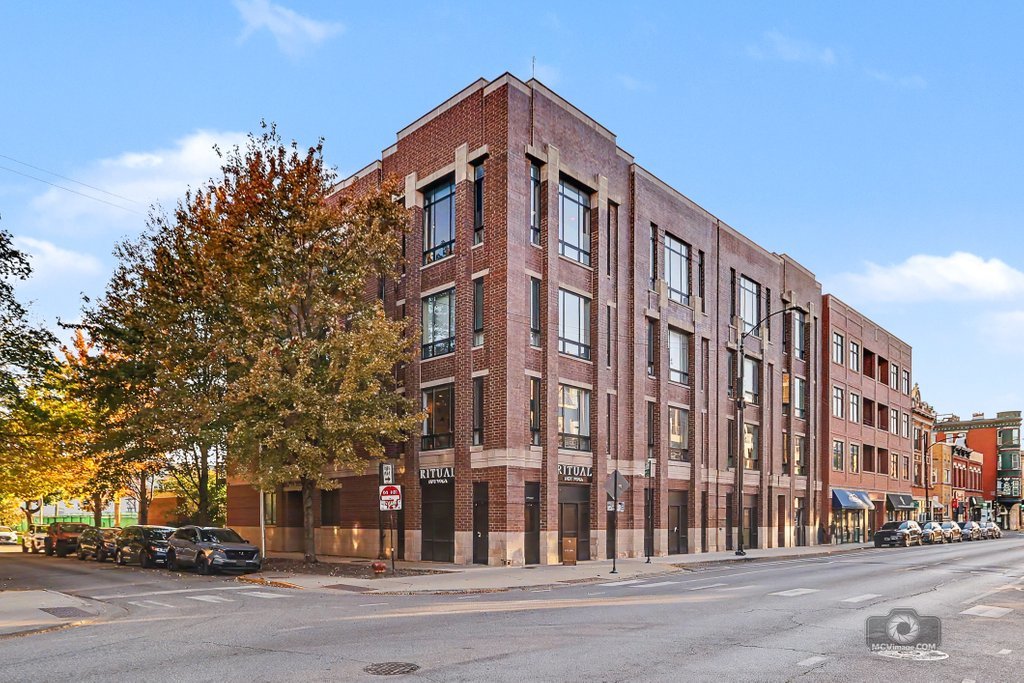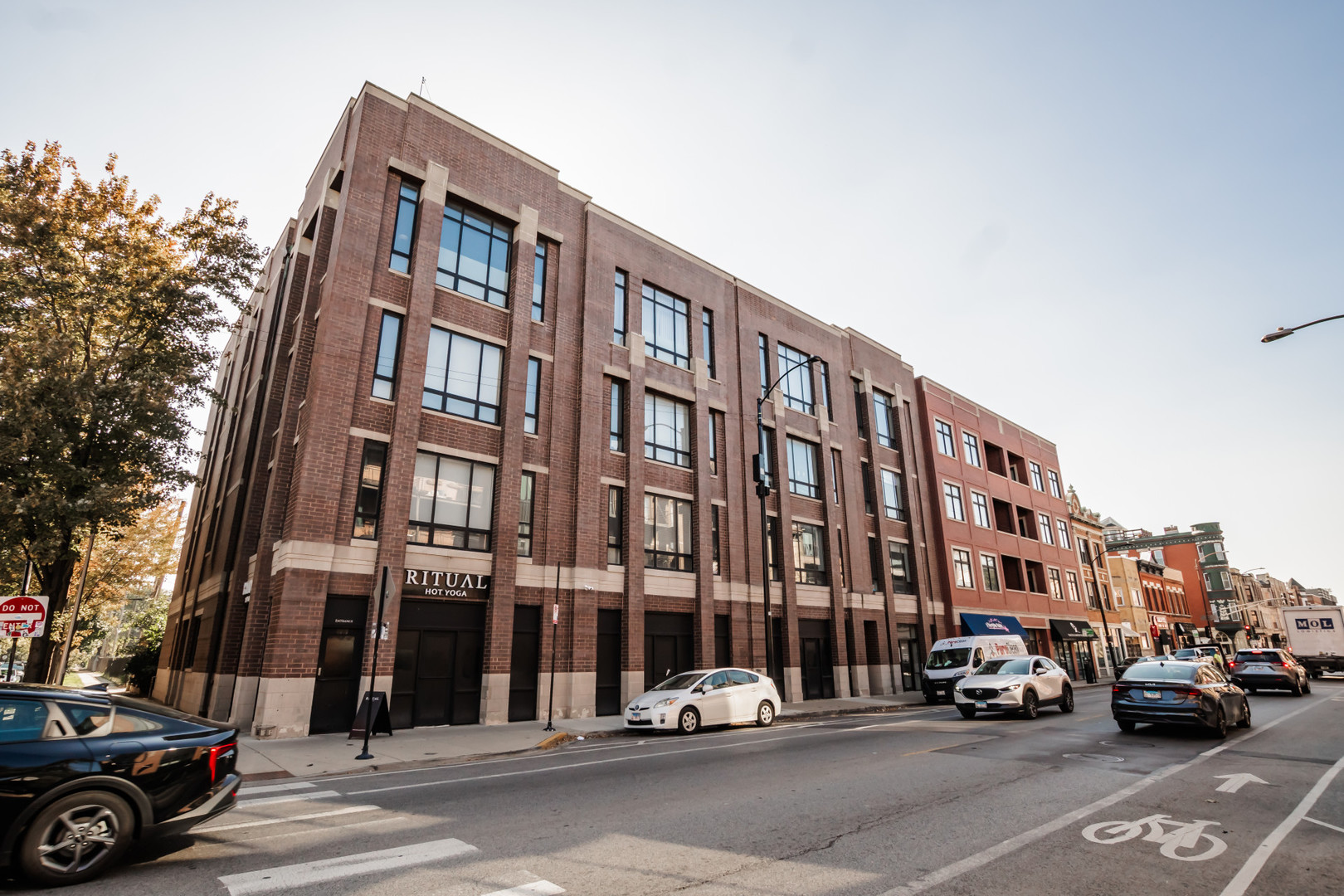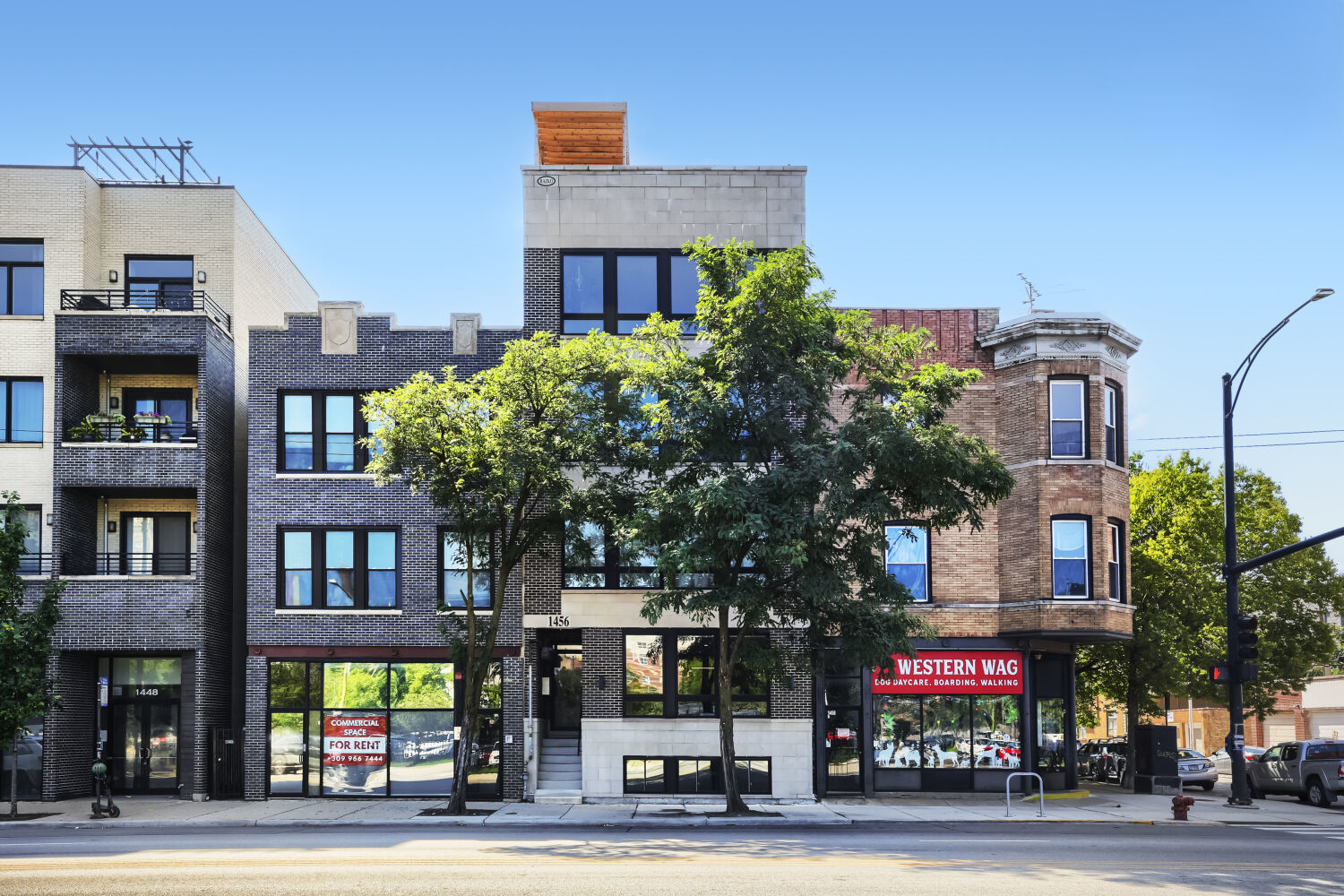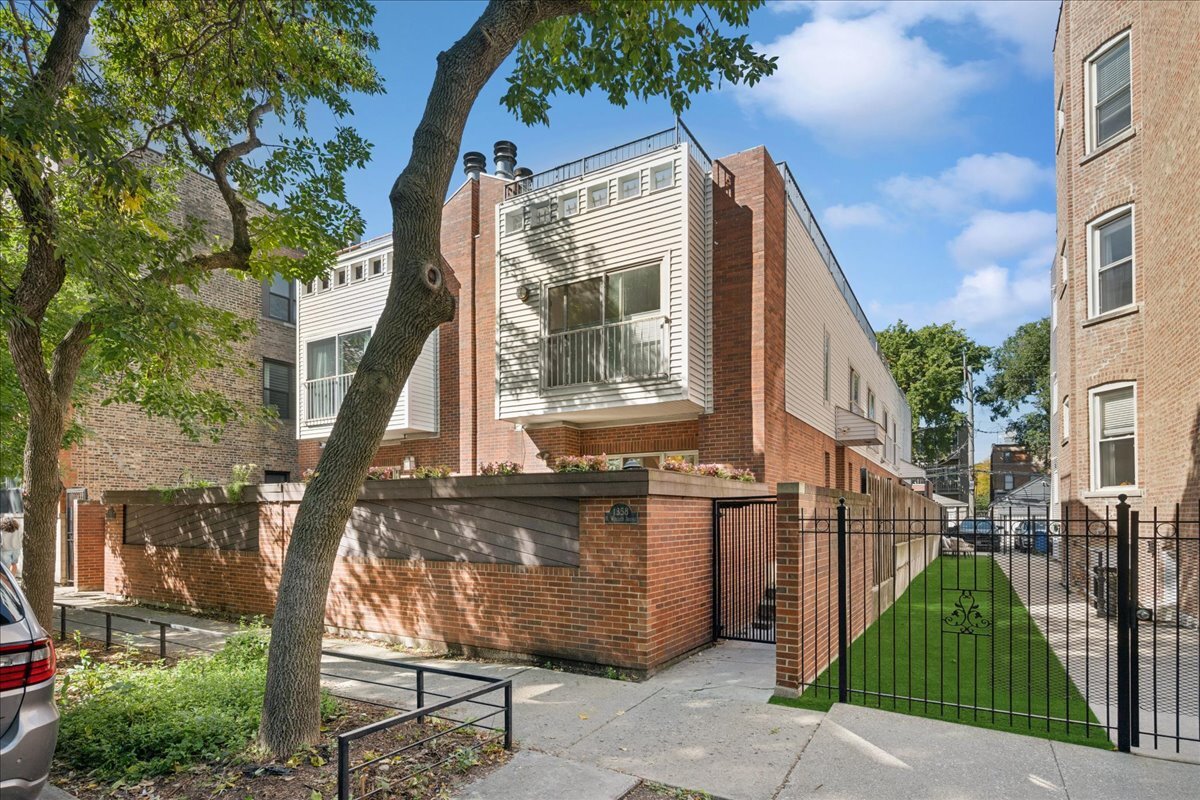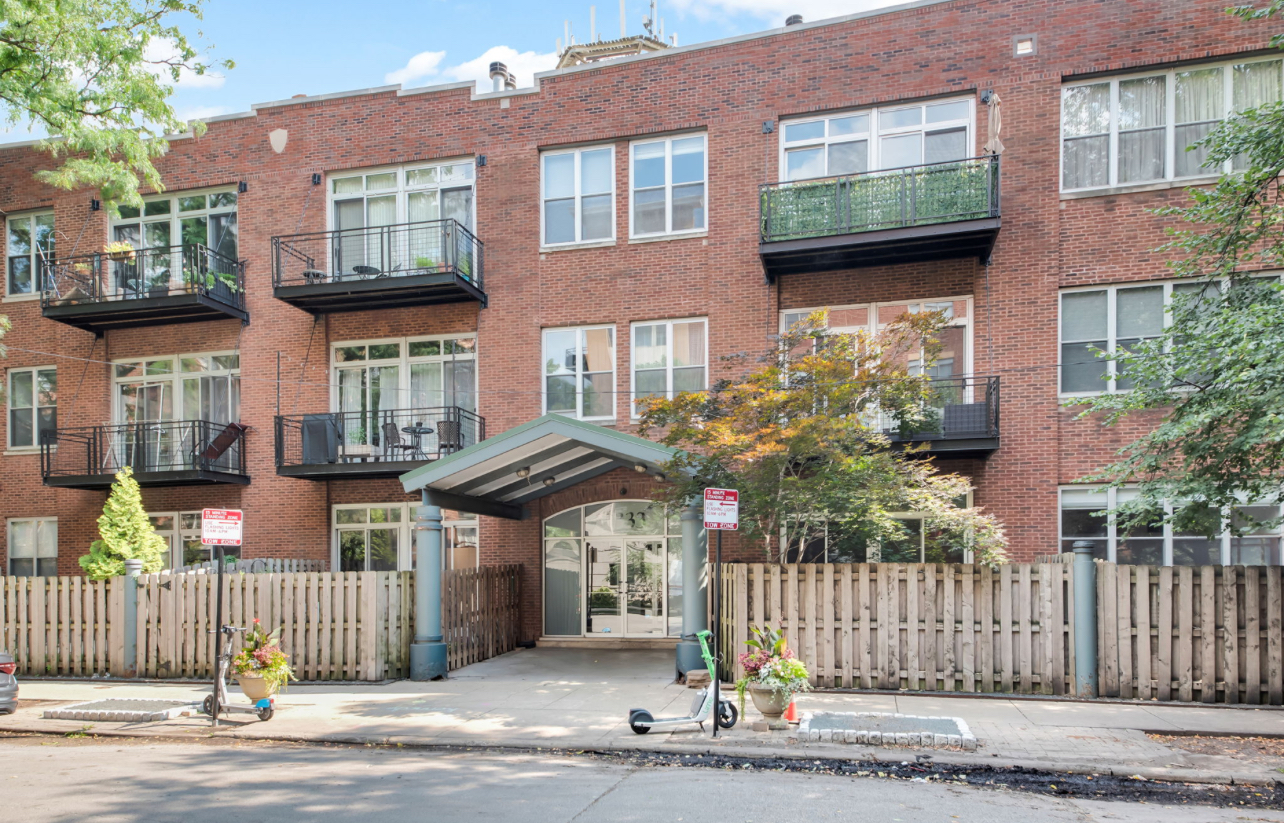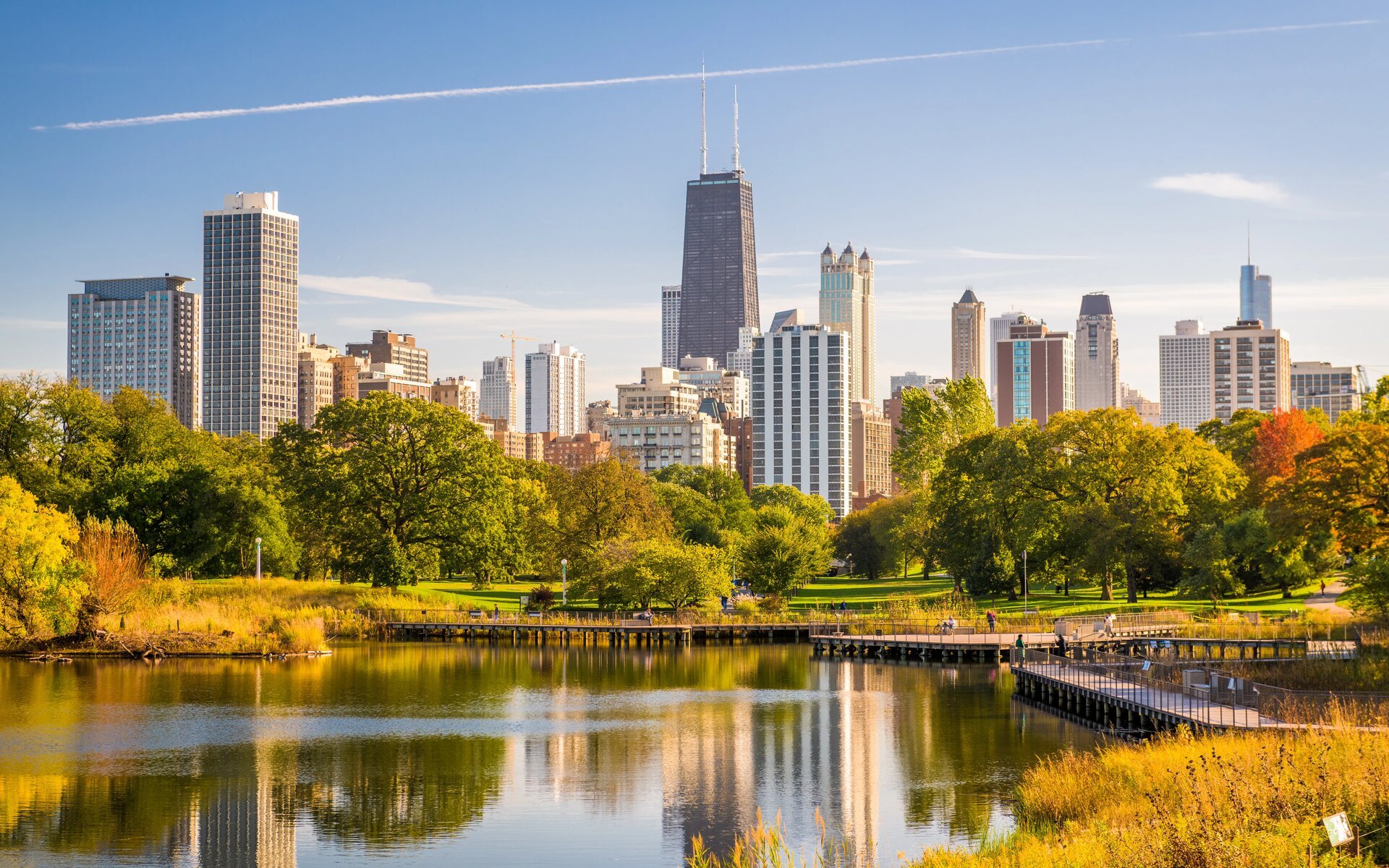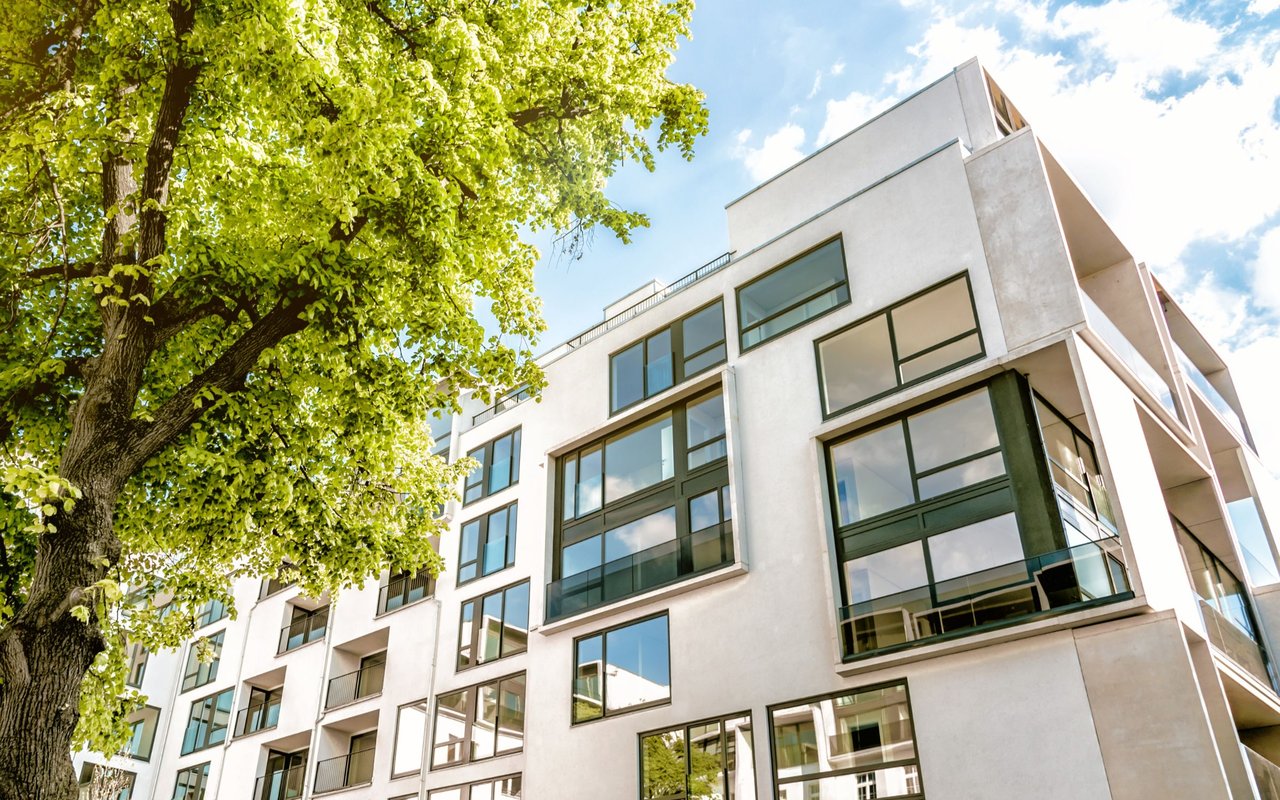
Wicker Park is one of Chicago’s most vibrant neighborhoods, known for its historic architecture, lively arts scene, independent boutiques, and popular restaurants along Milwaukee Avenue. Residents enjoy excellent public transit, nearby parks, and quick access to downtown Chicago via the CTA Blue Line.
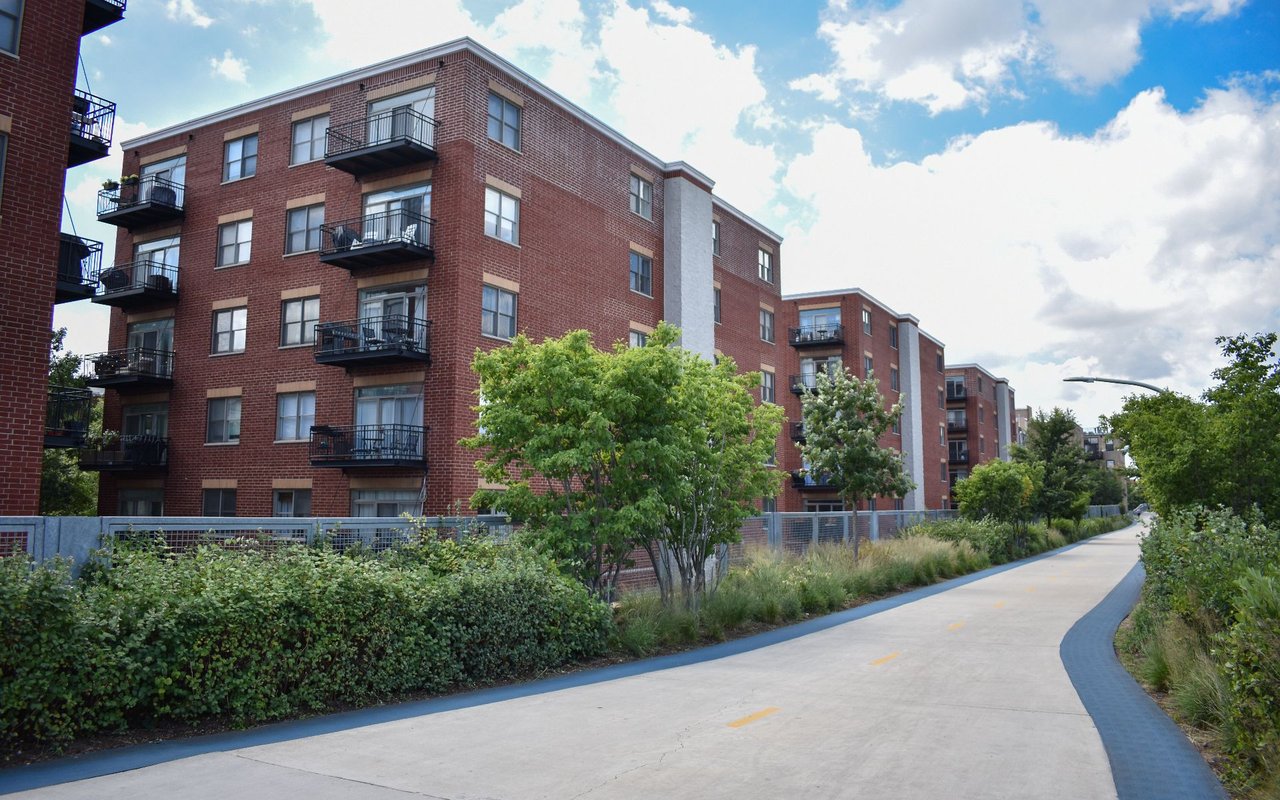
Located just northwest of downtown Chicago, Wicker Park is one of the city’s most vibrant and creative neighborhoods. Known for its historic architecture, lively arts scene, and walkable commercial streets, Wicker Park offers a unique mix of culture, nightlife, and residential charm.
Situated near Bucktown, Logan Square, and Ukrainian Village, the neighborhood has become one of Chicago’s most sought-after areas for young professionals, creatives, and urban homeowners.
For people considering moving to Wicker Park Chicago, the neighborhood offers an energetic lifestyle with excellent dining, independent boutiques, and convenient transit access to downtown Chicago.
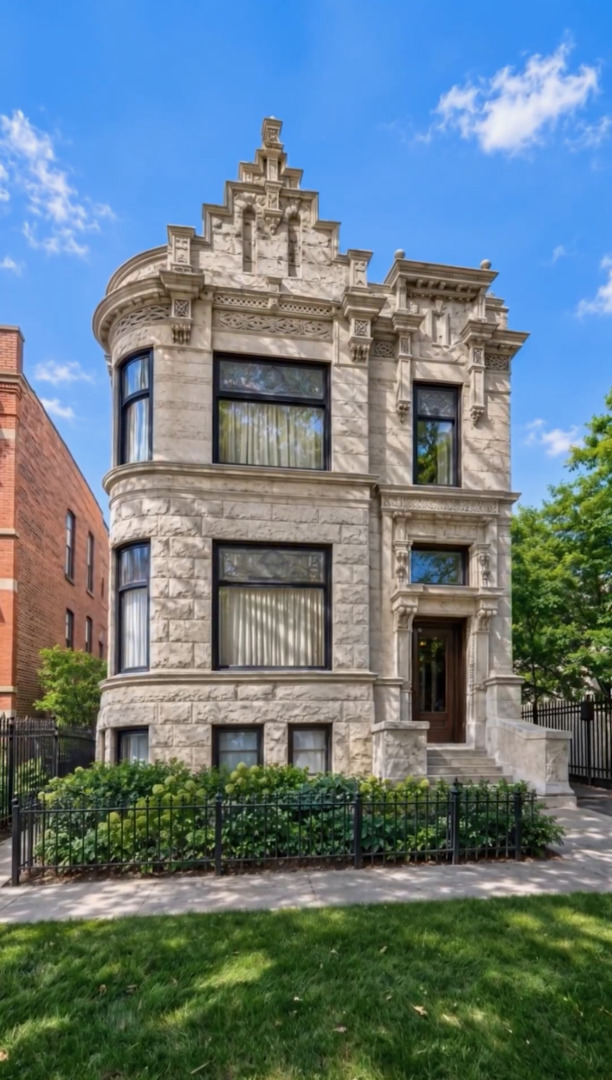
Wicker Park’s history dates back to the late 19th century, when wealthy Chicagoans began building elegant homes in the area. Many of these historic mansions still stand today around the neighborhood’s central green space, giving the area a distinctive architectural character.
Over the decades, Wicker Park evolved into one of Chicago’s most culturally dynamic neighborhoods. Artists, musicians, and creatives were drawn to the area for its affordable housing and vibrant community.
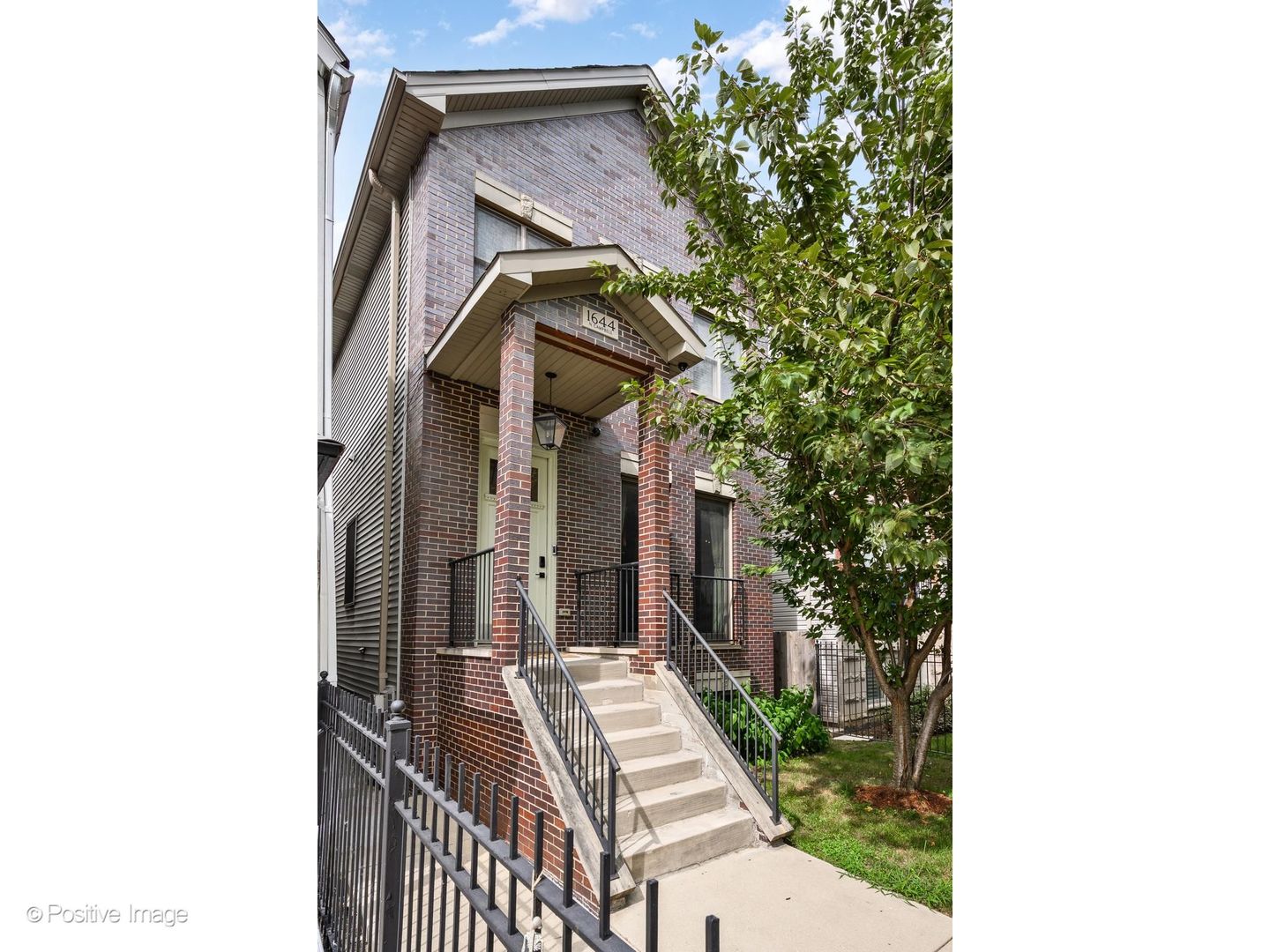
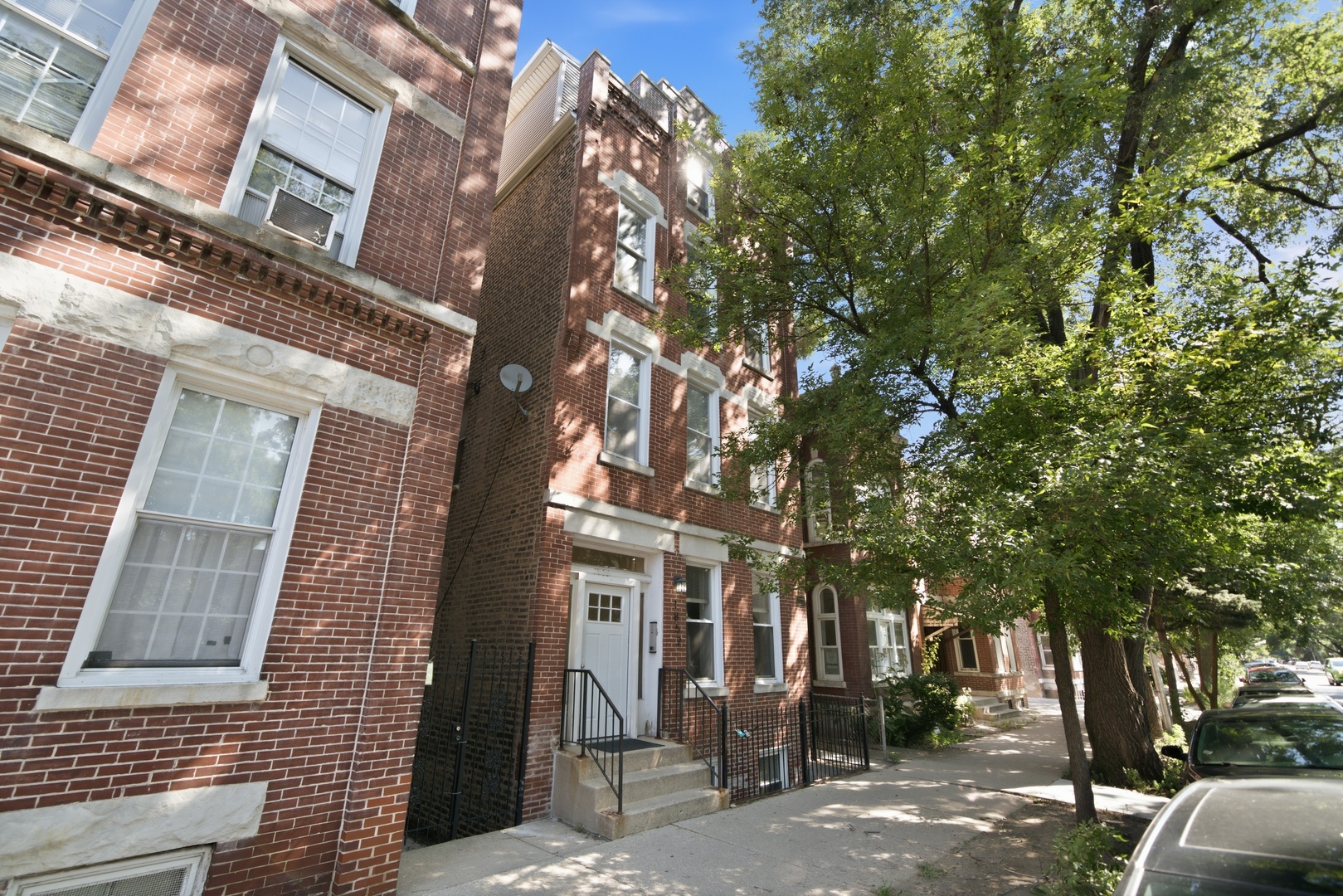
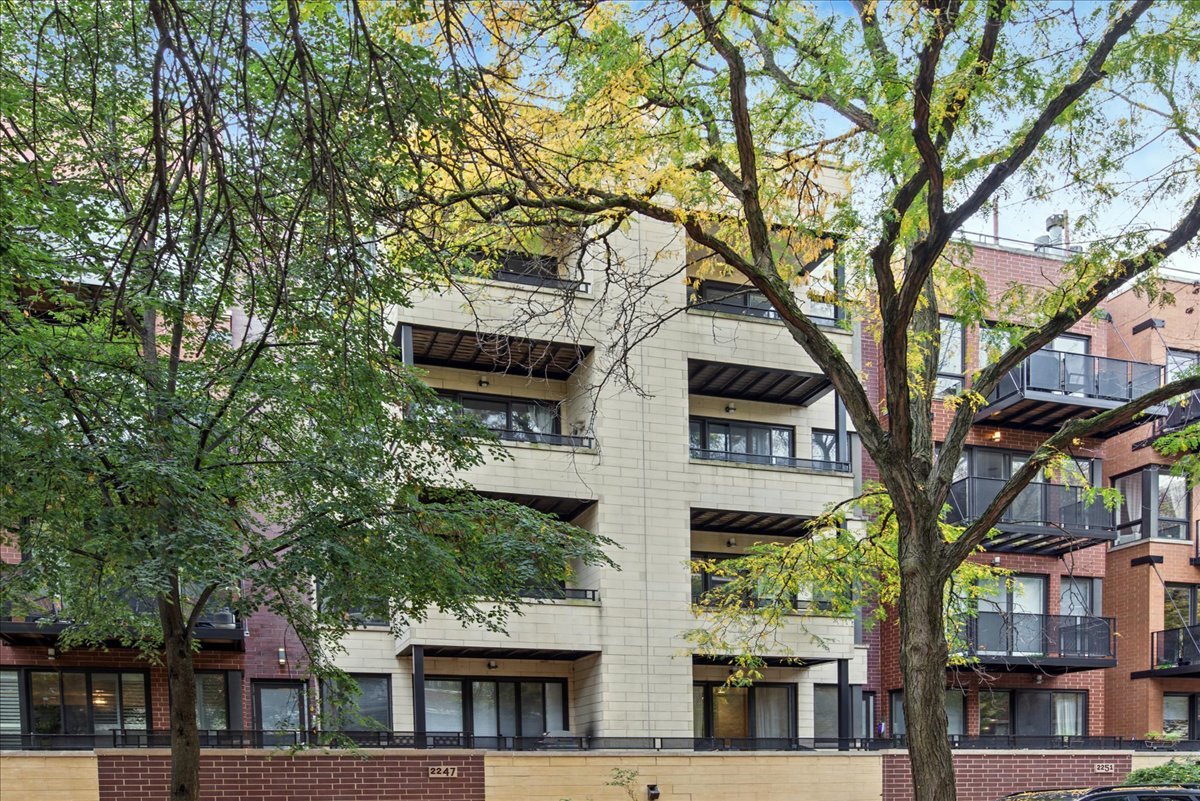
Today, Wicker Park blends historic charm with modern urban living. Classic Chicago greystones, brick two-flats, converted loft buildings, and sleek new construction homes all contribute to the neighborhood’s diverse housing landscape.
At the center of the neighborhood is Wicker Park itself, a lively park surrounded by historic homes and local businesses.
Life in Wicker Park revolves around its walkable streets and active social scene. Residents enjoy a neighborhood filled with independent cafés, vintage shops, music venues, and restaurants.
The intersection of Milwaukee Avenue, Damen Avenue, and North Avenue forms the heart of the neighborhood’s commercial district.
Popular cafés include The Wormhole Coffee, known for its creative atmosphere and retro décor, and La Colombe Coffee Roasters, a favorite stop for residents grabbing coffee before heading downtown.
Dining options range from casual eateries to well-known Chicago restaurants. Local favorites include Piece Brewery & Pizzeria, famous for its New Haven–style pizza, and Big Star, a lively taco spot that has become a neighborhood staple.
Boutique shopping is another hallmark of Wicker Park, with vintage stores, record shops, and independent fashion boutiques lining Milwaukee Avenue.
Wicker Park offers a wide variety of housing options, making it appealing to a diverse range of buyers.
Common property types include:
• historic greystone buildings
• classic Chicago two-flats and three-flats
• converted loft condominiums
• modern new construction condos
• luxury single-family homes
Many homes feature exposed brick, high ceilings, and architectural details that reflect the neighborhood’s historic character.
Real estate prices vary depending on property type and location, but Wicker Park remains one of the more desirable neighborhoods on Chicago’s Northwest Side. Condominiums often range from the mid $400K range to $900K+, while single-family homes can exceed $1.5M depending on size and renovation level.
Buyers attracted to Wicker Park Chicago real estate often include professionals working downtown, creatives, and buyers looking for a lively urban neighborhood with strong investment potential.
The neighborhood’s namesake park, Wicker Park, serves as a central gathering space for residents.
The park features tennis courts, a playground, open green lawns, and a fieldhouse that hosts community programs and events.
Residents can learn more about park facilities and recreational programming through the Chicago Park District.
Another nearby green space is Pulaski Park, which offers sports fields, playgrounds, and community activities.
These parks provide outdoor recreation opportunities while maintaining the neighborhood’s community-focused atmosphere.
Wicker Park is widely known for its vibrant dining scene and eclectic retail options.
Restaurants along Milwaukee Avenue and surrounding streets include popular Chicago establishments offering everything from casual street food to upscale dining experiences.
The neighborhood is also home to iconic music venues like The Subterranean, which has hosted countless live performances and remains a cornerstone of Chicago’s indie music scene.
Independent boutiques, vintage clothing shops, bookstores, and record stores make Wicker Park a destination for shoppers looking for unique items not found in traditional malls.
Local events and neighborhood initiatives are supported by the Wicker Park Bucktown Chamber of Commerce.
Wicker Park offers excellent public transportation access, making it a convenient neighborhood for commuters.
The neighborhood is served by the CTA Blue Line, with a station at Damen that provides direct service to downtown Chicago and O’Hare International Airport.
Residents can find route information and schedules through the Chicago Transit Authority.
Milwaukee Avenue also serves as a major biking corridor, making cycling another popular commuting option for residents.
Commuting to downtown Chicago typically takes about 10–15 minutes via the Blue Line.
Wicker Park has a strong neighborhood identity supported by local businesses, arts organizations, and community events.
Families living in the area often attend nearby schools such as Pritzker Elementary School, which serves the surrounding neighborhood.
Community events, festivals, and neighborhood markets help reinforce Wicker Park’s welcoming and creative atmosphere.
The neighborhood’s blend of historic architecture, arts culture, and urban energy continues to attract residents who appreciate a vibrant community.
Wicker Park offers a lifestyle that many Chicago residents find exciting and dynamic.
Residents love the neighborhood for its:
• lively arts and music scene
• walkable commercial streets
• diverse dining and nightlife
• historic architecture mixed with modern development
• quick commute to downtown Chicago
For buyers seeking an energetic neighborhood with personality and culture, Wicker Park remains one of Chicago’s most popular places to live.
For many buyers relocating to the city, Wicker Park Chicago stands out as one of Chicago’s most vibrant neighborhoods.
The area attracts young professionals, creatives, and homeowners who want an urban lifestyle with easy access to restaurants, nightlife, and public transportation.
People considering living in Wicker Park often compare it with nearby neighborhoods like Bucktown, Logan Square, and Ukrainian Village, each offering slightly different housing styles and neighborhood vibes.
Wicker Park appeals to buyers who want a lively community, walkability, and convenient access to downtown Chicago.
If you're relocating from another city, my Chicago Relocation Guide explains how neighborhoods like Wicker Park, Lincoln Park, and Lakeview compare when choosing where to live.
Yes. Wicker Park is known for its vibrant culture, dining scene, and convenient transit access, making it one of Chicago’s most desirable neighborhoods.
Housing prices vary depending on property type, but Wicker Park is considered one of the more desirable and higher-demand neighborhoods on Chicago’s Northwest Side.
The neighborhood features greystone buildings, loft conversions, condos, and luxury single-family homes.
Yes. The neighborhood is extremely walkable with restaurants, cafés, boutiques, and parks located within a few blocks.
Wicker Park itself and Pulaski Park are the main green spaces serving the neighborhood.
Commuting to downtown Chicago via the CTA Blue Line typically takes about 10–15 minutes.
Wicker Park attracts young professionals, creatives, entrepreneurs, and homeowners looking for a lively urban neighborhood.
If you're researching other areas of the city, you may also want to explore:
Living in Bucktown Chicago
Living in Logan Square Chicago
Living in West Loop Chicago
Living in Avondale Chicago
Living in Lincoln Park Chicago
If you're considering buying or selling a home in Wicker Park, having the right local expertise can make a big difference.
I’m Dee Savic, a Chicago real estate broker with Baird & Warner, and I’ve spent more than 20 years helping buyers and sellers across Chicago navigate the real estate market.
Whether you're exploring homes in Wicker Park Chicago, relocating to the city, or preparing to sell your property, I’d be happy to help you understand the market and make confident decisions.
Feel free to reach out if you have questions about the Wicker Park real estate market or if you'd like guidance on buying or selling in the neighborhood.
24,281 people live in WICKER PARK, where the median age is 32 and the average individual income is $102,454. Data provided by the U.S. Census Bureau.
Total Population
Median Age
Population Density Population Density This is the number of people per square mile in a neighborhood.
Average individual Income
WICKER PARK has 11,371 households, with an average household size of 2. Data provided by the U.S. Census Bureau. Here’s what the people living in WICKER PARK do for work — and how long it takes them to get there. Data provided by the U.S. Census Bureau. 24,281 people call WICKER PARK home. The population density is 25,123 and the largest age group is Data provided by the U.S. Census Bureau.
Total Population
Population Density Population Density This is the number of people per square mile in a neighborhood.
Median Age
Men vs Women
Population by Age Group
0-9 Years
10-17 Years
18-24 Years
25-64 Years
65-74 Years
75+ Years
Education Level
Total Households
Average Household Size
Average individual Income
Households with Children
With Children:
Without Children:
Marital Status
Blue vs White Collar Workers
Blue Collar:
White Collar:
I'm Dee Savic, your trusted Chicago real estate expert, and I'm here to guide you through your relocation journey. Discover why Chicago is the perfect city for you; from its diverse neighborhoods to its cultural vibrancy, Chicago offers an unmatched urban experience. Together, we'll find a community and home that fits your lifestyle and aspirations.