What should buyers know about luxury homes in Lincoln Park Chicago in 2026? Inventory is tight, buyer demand remains strong, and the best homes are not sitting around waiting for casual buyers to circle back weeks later. At the time of my market review, Lincoln Park luxury inventory was sitting around 1.2 months of supply, single-family luxury listings were down 32.6% year-over-year, and the strongest homes were still moving quickly.
But Lincoln Park luxury is not just about price. It is about the block, the architecture, the lot, the outdoor space, the condition, the parking, the building, and sometimes even which side of the street you are on. A $3 million buyer in Lincoln Park may be comparing a renovated greystone, a boutique new construction condo, a smaller single-family home, or a full-service building near the park. Those are very different lifestyles, even when the price point looks similar.
I am Dee Savic, a Realtor with Baird & Warner, a Chicago luxury home specialist with 24+ years of experience, $100M+ in career sales, and 27+ years as a Chicago resident. I have helped buyers and sellers across Chicago's North Side through multiple market cycles, and Lincoln Park is one of those neighborhoods where hyper-local knowledge really matters.
This guide breaks down the 2026 Lincoln Park luxury market, including current inventory, pricing by budget tier, architectural styles, the streets and buildings buyers ask about most, and what serious buyers should understand before they start touring. For the full picture of what it costs to own and live in Lincoln Park, see my complete Lincoln Park pros and cons guide.
The Lincoln Park luxury market is tight in 2026. At the time of my market review, inventory had compressed to roughly 1.2 months of supply, which is deep seller’s market territory. Single-family luxury listings were down 32.6% year-over-year, condo listings were down 43%, and active luxury listings ranged from just over $1 million to nearly $10 million.
Single-family homes were selling at a median price of $2.425 million, up 31% year-over-year. The median active price for single-family homes was even higher, sitting around $2.837 million. For context on what that means if you are selling before buying, start with a free home value review to see where your current home stands.
That tells us two things. First, luxury buyers in Lincoln Park do not have a lot to choose from. Second, the best homes are still commanding serious attention, especially when they are well-located, well-presented, renovated, and priced correctly.
The days-on-market data also tells an important story. The rolling 12-month median market time was about 7 days, while the 3-month average was closer to 33 days. Both numbers matter. The 7-day median tells you how quickly the strongest homes can move. The 33-day average reminds you that not everything sells instantly. Homes with pricing issues, condition concerns, awkward layouts, or location trade-offs can still sit, even in a tight market.
So when buyers ask whether luxury homes in Lincoln Park move quickly, the honest answer is: the right ones do.
Browse current Lincoln Park luxury inventory: search luxury condos in Lincoln Park ($1M+) or search luxury single-family homes ($2M+).
Market data reflects MLS figures at the time of research. Data deemed reliable but not guaranteed. Market conditions change, and buyers should verify current figures with an up-to-date market analysis before making a purchase decision.
Lincoln Park luxury is not the same as Gold Coast luxury, Streeterville luxury, or West Loop luxury.
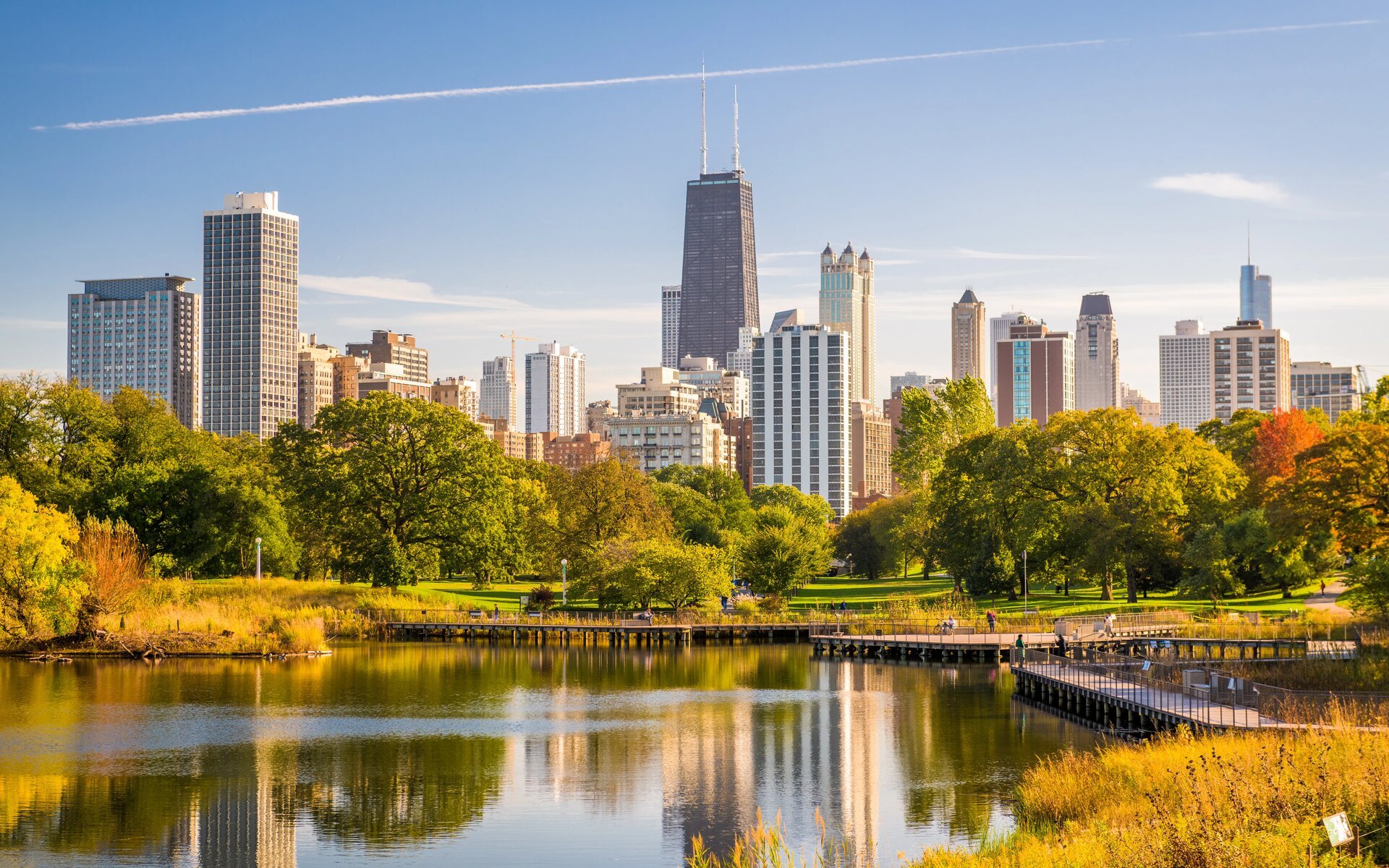
In many high-rise-heavy neighborhoods, luxury often means views, amenities, door staff, valet parking, and full-service buildings. Lincoln Park has some of that too, especially along the Lakeview Avenue corridor. But the real luxury story here is often more residential.
Private outdoor space. Wide lots. Historic architecture. Tree-lined streets. Single-family homes. Gut-renovated greystones. Boutique buildings. Park access. And in many cases, more residential privacy than buyers can get in Chicago’s high-rise luxury markets.
That does not mean Lincoln Park is better than Gold Coast, Old Town, Streeterville, or the West Loop. It means the luxury buyer profile is different.
A buyer choosing Lincoln Park is often looking for a neighborhood lifestyle, not just a luxury unit. They want walkability, restaurants, parks, private outdoor space, garage parking, and a home that feels rooted in one of Chicago’s most established neighborhoods.
That combination - architecture, location, lifestyle, parks, restaurants, and long-term demand - is what makes Lincoln Park so competitive.
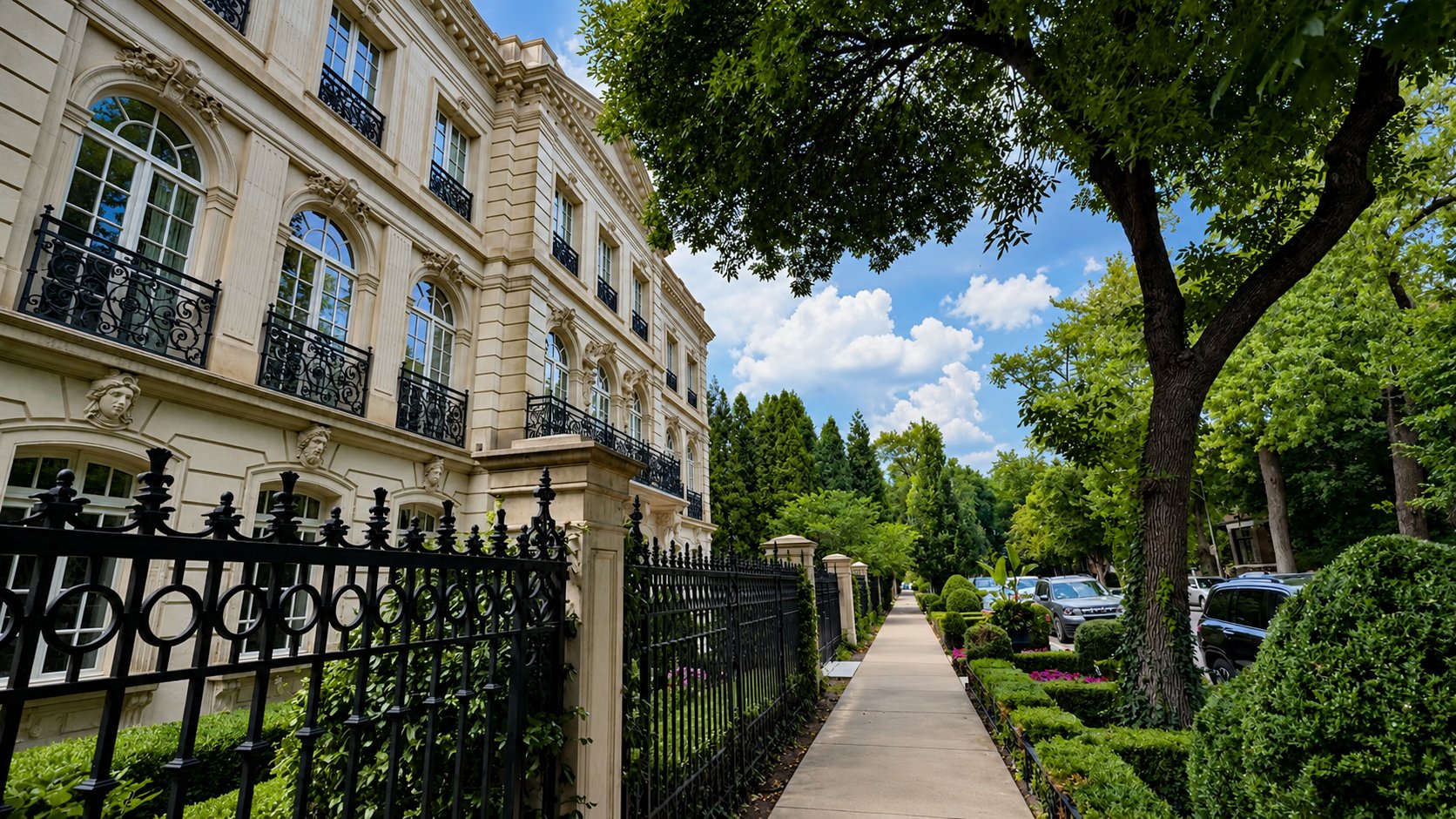
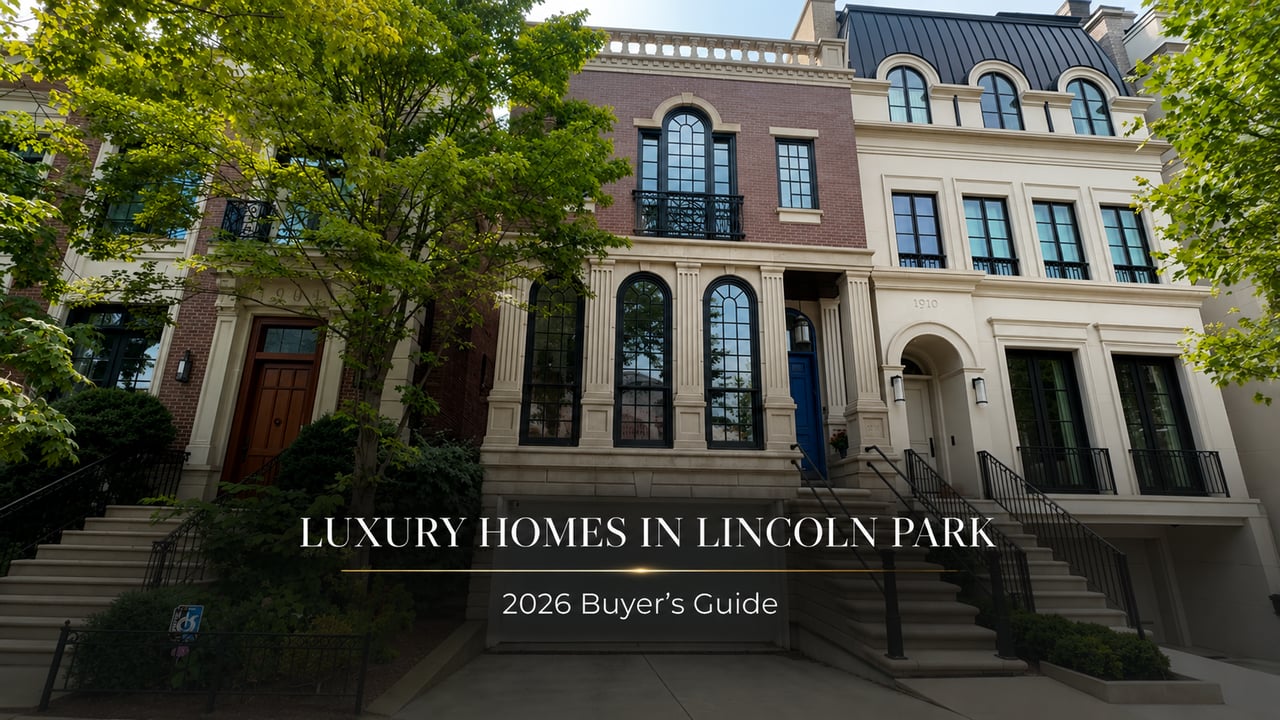
Lincoln Park’s historic housing stock is one of its biggest draws. The neighborhood is known for greystones, brick single-family homes, vintage row homes, coach houses, and elegant historic properties that give the streetscape so much character.
The most desirable versions are fully renovated homes that preserve historic details while updating the parts buyers care about most: kitchens, baths, mechanicals, floor plans, windows, lower levels, outdoor space, and garage access.
This is where buyers need to be careful. A beautifully renovated greystone and a greystone that still needs major work can look similar in photos, but they are very different purchases. Renovation costs, structural considerations, waterproofing, masonry, roof condition, mechanicals, and layout limitations all matter.
In Lincoln Park luxury, charm is valuable, but condition is everything.
Lincoln Park also has a strong boutique new construction market, especially around blocks near Armitage, Orchard, Dayton, Burling, and Howe.
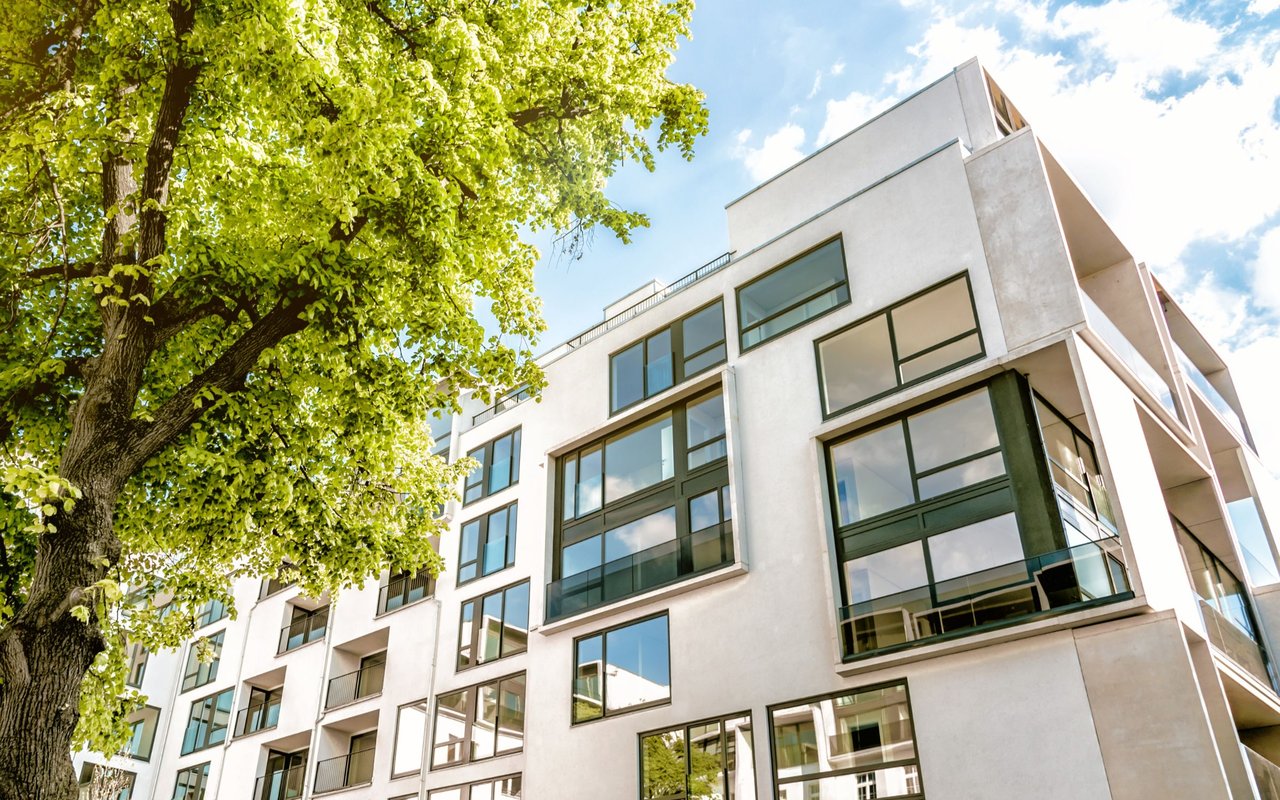
These buildings often offer the finishes luxury buyers expect: high-end appliances, private terraces, heated garage parking, elevator access, designer kitchens, and smaller building intimacy.
For buyers who want Lincoln Park but do not want the maintenance of an older single-family home, boutique new construction can be a strong option. The trade-off is usually privacy, outdoor space, and monthly assessments versus the convenience of newer construction and lower maintenance.
For a full breakdown of what HOA fees look like in Chicago condos, see my Chicago condo HOA fees guide.
Lincoln Park also has full-service luxury buildings, especially along Lakeview Avenue.
Buildings like Lincoln Park 2550 offer a completely different lifestyle: door staff, amenities, indoor pool, fitness spaces, concierge-style living, park views, and larger floor plans in one of the most prestigious locations in the neighborhood.
For some buyers, that is exactly the right fit. For others, Lincoln Park luxury means a single-family home with a private yard and garage. The right choice depends less on price and more on lifestyle.
Lakeview Avenue is one of Lincoln Park’s most recognizable luxury corridors because it runs along the park and offers some of the neighborhood’s most desirable condo addresses.
Buyers looking here are often drawn to park views, lake access, full-service buildings, and a more established luxury condo lifestyle. Lincoln Park 2550 is one of the anchor buildings in this category, with amenities, door staff, private grounds, and a wide range of unit sizes and price points.
Park-facing inventory is limited, and that scarcity is part of the premium.
East Lincoln Park’s boutique and single-family blocks are a different kind of luxury. Orchard, Dayton, Howe, and Burling are the streets buyers ask about when they want a more residential Lincoln Park lifestyle with architectural character, walkability, and proximity to the park, Armitage, Halsted, and neighborhood restaurants.
These blocks command significant premiums because supply is limited and the location is difficult to duplicate. A home two or three blocks away may look similar online, but the buyer pool can react very differently depending on the exact block.
That is why local comp knowledge matters so much in Lincoln Park.
In the $2 million to $3 million range, Lincoln Park buyers are usually choosing between trade-offs.
You may find a renovated condo in a beautiful building, a newer boutique residence with private outdoor space, or a smaller single-family home on a standard lot. At this price point, buyers often want everything: location, outdoor space, parking, renovated condition, strong finishes, and walkability.
But even at $2 million to $3 million, you may still have to prioritize. The better block or the larger interior. The newer finishes or the private outdoor area. The single-family home or the full-service building.
This is where the search becomes very specific.
Once buyers move above $3 million, the options become more substantial, but the evaluation becomes more nuanced.
You may see larger single-family homes, wider lots, better renovations, stronger architectural details, and more complete lifestyle packages. But not every $3 million or $4 million home is created equal.
Some are truly move-in ready. Some are beautifully located but need work. Some have great square footage but awkward layouts. Some are priced for a block premium the home itself may not fully support.
This is where an experienced local agent separates real value from aspirational pricing.
Above $5 million, buyers are usually looking at the rarest inventory: larger single-family homes, exceptional blocks, wider lots, architecturally significant homes, or luxury properties with a combination of space, finish level, location, and privacy that is difficult to replicate.
At this level, the right home may not come up often. Buyers need to be prepared before the property appears, not after.
The purchase price is only one part of the cost. Luxury buyers also need to understand closing costs, property taxes, HOA fees, maintenance, insurance, and future capital needs.
Buyer closing costs in Lincoln Park often run about 2% to 3% of the purchase price. On a $1.5 million purchase, that could mean roughly $30,000 to $45,000 in closing costs, including lender fees, title insurance, transfer taxes, appraisal costs, attorney fees, inspection costs, and other closing-related expenses.
For a full breakdown of what closing costs look like for Chicago buyers, see my Chicago buyer closing costs guide.
Property taxes in Cook County vary by property, assessed value, exemptions, equalization factor, and local tax rates. For luxury buyers, taxes need to be modeled carefully before making an offer.
A listing sheet gives you the current tax number, but that does not always tell the whole story, especially if the home was recently renovated, newly built, reassessed, or previously had exemptions that may not apply to the next owner.
For a high-end Lincoln Park purchase, taxes can easily become one of the largest annual carrying costs. Check the property’s assessed value and tax history on the Cook County Assessor's website and see my Chicago property taxes guide for the full picture.
If you are selling a Lincoln Park home to trade up into a larger luxury property, the capital gains picture matters.
Depending on your purchase price, length of ownership, and how you have used the property, a sale can trigger significant taxable gains. See my Chicago capital gains tax guide before you commit to a timeline.
And start with a free home value review to understand what your current home is worth before you plan your next move.
For luxury condos, HOA fees vary dramatically depending on the building.
A boutique building with fewer amenities may have a very different monthly assessment than a full-service building with door staff, pool, fitness center, concierge services, garage staff, and extensive common areas.
Luxury condo HOA fees in Lincoln Park can range from hundreds per month to several thousand per month depending on the building, unit size, and amenities.
For the full breakdown by building type, see my Chicago condo HOA fees guide.
In a tight luxury market, preparation matters. That does not mean every buyer needs to panic or write the first offer they can. It means serious buyers should do the groundwork before the right home appears.
Get fully prepared before touring. If you are financing, full pre-approval should be in place before touring seriously - not a casual pre-qualification and not a conversation with a lender from six months ago. A current, strong pre-approval that matches your actual budget and strategy matters. If you are paying cash, proof of funds should be ready. Luxury sellers and listing agents want to know the buyer can perform, especially if there is more than one interested party.
Know your non-negotiables. Before touring, be clear on what matters most. Detached or attached? Single-family or condo? Minimum bedroom count? Garage parking? Outdoor space? School boundaries? Lot width? New construction versus historic? Full-service building versus boutique building? Without that clarity, it is easy to fall in love with the wrong home and second-guess everything later.
Understand the block, not just the listing. Lincoln Park changes quickly from block to block. Two homes can be similar in size and condition, but buyer demand may be very different depending on exact location, surrounding homes, commercial proximity, park access, school boundaries, traffic patterns, and long-term resale appeal.
The map matters. The block matters. The comps matter. And the story behind the comps matters.
Lincoln Park luxury is competitive because the best homes offer something that is hard to reproduce in Chicago.
Established blocks. Historic architecture. Private outdoor space. Top-tier walkability. Parks. Restaurants. A true neighborhood lifestyle. And in many cases, more residential privacy than buyers can get in Chicago’s high-rise luxury markets.
But that does not mean every expensive home in Lincoln Park is a smart buy. Some homes deserve their premium. Some need a pricing adjustment. Some look beautiful online but carry major maintenance, layout, assessment, or resale considerations.
The opportunity is real, but so is the need for preparation. If you are serious about buying a luxury home in Lincoln Park, the best time to build your strategy is before the right home hits the market.
In Lincoln Park, luxury homes typically include high-end single-family homes, renovated greystones, boutique new construction condos, full-service luxury condo buildings, and larger residences in premium locations. Price matters, but so do location, condition, architecture, outdoor space, parking, amenities, and long-term resale appeal.
At the time of my 2026 market review, single-family luxury homes were selling at a median price of about $2.425 million, while active luxury inventory ranged from just over $1 million to nearly $10 million. For a current read on what your specific budget buys, start with a private consultation.
Some of the most sought-after areas include the Lakeview Avenue corridor for park-adjacent full-service condo living, and East Lincoln Park streets such as Orchard, Dayton, Howe, and Burling for boutique and single-family luxury. The best block depends on whether you want a full-service building, boutique condo, historic home, or single-family residence.
The strongest homes can move quickly when they are well-located, renovated, priced correctly, and offer the features buyers want most. At the time of my market review, the rolling 12-month median market time was about 7 days, while the 3-month average was closer to 33 days. The right homes move fast - everything else can still sit.
They can be, especially in full-service buildings with door staff, pools, fitness centers, and concierge services. HOA fees vary widely. Buyers should review not only the monthly assessment but also reserves, building condition, planned projects, insurance, owner occupancy, rental rules, and what the fee actually includes. See my Chicago condo HOA fees guide for the full breakdown.
It depends on the lifestyle you want. Lincoln Park is often more residential and can offer private outdoor space, single-family homes, greystones, and neighborhood character. Gold Coast and Old Town may offer different advantages, including lakefront high-rises, historic prestige, or proximity to downtown. The best choice depends on your priorities - not the price tag.
Watch for pricing that does not match condition, older homes with deferred maintenance, high or poorly supported HOA fees, renovation quality, basement water issues, masonry and roof condition, parking limitations, and block-by-block resale differences. Always request the full disclosure package and hire an inspector experienced with Chicago’s vintage building stock.
Buyers: browse current inventory with my luxury condo search ($1M+) or luxury single-family search ($2M+), visit my Chicago luxury home buyer page, or start with my free Chicago Buyer's Course for a complete picture of how the buying process works in Chicago.
Sellers: if you own a luxury home in Lincoln Park and are thinking about your next move, start with a free home value review. And see my Chicago luxury home seller page for more on how I approach high-end listings.
Or schedule a complimentary and confidential consultation here. I work directly with my clients from start to finish. Luxury buyers deserve clear strategy, privacy, responsiveness, and advice that is specific to the home in front of them.
Market data in this post reflects MLS figures at the time of research and is for general guidance only. Market conditions change. Data deemed reliable but not guaranteed. Property tax information is general in nature - consult a qualified tax advisor for guidance specific to your situation. This post is for informational purposes only and does not constitute legal, financial, or investment advice.
Dee Savic is a Realtor with Baird & Warner, a 24+ year real estate professional, a 27+ year Chicago resident, and has closed $100M+ in career sales. She specializes in helping luxury buyers and sellers across Chicago's North Side including Lincoln Park, Lakeview, Gold Coast, and surrounding neighborhoods.
Dee Savic
Realtor® | Baird & Warner
4553 N. Lincoln Ave, Chicago, IL 60625
773.719.0989
[email protected]
deesavic.com
Neighborhood Guides
What homes sold for, the 606, the Blue Line, types of homes, and Bucktown vs. Wicker Park
Buying
Real 2026 sales in Lincoln Park, Lakeview, North Center, Roscoe Village, Lincoln Square, Irving Park, Edgewater, and Andersonville
Buying
Where the unit sits, elevators, pets, wind and sound, views, parking, and building rules
Buying
The real monthly cost, yards, winter, parking, competition, long-term value, and choosing the right neighborhood
Neighborhood Guides
The six parts of 60613, from the lakefront to Damen, and what homes sold for in each in 2026
Neighborhood Guides
Where Buena Park is, what homes sold for in 2026, Hutchinson Street, the lakefront, schools, and safety
Buying
Five years of Chicago prices, where you can and cannot negotiate, and how to handle a 7.40% mortgage rate

Local Events
Dates, times, and exact blocks for Halloween events in Lakeview, Lincoln Park, Lincoln Square, Ravenswood, North Center, Andersonville, and Edgewater
Neighborhood News
The Camry Lot expansion, the 2027 All-Star Game, parking rules, and what homes nearby sold for in 2026
I'm Dee Savic, your trusted Chicago real estate expert, and I'm here to guide you through your relocation journey. Discover why Chicago is the perfect city for you; from its diverse neighborhoods to its cultural vibrancy, Chicago offers an unmatched urban experience. Together, we'll find a community and home that fits your lifestyle and aspirations.