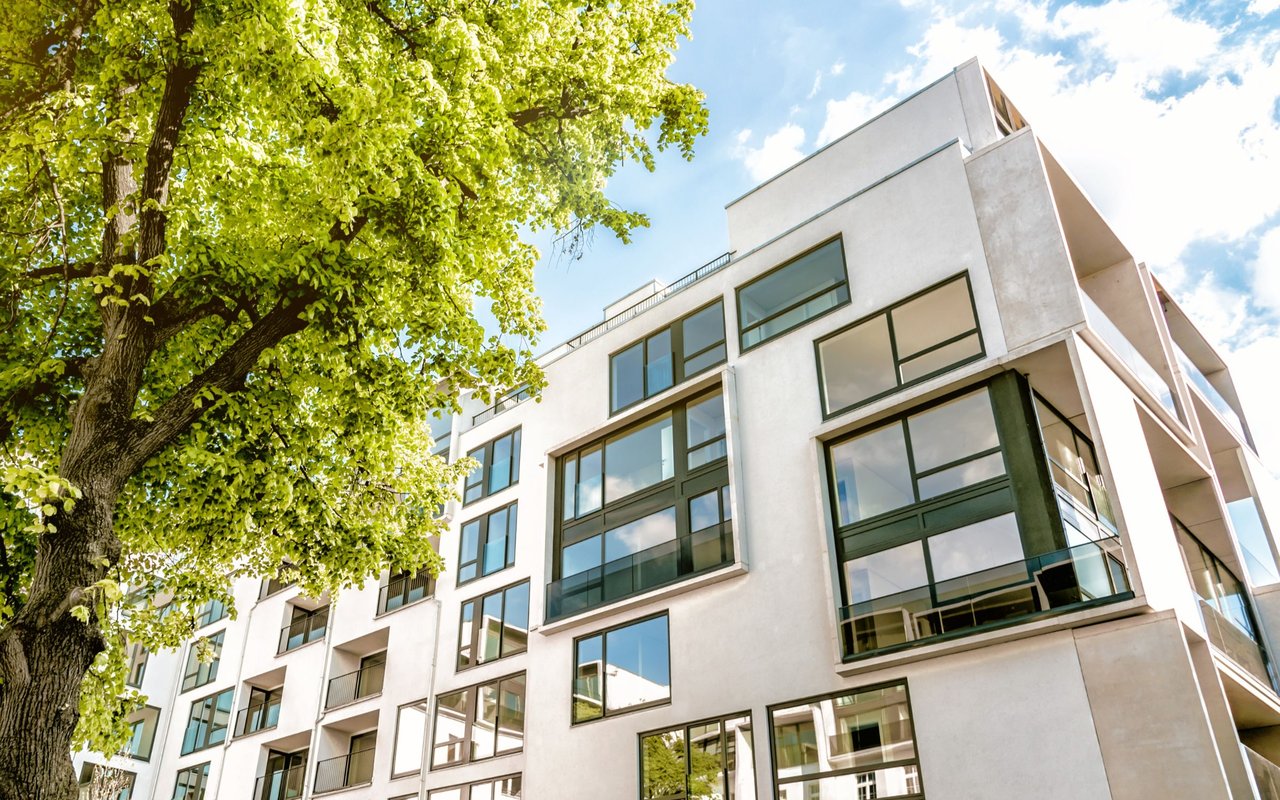

Is moving to Chicago right for you? For most people who move here, Chicago turns out to be one of the best decisions they make: walkable neighborhoods, the lakefront, great food and culture, and homes that cost far less than on either coast. The buyers who end up happiest are the ones who understood the trade-offs before they arrived. Here are the seven things I walk every out-of-state buyer through, and how to plan for each one.
I have lived in Chicago for 27 years, raised my two daughters here, and helped people move to Chicago and within it for more than 20 years. I love this city, and the best way I know to help someone love it too is to make sure nothing surprises them after they close.
I talk through all seven in my video Moving to Chicago in 2026? Who Should NOT Move Here. If you would rather watch than read, start there.

What to Know | How to Plan for It |
|---|---|
1. The price is only part of the cost | Add taxes, condo assessments, insurance, and parking before you set a budget |
2. City yards are smaller | Look at city homes with bigger lots, or close-in suburbs near a train |
3. Winters are long | Visit in winter, and pick a home that makes winter easier |
4. Parking takes planning | Decide early whether you need a garage or deeded space |
5. Well-priced homes move fast | Get fully pre-approved and know when to compete and when to negotiate |
6. Chicago is a steady market, not a quick flip | Buy for the long term |
7. The neighborhood matters most | Spend time here, test your commute, and consider renting first |
Compared with the coasts, Chicago home prices are a real bargain, and your money buys a lot more home here than in New York or California. The monthly cost is what to plan around, though. Cook County reassesses properties every three years, and as home values have climbed, so have many tax bills. Condos also have a monthly assessment, and parking may be sold separately with its own assessment and tax bill.
A buyer moving from a higher-cost state is often thrilled that a condo costs $200,000 less than it would back home. When we add the taxes, assessment, insurance, and parking, the monthly payment can end up closer to what they pay now than they expected. Chicago is usually still the better value. I just want you to know the full monthly number before you fall in love with a home, and my posts on how Chicago property taxes work, condo HOA fees, and closing costs walk through each piece.
The standard Chicago lot is 25 feet wide and 125 feet deep, so most city homes come with a deck, a rooftop, a patio, or a smaller backyard instead of a big suburban yard. Many buyers happily make that trade for being able to walk to coffee, restaurants, and parks.
If a real yard is high on your list, you have options. In the city, I can find you a home on a larger lot with real outdoor space, usually in the $4 to $5 million range. If you want a bigger yard at a lower price, we can also look at close-in suburbs on a train line, such as Evanston or Oak Park, so you still have an easy ride into the city.
Chicago summers are some of the best anywhere, and the city comes alive from May through September. Winter is real too. It is less about one big snowstorm and more about the gray stretch from January into March, the wind off the lake, and the short days.
Most people find their rhythm quickly. You learn how to dress for it, where to park before a snowstorm, and why nobody here cares how their winter coat looks as long as it is warm. If you are coming from somewhere warm, plan at least one visit in winter, and look for a home that makes winter easier, such as one near the train or with indoor parking.
Plenty of people in Chicago own a car. The neighborhoods most of my clients move to are dense and walkable, which is a big part of their appeal, and the trade-off is parking. In many of them, you park on the street with a residential permit.
If you want a guaranteed space, many condo buildings sell a deeded parking space separately, and it can cost $30,000 to $50,000 or more depending on the building. Houses usually have a garage off the alley, and some alleys are narrow, which matters if you drive a large SUV. Tell me early if a garage is a must, and we will build your search around it. If easy pull-in parking matters most, the close-in suburbs are worth a look too.
You may have seen national headlines about falling prices. Those are national averages, and much of the softness is in markets that cooled off. The S&P Cotality Case-Shiller Index for July 2026 showed prices down over the past year in cities like Tampa, Dallas, and Las Vegas. Chicago has gone the other way.
Across 10 North Side neighborhoods, 47.6% of the condos and 49.1% of the houses that sold from January through September 2026 went for more than their list price, based on my search of the MLS. In Logan Square, North Center, and Lincoln Square, about two out of three condos sold over asking. In the Near North Side, where most condos are in large high-rise buildings, buyers had more room to negotiate.
North Side Neighborhood | Condos Sold Over Asking | Houses Sold Over Asking |
|---|---|---|
Uptown | 58.8% of 469 | 37.5% of 24 |
Avondale | 58.7% of 121 | 56.6% of 53 |
North Center | 65.9% of 226 | 52.1% of 121 |
Lincoln Park | 59.1% of 820 | 37.8% of 135 |
Irving Park | 46.2% of 171 | 57.8% of 135 |
Logan Square | 66.5% of 355 | 54.7% of 137 |
Near North Side | 29.4% of 1,978 | 18.8% of 32 |
Edgewater | 38.5% of 494 | 55.3% of 38 |
Lake View | 56.8% of 1,205 | 46.1% of 102 |
Lincoln Square | 63.0% of 189 | 50.7% of 69 |
Source: my search of the MLS (Midwest Real Estate Data LLC), closed sales from January 1 to September 30, 2026. At the time of research, deemed reliable but not guaranteed.
That does not mean you have to overpay. There is a big difference between a well-priced home that just hit the market and an overpriced home that has been sitting. I have negotiated $10,000 to $20,000 below list price for clients who had lost several bidding wars, because those homes were overpriced and the sellers were ready to negotiate. Knowing which situation you are in is where a good strategy comes from, and my post on why Chicago homes are selling above asking explains how to compete without overpaying.
Many cities that jumped during the pandemic rose too fast, and some are now coming back down. Chicago never overheated. Prices here have climbed more slowly and steadily, and that steady growth is paying off for owners right now. In the July 2026 Case-Shiller report, Chicago had the biggest annual gain of the 20 cities tracked, up 6.9%, while the national index rose 1.9%.
The City of Chicago's median sale price reached $425,000 in July 2026, up 13% from a year earlier, according to Illinois REALTORS data reported by Axios Chicago. On the North Side, most neighborhoods saw prices rise from 2025 to 2026.
North Side Neighborhood | Condos: 2026 Median and Change | Houses: 2026 Median and Change |
|---|---|---|
Uptown | $410,000, up 23.9% | $1,679,500, up 19.1% |
Avondale | $557,450, up 22.5% | $840,000, up 2.4% |
North Center | $645,000, up 16.2% | $1,740,000, up 3.3% |
Lincoln Park | $715,000, up 7.8% | $2,575,000, up 15.9% |
Irving Park | $349,500, up 7.5% | $702,000, down 1.1% |
Logan Square | $590,000, up 7.3% | $1,191,000, up 4.0% |
Near North Side | $465,000, up 6.9% | $2,700,000, up 16.0% |
Edgewater | $299,950, up 5.7% | $1,170,000, up 3.5% |
Lake View | $508,500, up 4.8% | $1,905,605, down 1.8% |
Lincoln Square | $400,000, up 2.6% | $1,335,000, up 21.4% |
Source: my search of the MLS (Midwest Real Estate Data LLC), closed sales from January 1 to September 30 of each year, with sales placed by City of Chicago community area. At the time of research, deemed reliable but not guaranteed.
If you are hoping to buy and resell for a fast 50% gain in two years, this is not that kind of market. If you want to buy a home you love and build value over time, there are very few better places in the country to do it right now. For more, see my post on whether the Chicago housing market is crashing.
The people who end up unhappy after a move usually did not choose the wrong city. They chose the wrong neighborhood for how they live. Chicago has 77 official community areas and many more neighborhoods inside them, and two places ten minutes apart can feel completely different.
Listing photos do not show you what the block sounds like at 11:00 on a Saturday night, how parking works after 6:00, what the walk to the train feels like in February, or how long the commute takes at rush hour. I have seen buyers fall in love with a home online, buy it from another state, and realize a few months later that it was too loud, too quiet, or 45 minutes from work instead of 20. My post on the neighborhoods relocators get wrong covers the most common mix-ups.
If you can, spend time here first. Walk the neighborhoods at different times of day, visit on a weekday and a weekend, and test the commute you will actually take.
If you are still not sure, renting for a year before you buy can be a smart move, because it lets you learn the neighborhoods before you commit to one. I do not handle rentals myself, but I am happy to connect you with a rental specialist once you know which neighborhoods you are considering. If you do need to buy from another state, my post on buying a Chicago home from out of state explains how to do it well, and my post on the best Chicago neighborhoods can help you build a short list.
If you want to walk to coffee and dinner, live in a real neighborhood with world-class food and culture, and have the lake as your backyard all summer, Chicago gives you something very few American cities can. It is also still more affordable than places like New York and Los Angeles. Knowing the trade-offs going in is what turns a good move into a great one.
Moving to Chicago was one of the best decisions I ever made, and for the right person, it can be one of yours too. If you are early in the process, start with my 20 things to know before moving to Chicago, and see my Chicago relocation page for how I help buyers moving here from another state.
For people who want walkable neighborhoods, the lakefront, great food and culture, and homes that cost less than on the coasts, yes. The happiest buyers plan for the full monthly cost, winter, parking, and a competitive market, and choose their neighborhood carefully.
Chicago may not be the best fit if you want a big yard on a modest budget, need easy garage parking everywhere you go, or know that long winters are very hard on you. It is also not a quick-flip market. For most other buyers, the trade-offs are easy to plan for.
Home prices are lower than on the coasts, but property taxes, condo assessments, insurance, and parking can make the monthly cost higher than the price suggests. Cook County reassesses properties every three years, so tax bills can rise as values rise.
It depends on the neighborhood and the home. Across 10 North Side neighborhoods, 47.6% of condos and 49.1% of houses that sold from January through September 2026 went for more than their list price, based on my MLS search at the time of research. In Logan Square, North Center, and Lincoln Square, about two out of three condos sold over asking, while in the Near North Side it was 29.4%.
Yes. In the July 2026 S&P Cotality Case-Shiller report, Chicago had the biggest annual gain of the 20 cities tracked, at 6.9%, while the national index rose 1.9%. The City of Chicago median sale price reached $425,000 in July 2026, up 13% from a year earlier.
Yes, with the right budget. Most city lots are 25 feet by 125 feet, so outdoor space is usually a deck, patio, or smaller yard. Homes on larger lots with real yards are usually in the $4 to $5 million range, and close-in suburbs on a train line are another option.
Choosing a neighborhood that does not fit how they live, often by buying from listing photos alone. Visit at different times of day, test your commute, and if you are still unsure, consider renting for a year before you buy.
Start with my free Chicago Relocation Guide, which covers the neighborhoods, the current market, and school information. You can also schedule a complimentary and confidential consultation, or call or text me directly at 773.719.0989.
Sources: S&P Cotality Case-Shiller Index, July 2026 (released September 29, 2026); Illinois REALTORS data as reported by Axios Chicago, August 25, 2026; and my searches of the MLS (Midwest Real Estate Data LLC). Accurate at the time of research, deemed reliable but not guaranteed.
Dee Savic is a Chicago Realtor® with Baird & Warner, working out of 4553 N. Lincoln Ave. She helps buyers, sellers, and relocation clients across Chicago, including Lakeview, Lincoln Park, Lincoln Square, Ravenswood, North Center, Roscoe Village, Andersonville, Uptown, Bucktown, Wicker Park, and the Gold Coast.

Dee Savic
Realtor® | Baird & Warner
4553 N. Lincoln Ave, Chicago, IL 60625
773.719.0989
[email protected]
deesavic.com
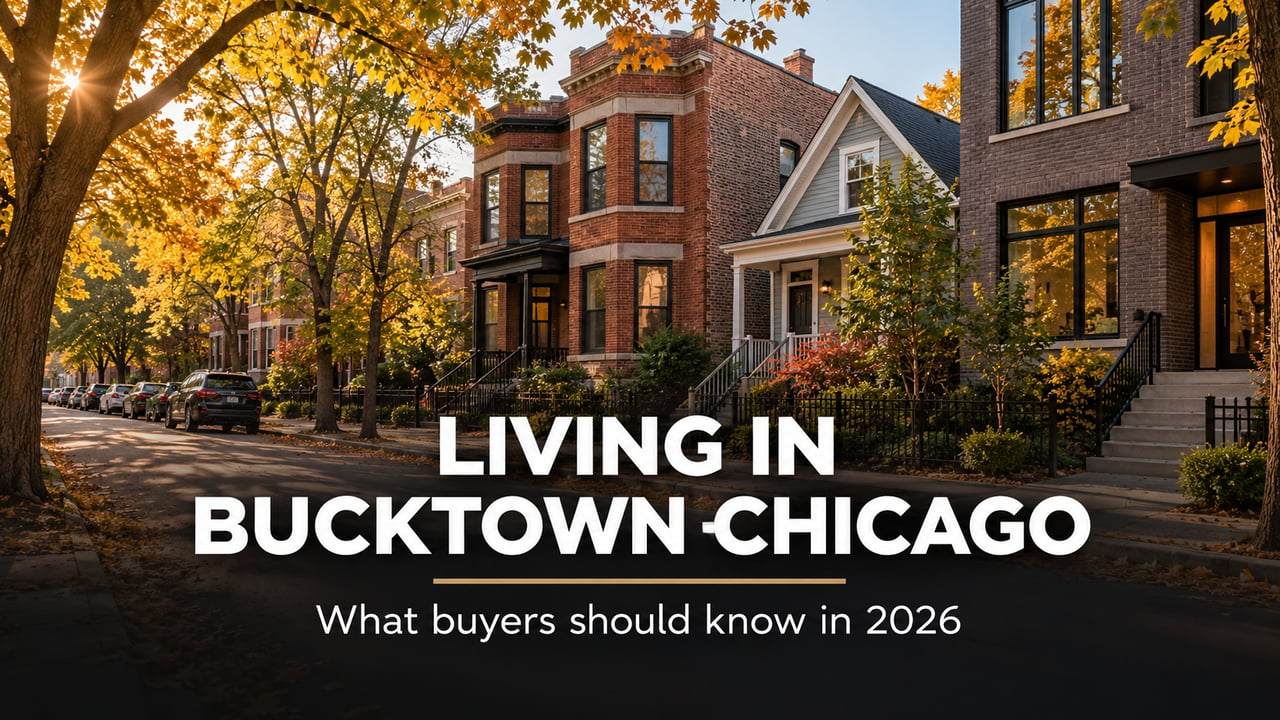
Neighborhood Guides
What homes sold for, the 606, the Blue Line, types of homes, and Bucktown vs. Wicker Park
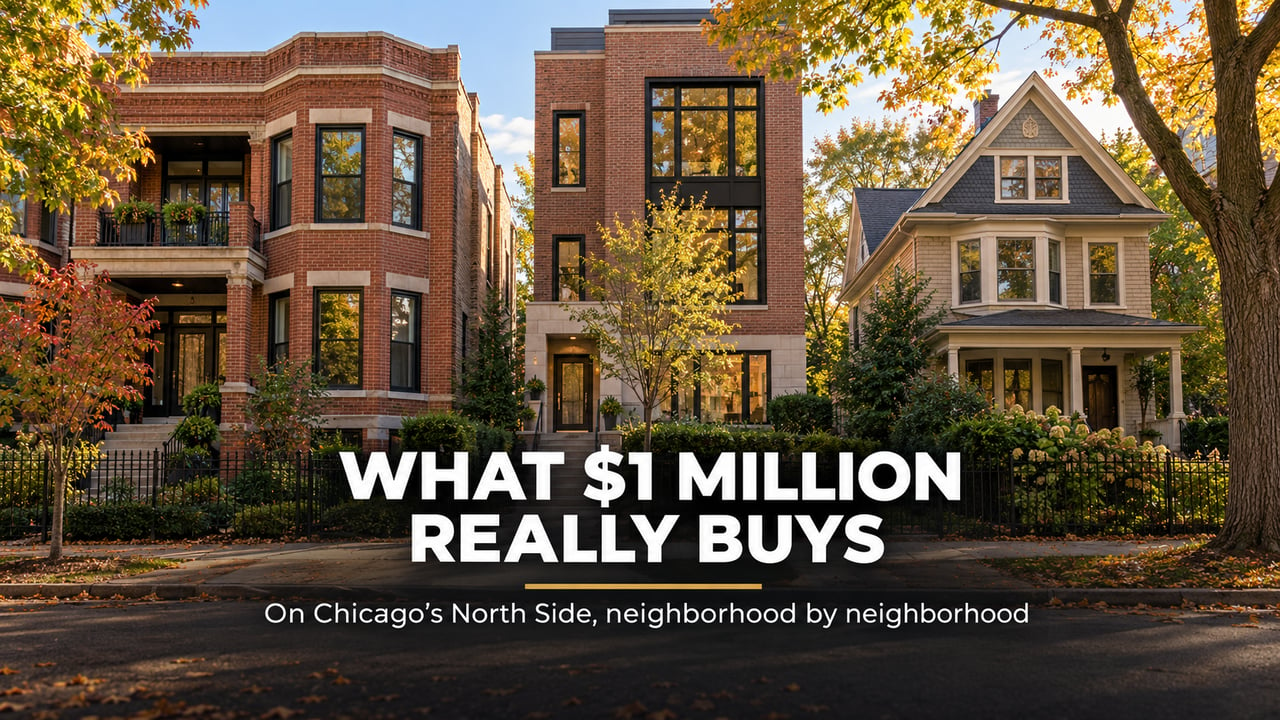
Buying
Real 2026 sales in Lincoln Park, Lakeview, North Center, Roscoe Village, Lincoln Square, Irving Park, Edgewater, and Andersonville

Buying
Where the unit sits, elevators, pets, wind and sound, views, parking, and building rules
Buying
The real monthly cost, yards, winter, parking, competition, long-term value, and choosing the right neighborhood
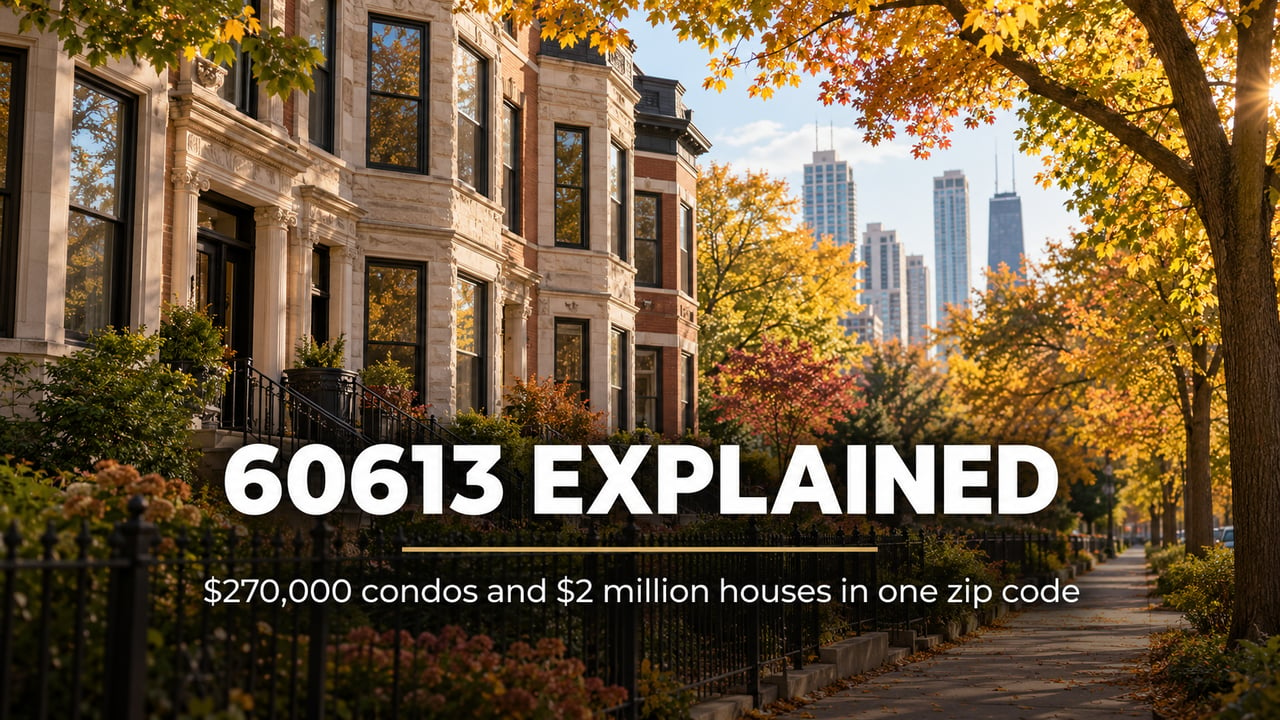
Neighborhood Guides
The six parts of 60613, from the lakefront to Damen, and what homes sold for in each in 2026
Neighborhood Guides
Where Buena Park is, what homes sold for in 2026, Hutchinson Street, the lakefront, schools, and safety
Buying
Five years of Chicago prices, where you can and cannot negotiate, and how to handle a 7.40% mortgage rate

Local Events
Dates, times, and exact blocks for Halloween events in Lakeview, Lincoln Park, Lincoln Square, Ravenswood, North Center, Andersonville, and Edgewater
Neighborhood News
The Camry Lot expansion, the 2027 All-Star Game, parking rules, and what homes nearby sold for in 2026
I'm Dee Savic, your trusted Chicago real estate expert, and I'm here to guide you through your relocation journey. Discover why Chicago is the perfect city for you; from its diverse neighborhoods to its cultural vibrancy, Chicago offers an unmatched urban experience. Together, we'll find a community and home that fits your lifestyle and aspirations.