What do you need to know before moving to Chicago? Moving to Chicago means learning how real winters work, how property taxes can affect your budget, how the CTA can shape your daily life, and why choosing the right neighborhood matters more here than many newcomers realize.
I am Dee Savic, a Realtor with Baird & Warner. I have lived in Chicago for 27 years and have helped buyers and relocators navigate this city for more than two decades. These are the practical things I wish every newcomer understood before signing a lease, buying a home, or narrowing their search to the wrong part of the city.
For a deeper look at choosing the right Chicago neighborhood see my complete Chicago neighborhoods guide. Download my free Chicago Relocation Guide for the full process from neighborhood selection through closing day.
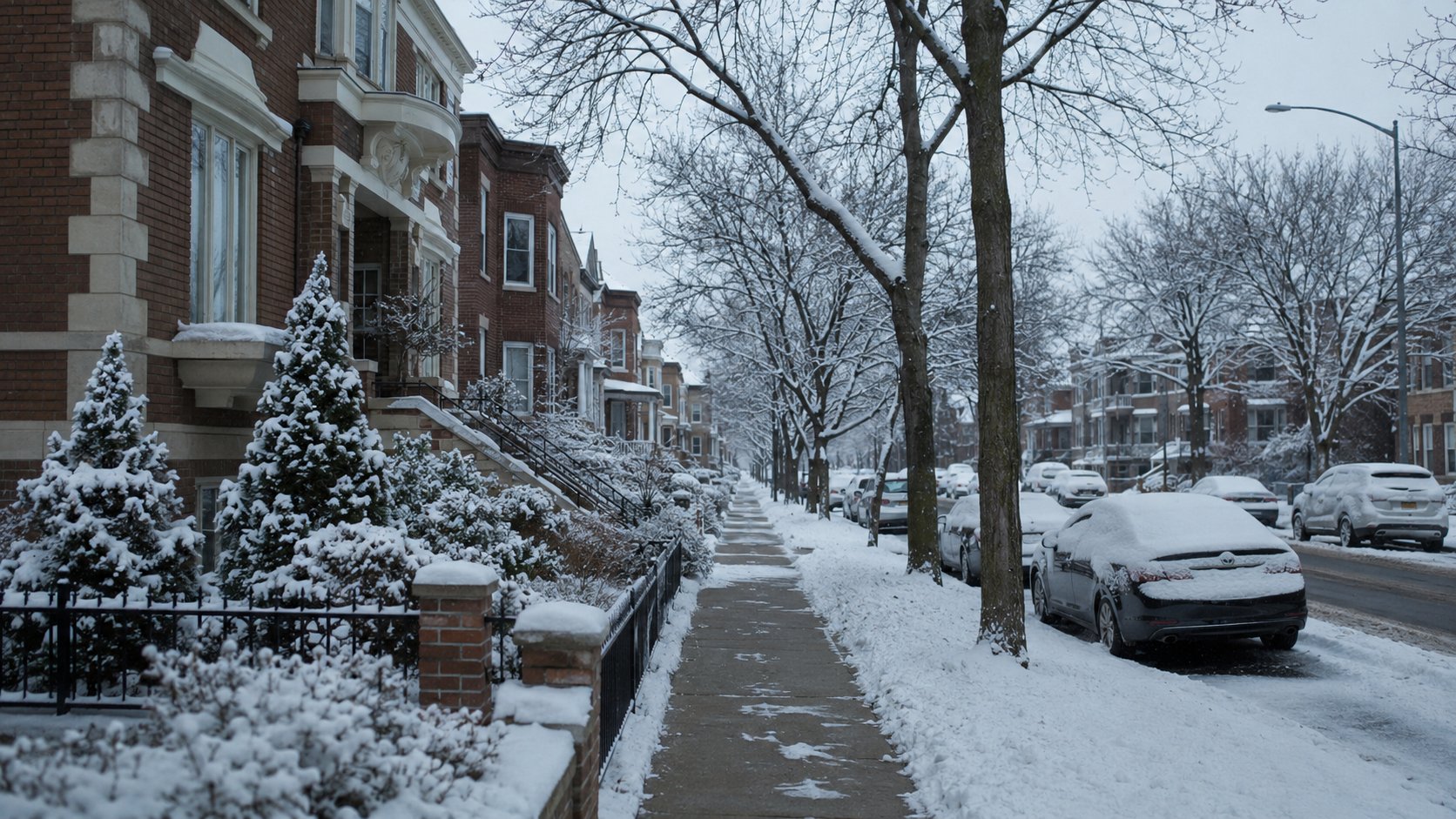
Chicago winters are cold. January and February can bring freezing temperatures, snow, ice, and wind off Lake Michigan that makes it feel even colder than the actual temperature. But the important thing to know is this: Chicago does not shut down because it is winter. People still go to work, restaurants stay open, kids go to school, trains run, and neighborhoods keep moving.
If you are moving here from a warmer climate, invest in a real winter coat, waterproof boots, gloves, a hat, and layers before you arrive. Do not try to survive your first Chicago winter with a light jacket and optimism. You will be humbled quickly. Winter is manageable here, but only if you respect it.
Cook County property taxes run higher than many newcomers expect. As a general planning number, Chicago property taxes often run around 1.75% to 2% of a home's market value annually. On a $500,000 home, that could mean roughly $8,750 to $10,000 per year, paid in two installments.
The number shown on a listing is almost always based on the current owner's exemptions, which do not transfer to you as the new buyer. Your future tax bill may be higher than what was advertised. Build the real number into your budget before you start your home search. You can look up any property's tax history on the Cook County Assessor's website before making an offer.
The CTA operates the nation's second-largest public transportation system. For many people living in transit-friendly neighborhoods - especially along the North Side and near downtown - the L and bus system can make daily life much easier. A 30-day CTA pass is currently $75, and the Ventra app makes it easy to manage your account.
Before choosing where to live, test your actual commute instead of relying only on a map. A home that looks close to downtown may feel very different depending on which train line or bus route you are actually using. Check the CTA website to map your commute before you commit to a neighborhood.
If you bring a car to Chicago, budget for it honestly. Depending on where you live, you may need to pay for parking, zone permits, city stickers, higher insurance, garage parking, tickets, street cleaning rules, snow restrictions, and normal maintenance.
In many North Side neighborhoods with strong CTA, Metra, and bus access, car-free or car-light living can work very well. The mistake most newcomers make is assuming the car itself is the only cost. In Chicago, owning a car is also about where you park it, how often you move it, and whether your daily life actually requires it.
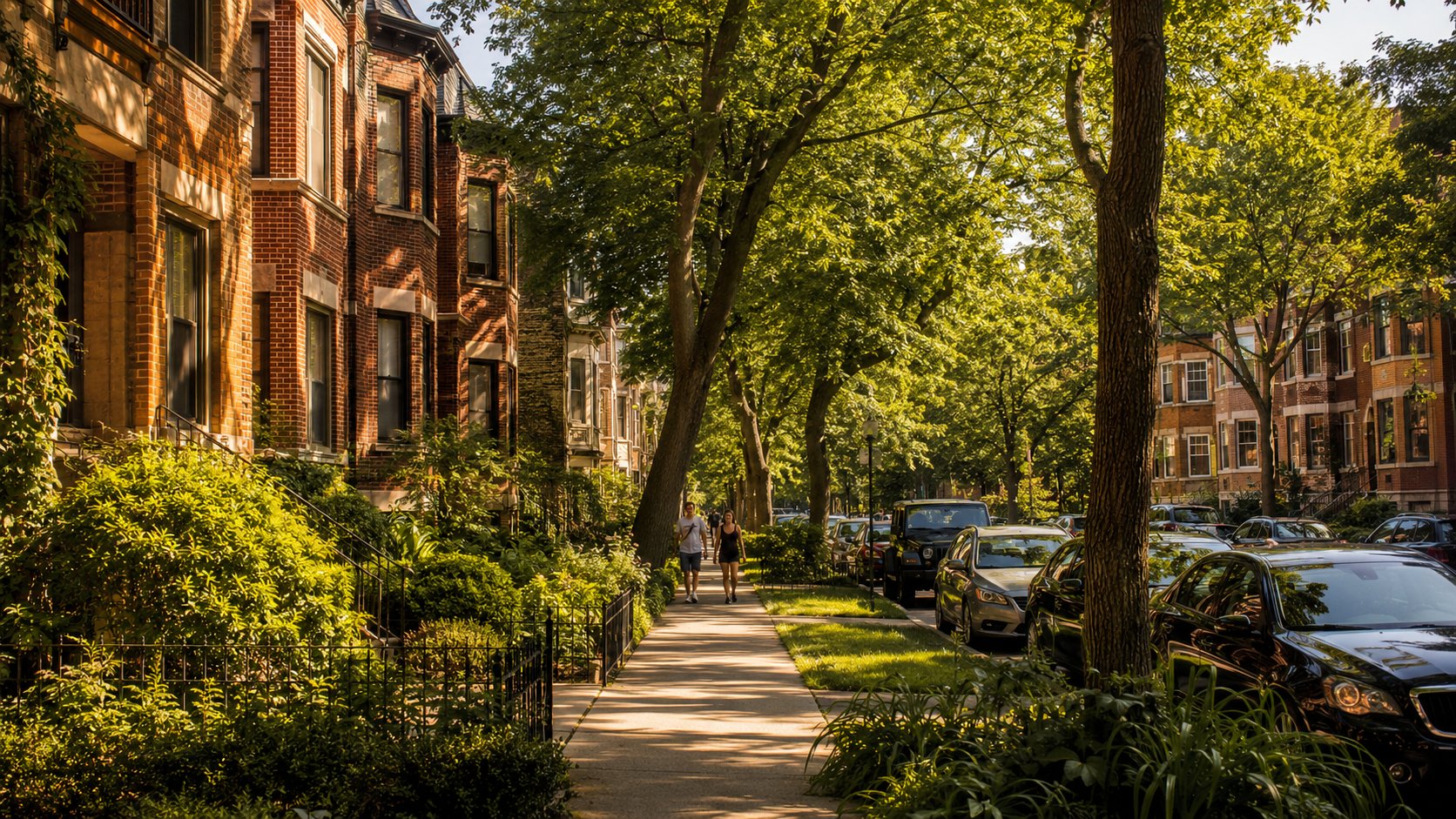
Chicago is officially divided into 77 community areas, but residents use many more neighborhood names in everyday conversation. Lincoln Park is not the same as Old Town. Lakeview is not just one place. Ravenswood, Lincoln Square, Andersonville, Roscoe Village, North Center, Wicker Park, Bucktown, Logan Square, West Loop, South Loop, and the Gold Coast all feel very different from each other.
That is why neighborhood selection matters so much here. You are not just choosing a property - you are choosing your commute, your grocery routine, your weekend rhythm, your parking situation, your transit options, and the kind of daily life you want. My Chicago neighborhoods guide is a good starting point if you are still trying to understand the map.
One of the best things about Chicago is that the lakefront is public. You do not need to live in a luxury building or belong to a private club to enjoy Lake Michigan. The lakefront trail stretches for miles and connects beaches, parks, harbors, skyline views, running paths, and bike paths.
In summer, the lake becomes part of daily life. People run, bike, walk dogs, meet friends, go to the beach, or sit by the water after work. In winter, it is dramatic and beautiful in a completely different way. If you are moving to Chicago, spend time by the lake before deciding where you want to live. For some people, being close to the lake is worth a premium. For others, transit, restaurants, schools, or more space matter more.
The combined sales tax rate in Chicago is 10.25%, which shows up on everyday purchases, restaurants, furniture, home goods, and everything you buy when you first move. This is not usually the deciding factor in whether someone moves here, but it is part of the real cost of living. If you are coming from a lower-tax state, your receipts may surprise you at first.
Illinois has a flat state income tax rate of 4.95%. Chicago does not have a separate city income tax. Whether that feels high or low depends on where you are moving from. Either way, it should be part of your relocation budget - especially if you are comparing job offers, housing costs, and long-term affordability across cities.
Yes, Chicago has deep-dish pizza, hot dogs, Italian beef, and tavern-style pizza. Those are part of the city's food identity. But the restaurant scene is much bigger than that. Chicago has Michelin-starred restaurants, James Beard recognized chefs, incredible neighborhood dining, family-owned restaurants, bakeries, coffee shops, and some of the best casual food in the country.
Some of the best dining in Chicago is not downtown. It is in neighborhoods like Logan Square, West Loop, Andersonville, Lincoln Square, Pilsen, Uptown, Ravenswood, and Lakeview. Do not judge the city's food scene by what tourists talk about. The real joy is exploring neighborhood restaurants over time.
If you move to Illinois, you generally need to transfer your out-of-state driver's license within 90 days of becoming an Illinois resident. Do not leave this until the last minute. Make an appointment with the Illinois Secretary of State, bring the required documents, and verify current requirements before you go. You will typically need proof of identity, Social Security number, residency, and your current license.
Once you become an Illinois resident, voter registration is relatively straightforward. You can register online, by mail, in person, or through the Secretary of State when you update your driver's license. Illinois also offers early voting, which many Chicago residents use because it gives more flexibility than waiting for Election Day.
This sounds boring, but it matters - especially if you work from home. Internet service can vary by building and by block. Older buildings can have wiring limitations that affect what providers are available. Before signing a lease or buying a home, check service availability by the exact address. Do not assume that because a provider serves the neighborhood, they serve the specific unit or building you are considering.
If you are buying a single-family home, two-flat, or small building, you will need to understand your pickup schedule, where the bins go, and what the city will and will not collect. The city-owned carts stay with the property. If you are buying, confirm the pickup routine during your final walk-through or shortly after closing so your first week does not turn into a trash-bin mystery.
If you buy a single-family home or small building, snow removal becomes part of your winter life. Chicago requires property owners to clear sidewalks on a specific timeline after snow falls. Snow that falls during the day must generally be cleared by 10pm. Snow that falls overnight must generally be cleared by 10am the following morning. If you are buying, decide whether you will shovel yourself or hire someone before the first real snowfall.
After a heavy snowfall, Chicago residents who dig out a street parking spot sometimes stake a claim to it with a lawn chair, milk crate, traffic cone, or whatever object is available. This is called dibs. It is unofficial, occasionally contentious, and very Chicago. The city does not officially endorse it, but it happens every winter in neighborhoods across the city. If you are relocating here and plan to own a car, consider this your friendly heads-up.
Chicago Public Schools operates the city's public school system, and school assignment can depend on address, school type, program, lottery, selective enrollment, and other factors. The right source for school boundaries and enrollment information is CPS directly. The CPS School Finder lets you look up schools by address. If schools matter to your move, verify everything directly with CPS before signing a lease or making an offer.
Uber and Lyft coverage is generally reliable across Chicago, especially in denser neighborhoods, downtown, and much of the North Side. Wait times and surge pricing can vary by time of day, weather, and neighborhood. It is convenient, but it should not be your only transportation plan if you have a strict daily commute.
Chicago has two major airports: O'Hare on the northwest side and Midway on the southwest side. O'Hare is larger with more international and business routes. Midway can be very convenient for domestic travel. The CTA Blue Line connects to O'Hare and the Orange Line connects to Midway. If you travel often, airport access may be worth factoring into your neighborhood search.
Chicago's neighborhoods can feel very different from one another, even when they look close on a map. Before you start scheduling showings, spend time in the neighborhoods you are considering. Visit on a weekday evening and on a Saturday. Walk the actual blocks. Try the grocery store. Test the commute. See where you would get coffee, take the train, walk the dog, or meet friends. An hour of firsthand neighborhood research can save you weeks of touring homes in the wrong areas.
For the full home-buying process in Chicago see my complete Chicago buyer's guide. Ready to start exploring neighborhoods? Browse all of my Chicago North Side neighborhood guides here - each one covers daily life, housing, transit, schools, and what makes that neighborhood different from the ones around it.
Chicago architecture is not just something tourists talk about - it is part of daily life here. Greystones, brick two-flats, courtyard buildings, vintage walk-ups, bungalows, historic single-family homes, classic high-rises, modern towers, and converted industrial buildings. The housing stock varies dramatically by neighborhood and affects everything from layout and maintenance to HOA style, parking, storage, taxes, and long-term resale.
If you are new to the city, take the Chicago Architecture Center boat tour your first year here. It is popular for a reason and it will change how you see the city.
Late spring through early fall is usually the easiest time to move - May through September is the most comfortable window. April and October can also work well. If you have flexibility, avoid January and February. Moving during extreme cold, snow, and ice is possible but not fun.
It depends on how well you know the city, how long you plan to stay, and how confident you are in your target neighborhoods. If you are not sure where you want to live, renting first can give you time to learn the city. If you already know your budget, timeline, commute, and lifestyle needs, buying right away can make sense with the right guidance. The most important thing is understanding the neighborhood before you commit.
Long-distance moving costs vary widely based on distance, volume, timing, building access, and whether you use a full-service mover, container service, or DIY truck. Get at least three quotes and ask specific questions about building fees, delivery windows, insurance, and packing. Summer moving dates fill up quickly, so plan early.
Not always. In transit-rich neighborhoods near the L, buses, Metra, grocery stores, and restaurants, many people live comfortably without a car or with only one car per household. If you commute to the suburbs, work irregular hours, or live in a less transit-connected area, a car may be more useful. The right answer depends on your daily routine, not just the neighborhood name.
Yes. Chicago offers major employers, strong transit, a large housing range, neighborhood variety, restaurants, lakefront access, cultural institutions, and relative affordability compared with many coastal cities. The key is choosing the right neighborhood for your commute, lifestyle, and budget before you start touring homes.
Start by narrowing your neighborhoods, understanding your commute, reviewing your housing budget, learning how property taxes work, and deciding whether you want to rent or buy first. If you are buying, get pre-approved early and work with someone who understands Chicago's neighborhood differences, building types, taxes, parking, and local contract process.
Buyers: search current Chicago North Side homes for sale here or start with my free Chicago Buyer's Course.
Sellers: start with a free home value review to see what your home is worth in today's market.
Relocating to Chicago? Download my free Chicago Relocation Guide or schedule a complimentary and confidential consultation here.
Dee Savic is a Realtor with Baird & Warner, a 24+ year real estate professional, and a 27+ year Chicago resident with 300+ closed transactions and hundreds of five-star reviews. She specializes in helping buyers, sellers, and relocation clients across Chicago's North Side - including Lakeview, Lincoln Park, Lincoln Square, Ravenswood, Andersonville, North Center, Roscoe Village, and surrounding neighborhoods.
Dee Savic
Realtor® | Baird & Warner
4553 N. Lincoln Ave, Chicago, IL 60625
773.719.0989
[email protected]
deesavic.com

Buyer Guides
Pre-approval, video tours, one focused trip, and a closing you can mostly handle from home

Neighborhood Guides
The pockets, the parks, the Blue Line, and what the 2026 numbers mean for buyers and sellers

Buyer Guides
Real sale prices vs resale, builder warranties, property taxes, and what to check before you sign
Buyer Guides
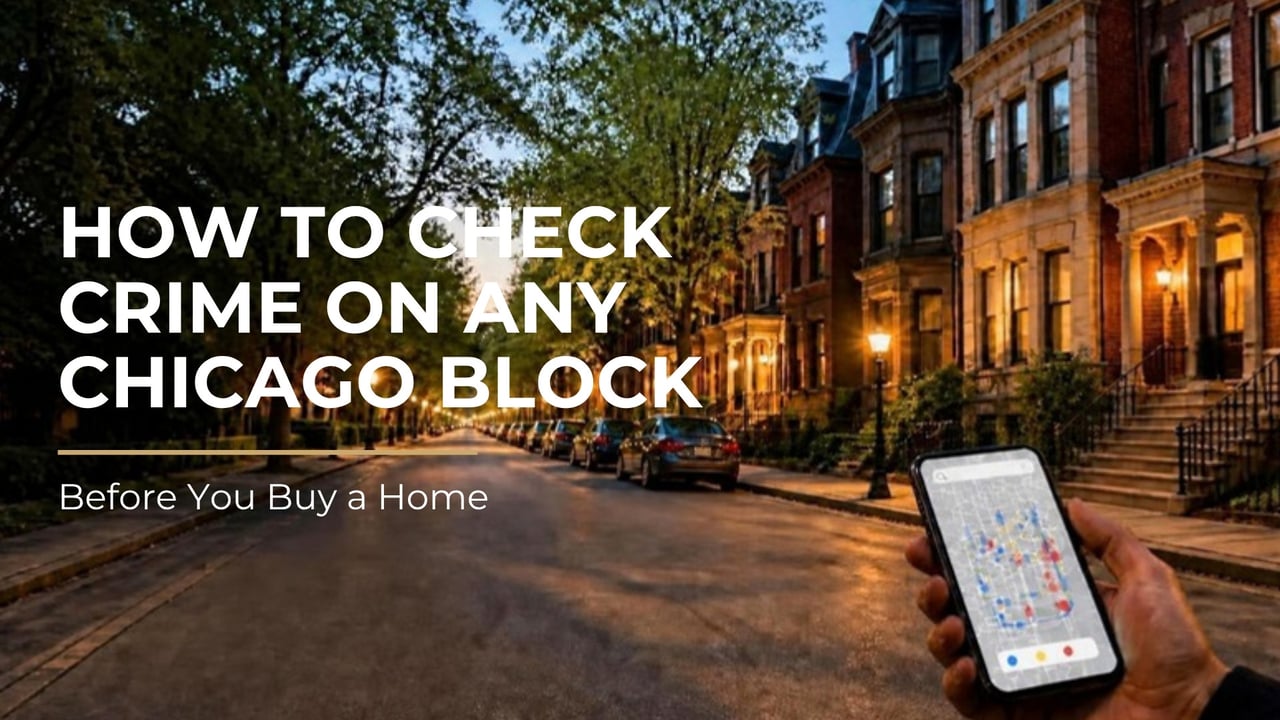
The free official tools, how to read them, and what to check in person

Buyers
What you sign before you tour, and what is negotiable
Listings
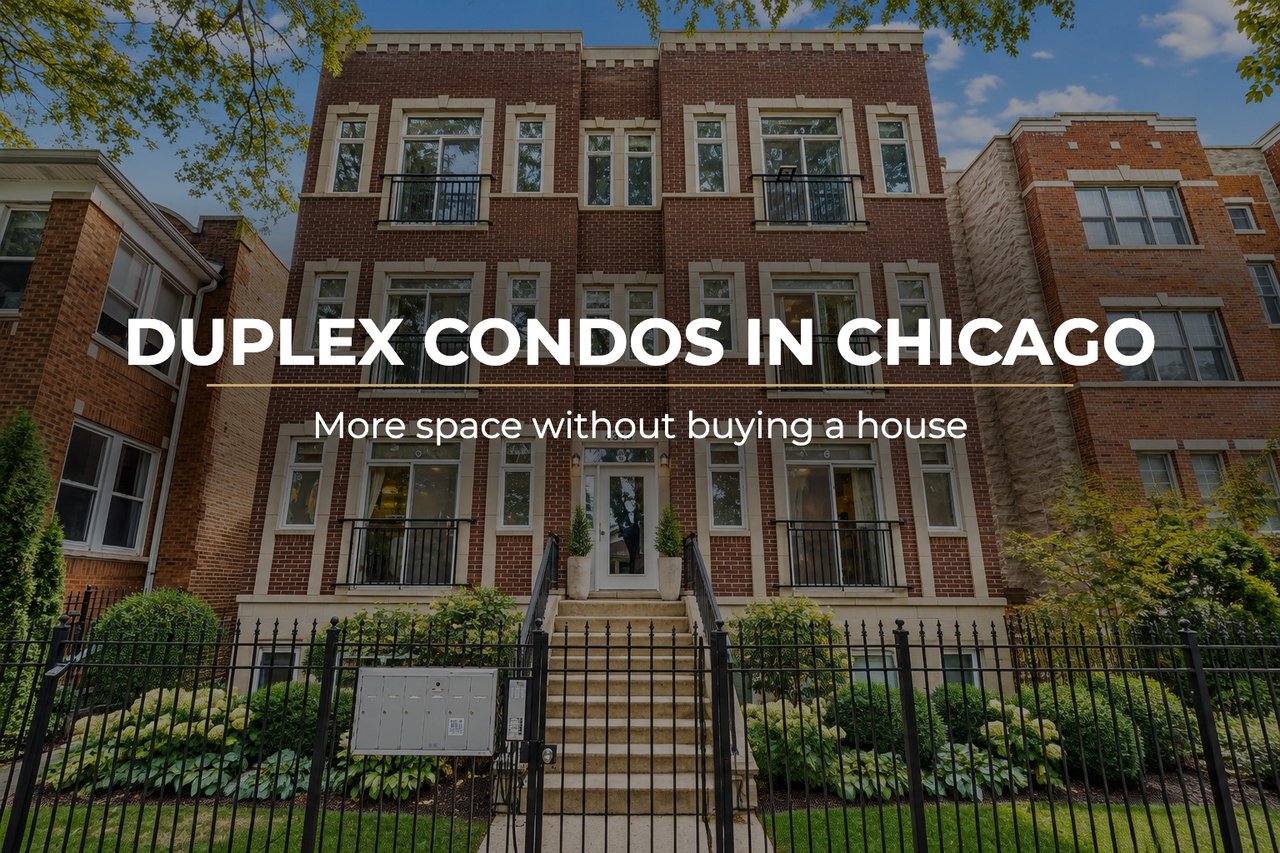
Duplex up vs. duplex down, who it fits, and a first look at a duplex coming soon near Horner Park

Sellers
How to compare a cash offer to a listed sale before you answer

Neighborhood Guides
The pockets, the lake, the Red Line, and what the 2026 numbers mean for buyers and sellers

Buyers
How special assessments get approved, when owners can push back, and who pays when a condo sells
I'm Dee Savic, your trusted Chicago real estate expert, and I'm here to guide you through your relocation journey. Discover why Chicago is the perfect city for you; from its diverse neighborhoods to its cultural vibrancy, Chicago offers an unmatched urban experience. Together, we'll find a community and home that fits your lifestyle and aspirations.