
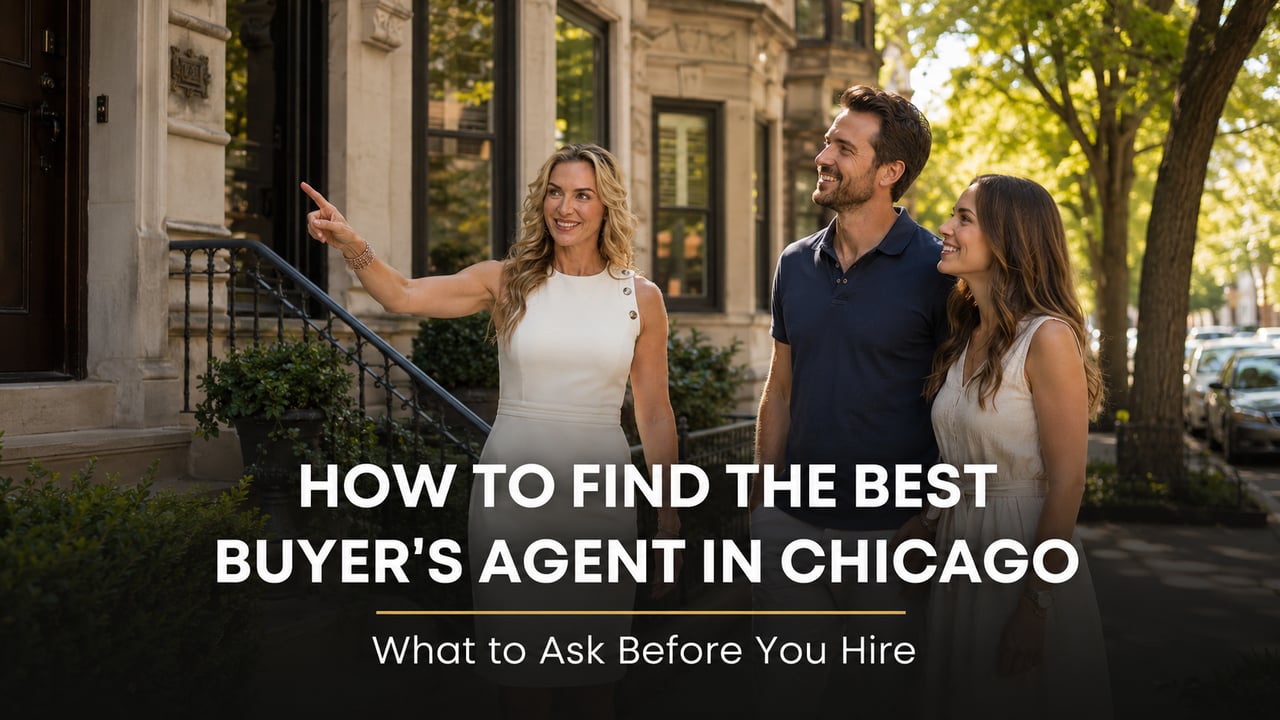
How do you find the best buyer's agent in Chicago? Look for someone who understands the neighborhoods and property types you are considering, knows how to evaluate value, has a clear offer and negotiation strategy, communicates well under pressure, and is willing to tell you when a home is not a good purchase.
I am Dee Savic, a Realtor with Baird & Warner. I have worked full-time in Chicago real estate for 24 years and have helped buyers and sellers close more than 300 homes, with much of my work focused on Chicago condos and North Side neighborhoods. In this article, I will explain what I believe strong buyer representation should look like, what to ask before hiring an agent, and the red flags that can cost buyers time and money.
Chicago is not one uniform real estate market. Buying a vintage condo in Ravenswood is very different from buying a high-rise in Lakeview, a two-flat in Lincoln Square, or a single-family home in North Center. The right buyer's agent should understand those differences and help you make decisions based on real market data - not pressure, headlines, or guesswork.
There is no single agent who is the best choice for every buyer in every part of Chicago. The right agent for you depends on what you are buying, where you are looking, your price range, your timeline, and how much guidance you need. A first-time condo buyer has different needs from an investor buying a two-flat. A buyer relocating from another state needs more neighborhood guidance than someone who has lived in Chicago for 15 years.
The strongest buyer's agents usually share a few qualities:
Name recognition and a large advertising budget do not necessarily tell you what working with that agent will be like. The more important question is whether the person advising you has the experience, judgment, and availability to guide your specific purchase.
A good buyer's agent should do more than send listings based on price and bedroom count. They should help you think through your commute, transit needs, parking, building style, walkability, restaurants, grocery stores, outdoor space, and how you actually want to live day to day.
This is especially important in Chicago because neighborhoods that appear close on a map can feel very different in practice. Lincoln Square, Ravenswood, Andersonville, Lakeview, Uptown, North Center, Roscoe Village, and Lincoln Park all offer different housing options, price points, and daily rhythms.
A strong agent asks enough questions to help you narrow the search before you spend weekends touring homes that were never a good fit. For buyers moving from outside the city, see my complete Chicago neighborhoods guide and my Chicago relocation specialist page.
The list price is a marketing decision. It is not necessarily the home's market value. A buyer's agent should review recent closed sales, current competition, condition, location, building quality, parking, outdoor space, assessments, taxes, and market activity before recommending an offer.
That analysis becomes especially important when a home is likely to receive multiple offers. The goal is not simply to offer the most money. The goal is to understand the home's likely value, what the competition may look like, and how much risk you are comfortable taking. A strong agent should also be willing to tell you when a property appears overpriced - even when you love it.
Not every Chicago home should be approached the same way. A well-priced home that receives heavy activity during its first weekend may require a strong, clean offer and quick decision-making. A home that has been sitting longer than similar properties may offer room to negotiate.
One of my buyer clients had already lost three offers in Uptown. On one home listed at $699,000, they offered $775,000 with an appraisal-gap waiver, as-is terms, and the seller's choice of closing date. There were 11 competing offers, and they still did not win.
Instead of continuing to fight for the same highly competitive listings, we changed direction. We found a renovated home that had been on the market for 11 days without an offer. We negotiated instead of entering another bidding war, and the property later appraised for $5,000 more than the purchase price.
The lesson was not that bidding wars should always be avoided. It was that the strategy should match the property. Read the complete example here: How I Helped First-Time Buyers Stop Losing Bidding Wars in Chicago.
A buyer's agent should not be emotionally attached to closing the deal. Their responsibility is to help you evaluate the home honestly, identify concerns, ask questions, and coordinate with the appropriate professionals during attorney review, inspection, financing, appraisal, and final walkthrough.
That may mean pointing out signs of deferred maintenance, questioning a high assessment, reviewing building reserves and planned projects, or encouraging you to speak with your attorney, inspector, lender, insurance agent, or tax professional. It also means being willing to recommend that you walk away when the risks no longer make sense.
Buying a Chicago condo involves more than inspecting the unit itself. Your agent should help you understand the association's financial condition, reserves, recent meeting minutes, pending special assessments, planned capital projects, rental restrictions, pet rules, insurance, litigation, and owner-occupancy levels. A beautiful condo can still be a poor purchase if the building has serious financial or management problems. See my Chicago condo specialist page for more on what condo due diligence involves.
Chicago real estate can move quickly, particularly when a desirable home is priced well. Your agent should be available when decisions need to be made, explain what is happening clearly, outline your choices, and help you understand the trade-offs without creating unnecessary panic. Once you are under contract, the agent should stay involved through attorney review, inspection, appraisal, lending, final walkthrough, and closing.
Price matters, but it is only one part of an offer. Closing date, financing, earnest money, appraisal terms, inspection language, property condition, personal property, possession, and flexibility can all affect how a seller evaluates an offer. The strongest offer is not always the highest offer. Sometimes it is the offer that gives the seller the most confidence that the transaction will close.
Ask for relevant examples. The agent should be able to explain the local market, housing stock, and buyer considerations intelligently - not just repeat listing information.
Some agents work independently. Others work as part of a large team. Neither model is automatically better, but you should know who will answer your questions, attend showings, prepare your offers, and guide you through the transaction.
The answer should involve recent comparable sales, property condition, location, current competition, and market activity - not just an automated online estimate.
A strong agent should be able to explain how they evaluate competition, structure terms, communicate with the listing agent, and help buyers decide how far they should go.
You want an agent who can adjust rather than simply repeat the same strategy. Losing one offer can happen. Continually losing without reviewing the approach is a different issue.
Ask what documents they review, what building issues they watch for, and how they coordinate with your attorney and lender.
Make sure their communication style works for you. A good agent should set realistic expectations and explain how urgent situations will be handled.
The agent should explain their fee, your written buyer representation agreement, whether seller-paid compensation or concessions may be available, and what happens if the amount offered by the seller does not cover the agreed fee.
Be cautious if an agent:
You should feel supported, informed, and comfortable asking questions. Buying a home is too important to work with someone who makes you feel rushed or uninformed.
Both can provide excellent service. What matters is knowing who will actually work with you. With a large team, you may benefit from broader scheduling coverage, but you may also be passed between team members. With an individual agent, you may receive more direct involvement, but you should still ask how backup coverage is handled.
When buyers work with me, they work directly with me throughout the process. I have administrative support, but I do not hand buyers off to someone else for showings, offer strategy, negotiation, or transaction guidance. That direct relationship matters because the advice you receive during a showing affects the offer you write, and the offer strategy affects everything that follows.
You are not legally required to hire a buyer's agent, but buying without representation means you are responsible for navigating the search, valuation, offer strategy, negotiation, inspection process, and transaction coordination on your own. The listing agent represents the seller's interests. Buyers should understand whom each agent represents before sharing confidential information or relying on advice.
Yes. Illinois law requires brokerage relationships to be set out in a written brokerage agreement. The agreement should explain the services the brokerage will provide, the length of the relationship, the agent's compensation, and other important terms. Review the agreement, ask questions, and make sure you understand it before signing.
Buyer-agent compensation is negotiable. Your written buyer representation agreement should clearly state the amount or rate of compensation. A seller may agree to pay some or all of the buyer-broker compensation, or may offer a concession the buyer can use toward eligible transaction costs. Compensation should be discussed before you begin touring so there are no surprises later.
Ask the agent to explain recent market activity, common property types, price differences, transit, building considerations, and what buyers should watch for in that area. Real neighborhood knowledge sounds specific. It should go beyond repeating information from an online listing.
No. Reviews are useful, but the number alone does not tell you whether the agent is the right fit for your search. Read what clients actually say about communication, market knowledge, responsiveness, negotiation, and problem-solving. Then speak with the agent and decide whether their experience and working style fit your needs.
I work with first-time buyers, move-up buyers, downsizers, investors, and relocation buyers across Chicago's North Side. See my Chicago first-time home buyer page, my Chicago relocation specialist page, and my Chicago condo specialist page for more.
I have worked full-time in Chicago real estate for 24 years and have helped buyers and sellers complete more than 300 transactions, with much of my work focused on Chicago condos and North Side neighborhoods. When you work with me, you work directly with me. I help you compare neighborhoods, evaluate properties, review comparable sales, plan your offer, communicate with the listing agent, and navigate the transaction through closing.
I will tell you when I think a home is worth pursuing, when I believe the price is too high, and when I see a concern that deserves more investigation. My goal is not simply to help you buy a home. It is to help you make a decision you will still feel good about after closing.
You can read what my clients say about working with me on Google , Zillow, Realtor.com and FastExpert.
Start with my free Chicago Buyer's Course or schedule a complimentary and confidential buyer consultation here.
This article provides general real estate information and is not legal or financial advice. Representation terms and compensation are negotiable and should be reviewed before signing an agreement.
Dee Savic is a Realtor with Baird & Warner, a 24+ year real estate professional, and a 27+ year Chicago resident with 300+ closed transactions and hundreds of five-star reviews. She specializes in helping buyers, sellers, and relocation clients across Chicago's North Side - including Lakeview, Lincoln Park, Lincoln Square, Ravenswood, Andersonville, North Center, Roscoe Village, and surrounding neighborhoods.
Dee Savic
Realtor® | Baird & Warner
4553 N. Lincoln Ave, Chicago, IL 60625
773.719.0989
[email protected]
deesavic.com

Buyers
What you sign before you tour, and what is negotiable
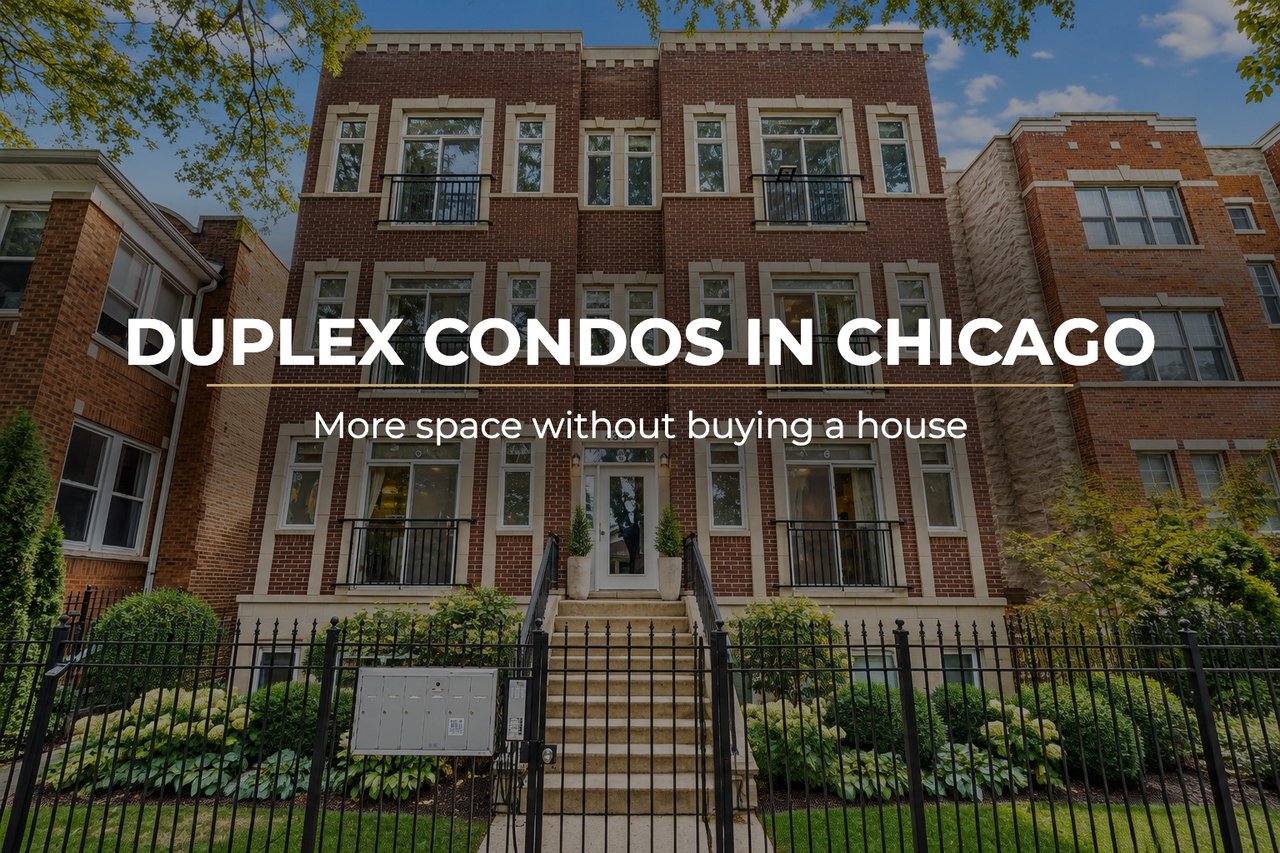
Listings
Duplex up vs. duplex down, who it fits, and a first look at a duplex coming soon near Horner Park

Sellers
How to compare a cash offer to a listed sale before you answer

Neighborhood Guides
The pockets, the lake, the Red Line, and what the 2026 numbers mean for buyers and sellers
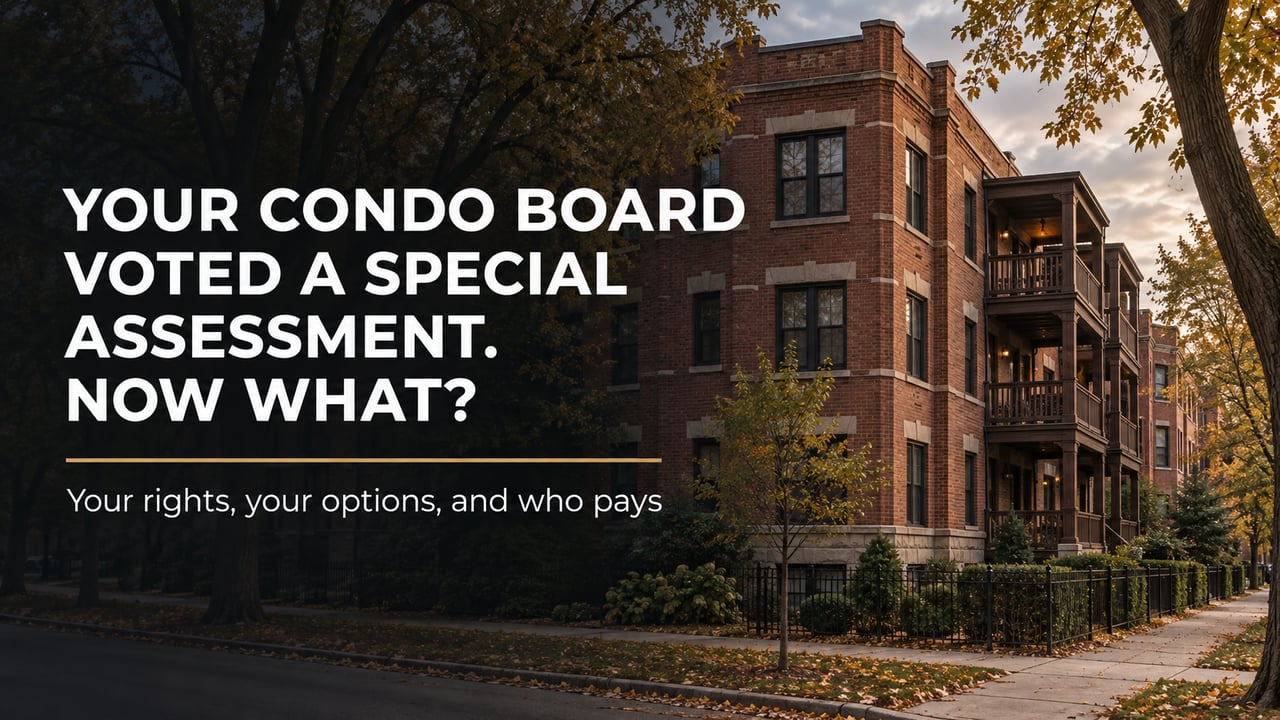
Buyers
How special assessments get approved, when owners can push back, and who pays when a condo sells

Neighborhood Guides
Beaches, four Red Line stops, historic blocks, and a 2026 housing market where houses and condos are moving in opposite directions

Buyers
How to write a stronger offer in Chicago without blindly overpaying

Seller Advice
The buyers who lost out in spring are still looking, and Chicago still has very few homes for sale.

Buyers
You can qualify as a buyer and still lose the condo if the building fails lender review. Here is what non-warrantable means, what changed in 2026, and what to check be… Read more
I'm Dee Savic, your trusted Chicago real estate expert, and I'm here to guide you through your relocation journey. Discover why Chicago is the perfect city for you; from its diverse neighborhoods to its cultural vibrancy, Chicago offers an unmatched urban experience. Together, we'll find a community and home that fits your lifestyle and aspirations.