
What does it actually take to win a home as a first-time buyer in Chicago's competitive North Side market? Sometimes it takes changing the strategy entirely. This is the story of how my clients lost three offers — including one where they offered $76,000 over asking with 20 percent down, as-is, and still came in second — and how we ultimately won a beautiful renovated home in Uptown without a bidding war, at a negotiated price, with an appraisal that came in $5,000 above what they paid.
I am sharing this because it is the most useful thing I can tell any first-time buyer who is frustrated in this market right now. Not theory. Not general advice. A real transaction, real numbers, and exactly what we did differently to win.
My clients were first-time buyers in every sense of the phrase — excited, prepared, financially strong, emotionally invested. They came in with 20 percent down, a fully underwritten pre-approval, and a genuine readiness to move quickly. On paper they were exactly the kind of buyers sellers want.
Chicago's North Side is currently running at roughly 1.5 months of housing supply — well below the 4 to 6 months that NAR considers a balanced market. In Uptown specifically, well-priced homes were going under contract within days with multiple competing offers. My clients knew the market was competitive. What they did not know yet was how competitive.
They lost their first offer. Then their second. Each time they came in strong — above asking, flexible on terms, financially solid. Each time someone else came in stronger.
The clearest example was a home on Carmen Avenue in Uptown listed at $699,000. It was a beautiful property in a neighborhood where demand was significantly outpacing supply, and it attracted exactly the kind of feeding frenzy that has become common on Chicago's North Side.
Here is what that offer situation looked like. There were 11 competing offers total. One was all-cash. One was cash with the right to finance. Nine included appraisal gap riders. Ten were submitted as-is, waiving the right to negotiate repairs. Six had open-ended closing dates giving the seller complete choice of timeline.
My clients offered $775,000 — $76,000 over the $699,000 list price. They came in as-is. They included a full appraisal gap waiver. They gave the seller flexibility on the closing date. They did everything a well-prepared buyer is supposed to do in a competitive situation.
They lost.
That result was not a failure of preparation or execution. It was a signal that the strategy itself needed to change.
After three lost offers, I had a direct conversation with my clients about what we were doing and why it was not working. The problem was not their qualifications or their willingness to compete. The problem was that we were putting them into situations where the outcome was largely outside our control — multiple-offer scenarios where the difference between winning and losing came down to who had the deepest pockets or the most aggressive terms, not who was the best-prepared buyer.
The shift was simple: stop competing on homes that had just come on the market, and start looking at homes that had been sitting longer than the neighborhood average.
In Uptown, where well-priced homes go under contract in two to four days, a home sitting on the market for 11 days is a meaningful signal. It means the home generated interest — showings, online traffic, buyer attention — but not offers. That gap between interest and offers almost always means one thing: the seller's expectations and the market's reality were not aligned at list price.
That misalignment is where a prepared buyer with a smart agent can win without a bidding war.
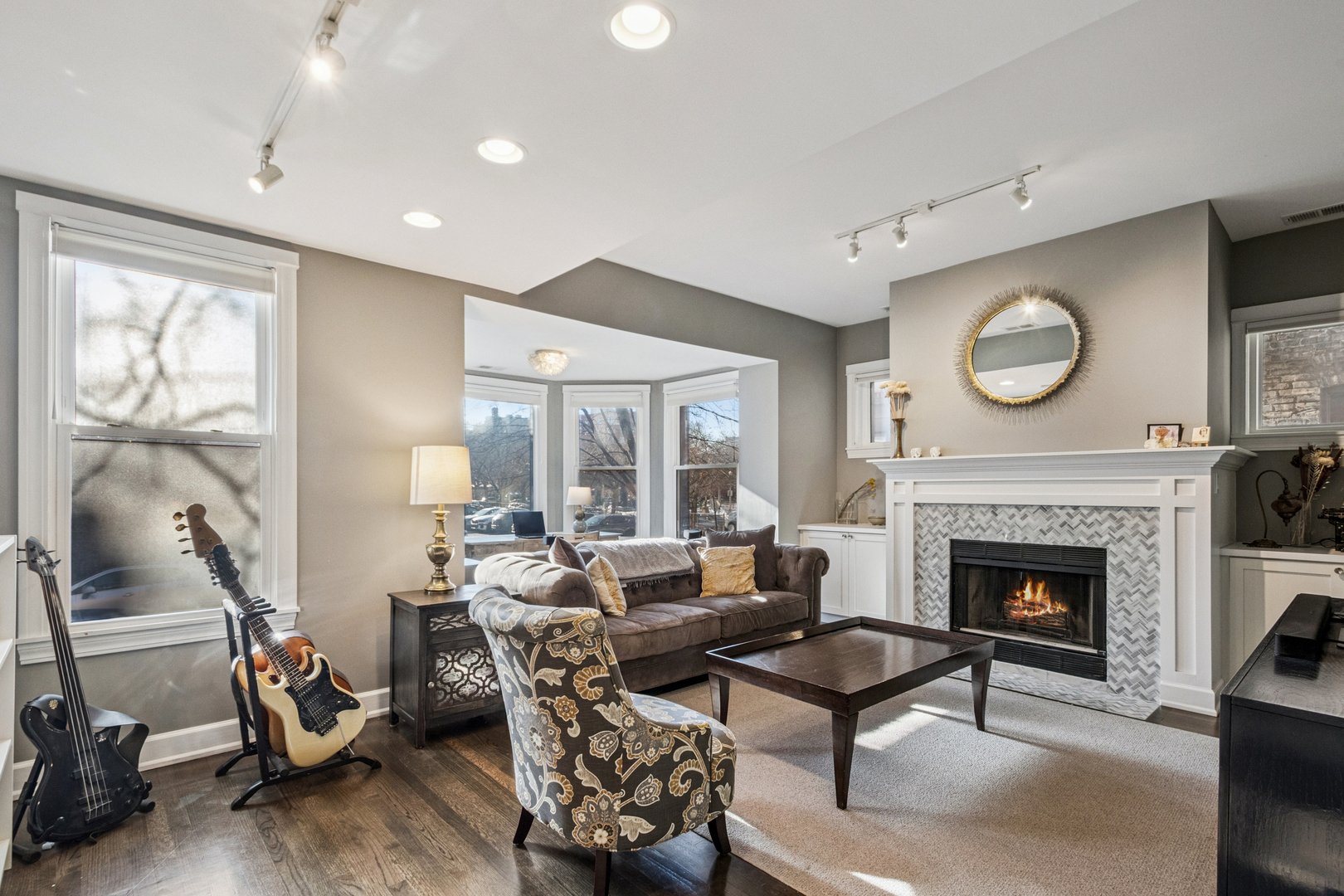
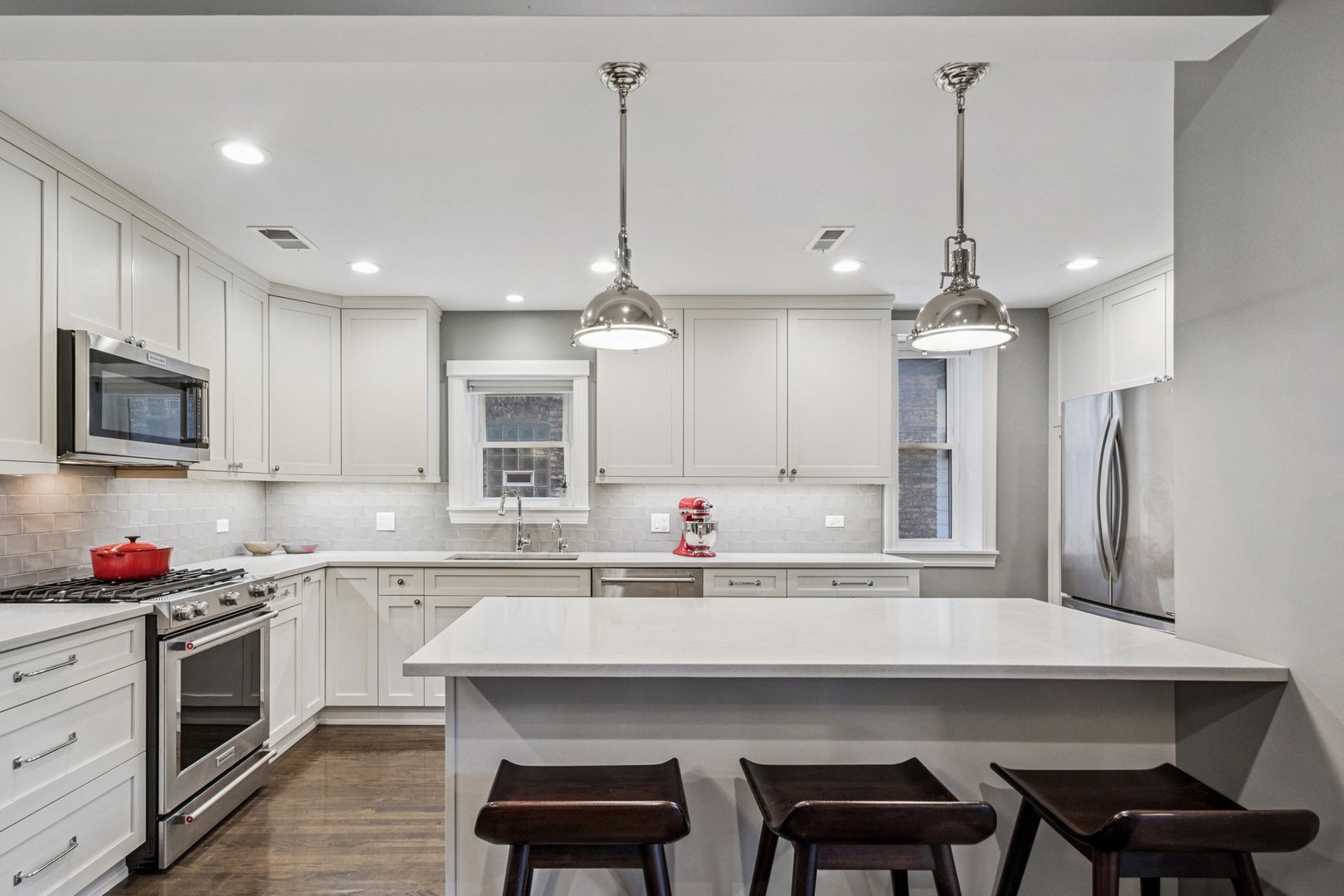
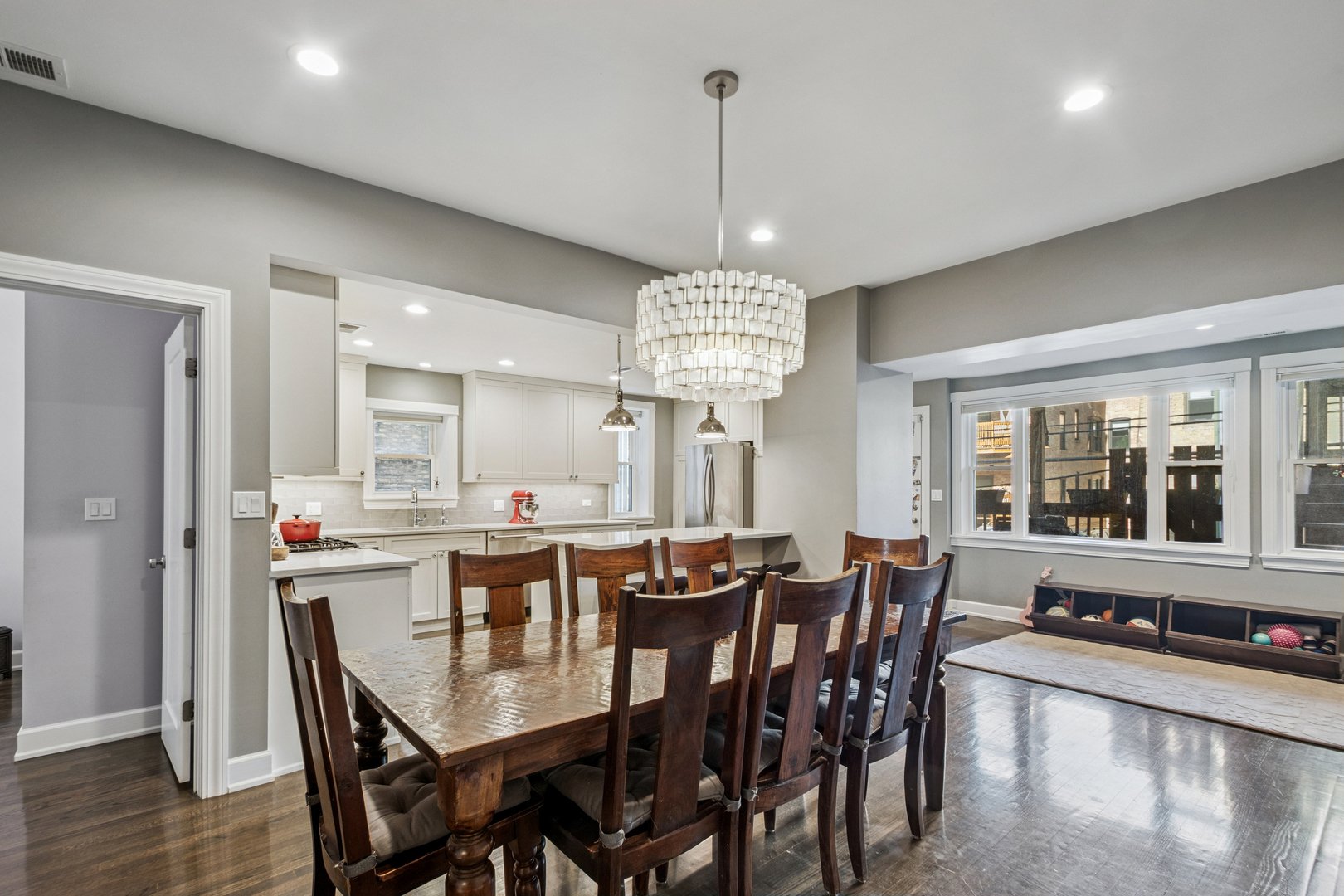
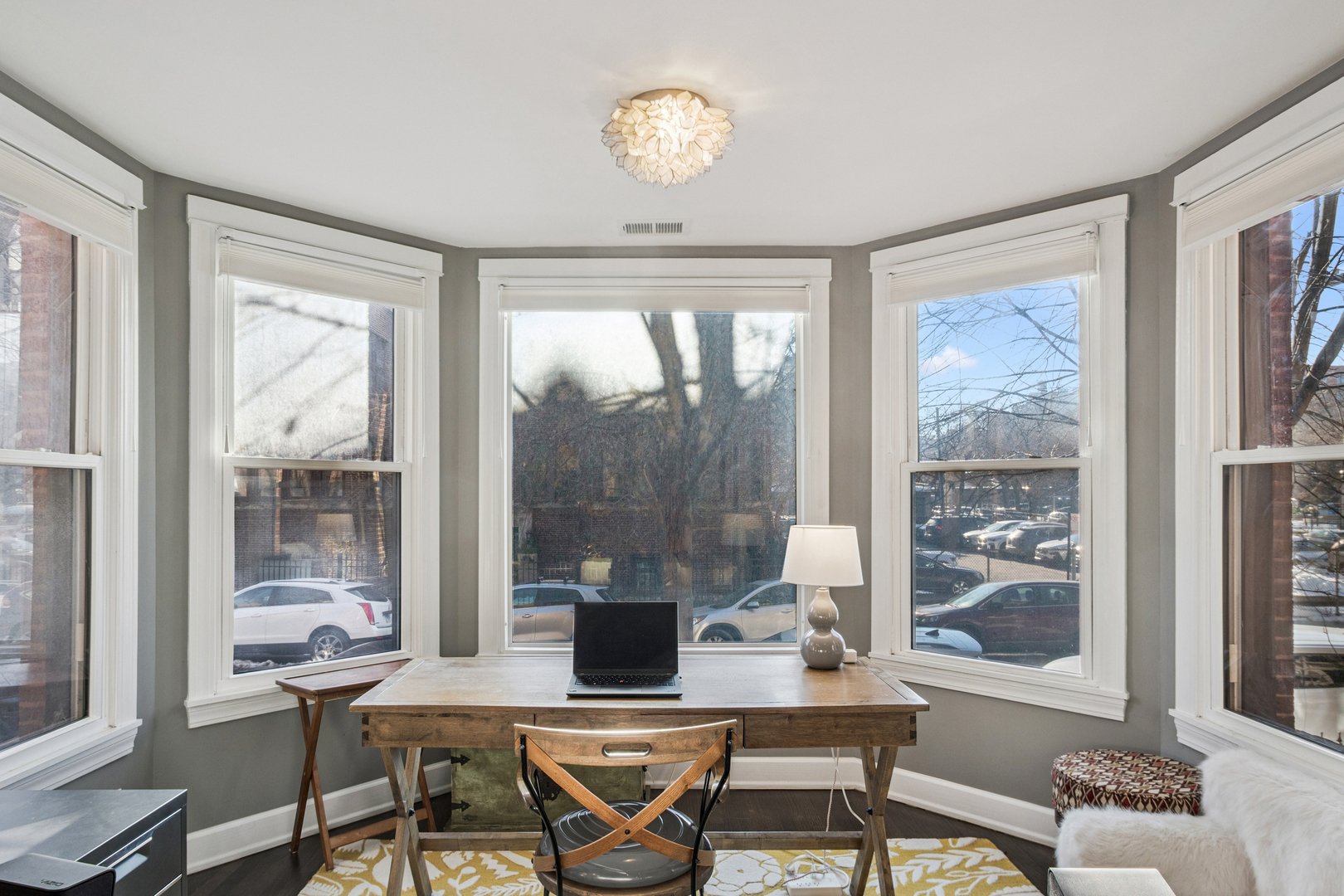
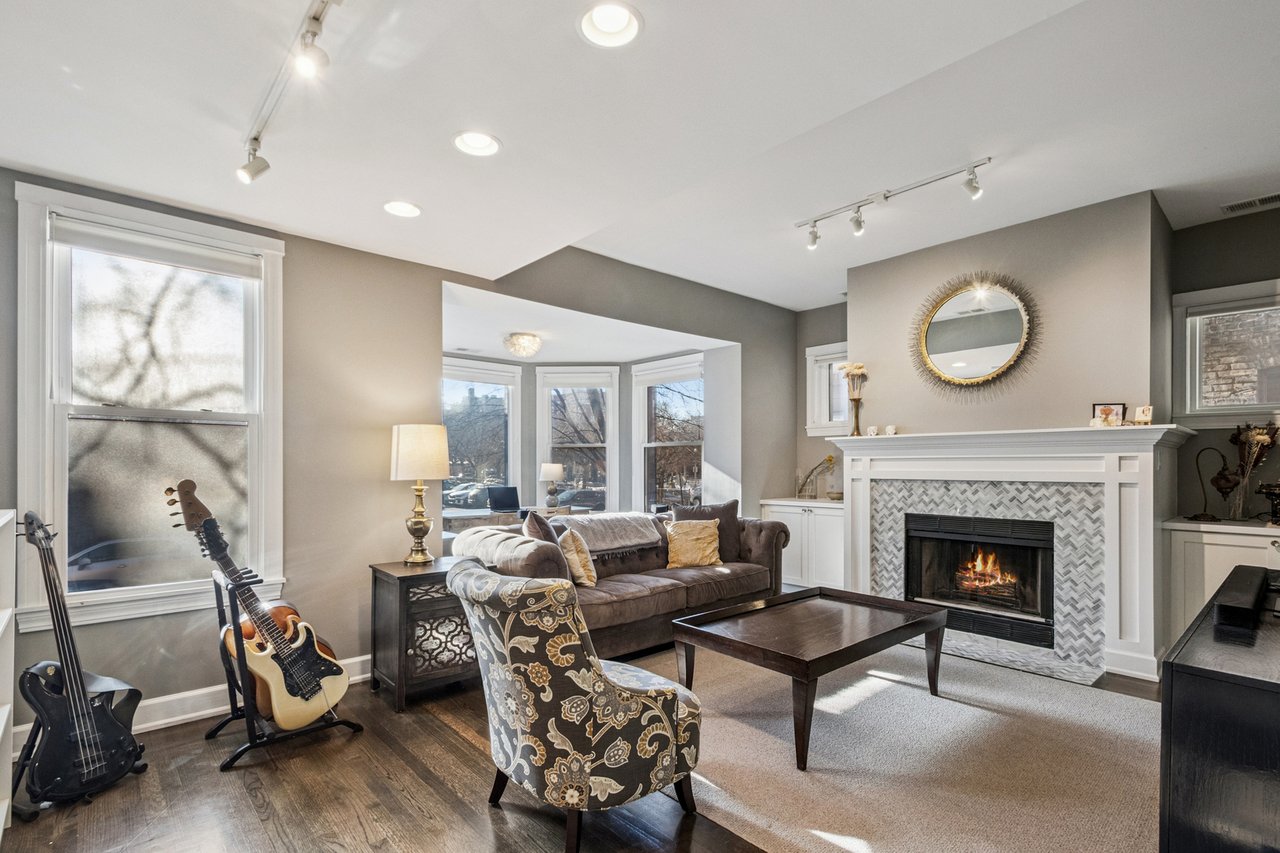
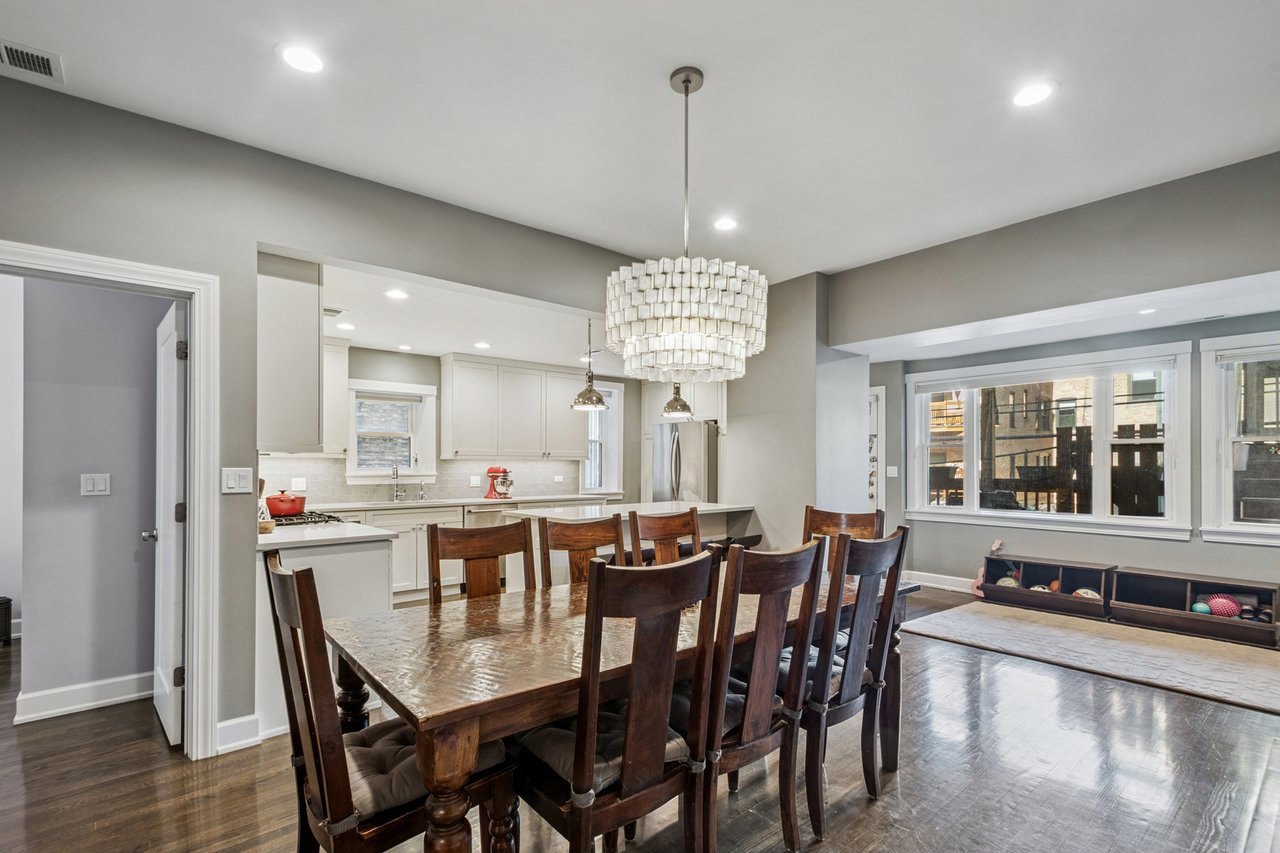
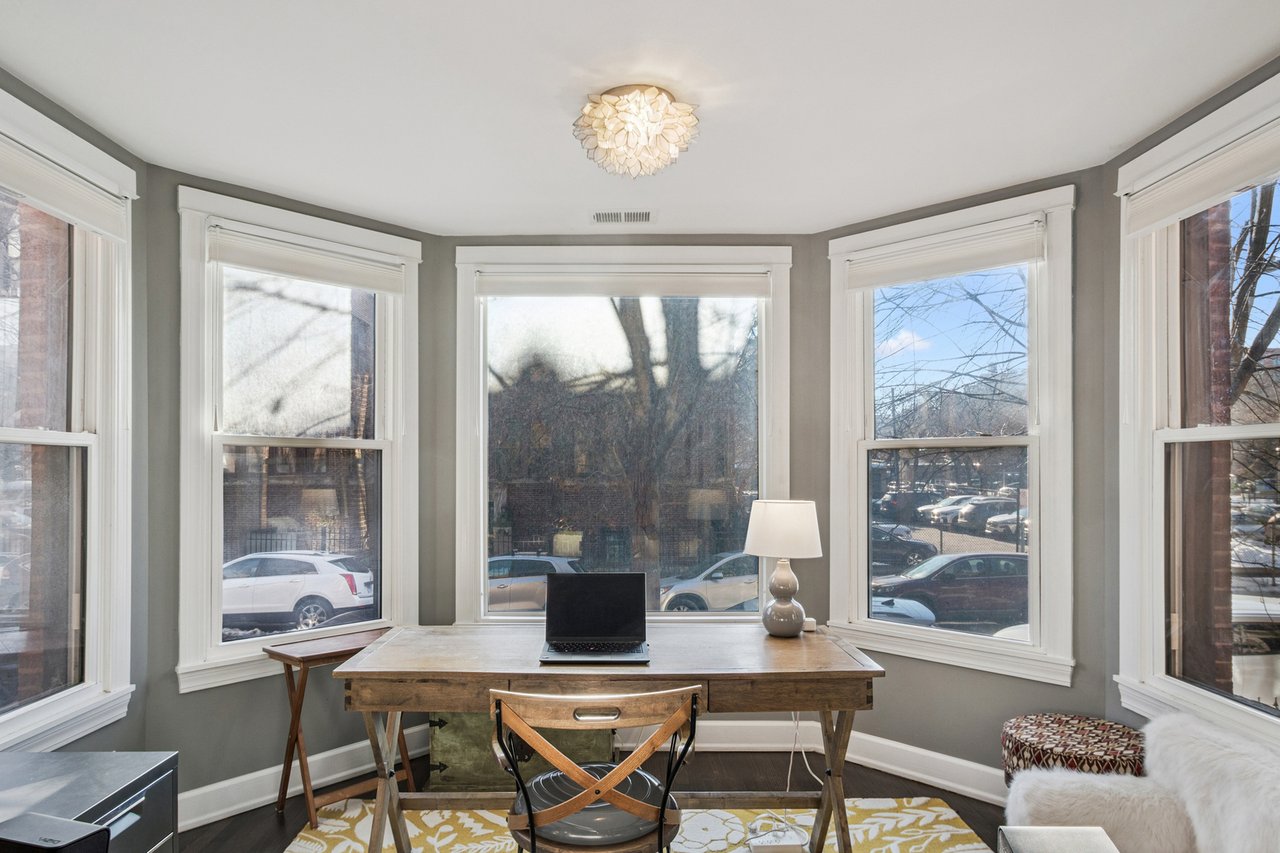
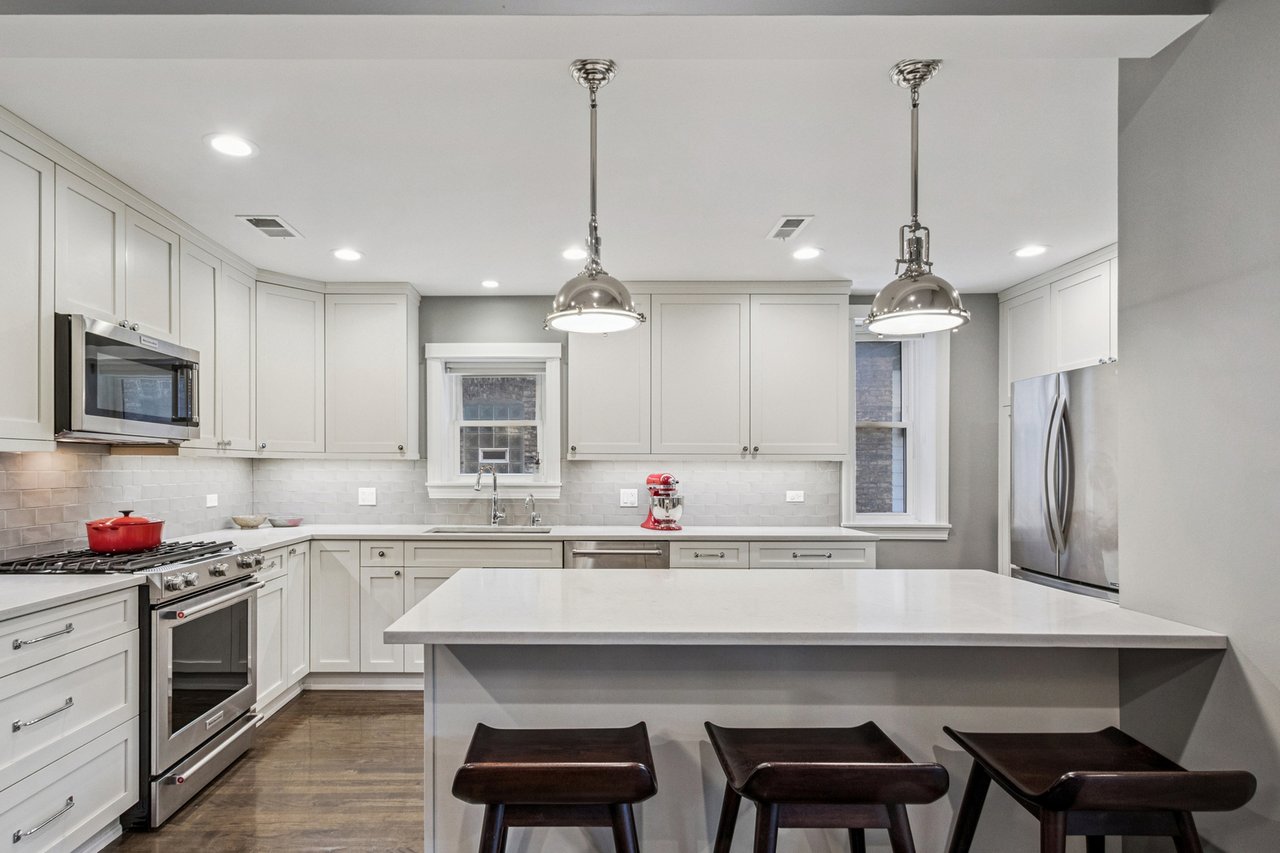
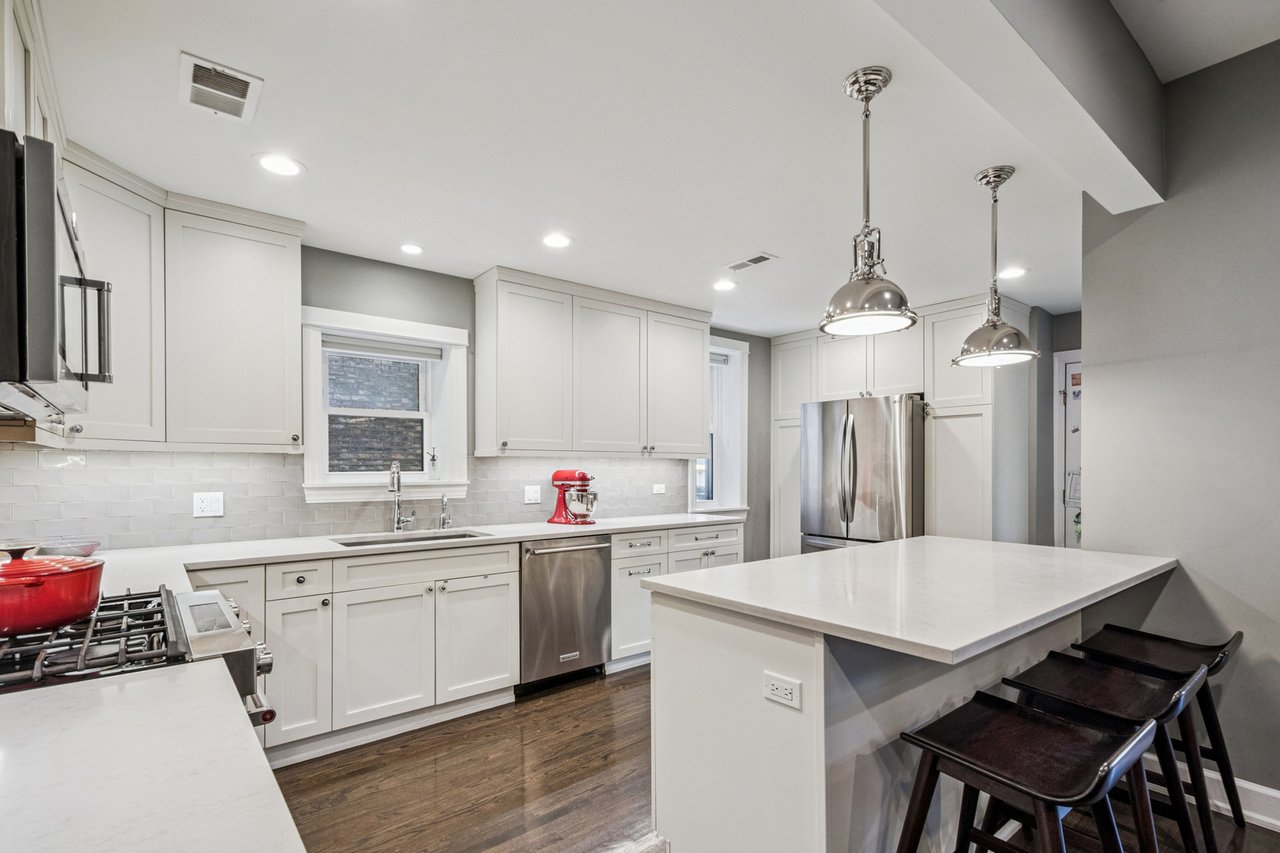
We found a beautifully renovated home at 926 W. Margate Terrace in Uptown listed at $750,000. It had been on the market for 11 days — an eternity in a neighborhood where comparable homes were going under contract within 48 to 72 hours. The home had generated significant showing activity and was genuinely outstanding — fully renovated, move-in ready, exactly what buyers in this market want. There was no obvious condition issue that would explain the lack of offers.
My assessment was that it was priced above where the market wanted to land. Not dramatically — but enough that buyers in a competitive market with options had moved on to homes where the value felt clearer. The seller was sitting with a great home, real buyer interest, and zero offers after nearly two weeks.
That is a very different negotiating position than a home that just hit the market and has 11 offers by Sunday evening.
We came in with a strong, clean offer — no games, no lowball, but a number that reflected where the market was rather than where the seller had hoped it would be. No competing offers. A motivated seller. A direct negotiation.
We reached an agreement.
Here is the part of this story that I love telling. When the appraisal came in, the home appraised at $5,000 above our contract price.
That means my clients did not just win a home without a bidding war — they won a home where an independent appraiser confirmed they paid below market value. They walked into closing with instant equity. Not a dramatic number, but a meaningful one for first-time buyers who had spent months watching their offers lose to buyers willing to waive appraisals entirely.
Compare that to the Carmen Avenue situation: buyers in that multiple-offer scenario were covering appraisal gaps out of pocket, meaning they were knowingly paying above what appraisers would confirm as market value, committing additional cash on top of their down payment to cover the difference. My clients paid below appraised value and kept every dollar of their cash reserves intact.
The days-on-market strategy is not about finding distressed homes or lowballing sellers. It is about identifying the specific category of homes where market dynamics have created a negotiating window — and moving on them before other buyers figure out the same thing.
Days on market relative to neighborhood average. If the neighborhood average is three days and a home has been sitting for ten or more, that is the first signal. Not a guarantee of a deal, but a reason to look more closely.
Showing activity versus offer activity. A home with strong showing history and no offers means buyers were interested but not convinced enough at that price. That is a motivated seller in waiting.
Price relative to recent closed comps. The most reliable way to identify an overpriced home is to compare it directly to what similar homes have actually sold for in the last 60 to 90 days — not active listings, not Zestimates, but closed sales. If the list price is above where comps land, the home will sit until the seller adjusts or until a buyer who does not know the comps pays too much.
Condition and presentation. A home that is sitting because of genuine condition issues needs a different analysis than one that is sitting purely because of price. The Margate home had no condition issues — it was beautifully renovated. The price was the only obstacle.
If you have lost multiple offers on Chicago's North Side and are wondering whether you are doing something wrong — you probably are not. The market is genuinely difficult for buyers who are not bringing cash or dramatically outsized down payments. The buyers who lost Carmen Avenue alongside my clients included cash offers and buyers waiving all appraisal protection. There is no shame in losing to that level of competition.
But losing in a bidding war is not the only path to homeownership in Chicago. The buyers who win in this market are the ones who understand which battles are worth fighting and which ones to walk away from. Sometimes the best offer you can make is the one you make when nobody else is in the room.
My clients are now homeowners in Uptown with equity from day one. They got there not by outspending everyone else, but by being smarter about where they competed.
It varies significantly by price point and neighborhood, but well-priced homes in Uptown, Andersonville, Lincoln Square, and Lakeview regularly receive 5 to 15 or more offers in the first weekend. The Carmen Avenue home in this case study received 11 offers. Homes priced slightly above market expectation receive far fewer — sometimes zero — which is exactly the opportunity this strategy targets.
Not necessarily — but first-time buyers need to be honest about their competitive position relative to other buyers in the market. A first-time buyer with 20 percent down and a strong pre-approval is genuinely competitive. The key is finding situations where that strength can shine rather than situations where it is overwhelmed by cash offers and unlimited appraisal gap coverage.
In most North Side Chicago neighborhoods right now, a home sitting for more than 10 days without going under contract is underperforming relative to the market. That does not automatically make it a deal — it means the question is worth asking. What happened during those showings? Why did buyers look and not offer? Is it price, condition, location on the block, or something else? Those are questions your agent should be able to answer.
An appraisal gap rider is a contract term where you agree to cover the difference between the appraised value and the purchase price out of your own pocket if the appraisal comes in low. In a competitive offer situation, including one signals financial strength and removes a contingency that sellers worry about. The risk is that you commit cash above appraised value — which is exactly what buyers in multiple-offer situations on the Carmen Avenue home were doing. My clients avoided this entirely and still won a home that appraised above their purchase price.
Whether you are a first-time buyer who has lost offers or someone just starting to figure out what this market looks like, I would love to talk through your situation. I specialize in helping first-time buyers in Chicago navigate this process — including the strategy conversation that most buyers never have until after they have lost three offers.
Start with my free Chicago Buyer's Course to get oriented on the full process, or schedule a complimentary and confidential consultation here.
Dee Savic
Realtor® | Baird & Warner
773.719.0989
[email protected]
deesavic.com

Buyers
How to write a stronger offer in Chicago without blindly overpaying

Seller Advice
The buyers who lost out in spring are still looking, and Chicago still has very few homes for sale.

Buyers
You can qualify as a buyer and still lose the condo if the building fails lender review. Here is what non-warrantable means, what changed in 2026, and what to check be… Read more

Neighborhood Guides
Five weeks of fall festivals across Lincoln Square, Ravenswood, Roscoe Village, and Andersonville - with exact dates, hours, locations, and what to know before you go.

Seller Advice
The hardest part of downsizing is usually not the market or the money. It is the house, the stuff, the timing, and not knowing where you would go next.

Market Updates
The North Side is Chicago. The North Shore is suburbs north of Chicago. The difference matters for schools, taxes, commute, housing style, and daily life.

Neighborhood Guides
A walking tour of Chicago's most misunderstood neighborhood - real MLS prices, the one-block rule, and which version of Wicker Park actually fits you.
Market Updates
North Side Chicago home prices hit a record $500,000 in Q2 2026 while inventory fell 22.8%. Here is what the numbers mean for buyers and sellers.

Market Updates
Chicago has grown three years in a row - but growth is slowing, and the housing market is doing something the headlines cannot explain.
I'm Dee Savic, your trusted Chicago real estate expert, and I'm here to guide you through your relocation journey. Discover why Chicago is the perfect city for you; from its diverse neighborhoods to its cultural vibrancy, Chicago offers an unmatched urban experience. Together, we'll find a community and home that fits your lifestyle and aspirations.