

How do you buy a home in Chicago for the first time? Buying a home in Chicago involves getting fully pre-approved, choosing the right neighborhood, making a competitive offer, navigating the Illinois attorney review period, completing your inspection, clearing the appraisal, and closing. The process has Chicago-specific requirements — including a mandatory real estate attorney — that differ from most other states and that every first-time buyer needs to understand before they start.
I work with first-time buyers on Chicago's North Side every week. The ones who have the smoothest experience share one thing in common: they understood the process before they started looking at homes. The ones who struggle are usually the ones who found a home they loved before they understood what it would take to win it.
This guide covers every step from the beginning to closing day, Chicago-specific throughout. If you want to go deeper on any part of the process, my free Chicago Buyer's Course walks through the full process in detail.
This is not a formality. In Chicago's current market — where the North Side is running at roughly 1.5 months of housing supply and well-priced homes are going under contract within days — a pre-qualification letter is not enough. You need a full pre-approval from a lender who has verified your income, assets, credit, and debt-to-income ratio.
The difference matters because sellers and their agents can tell the difference. A pre-approval signals that you are a serious, verified buyer. A pre-qualification is a preliminary estimate that has not been underwritten. In a multiple-offer situation, a buyer with a full pre-approval will beat a buyer with a pre-qualification on equal terms every time.
Watch my breakdown of exactly what separates pre-approval from pre-qualification and why it matters in this market before you take another step.
Get pre-approved before you tour a single home. Not after you find something you love.
First-time buyers in Chicago frequently underestimate the true cost of homeownership because they focus on the purchase price and monthly mortgage payment without accounting for Chicago-specific costs that add up quickly.
Cook County property taxes are among the higher in the country relative to home values. They vary significantly by address, and the number you see on a listing is often based on the seller's exemptions — which do not transfer to you. Always ask your agent to pull the actual tax bill and factor the real number into your monthly payment calculation. The Cook County Assessor's website lets you look up any property's tax history.
If you are buying a condo — which many first-time buyers in Chicago do — monthly HOA assessments are a real carrying cost that affects your debt-to-income ratio and your monthly budget. Lenders factor HOA fees into your qualification calculation, which means a $400 monthly assessment effectively reduces your purchasing power.
Buyers in Chicago typically pay 2 to 3 percent of the purchase price in closing costs, including lender fees, title insurance, attorney fees, and prepaid items like homeowner's insurance and property tax escrow. On a $500,000 home that is $10,000 to $15,000 in cash needed at closing beyond your down payment.
Chicago is a city of neighborhoods and the neighborhood you choose shapes everything — your commute, your daily life, your resale value, and your long-term equity. First-time buyers who start with a home search before they have settled on a neighborhood waste time and frequently end up confused.
The most common mistake I see: buyers fall in love with a specific home before they have walked the block at different times of day, understood the transit access, or compared the neighborhood to its neighbors. Choose your neighborhood first. Then find your home within it.
Chicago's North Side has strong options at a range of price points. My North Side neighborhood guide covers Lakeview, Lincoln Park, Lincoln Square, Ravenswood, Andersonville, Roscoe Village, and North Center with honest comparisons of feel, transit, housing stock, and price points. For relocating buyers, my Chicago relocation guide covers the full process of choosing a neighborhood from out of state.
In Chicago's current market, making an offer is not simply a matter of deciding what you want to pay. It is a strategic exercise that requires understanding what comparable homes have sold for, what terms the seller is likely to prioritize, and how to structure an offer that competes without overpaying.
Your agent should pull recent sold comparables — not active listings, not Zestimate estimates, but actual closed sales of comparable properties in the last 60 to 90 days — before you make an offer on anything. This is the only reliable way to know whether the list price is reasonable, too high, or likely to attract multiple offers above asking.
In Chicago's competitive market, the offer price is only one part of what wins. Terms that sellers care about include closing date flexibility, appraisal gap coverage, inspection contingency structure, and the strength of your pre-approval. My 10 Commandments When Buying a Home covers the full list of what to know before you make your first offer.
In multiple-offer situations, an escalation clause allows your offer to automatically increase above competing offers up to a ceiling you set. Used correctly, it ensures you are not wildly overpaying while remaining competitive. This is one of the most effective tools available to buyers in Chicago's current market and one that most first-time buyers do not know to ask about.
Once your offer is accepted, the clock starts on the attorney review period — typically five business days in Illinois during which both your attorney and the seller's attorney review the contract, request modifications, and either approve it or cancel the transaction.
Illinois is an attorney state, which means a licensed real estate attorney is required on both sides of every residential transaction. This is not optional. Your attorney protects your interests through contract review, title clearance, document preparation, and closing coordination. Attorney fees for a standard Chicago residential purchase typically run $500 to $1,000.
The attorney review period is one of the most important protections available to buyers in Illinois — but only if your attorney moves quickly and communicates clearly. Have your attorney identified and ready to go before you make an offer, not after. Illinois Realtors outlines the standard contract terms your attorney will review.
The inspection period does not begin after attorney review ends — both run simultaneously within the same five business day window following contract acceptance. This is an important Chicago-specific distinction that most buying guides get wrong.
Running them together is actually a significant advantage. If your inspector discovers issues, your attorney can negotiate repairs or credits on your behalf during the attorney review period before the contract becomes binding. You do not have to choose between walking away and accepting problems — you can address them while the contract is still being finalized.
That said, in today's competitive Chicago market many buyers are purchasing in as-is condition to strengthen their offers. This means the seller will not make repairs or offer credits regardless of what the inspection finds. If you are buying as-is, the inspection is still essential — it tells you exactly what you are taking on so there are no surprises after closing. You can still walk away if the inspection reveals something you cannot accept.
Chicago's older housing stock has specific issues that a qualified inspector will look for: aging electrical systems including knob-and-tube wiring in unrenovated buildings, brick and tuckpointing condition, older plumbing, flat roofs on coach houses and additions, and HVAC systems in vintage buildings that were not originally designed for central air. Use my Home Viewing Checklist to know what to look for even before the formal inspection.
If you are financing your purchase, your lender will order an appraisal to confirm the home's value supports the purchase price. In a competitive market where buyers are frequently offering above asking price, the appraisal can come in below the contract price — creating what is called an appraisal gap.
An appraisal gap means you either need to negotiate a price reduction with the seller, cover the difference in cash out of pocket, or walk away. In Chicago's current market, many buyers are agreeing upfront to cover appraisal gaps up to a specified amount as part of their offer terms. Understanding this before you make an offer — and knowing how much gap coverage you can afford — is essential preparation.
The final walkthrough is one of the most important steps in the entire process and one that too many buying guides skip entirely. It typically happens 24 to 48 hours before closing and it is your last opportunity to address anything before you take ownership.
Here is what you are looking for during the final walkthrough. First, confirm that all appliances and personal property agreed upon in the contract are still in the home. As unlikely as it sounds, sellers occasionally remove items — a specific light fixture, an appliance, a built-in — that were supposed to stay. Second, test everything. Run the dishwasher. Turn on the HVAC. Check every faucet, outlet, and appliance. Third, look for any new damage that may have occurred since your inspection. Fourth, confirm the home is in the same condition as when you made your offer and that any agreed-upon repairs have been completed.
I cannot stress this enough: things happen between contract and closing that nobody anticipates. I had a listing where the water dispenser on the refrigerator got disconnected and flooded the living space before closing. We had to postpone the closing, the seller refinished the floors, and everyone's timeline was disrupted. That kind of damage would have been discovered at the final walkthrough and could have been addressed before closing rather than becoming a crisis on closing day — or worse, you moving into a home that flooded and not knowing about it because you skipped this step.
On another transaction, I saved a buyer $1,000 by remembering to turn on the hot water during the walkthrough. There was none. The water heater had failed between inspection and closing. Because we caught it at the walkthrough — not after closing — we were able to negotiate a credit from the seller to replace it. Once you close, the home is yours and so are all of its problems. The final walkthrough is your last chance to make sure you know exactly what you are getting.
If something is wrong at the final walkthrough, your attorney can delay closing, negotiate a credit, or require the issue be resolved before you sign. Do not skip this step and do not rush through it.
In the weeks between contract and closing, your lender will work through final underwriting conditions, your attorney will clear title, and both sides will prepare closing documents. Stay responsive. Lenders and attorneys move quickly in this market and delays in responding to document requests can push closing dates and create stress for everyone involved.
Chicago closing costs for buyers typically include lender origination fees, title insurance, attorney fees, prepaid homeowner's insurance, and property tax escrow. Your lender is required to provide a Closing Disclosure at least three business days before closing that outlines every cost you will pay. Review it carefully with your attorney before closing day.
On closing day you will sign a significant amount of paperwork, wire your closing funds, and receive your keys. The whole process from accepted offer to closing typically runs 30 to 45 days in Chicago depending on financing and complexity.
Beyond your down payment — which can range from 3 to 20 percent depending on your loan type — Chicago first-time buyers should budget 2 to 3 percent of the purchase price for closing costs, plus reserves for moving expenses and initial home maintenance. Cook County property taxes are also higher than most buyers expect and should be factored into your monthly budget from the start.
Yes. Illinois is an attorney state and a licensed real estate attorney is required on both sides of every residential transaction. Your attorney reviews the contract during the attorney review period, clears title, prepares closing documents, and protects your interests through the transaction. Attorney fees for a standard purchase typically run $500 to $1,000.
From accepted offer to closing, the typical Chicago residential transaction takes 30 to 45 days. The timeline depends on your financing, the complexity of the transaction, and how quickly both attorneys move through the review period. Getting fully pre-approved before you start your search keeps you ready to move immediately when the right home appears.
Lincoln Square, Ravenswood, North Center, and Andersonville consistently offer strong value for first-time buyers who want North Side neighborhoods with character, transit access, and genuine community feel at price points more accessible than Lakeview and Lincoln Park. The right neighborhood depends on your commute, lifestyle priorities, and budget. I am happy to walk you through the comparison in a consultation.
Whether you are six weeks from being ready or six months out, the earlier we talk the better positioned you will be. I specialize in helping first-time buyers in Chicago navigate this process with confidence — from choosing the right neighborhood through closing day.
Start with my free Chicago Buyer's Course to get oriented on the full process, then schedule a complimentary and confidential consultation when you are ready to talk specifics.
Dee Savic
Realtor® | Baird & Warner
773.719.0989
[email protected]
deesavic.com
Neighborhood Guides
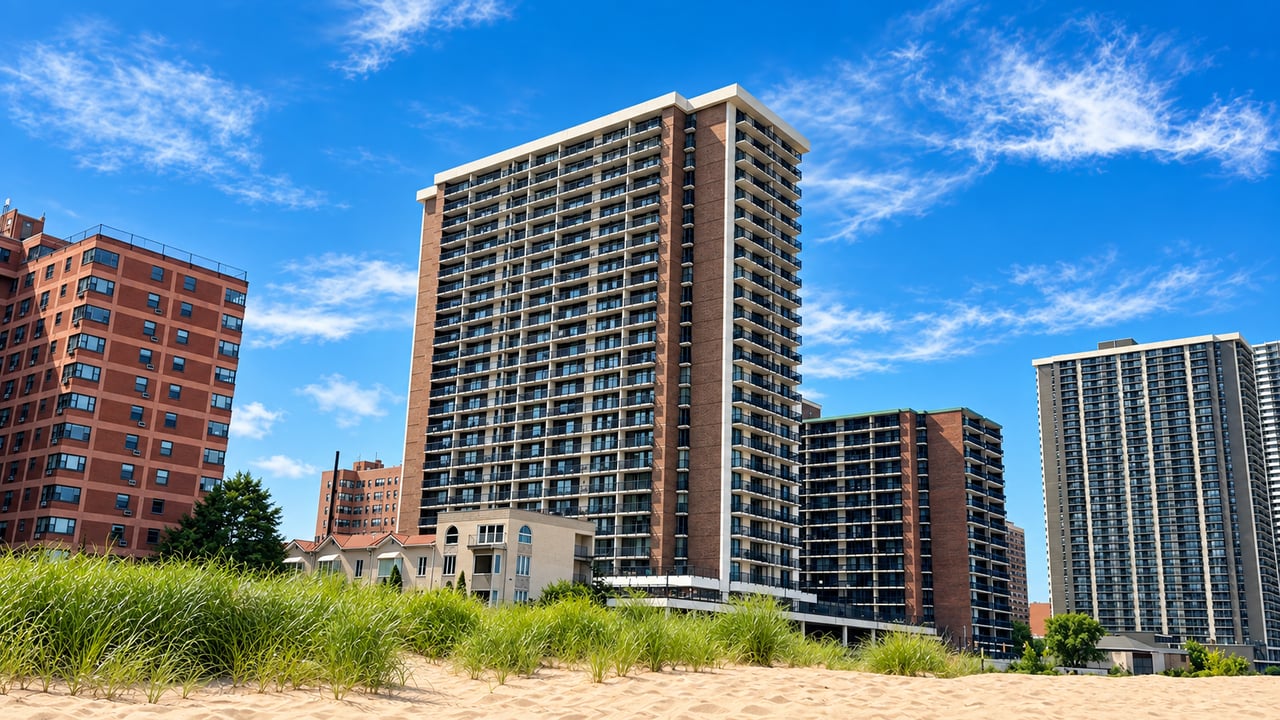
Beaches, four Red Line stops, historic blocks, and a 2026 housing market where houses and condos are moving in opposite directions

Buyers
How to write a stronger offer in Chicago without blindly overpaying

Seller Advice
The buyers who lost out in spring are still looking, and Chicago still has very few homes for sale.

Buyers
You can qualify as a buyer and still lose the condo if the building fails lender review. Here is what non-warrantable means, what changed in 2026, and what to check be… Read more

Neighborhood Guides
Five weeks of fall festivals across Lincoln Square, Ravenswood, Roscoe Village, and Andersonville - with exact dates, hours, locations, and what to know before you go.

Seller Advice
The hardest part of downsizing is usually not the market or the money. It is the house, the stuff, the timing, and not knowing where you would go next.

Market Updates
The North Side is Chicago. The North Shore is suburbs north of Chicago. The difference matters for schools, taxes, commute, housing style, and daily life.

Neighborhood Guides
A walking tour of Chicago's most misunderstood neighborhood - real MLS prices, the one-block rule, and which version of Wicker Park actually fits you.
Market Updates
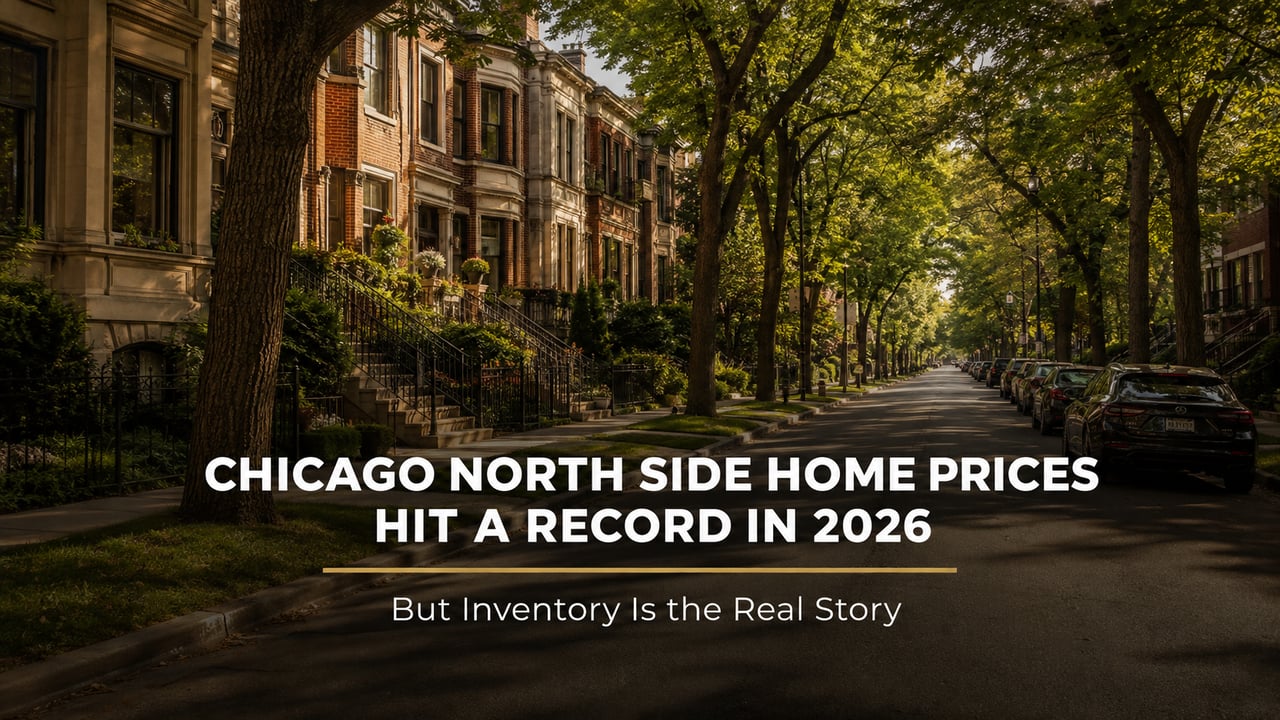
North Side Chicago home prices hit a record $500,000 in Q2 2026 while inventory fell 22.8%. Here is what the numbers mean for buyers and sellers.
I'm Dee Savic, your trusted Chicago real estate expert, and I'm here to guide you through your relocation journey. Discover why Chicago is the perfect city for you; from its diverse neighborhoods to its cultural vibrancy, Chicago offers an unmatched urban experience. Together, we'll find a community and home that fits your lifestyle and aspirations.