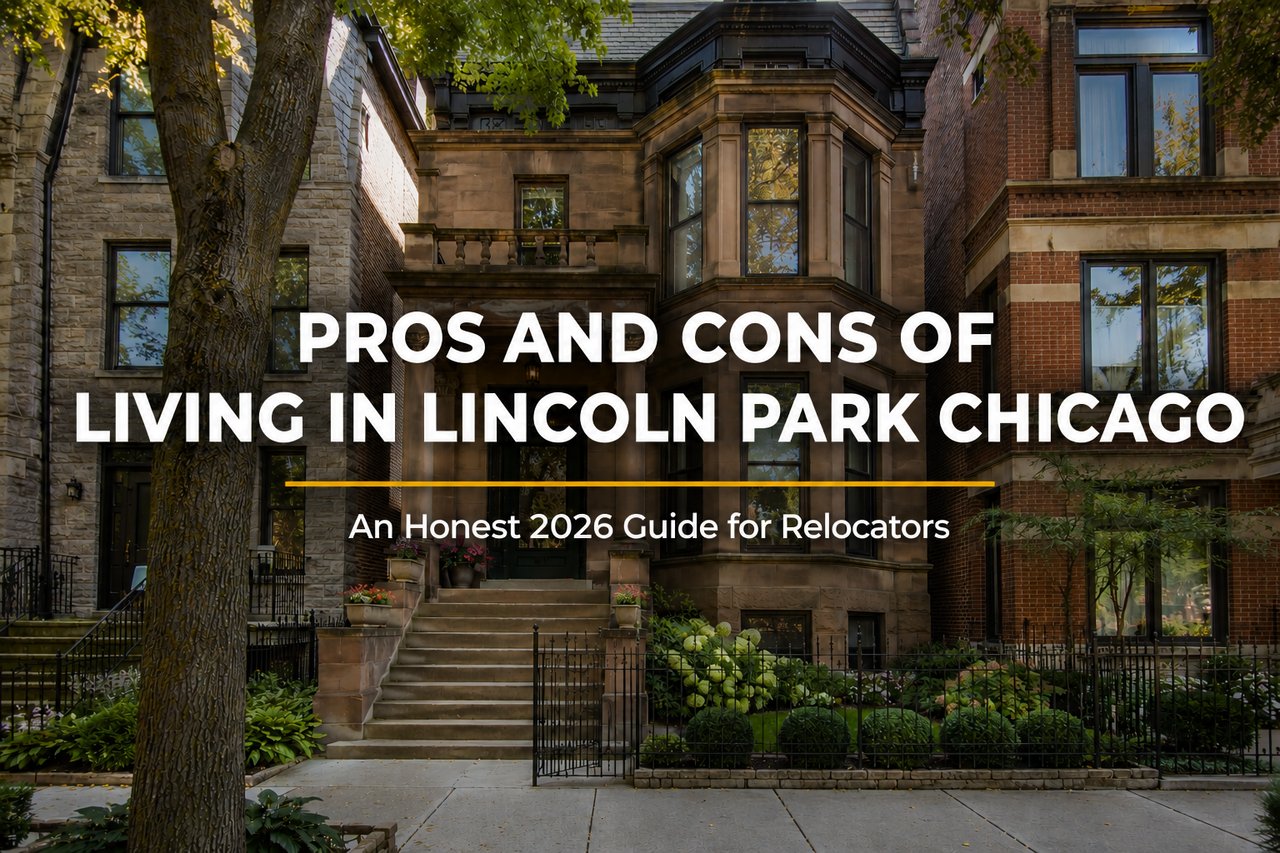
What are the real pros and cons of living in Lincoln Park Chicago? Lincoln Park offers walkability, green space, strong schools, top restaurants, and a quick downtown commute - but you pay for it with some of the highest housing prices in Chicago, summer congestion, tight parking, and smaller lots that limit outdoor space.
I am Dee Savic, a Realtor with Baird & Warner and a 24-year real estate professional specializing in Chicago's North Side. I have lived in Chicago for 27 years and have closed 300+ transactions across the city, including extensive work in Lincoln Park and surrounding neighborhoods. If you are relocating to Chicago and Lincoln Park is on your list, this is the honest version of what it is, what it costs, and who it actually fits.
For buyers, this guide helps you understand both sides before you commit. For sellers, Lincoln Park's consistent demand rewards correct pricing - but even in this market, overpriced homes sit. The data makes that clear.
Prefer to watch instead? Watch the video version below.
Who it appeals to | Relocators, professionals, buyers seeking walkability, and lakefront access, good schools, luxury buyers, downsizers |
Housing types | Condos, vintage walkups, greystones, brownstones, boutique buildings, luxury single-family homes, lakefront high-rises |
Main pros | Green space, walkability, restaurants, schools, architecture, and a quick downtown commute |
Main cons | High prices, congestion, tighter parking, smaller lots, and a competitive real estate market |
Nearby alternatives | Lakeview, Lincoln Square, Roscoe Village, North Center, and Ravenswood |
The biggest mistake relocators make is choosing a Chicago neighborhood based on what looks good online instead of how it actually feels day to day. Lincoln Park has trade-offs, and the buyers who love living here are the ones who understood both sides before they signed. The ones who end up disappointed are usually the ones who focused only on the greystones, lakefront, restaurants, and parks without asking about parking, traffic, price point, and what their budget realistically buys.
Below is what 24 years of selling real estate in this neighborhood actually looks like.
Lincoln Park is a North Side neighborhood running along Lake Michigan, just north of downtown. It is anchored by the 1,200-acre Lincoln Park, which holds the Lincoln Park Zoo, the Lincoln Park Conservatory, the Peggy Notebaert Nature Museum, and direct lakefront access. The Loop, River North, and West Loop are all reachable by train, bus, or Lake Shore Drive in minutes. That position - residential feel with downtown access and the lakefront at the edge of the neighborhood - is the entire reason Lincoln Park commands the prices it does.
Most buyers also pay close attention to where they are within Lincoln Park, because living near Armitage, Halsted, Clark, Lincoln Avenue, or the lakefront can feel very different depending on commute, noise, parking, and daily walkability.
Lincoln Park feels established and residential. You will find greystones, brownstones, smaller boutique buildings, vintage walkups, modern single-family homes, and some high-rises closer to the lake. It does not feel like downtown high-rise living, even though downtown is minutes away.
Green space is built into daily life here, not something you have to plan around. The 1,200-acre lakefront park is the anchor, but Oz Park, Wrightwood Park, and Jonquil Park are the parks people actually use every day - dog walks, playground visits, weekday strolls, and meeting friends outside. See the Chicago Park District for hours and programming.
Many of my relocation clients choose Lincoln Park for one very practical reason: it makes daily life easier. Restaurants, grocery stores, coffee shops, boutiques, fitness studios, parks, and lakefront access are all close by. A significant portion of your errands can get done without getting in a car.
The downtown commute is the other half of the appeal. Clients who work in the Loop, River North, or West Loop can take the Red, Brown, or Purple Line, use nearby bus routes, or drive Lake Shore Drive when needed. For buyers who value their time, that commute flexibility is a real quality of life upgrade compared with neighborhoods further north or west. See the CTA Train Map to plan your commute.
Lincoln Park is home to Alinea - one of the most acclaimed Michelin-starred restaurants in the country, located at 1723 N Halsted - along with neighborhood favorites like Boka, Armitage Ale House, Cafe Ba-Ba-Reeba, and Summer House Santa Monica. You can do serious fine dining or casual neighborhood dining without leaving the area. Armitage Avenue is one of the most charming retail and dining corridors in Chicago, with a mix of local boutiques and recognizable brands that has been building for decades.
Even if you are relocating without children, schools affect long-term home values in Chicago. Lincoln Park's school options are a major reason buyers consistently target the neighborhood. Lincoln Elementary, Alcott College Prep, Mayer Elementary, and Lincoln Park High School all serve the area depending on your specific address. Always verify which school serves a specific property using the CPS School Locator. Zoning in Lincoln Park is block-specific and boundary lines matter when you are shopping for a home.
After 24 years selling real estate in Chicago, Lincoln Park has some of the most desirable housing stock in the city. Classic greystones, brownstones, three-unit walkups, six-flats, modern luxury single-family homes, boutique condo buildings, and high-rises with lake views all exist within the neighborhood. The architectural character gives Lincoln Park a visual quality that holds value over time, and the variety means buyers at different price points and life stages can find something that fits. That said, the best properties are rarely overlooked - buyers need to understand value quickly and be prepared when the right home comes to market.
Lincoln Park is one of the most expensive neighborhoods in Chicago. Condos typically range from the mid $400,000s up to $1.5 million or more depending on size, age, location, outdoor space, parking, and building quality. Single-family homes usually start around $1.5 million and can reach $4 million, $5 million, or $6 million-plus on the most desirable blocks.
You are paying for location, schools, green space, convenience, architecture, and long-term demand. If your budget is tight or you want more home for the money, neighborhoods like Roscoe Village, North Center, Lincoln Square, or Ravenswood can deliver a similar North Side residential feel at more accessible price points. My complete Chicago neighborhoods guide covers those comparisons in more detail.
The same things that make Lincoln Park appealing also make it busy. The zoo, lakefront, parks, DePaul University, shopping, restaurants, and summer events all pull people in from across the city. Summer is the peak. Tourist crowds, festival traffic, weekend brunch lines, lakefront congestion, and busy commercial corridors can make the neighborhood feel very different in July than it does in February. Some people love that energy. Others find it overwhelming. If you prefer quieter streets, you need to be intentional about which part of Lincoln Park you choose - or compare it with calmer nearby neighborhoods.
The streets are beautiful but many are narrow. They were laid out long before modern traffic volumes. Add delivery trucks, rideshares, residents, visitors, and school traffic, and certain blocks can feel tight. If you do not have garage parking, you will likely be parallel parking. During busy seasons, finding a spot takes patience. East-west streets like Fullerton can back up during rush hour.
Many Lincoln Park residents live comfortably without a car, especially if they work downtown or stay within the North Side for most of their daily routine. But if you rely heavily on yours, factor parking into your budget and property search from day one.
Lincoln Park is consistently one of the most competitive neighborhoods in Chicago. Inventory often runs well under two months of supply. In real estate, anything under four to six months is considered a seller's market, so supply here is very tight.
Well-priced properties do not sit. I recently helped a seller close their Lincoln Park condo at $65,000 over asking price. Not because it was underpriced - because demand was strong, inventory was thin, and multiple buyers were competing for the same home. What this means for buyers: when the right property comes up, you need to be ready. Pre-approved, clear on your numbers, and clear on your priorities. You do not always have weeks to decide in Lincoln Park.
Lincoln Park follows the classic Chicago lot pattern - often 25 feet wide and 125 feet deep. Even at a higher price point, you are not getting a suburban yard. Outdoor space usually means a deck, rooftop, small backyard, patio, or balcony. You are paying for location, walkability, proximity to the lake, downtown access, restaurants, schools, and neighborhood prestige. You are not paying for land. For many relocators that trade-off is worth it. If space is a priority, that conversation needs to happen early so you can compare Lincoln Park with neighborhoods that may offer more room for the money.
Lincoln Park is an excellent neighborhood for the right buyer. If you want walkability, strong school options, green space, a quick downtown commute, beautiful architecture, and serious restaurants outside your door, it can be a very strong fit.
If you value quieter streets, easier parking, and more space for your money, I would show you other neighborhoods first. That is not a knock on Lincoln Park - it is about alignment with how you actually want to live. The tools most relocators start with will not tell you which block feels busier in the summer, where congestion builds at rush hour, which streets feel calmer, or how much different your lifestyle may feel just a few blocks away. That is where local guidance matters.
For the full Chicago neighborhood comparison see my complete Chicago neighborhoods guide. For how Lincoln Park compares specifically to Lakeview and Lincoln Square see my Lakeview neighborhood guide and Lincoln Square neighborhood guide.
For current Lincoln Park listings and neighborhood details see my Lincoln Park neighborhood page.
Yes. Lincoln Park is one of the strongest Chicago neighborhoods for relocators who want walkability, lakefront access, strong schools, restaurants, beautiful architecture, and a quick downtown commute. The main thing to understand before choosing Lincoln Park is cost. You will usually pay more here than in nearby North Side neighborhoods, so it is important to compare what your budget buys in Lincoln Park versus Lakeview, Lincoln Square, North Center, Roscoe Village, and Ravenswood.
Lincoln Park appeals most to buyers who value location, convenience, architecture, schools, green space, restaurants, and downtown access more than maximum square footage. It is especially appealing to professionals, luxury buyers, downsizers, and relocation buyers who want a polished North Side neighborhood with strong long-term demand.
Lincoln Park is one of Chicago's most established residential neighborhoods, with active foot traffic from residents, DePaul University, and visitors throughout the day and evening. Like any urban neighborhood, conditions vary block by block. When touring homes, the specific street and surrounding blocks matter more than neighborhood-level generalizations.
It depends on whether you rent or buy and what kind of home you want. Condos often start in the mid $400,000s - a buyer would typically need a household income in the $150,000-plus range to comfortably afford an entry-level Lincoln Park condo at current rates, depending on down payment, debt, taxes, and assessments. Single-family homes usually start around $1.5 million, which generally requires household income in the $400,000-plus range or significant down payment equity. Every situation is different - speak with a lender before assuming what price point is realistic.
Lincoln Elementary, Alcott College Prep, Mayer Elementary, and Lincoln Park High School all serve the neighborhood depending on the specific address. School attendance boundaries in Chicago are block-specific. Always verify through the CPS School Locator before making any purchase decision based on school access.
It depends on what you are optimizing for. Lincoln Park gives you lakefront access, the zoo, established housing stock, strong schools, and a very quick downtown commute - with the highest prices to match. Lakeview is more affordable in many pockets and has more nightlife and energy. Lincoln Square is quieter, more neighborhood-scale, and usually offers better value per square foot. There is no objectively better neighborhood - only the right one for your lifestyle, budget, and daily routine.
Yes - highly walkable. Restaurants, grocery stores, coffee shops, the lakefront trail, transit, parks, and daily services are all within easy walking distance of many Lincoln Park addresses. Walkability can vary by exact block, so it is important to evaluate the specific location rather than just the neighborhood name.
Very competitive. Lincoln Park inventory is tight and well-priced homes often receive strong activity quickly. Buyers need to be pre-approved, clear on their priorities, and ready to move when the right property appears. See my complete Chicago buyer's guide for how to compete effectively in this market.
Choose Lincoln Park if you want lakefront access, the zoo, established architecture, strong schools, and one of the fastest North Side commutes to downtown - and you are comfortable paying a premium for it. Choose Lakeview if you want similar North Side quality of life with more housing variety, more price accessibility, and slightly more neighborhood energy. Both are excellent - the right answer depends on your budget and how you want your day-to-day life to feel.
Choose Lincoln Park if downtown commute speed, lakefront access, and premium location are top priorities. Choose Lincoln Square if you want a quieter, more neighborhood-scale feel with better value per square foot and a strong local commercial corridor. Lincoln Square buyers often move there after searching Lincoln Park and realizing what their budget buys a few miles north. See my complete Lincoln Square guide for the detailed comparison.
Lincoln Park Zoo - free admission and one of Lincoln Park's most significant neighborhood assets.
CTA Train Map - plan your commute from Lincoln Park to downtown and other Chicago neighborhoods.
CPS School Locator - verify which school serves any specific Lincoln Park address.
Buyers: search current Lincoln Park homes for sale here or start with my free Chicago Buyer's Course.
Sellers: start with a free home value review to see what your Lincoln Park home is worth in today's market.
Relocating to Chicago? Start with my free Chicago Relocation Guide to compare neighborhoods, lifestyle, commute, and housing options.
Or schedule a complimentary and confidential consultation here.
Dee Savic is a Realtor with Baird & Warner, a 24+ year real estate professional, and a 27+ year Chicago resident with 300+ closed transactions and hundreds of five-star reviews. She specializes in helping buyers, sellers, and relocation clients across Chicago's North Side - including Lincoln Park, Lakeview, Lincoln Square, Ravenswood, Andersonville, North Center, Roscoe Village, and surrounding neighborhoods.

Dee Savic
Realtor® | Baird & Warner
4553 N. Lincoln Ave, Chicago, IL 60625
773.719.0989
[email protected]
deesavic.com
Buyers
How to write a stronger offer in Chicago without blindly overpaying
Seller Advice
The buyers who lost out in spring are still looking, and Chicago still has very few homes for sale.
Buyers
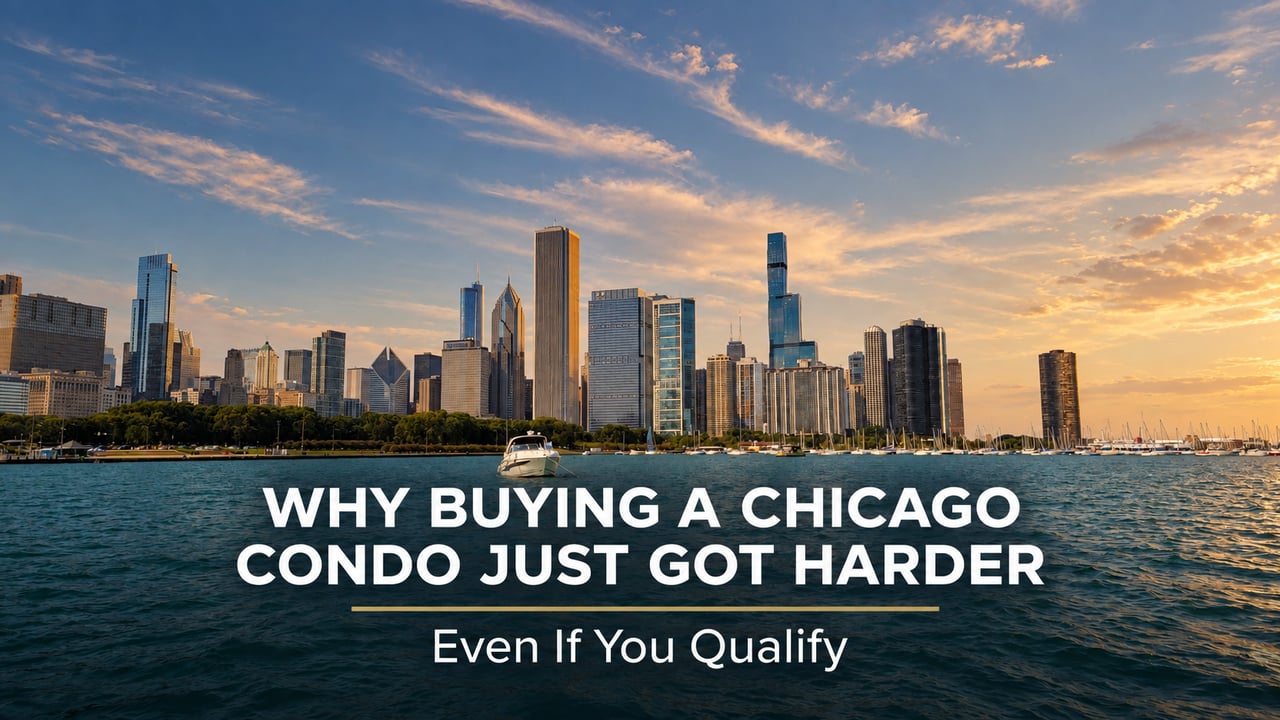
You can qualify as a buyer and still lose the condo if the building fails lender review. Here is what non-warrantable means, what changed in 2026, and what to check be… Read more
Neighborhood Guides
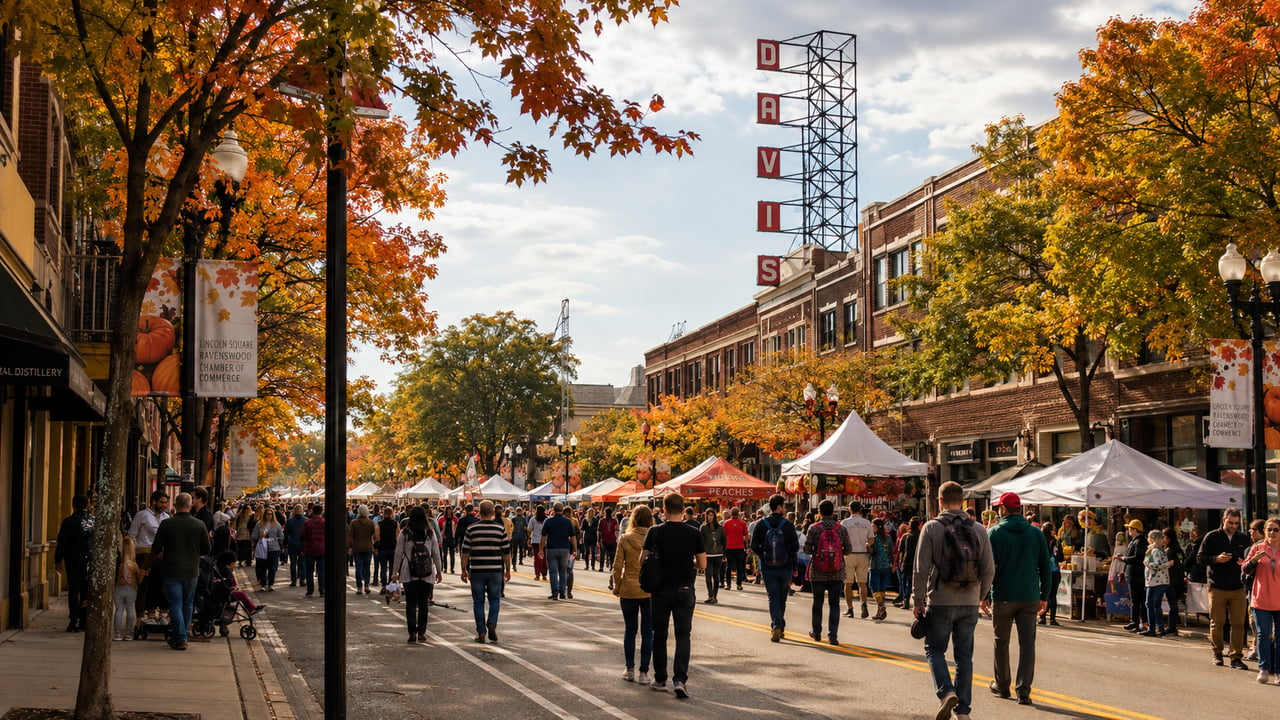
Five weeks of fall festivals across Lincoln Square, Ravenswood, Roscoe Village, and Andersonville - with exact dates, hours, locations, and what to know before you go.

Seller Advice
The hardest part of downsizing is usually not the market or the money. It is the house, the stuff, the timing, and not knowing where you would go next.
Market Updates
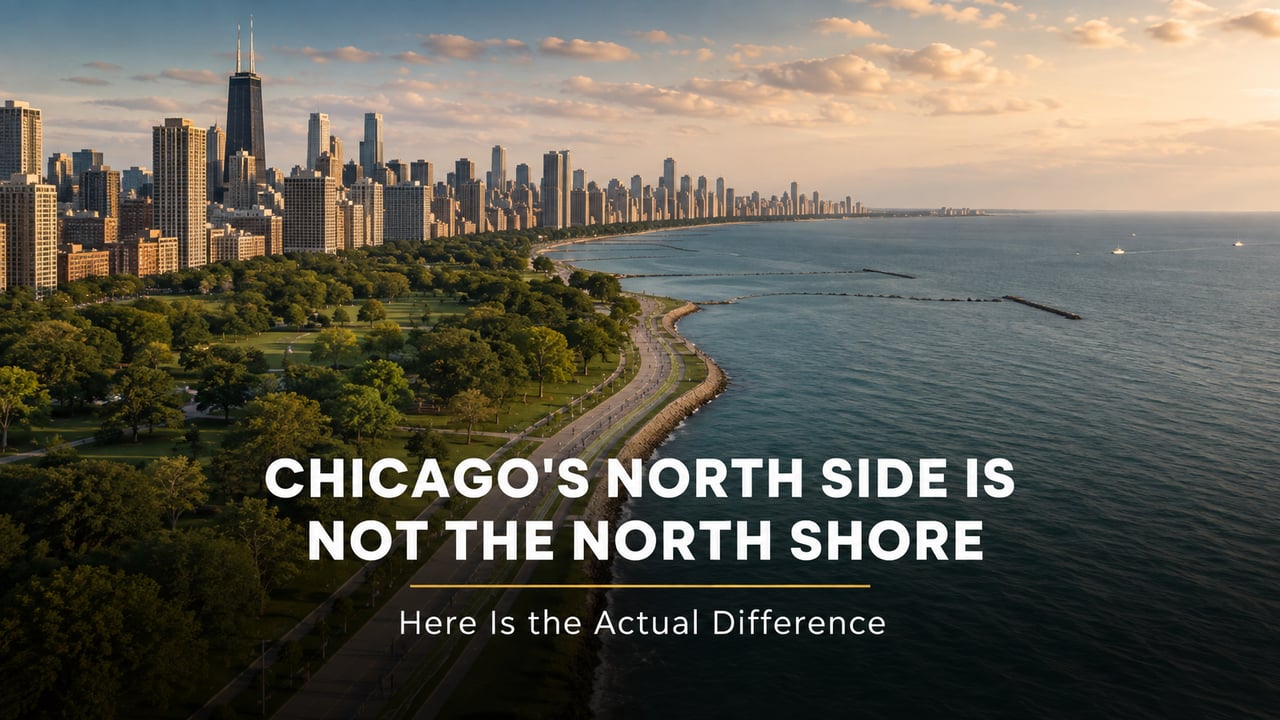
The North Side is Chicago. The North Shore is suburbs north of Chicago. The difference matters for schools, taxes, commute, housing style, and daily life.
Neighborhood Guides
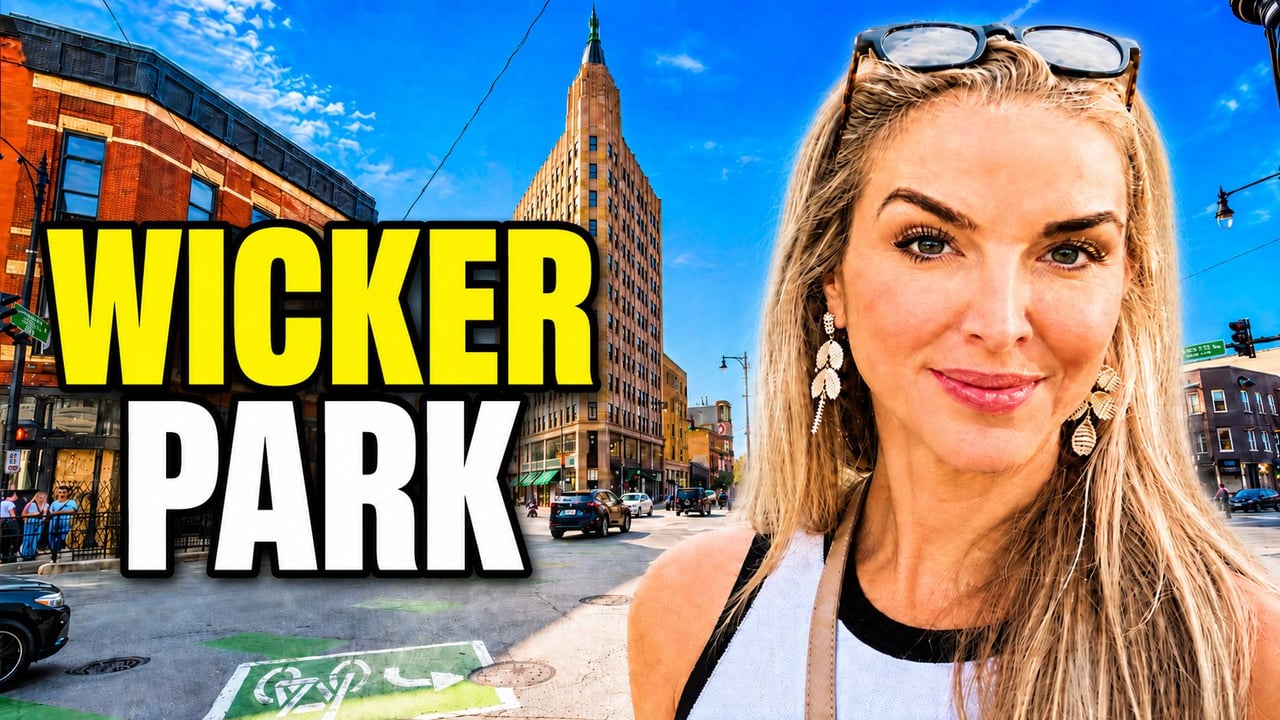
A walking tour of Chicago's most misunderstood neighborhood - real MLS prices, the one-block rule, and which version of Wicker Park actually fits you.
Market Updates
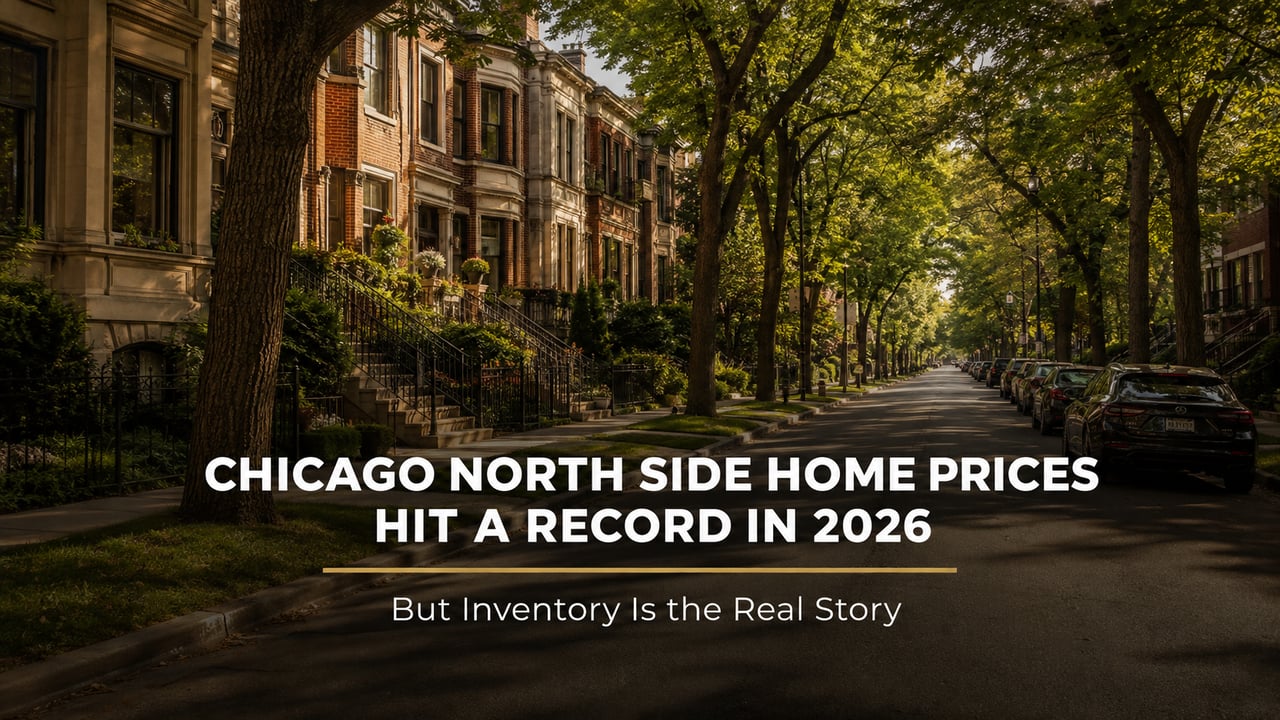
North Side Chicago home prices hit a record $500,000 in Q2 2026 while inventory fell 22.8%. Here is what the numbers mean for buyers and sellers.

Market Updates
Chicago has grown three years in a row - but growth is slowing, and the housing market is doing something the headlines cannot explain.
I'm Dee Savic, your trusted Chicago real estate expert, and I'm here to guide you through your relocation journey. Discover why Chicago is the perfect city for you; from its diverse neighborhoods to its cultural vibrancy, Chicago offers an unmatched urban experience. Together, we'll find a community and home that fits your lifestyle and aspirations.