What is it like living in Irving Park Chicago? Irving Park is a Northwest Side neighborhood with historic homes, big parks, the Blue Line to both downtown and O'Hare, two Metra lines, and several smaller pockets that can feel very different from each other.
That last part is important. Irving Park is not one of those neighborhoods where every block feels the same. You can be looking at an 1800s Victorian in Old Irving Park, a bungalow in The Villa, a condo near Horner Park, or a two-flat closer to the Blue Line, and technically, all of those can be Irving Park. That is why the pocket matters so much here.
A lot of buyers do not start with Irving Park. They start in North Center, Lincoln Square, Roscoe Village, or Lakeview, and then realize they want more house, more yard, or a little more breathing room than their budget gives them farther east. That is when Irving Park starts to make a lot of sense.
In this guide, I will walk you through where Irving Park is, the smaller neighborhoods inside it, what everyday life looks like, how you get around, what kinds of homes you will find, what the latest Chicago Association of REALTORS® data says about prices, and what I would check before you buy.
Irving Park may be a good fit if you want:
It may be harder if you want:
Irving Park sits on Chicago's Northwest Side, west of the North Branch of the Chicago River. The river forms its eastern edge, and Montrose Avenue is its main northern edge. Addison Street runs along most of the southern side, and in the western part of the neighborhood, the boundary drops down toward Belmont Avenue, with Irving Park reaching west toward Cicero Avenue.
Your neighbors are North Center across the river to the east, Avondale to the south, Albany Park to the north, and Portage Park to the west. Lincoln Square and Ravenswood are a short drive northeast. For the full neighborhood overview, current listings, and price ranges, see my Irving Park neighborhood page.
Irving Park began in 1869, when a group of investors bought farmland next to the Chicago and North Western railroad and laid out a residential suburb they named Irvington, after the writer Washington Irving. The area became part of Chicago in 1889. Since then, it has grown into a large neighborhood with several distinct pockets, and if you are buying here, those pockets matter.
A Victorian in Old Irving Park, a bungalow in The Villa, and a condo near the river in California Park are not the same purchase. They come with different price points, different daily routines, and different questions to ask before you make an offer.
This is why two buyers can both say they are looking in Irving Park and mean very different things. One may want a historic home on a wide lot. Another may want a condo closer to Horner Park, and another may care most about the Blue Line to O'Hare. Same neighborhood, very different search.
One of Irving Park's biggest strengths is its parks. Horner Park sits on the eastern edge of the neighborhood along the Chicago River. Its natural area covers about 11 acres of prairie, savanna, and riverbank, with about 1.3 miles of trails along the water.
The riverbank restoration started in 2013, and today it is one of the easiest places on the Northwest Side to feel like you left the city for an hour. If you live near California Park or the eastern side of Irving Park, Horner Park can become part of your regular routine: walks, tennis, pickleball, river trails, dog walks, kids' activities, and just having actual green space nearby.
Kilbourn Park has the Chicago Park District's only teaching greenhouse, a public fruit orchard planted in 2008, and community garden plots. Its plant sale every May draws gardeners from all over the city. Independence Park, on Irving Park Road, dates back to 1910, when Irving Park residents created their own local park district.
Irving Park does not have one single main street where everything is clustered together. Restaurants and shops are spread along Irving Park Road, Montrose Avenue, Pulaski Road, and Milwaukee Avenue. Smoque BBQ on Pulaski draws people from across Chicago, Old Irving Brewing on Montrose is a neighborhood gathering spot, and Eris Brewery and Cider House operates inside a historic former Masonic Temple on Irving Park Road.
For a larger dining and shopping district, many residents head east to Lincoln Avenue in North Center or northeast to Lincoln Square. So if you are the kind of buyer who wants to walk to dinner three nights a week, pay close attention to the exact block. In Irving Park, daily convenience depends a lot on where the home sits.
This is one of Irving Park's biggest advantages: you are not choosing between city access and airport access. The Blue Line gives you both.
The CTA Blue Line runs through Irving Park along the Kennedy Expressway, with stations at Addison, Irving Park, and Montrose. The same train goes one direction to the Loop and the other direction to O'Hare, which is a big reason frequent travelers and people who work near the airport look here. You can check routes and service on the CTA website.
Irving Park also has two Metra stations. The Union Pacific Northwest Line stops at Irving Park station on Avondale Avenue, right next to the Blue Line station, with trains to Ogilvie Transportation Center downtown. The Milwaukee District North Line stops at Grayland station on Kilbourn Avenue near Milwaukee Avenue, with trains to Union Station.
One tip that confuses a lot of people who are new to Chicago: there is also an Irving Park stop on the Brown Line, but it is in North Center, not in the Irving Park neighborhood. If a listing says it is near the Irving Park station, confirm which train line it means.
If you drive, the Kennedy Expressway runs through the neighborhood, close to where it meets the Edens Expressway. That is convenient, but it also means you should pay attention to noise if you are looking close to the expressway or rail lines. Visit at different times of day, not just during one quiet showing.
Irving Park has one of the widest mixes of housing on the Northwest Side. That is good news if you want choices, but it also means you should compare homes of the same type and age, not just homes with the same neighborhood name. A restored Victorian, a bungalow in The Villa, a two-flat near transit, and a newer condo near Horner Park are not competing in the exact same way.
To see what is on the market right now, browse Irving Park homes for sale.
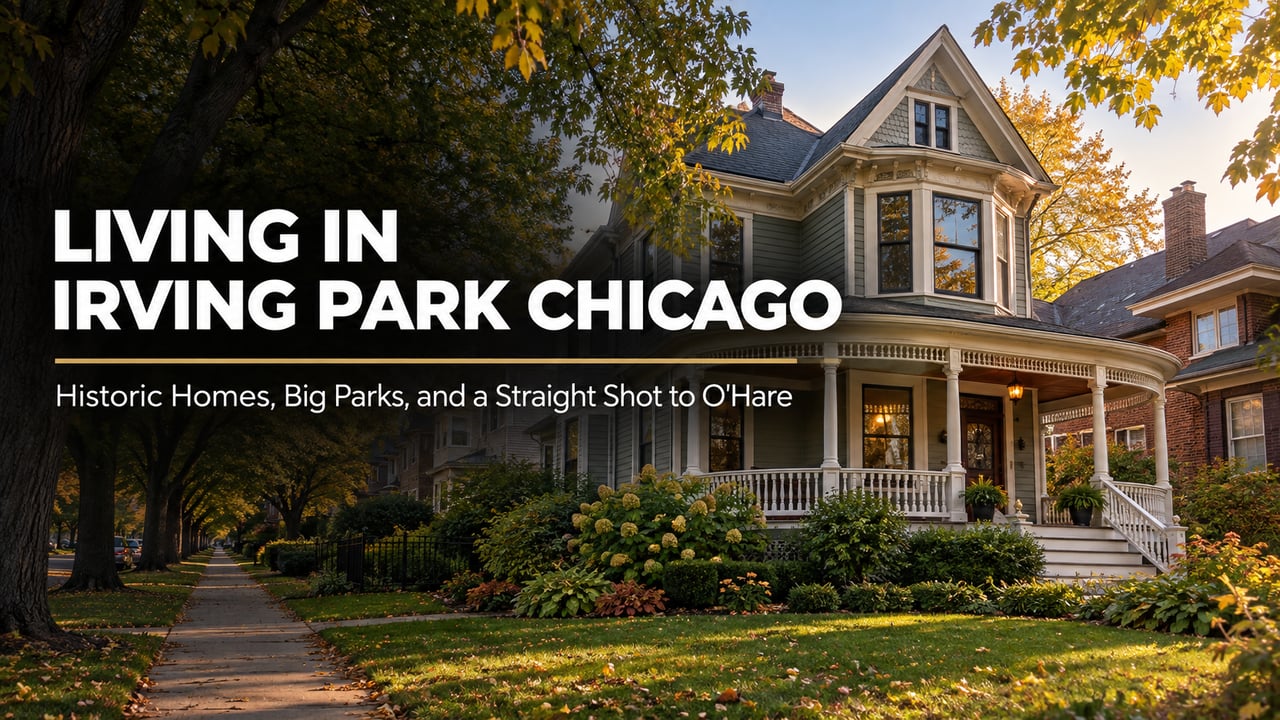
Old Irving Park and West Walker have many large older homes, including Victorian, Queen Anne, Italianate, and Foursquare styles. These are the homes buyers fall for: front porches, tall windows, original woodwork, wider lots, and more room than many homes closer to the lake.
Some have been beautifully updated, and some still have a lot of their original systems. That is why charm should never be the only thing you look at.
Brick bungalows are found across Irving Park, and The Villa has one of the best-known groups of bungalows and Craftsman homes in the city. Because The Villa is a Chicago Landmark district, changes to the outside of a home that require a permit are reviewed by the Commission on Chicago Landmarks.
If you plan to add a dormer, replace windows, change the front facade, or build an addition, ask about that review before you buy, not after. The Villa is beautiful, but the landmark rules are part of the purchase.
You will also find two-flats, three-flats, and vintage and newer condo buildings, especially near the main streets and transit. Some buyers look at a two-flat so family can live in the second unit, or so they can deconvert it into a single-family home later. My comparison of a condo vs. a 2-flat walks through how those purchases differ, and my 2 to 4 unit property page covers what I look at with multi-unit buildings.
If you are buying a condo, the building matters as much as the unit. Review the reserves, recent meeting minutes, and any planned special assessments, and read about non-warrantable condos before you write an offer.
If you only look at the median price, Irving Park looks calm. But that is not the whole story, because the real story is inventory.
The numbers below come from the Chicago Association of REALTORS® Local Market Update for Irving Park, covering January through August 2026 compared with the same months in 2025. The data is current as of September 14, 2026, and was accurate at the time of research, deemed reliable but not guaranteed.
Here is the Irving Park story in one sentence: far fewer owners are selling, and buyers are paying above the original list price to get the homes that do come up.
Irving Park Single-Family Houses | Jan to Aug 2025 | Jan to Aug 2026 | Change |
|---|---|---|---|
Median sales price | $707,500 | $708,000 | Up 0.1% |
Percent of original list price received | 99.8% | 103.5% | Up 3.7% |
New listings | 236 | 152 | Down 35.6% |
Closed sales | 130 | 124 | Down 4.6% |
Homes for sale at the end of August | 31 | 13 | Down 58.1% |
The median price for an Irving Park house barely moved, at $708,000 compared with $707,500 a year earlier. So at first glance, you could say, "Nothing really changed." But that would miss the point, because what changed is how sellers are doing against their asking price.
In 2025, the typical house sold for just under its original list price. In 2026, sellers are getting 103.5% of it. The reason is supply.
New house listings fell almost 36%, and by the end of August, only 13 houses were for sale, compared with 31 a year earlier. Sales stayed close to last year, so about the same number of buyers are competing for far fewer homes. That is the real story.
You may also see that the August median alone was $702,000, down 8.8% from August 2025. I would be careful with that number because only 13 houses closed that month, and the report itself warns that one month can look extreme with a small number of sales. The year-to-date numbers above are the better guide.
Irving Park Condos and Townhomes | Jan to Aug 2025 | Jan to Aug 2026 | Change |
|---|---|---|---|
Median sales price | $320,000 | $349,500 | Up 9.2% |
Percent of original list price received | 101.2% | 102.6% | Up 1.3% |
New listings | 244 | 225 | Down 7.8% |
Closed sales | 165 | 153 | Down 7.3% |
Homes for sale at the end of August | 30 | 21 | Down 30.0% |
Condo and townhome prices rose more than house prices this year. The median climbed 9.2% to $349,500, and sellers received 102.6% of their original list price. There were also fewer units for sale at the end of August: 21 compared with 30 a year earlier.
For buyers, this means a well-priced Irving Park condo in a healthy building is likely to draw competition, so have your financing ready before you tour. For sellers, whether you own a house or a condo, fewer listings work in your favor. But pricing still decides whether you get multiple offers or sit while buyers move on to the next option.
A home valuation based on the right comparable sales for your pocket and your type of home is the place to start.
Irving Park is a strong fit for buyers who want more space, older architecture, park access, and good transportation without being as close to the lakefront price pressure.
It is especially good for:
It may be harder for:
Irving Park can be a great fit, but the right pocket matters.
Many Irving Park homes are more than 100 years old, and that is a big part of their charm. But with older Irving Park homes, charm is the easy part. The part you need to understand is what has been updated, what has not, and what may be coming next.
Before you commit, I would pay close attention to these items:
If you are buying your first home, my guide on how to buy a home in Chicago walks through each step, and my closing costs guide shows what to budget beyond the down payment.
Irving Park is served by several Chicago Public Schools attendance boundaries, so the assigned school depends on the exact address. Always check the address in the CPS School Locator before you make an offer.
Carl Schurz High School at 3601 N. Milwaukee Avenue is housed in a 1910 building designed by architect Dwight H. Perkins and was named a Chicago Landmark in 1979. Disney II Magnet School also has a campus in Irving Park, and admission is through the CPS application process rather than by address. You can compare schools across neighborhoods in my guide to Chicago neighborhoods with the best-rated schools.
Property taxes in Irving Park follow the same Cook County system as the rest of Chicago. Ask for the most recent tax bill on any home you are considering, and read how Chicago property taxes work so you know what can change after you buy.
North Center sits right across the river to the east. It is centered on Lincoln Avenue and the Brown Line, with a busier main street and more restaurants in one place. Irving Park gives you the Blue Line and Metra instead, more variety in home styles, and more homes on the western side of the river.
Many buyers look at both. If you want the more central, polished North Side feel, North Center may be the better fit. If you want more historic housing variety, airport access, and a little more room to breathe, Irving Park may make more sense. See my North Center neighborhood page for that side of the comparison.
Avondale sits just south of Irving Park and shares the Addison Blue Line stop. It has more two-flats and more of a mixed residential and commercial feel, with Milwaukee Avenue running through it. Avondale can feel a little more urban and creative in certain pockets, while Irving Park often feels more residential and historic. See my Avondale neighborhood page for more.
Roscoe Village and Lincoln Square are closer to the center of the North Side, with compact, walkable main streets and Brown Line access. If you love those neighborhoods but want to see a wider range of historic homes, Irving Park is worth a look.
You may not get the same concentrated main-street feel, but you may find more variety in homes, more transit options, and access to both the Blue Line and Metra. My guides to living in Roscoe Village and living in Lincoln Square cover those neighborhoods in detail.
Irving Park is on Chicago's Northwest Side, west of the North Branch of the Chicago River. North Center is to the east, Avondale is to the south, Albany Park is to the north, and Portage Park is to the west.
Irving Park has Victorian, Queen Anne, Italianate, and Foursquare homes, Chicago bungalows, two-flats and three-flats, and vintage and newer condos. The Villa, a Chicago Landmark district since 1983, is known for its bungalows and Craftsman homes.
Through August 2026, the median sales price for a single-family house in Irving Park was $708,000, and the median for condos and townhomes was $349,500, according to the Chicago Association of REALTORS®. House sellers received 103.5% of their original list price, up from 99.8% during the same months of 2025.
The CTA Blue Line stops at Addison, Irving Park, and Montrose, with direct service to the Loop and O'Hare. Metra's Union Pacific Northwest Line stops at Irving Park station, and the Milwaukee District North Line stops at Grayland station.
No. The Irving Park stop on the Brown Line is in North Center. The Irving Park neighborhood is served by the Blue Line station of the same name, along with two Metra stations.
Yes. Irving Park is one of the stronger Chicago neighborhoods for O'Hare access because the Blue Line runs through the neighborhood with direct service to the airport. It also has access to the Kennedy Expressway.
Yes. Irving Park has many older homes, including Victorians, Foursquares, bungalows, and two-flats. Buyers should carefully inspect sewer lines, basements, electrical, plumbing, roof, porches, masonry, and any landmark restrictions before buying.
The Villa is a historic district in Irving Park developed starting in 1902, with bungalows and Craftsman and Prairie-style homes on boulevard-style streets. It became a Chicago Landmark district in 1983, so permitted exterior changes are reviewed by the Commission on Chicago Landmarks.
Irving Park includes Horner Park along the Chicago River, Independence Park on Irving Park Road, and Kilbourn Park, which has the Chicago Park District's only teaching greenhouse.
If you are buying in Irving Park, I can help you compare the pockets, understand the difference between an Old Irving Park Victorian and a Villa bungalow, and figure out whether a home's charm is backed up by the right updates. If you are selling, the right comparable sales matter here because a house near Horner Park, a bungalow in The Villa, and a two-flat near the Blue Line are not the same product.
If you are buying, you can search Irving Park homes for sale anytime, and start with my free Chicago Buyer's Course. If you are selling, start with a free home value review. You can also schedule a complimentary and confidential consultation here, or call or text me directly at 773.719.0989.
Market data from the Chicago Association of REALTORS® Local Market Update for Irving Park, August 2026, current as of September 14, 2026. All data from Midwest Real Estate Data LLC. Accurate at the time of research, deemed reliable but not guaranteed.
Dee Savic is a Realtor with Baird & Warner, a 24+ year real estate professional, and a 27+ year Chicago resident with 300+ closed transactions. She specializes in helping buyers, sellers, and relocation clients across Chicago's North and Northwest Sides, including Lincoln Square, Ravenswood, North Center, Roscoe Village, Irving Park, Lakeview, Lincoln Park, Andersonville, Uptown, and Edgewater.

Dee Savic
Realtor® | Baird & Warner
4553 N. Lincoln Ave, Chicago, IL 60625
773.719.0989
[email protected]
deesavic.com

Buyer Guides
Pre-approval, video tours, one focused trip, and a closing you can mostly handle from home
Neighborhood Guides
The pockets, the parks, the Blue Line, and what the 2026 numbers mean for buyers and sellers
Buyer Guides
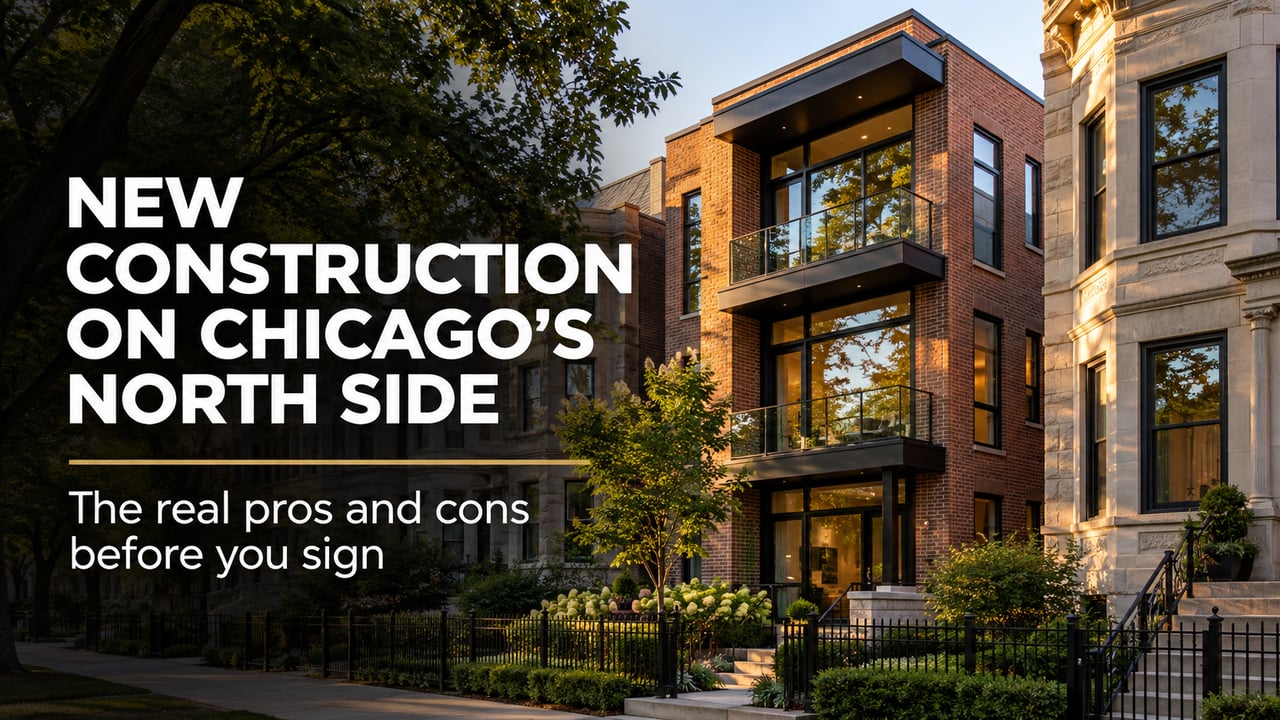
Real sale prices vs resale, builder warranties, property taxes, and what to check before you sign
Buyer Guides
The free official tools, how to read them, and what to check in person
Buyers
What you sign before you tour, and what is negotiable
Listings
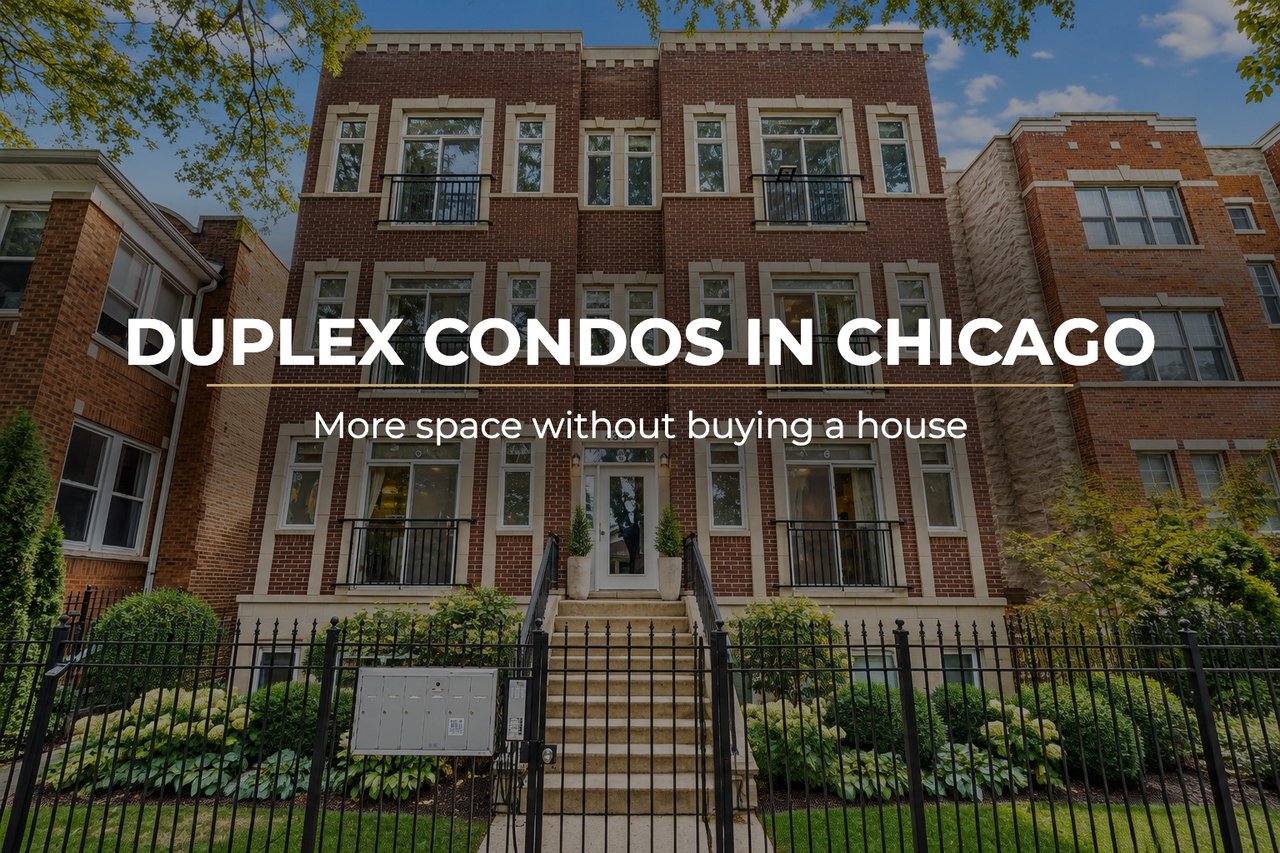
Duplex up vs. duplex down, who it fits, and a first look at a duplex coming soon near Horner Park

Sellers
How to compare a cash offer to a listed sale before you answer
Neighborhood Guides
The pockets, the lake, the Red Line, and what the 2026 numbers mean for buyers and sellers
Buyers
How special assessments get approved, when owners can push back, and who pays when a condo sells
I'm Dee Savic, your trusted Chicago real estate expert, and I'm here to guide you through your relocation journey. Discover why Chicago is the perfect city for you; from its diverse neighborhoods to its cultural vibrancy, Chicago offers an unmatched urban experience. Together, we'll find a community and home that fits your lifestyle and aspirations.