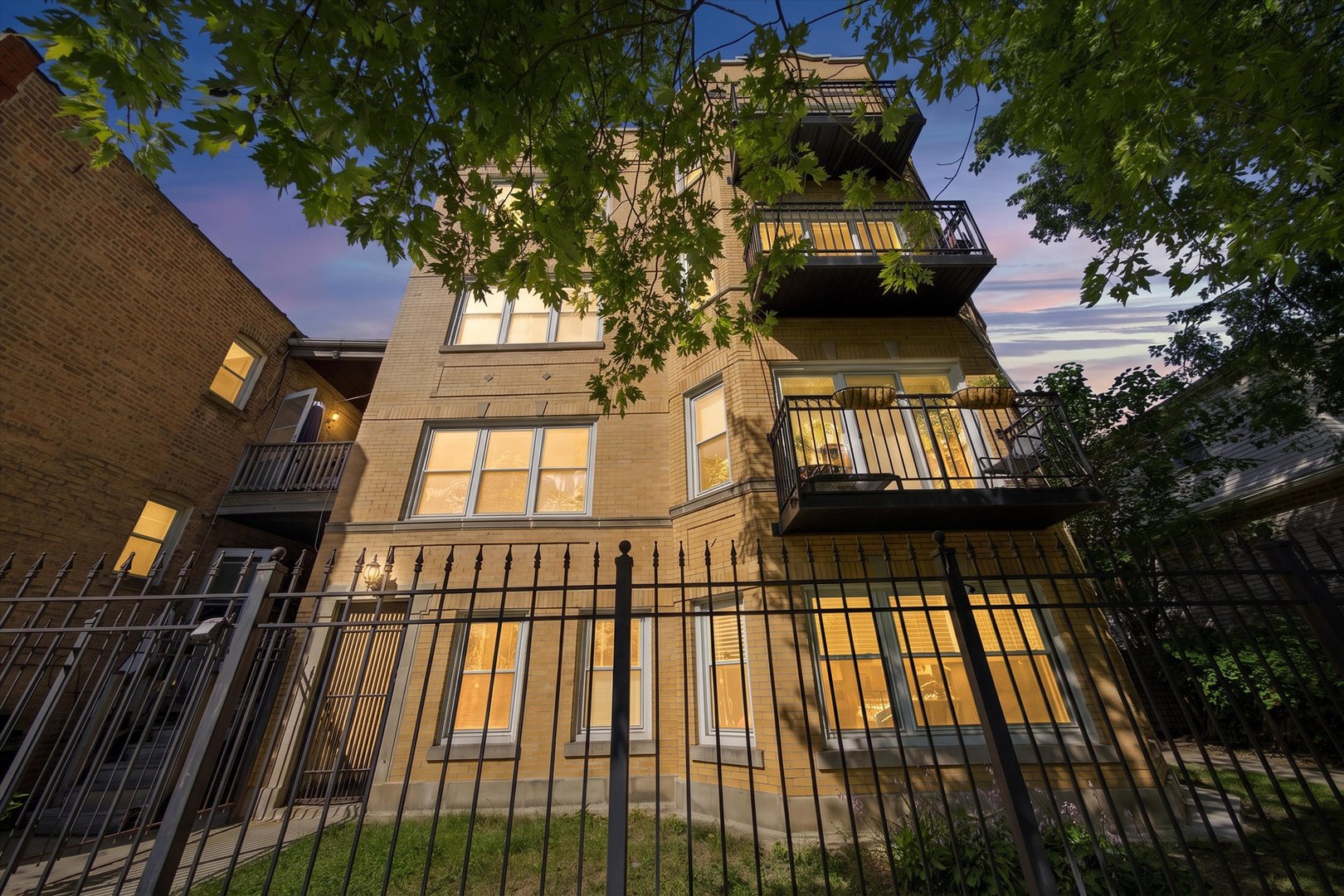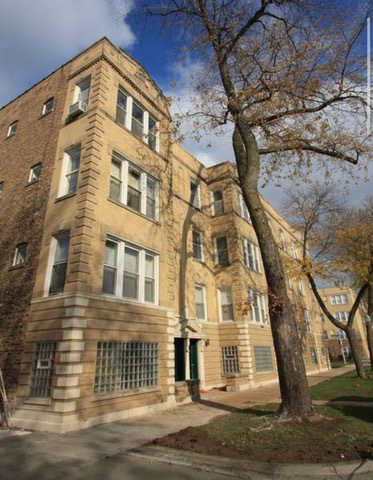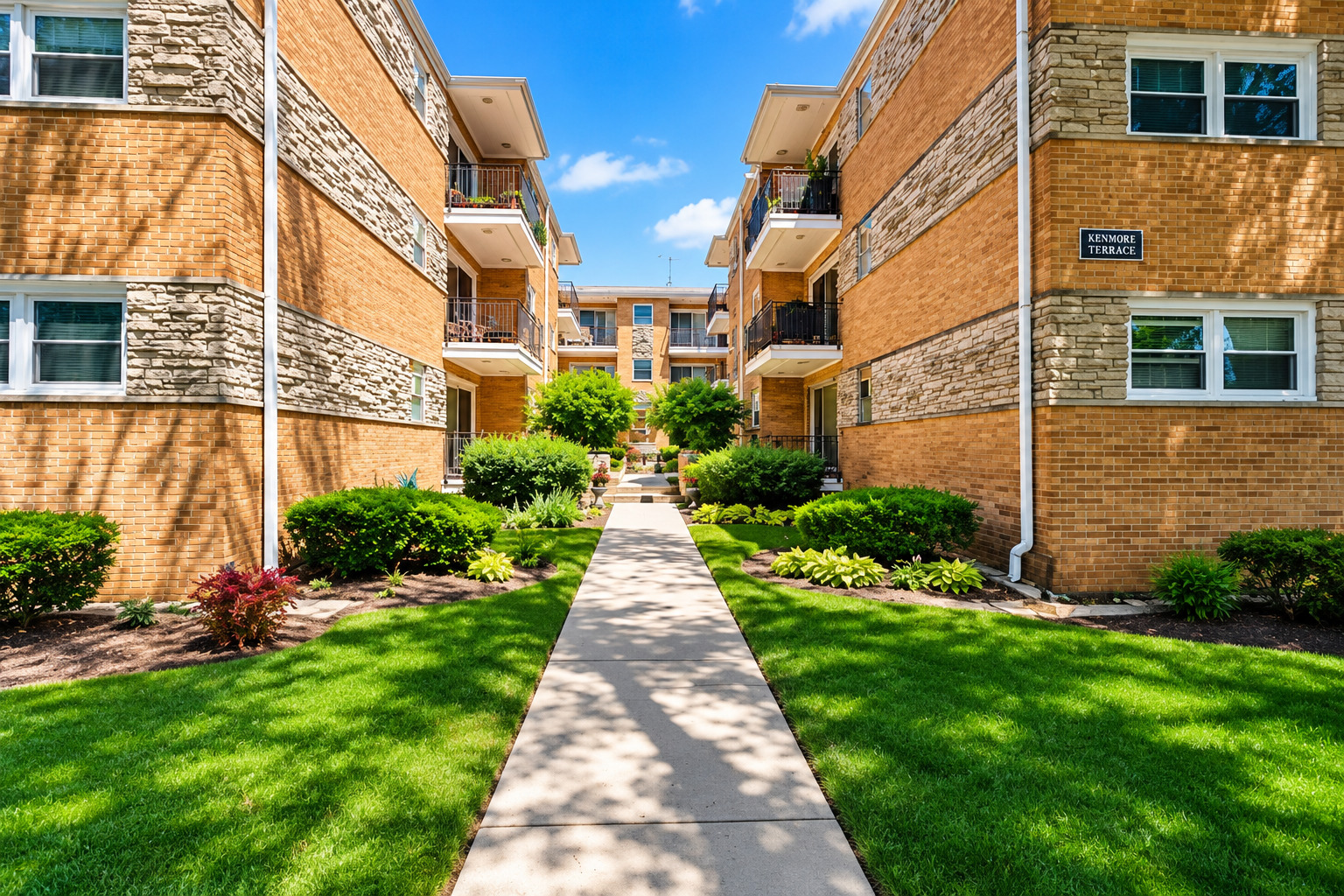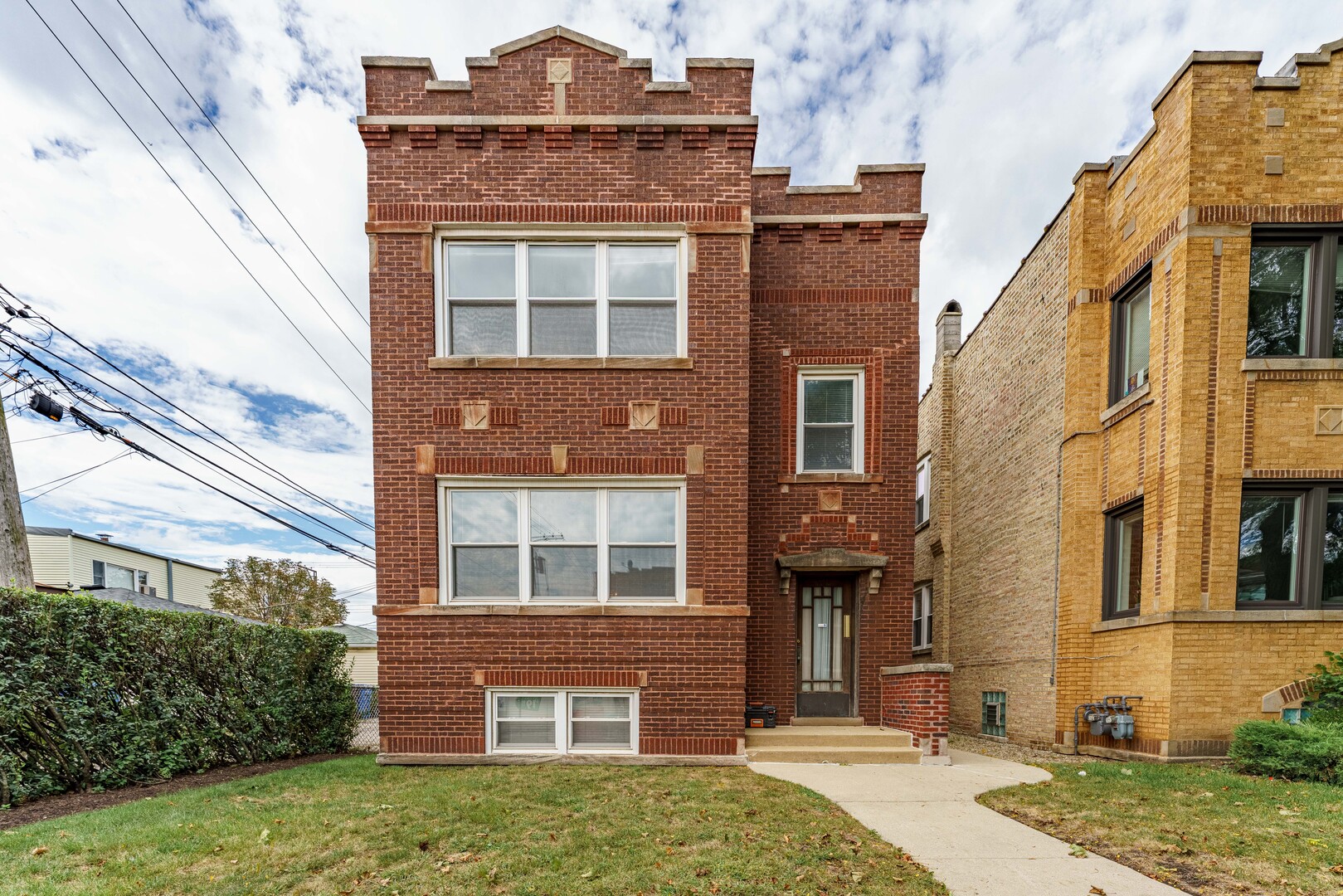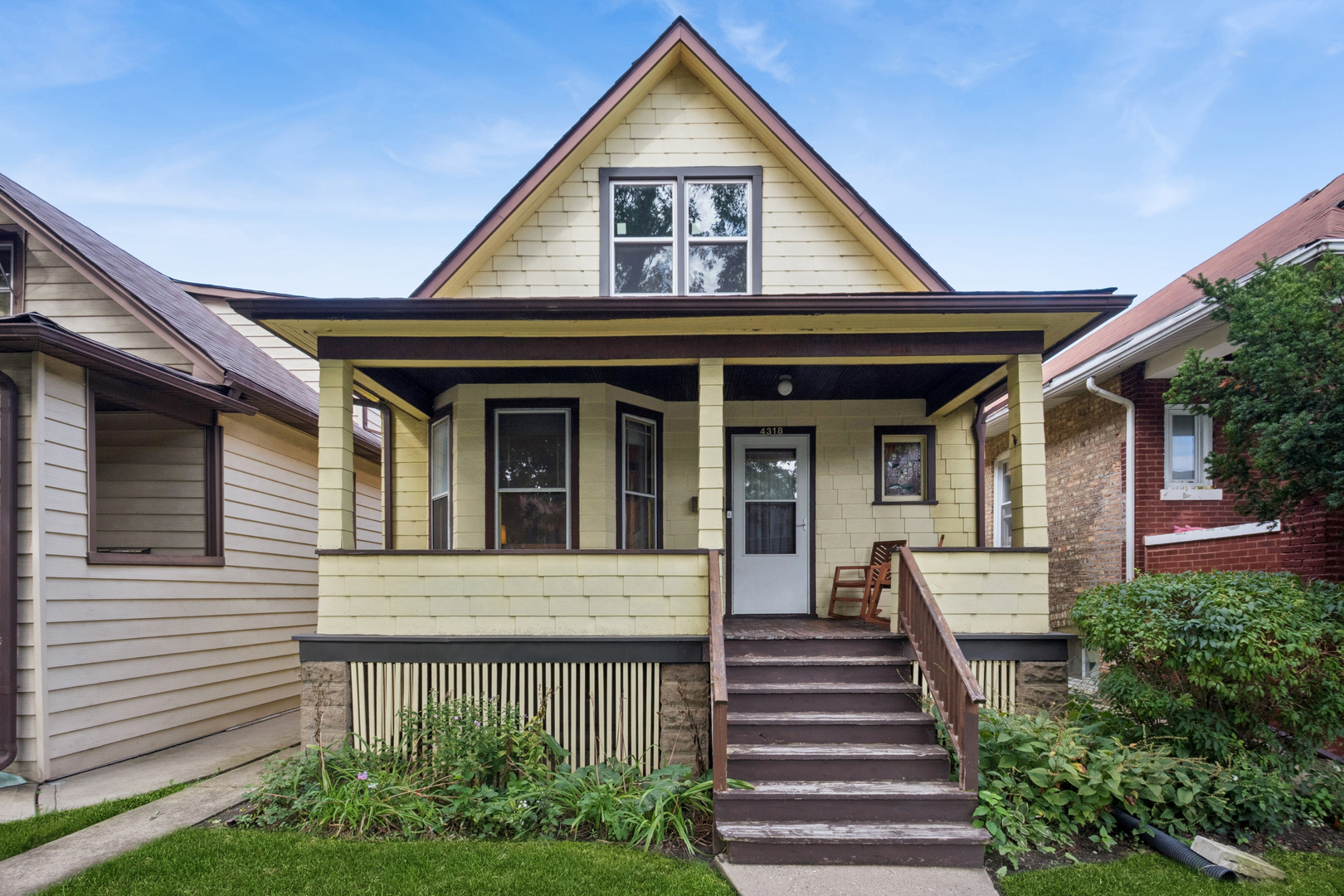
Irving Park is a historic Northwest Side Chicago neighborhood known for its Victorian and Queen Anne homes, classic bungalows, tree-lined streets, and the landmark Villa District. Residents enjoy large neighborhood parks, local breweries and restaurants, and quick access to downtown and O'Hare via the CTA Blue Line and Metra.
Located on Chicago's Northwest Side, about seven miles from the Loop, Irving Park is one of the city's most historic residential neighborhoods. Situated between North Center, Avondale, Albany Park, and Portage Park, the area is known for its large vintage homes, classic Chicago bungalows, and quiet, tree-lined streets.
For people considering moving to Irving Park Chicago, the neighborhood often stands out for the amount of house buyers can get compared with neighborhoods closer to the lake. Many homes sit on full-size lots with yards, and the neighborhood has several large parks, local breweries, and long-standing neighborhood restaurants.
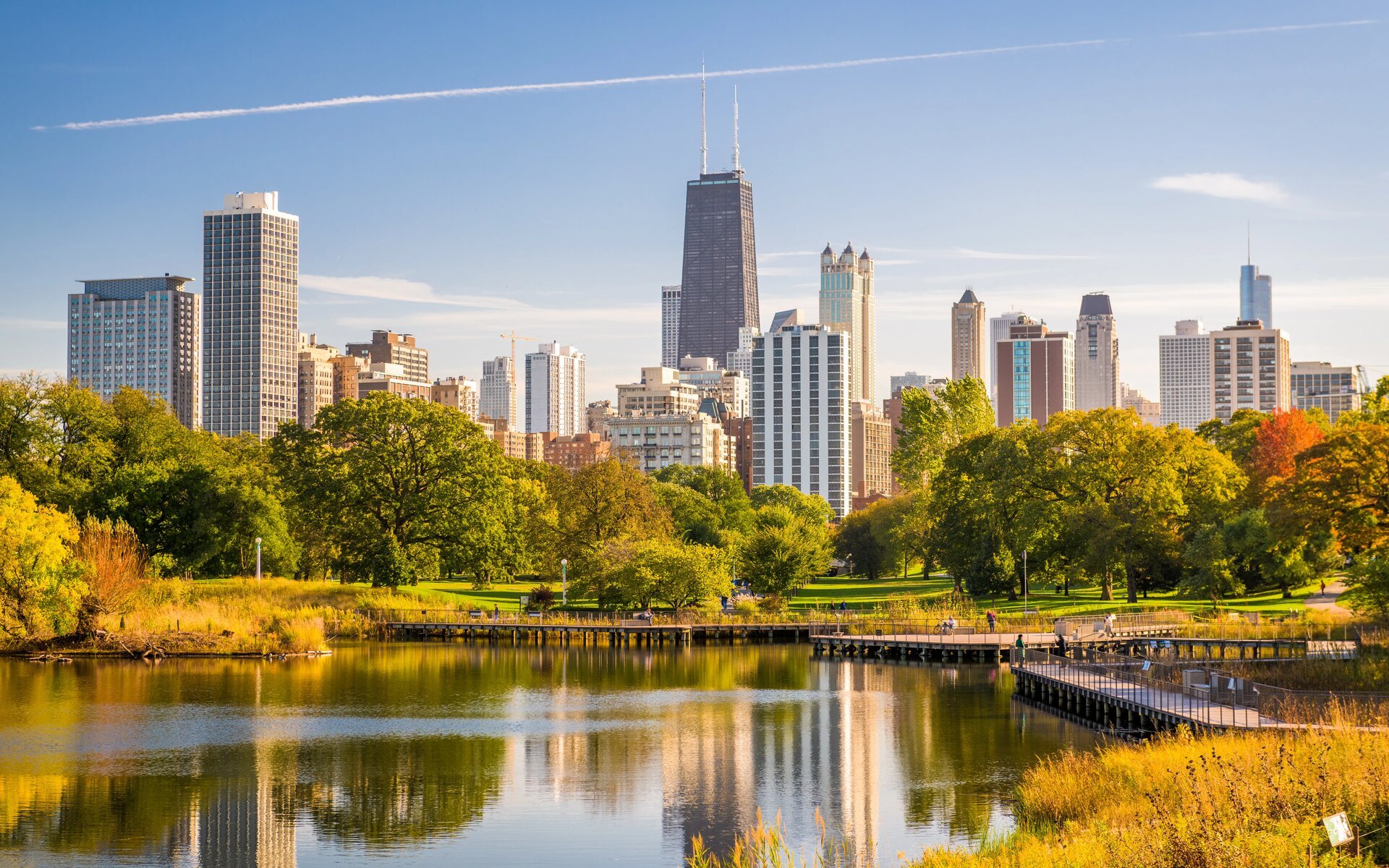
Irving Park is also one of the best-connected neighborhoods on the Northwest Side. The CTA Blue Line, two Metra lines, and the Kennedy Expressway all run through the area, which makes it easy to reach both downtown Chicago and O'Hare Airport.
Irving Park's history goes back to 1843, when Major Noble bought 160 acres of land in the area and started a farm. In 1869, a group of New York investors led by Charles T. Race bought the farm and, because it sat right next to the Chicago and North Western railroad, decided to build a residential suburb instead of farming it. They named it "Irvington" after the author Washington Irving, and the name later became Irving Park. The area was annexed to the City of Chicago in 1889.
Irving Park is made up of several smaller neighborhoods, each with its own character. Old Irving Park, the original suburb, is known for its Victorian, Queen Anne, and Italianate homes. West Walker and the area south of Irving Park Road have large single-family homes in late Victorian, Foursquare, and Revival styles. The Villa, an official Chicago Landmark District, is filled with Craftsman and bungalow-style homes on boulevard-style streets. Independence Park and Kilbourn Park round out the area with classic brick bungalows, two-flats, and vintage homes.
Because so many original homes are still standing, Irving Park has one of the most varied collections of historic architecture on Chicago's Northwest Side. Neighborhood groups like the Old Irving Park Association work to preserve that character and keep residents connected.
Daily life in Irving Park is centered on residential streets, neighborhood parks, and local spots along Irving Park Road, Montrose Avenue, Pulaski Road, and Milwaukee Avenue. The neighborhood has a quieter, more residential pace than neighborhoods closer to the lake, while still being a short train ride from downtown.
Irving Park has become known for its local breweries. Old Irving Brewing on Montrose Avenue is a popular neighborhood spot for beer and a full food menu, and Eris Brewery and Cider House serves cider, beer, and food inside a historic former Masonic Temple.
The neighborhood also has deep Irish roots. The Irish American Heritage Center on Knox Avenue is a major cultural center that hosts music, dance classes, and community events throughout the year.
With its parks, yards, and residential blocks, Irving Park is a neighborhood where many residents stay for years and raise their families.
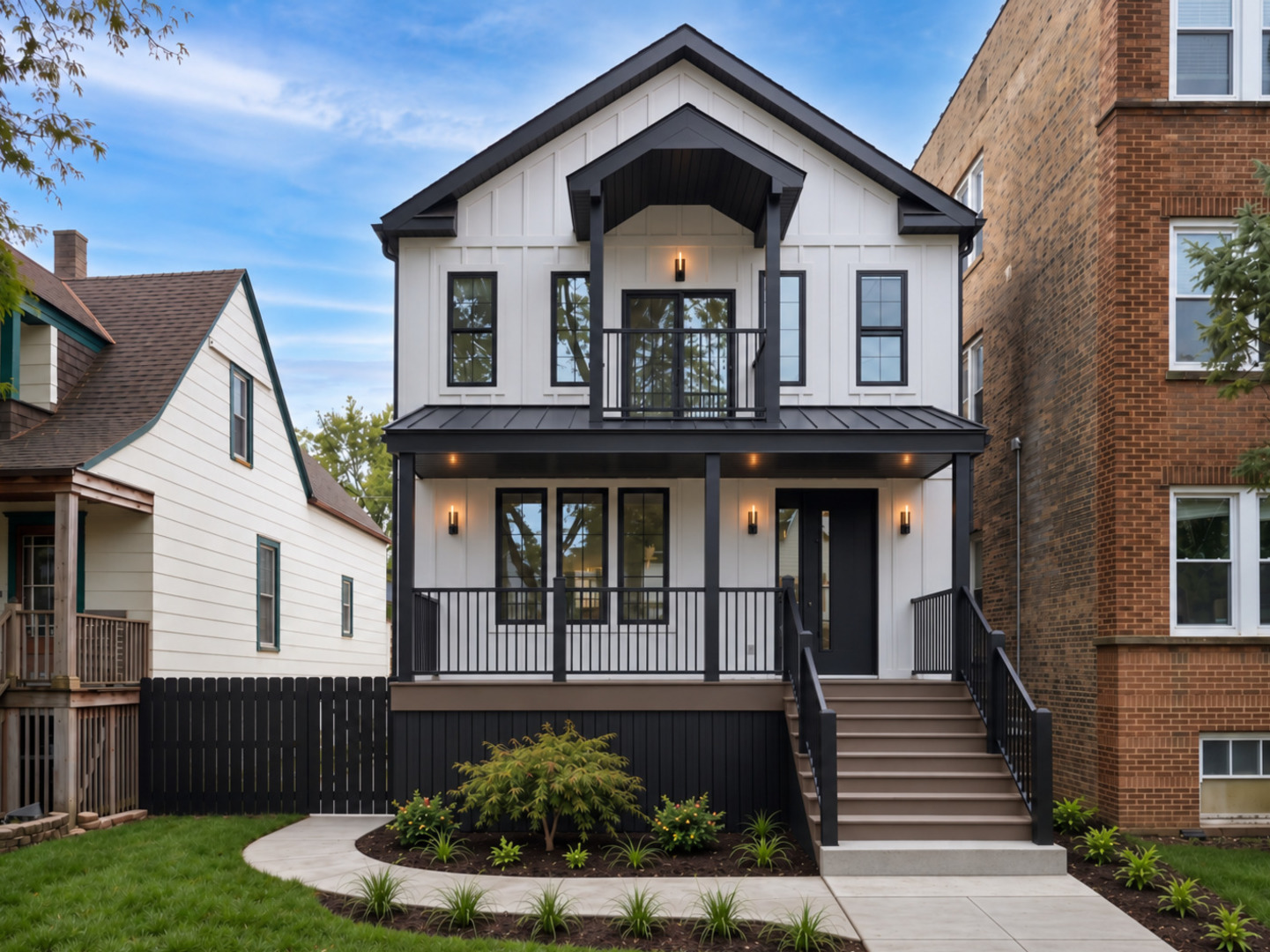
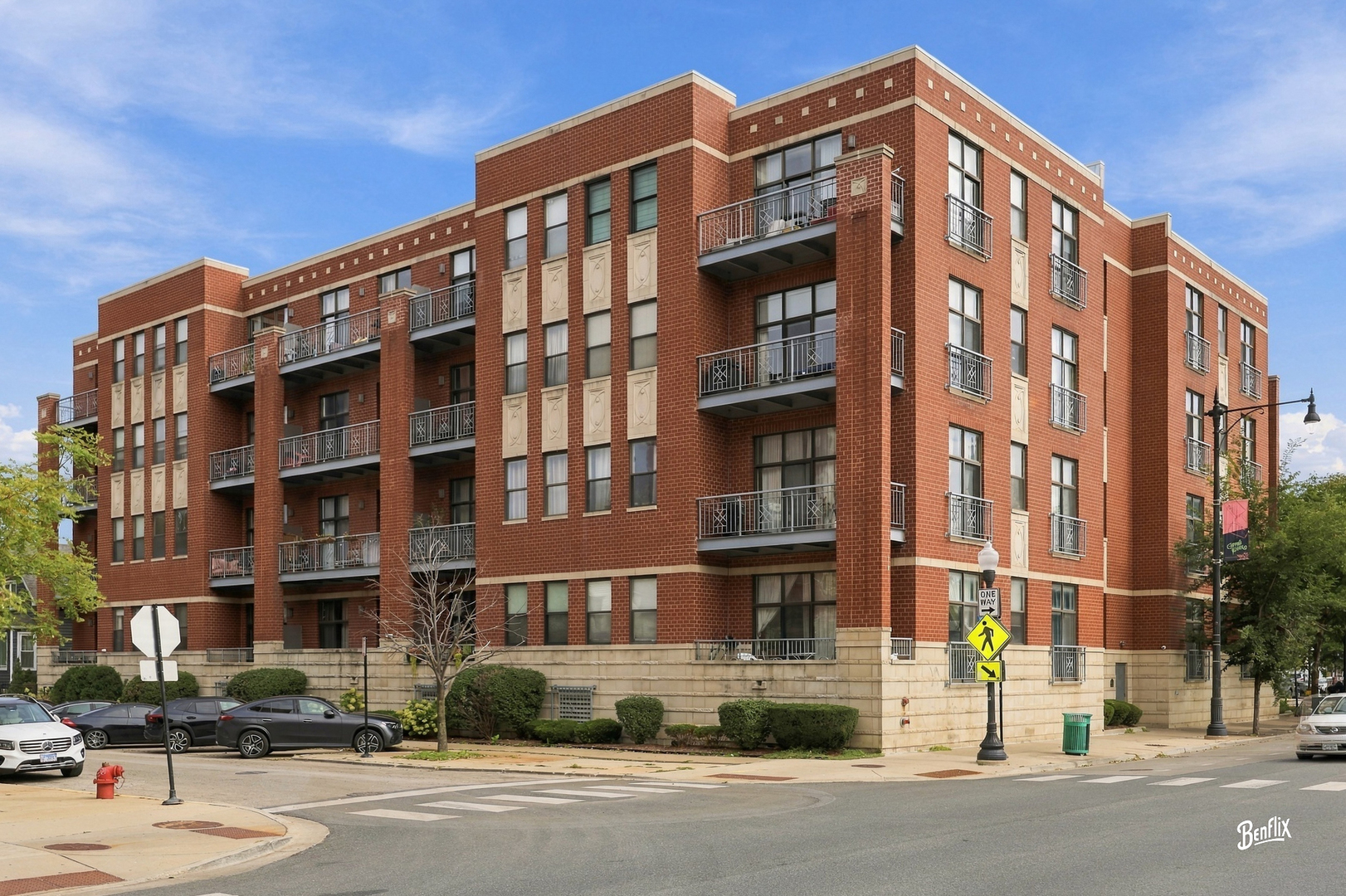
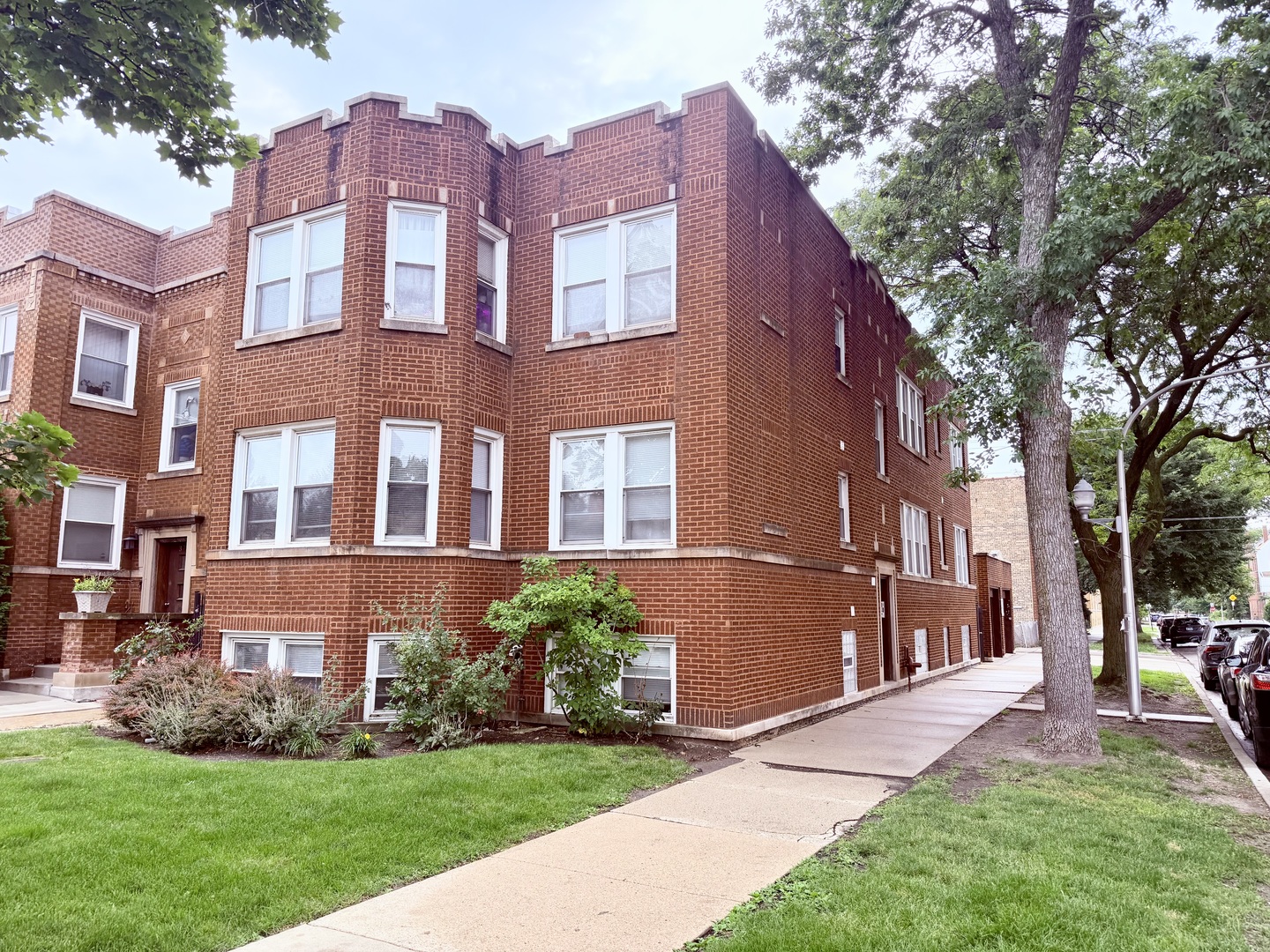
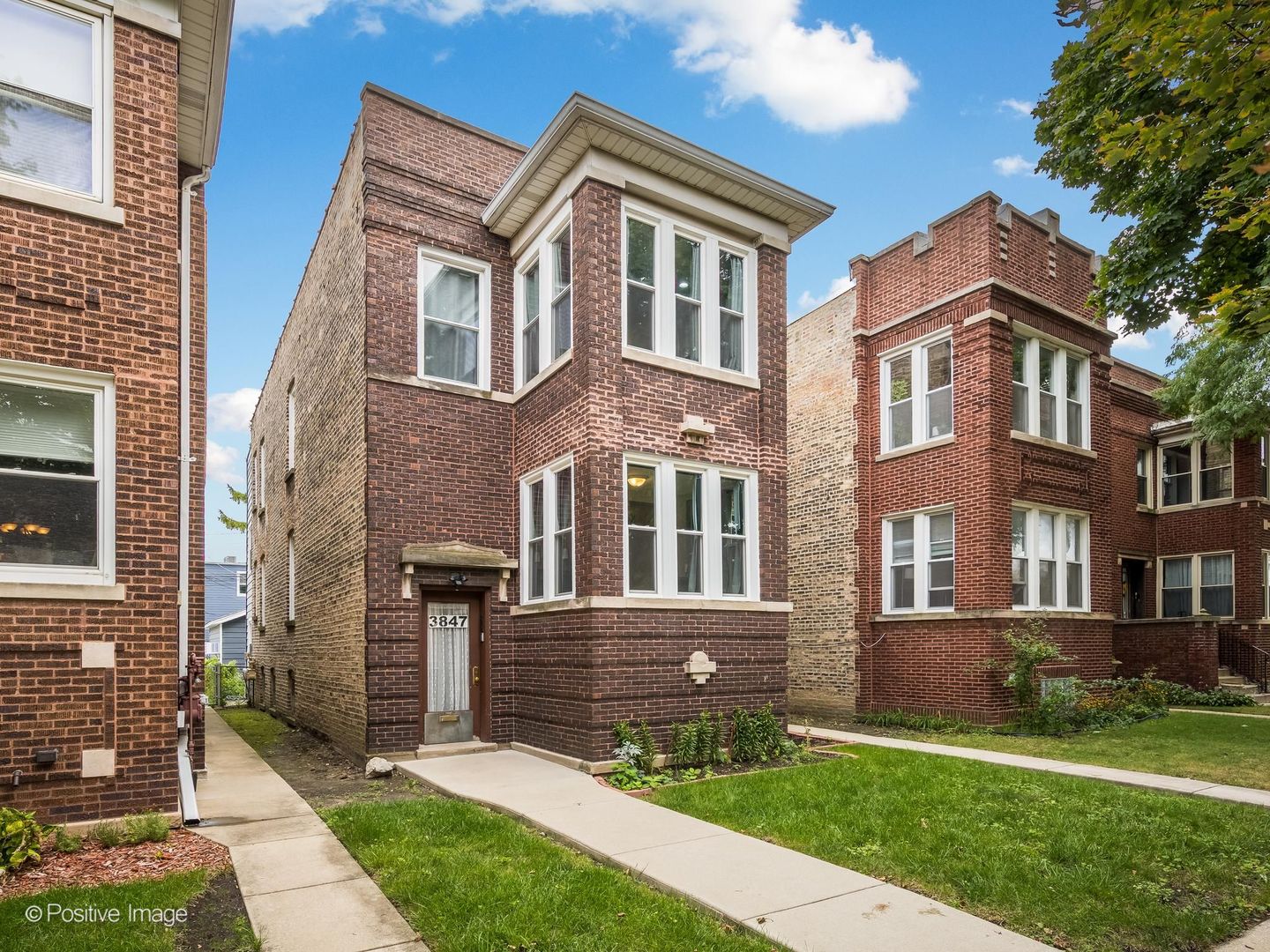
Irving Park offers a wide mix of housing, which makes it appealing to many different buyers. Common property types include:
• Victorian and Queen Anne single-family homes in Old Irving Park
• classic Chicago brick bungalows, including those in the landmark Villa District
• Foursquare and Revival-style homes in West Walker
• two-flats and three-flats
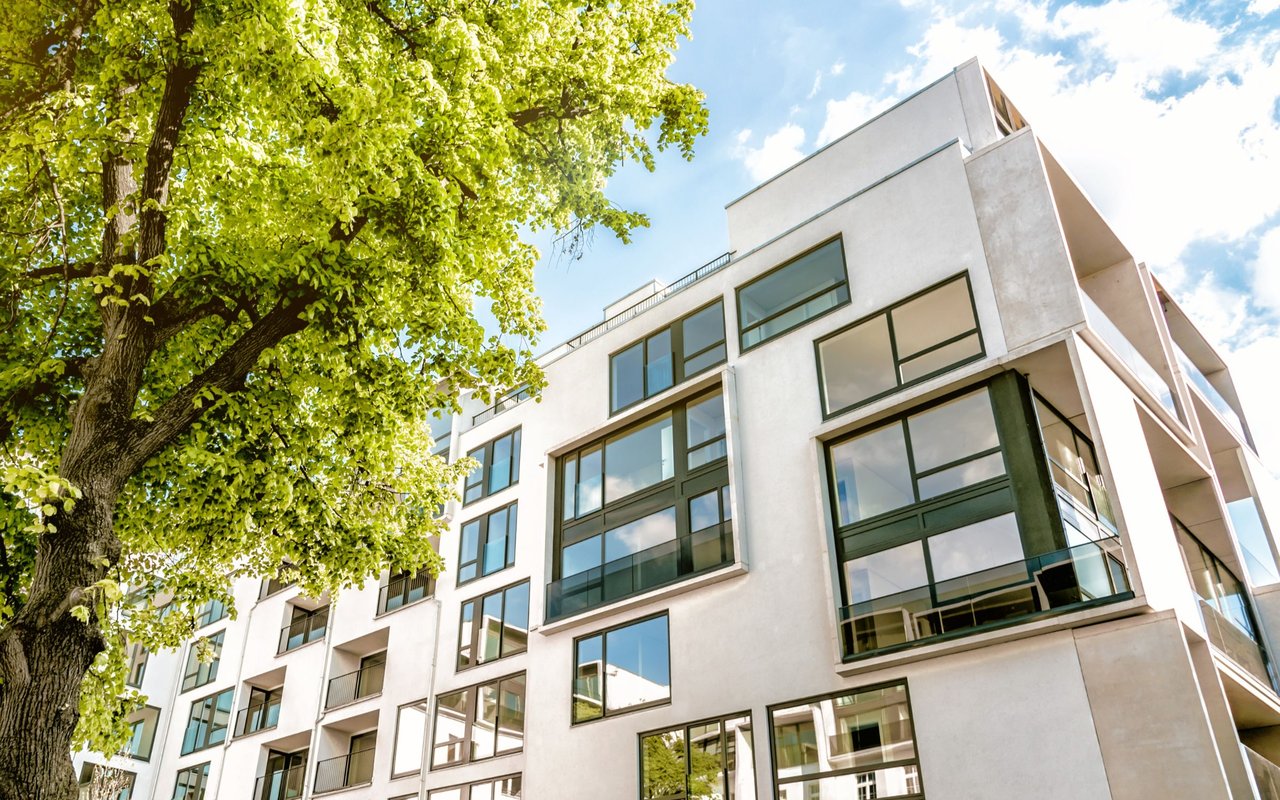
• vintage and newer condominium buildings
Single-family homes are the main draw for many buyers. Irving Park is one of the few neighborhoods this close to downtown where buyers can find large historic homes with yards and garages, often at lower prices than comparable homes in North Center, Lincoln Square, or Roscoe Village.
Prices vary depending on property type, size, and location. Condos often range from the low $200K range to around $450K, while single-family homes frequently start in the $500Ks, and larger historic homes in Old Irving Park and the Villa can exceed $1M depending on size and updates.
Buyers interested in Irving Park Chicago real estate often include families, move-up buyers looking for more space, people who travel often and want to be close to O'Hare, and buyers relocating to Chicago who want a neighborhood with historic character.
Irving Park has some of the best park access on the Northwest Side, which is a big reason the neighborhood is so popular with families.
Horner Park, along the Chicago River on the neighborhood's eastern edge, is one of the largest parks on the North Side. It includes sports fields, tennis courts, a playground, walking paths, and a nature area along the river.
Independence Park, on Irving Park Road just east of Pulaski, has been a neighborhood gathering place for over a century. The park has a playground, tennis courts, baseball diamonds, a water spray area for kids, and a field house with an indoor pool and fitness center.
Kilbourn Park is home to the Chicago Park District's only teaching greenhouse, along with tennis courts, soccer fields, and year-round programs for kids and adults.
Information about neighborhood parks and recreation programs can be found through the Chicago Park District.
Irving Park's restaurants and shops are spread along its main streets, including Irving Park Road, Montrose Avenue, Pulaski Road, and Milwaukee Avenue.
Smoque BBQ on Pulaski Road is one of the best-known barbecue restaurants in Chicago and draws diners from across the city. Old Irving Brewing and Eris Brewery and Cider House are local favorites, and the neighborhood also has a range of long-standing family restaurants, taverns, and international spots reflecting the area's diverse community.
For more shopping and dining, residents are also a short drive or train ride from Lincoln Square, North Center, and Avondale.
Irving Park is one of the most convenient neighborhoods in Chicago for commuting. The CTA Blue Line runs through the neighborhood with stations at Addison, Irving Park, and Montrose, providing direct service to both downtown Chicago and O'Hare Airport. Residents can find route maps and service updates through the Chicago Transit Authority.
Metra commuter trains also serve the neighborhood. The Union Pacific Northwest Line stops at Irving Park station, right next to the Blue Line, and the Milwaukee District North Line stops at Grayland station.
Several bus routes run along Irving Park Road, Montrose Avenue, Addison Street, Pulaski Road, and Milwaukee Avenue. For drivers, the Kennedy Expressway runs through the neighborhood, near its junction with the Edens Expressway.
Commuting to downtown Chicago typically takes about 20–30 minutes on the Blue Line or Metra.
Irving Park has a strong family-oriented community. Public schools serving the area include Carl Schurz High School, which is housed in a historic building designated as a Chicago Landmark. The neighborhood is also home to Disney II Magnet School, which accepts students through the Chicago Public Schools application process.
School attendance boundaries vary by address, so families should confirm which schools serve a specific home before buying.
Community organizations, park programs, and cultural institutions like the Irish American Heritage Center host events throughout the year that bring neighbors together.
Irving Park offers a combination of space, history, and convenience that many Chicago buyers are looking for. Residents love the neighborhood for its:
• historic homes and architecture
• larger lots and single-family homes
• excellent parks and green space
• fast access to downtown and O'Hare
• quiet residential streets and strong community
For buyers looking for more home and more space without leaving the city, Irving Park continues to attract growing interest.
For many people relocating to the city, Irving Park Chicago is a neighborhood worth serious consideration. The area appeals to families, move-up buyers, and professionals who want historic homes, parks, and easy transit in a quieter residential setting.
People considering living in Irving Park often compare it with nearby neighborhoods such as North Center, Avondale, and Portage Park, each offering slightly different housing styles and price points. Irving Park tends to attract buyers who want more space and historic character while staying well connected to the rest of the city.
If you're relocating from another city, my Chicago Relocation Guide explains how neighborhoods like Irving Park, North Center, and Lincoln Square compare when deciding where to live.
Yes. Irving Park is known for its historic homes, large parks, quiet residential streets, and convenient access to downtown and O'Hare.
Housing prices vary by property type, but Irving Park generally offers more space for the money than many North Side neighborhoods closer to the lake.
The neighborhood features Victorian and Queen Anne homes, Chicago bungalows, Foursquares, two-flats, and vintage and newer condos.
Many parts of Irving Park are walkable to parks, restaurants, and transit, especially near Irving Park Road, Montrose Avenue, and the Blue Line stations.
Horner Park, Independence Park, and Kilbourn Park are all within the neighborhood.
Using the CTA Blue Line or Metra, commuting to downtown Chicago typically takes about 20–30 minutes.
Irving Park attracts families, move-up buyers, frequent travelers, and people relocating to Chicago who want historic homes and more space.
If you're researching other areas of the city, you may also want to explore:
Living in North Center Chicago
Living in Avondale Chicago
Living in Roscoe Village Chicago
Living in Lincoln Square Chicago
Living in Ravenswood Chicago
If you're considering buying or selling a home in Irving Park, having the right local expertise makes a big difference.
I'm Dee Savic, a Chicago real estate broker with Baird & Warner, and I've spent more than 20 years helping buyers and sellers across Chicago navigate the local market.
Whether you're exploring homes in Irving Park Chicago, relocating to the city, or preparing to sell your property, I'd be happy to help you understand the market and make confident decisions.
Feel free to reach out if you'd like guidance or have questions about the Irving Park real estate market.
53,832 people live in IRVING PARK, where the median age is 38 and the average individual income is $50,887. Data provided by the U.S. Census Bureau.
Total Population
Median Age
Population Density Population Density This is the number of people per square mile in a neighborhood.
Average individual Income
IRVING PARK has 22,006 households, with an average household size of 2. Data provided by the U.S. Census Bureau. Here’s what the people living in IRVING PARK do for work — and how long it takes them to get there. Data provided by the U.S. Census Bureau. 53,832 people call IRVING PARK home. The population density is 19,220 and the largest age group is Data provided by the U.S. Census Bureau.
Total Population
Population Density Population Density This is the number of people per square mile in a neighborhood.
Median Age
Men vs Women
Population by Age Group
0-9 Years
10-17 Years
18-24 Years
25-64 Years
65-74 Years
75+ Years
Education Level
Total Households
Average Household Size
Average individual Income
Households with Children
With Children:
Without Children:
Marital Status
Blue vs White Collar Workers
Blue Collar:
White Collar:
I'm Dee Savic, your trusted Chicago real estate expert, and I'm here to guide you through your relocation journey. Discover why Chicago is the perfect city for you; from its diverse neighborhoods to its cultural vibrancy, Chicago offers an unmatched urban experience. Together, we'll find a community and home that fits your lifestyle and aspirations.