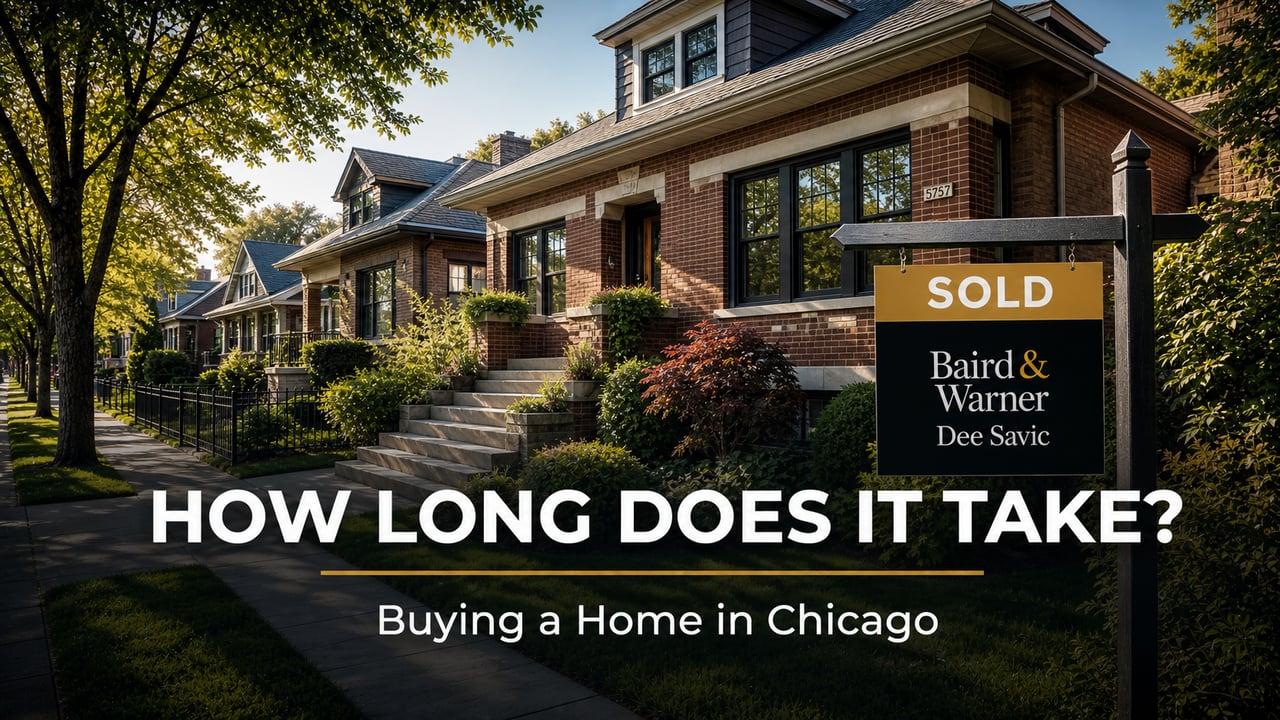
How long does it take to buy a home in Chicago? From accepted offer to closing, the typical Chicago residential transaction takes 30 to 45 days. The full timeline from the decision to buy through closing day — including pre-approval, home search, offer, attorney review, inspection, appraisal, and closing — commonly runs 2 to 6 months depending on market conditions, buyer preparedness, and how quickly the right home appears.
Most buyers underestimate how long the process takes and overestimate how much control they have over the timeline. In Chicago's current market — where the North Side is running at roughly 1.5 months of housing supply and well-priced homes go under contract within days — the buyers who move through the process most efficiently are the ones who completed their preparation before they started looking, not while they were in the middle of it.
This post breaks down every phase of the timeline realistically, including what commonly causes delays and how to avoid them. For the full step-by-step process see my Chicago buyer's guide.
Full pre-approval — not pre-qualification, but a fully underwritten approval — typically takes about few days to one week depending on your lender and how quickly you can provide documentation. You will need recent pay stubs, W-2s, tax returns, bank statements, and other financial documentation. Starting this process before you begin your home search is not optional in Chicago's market — it is the prerequisite for being taken seriously as a buyer.
Buyers who spend time genuinely understanding the neighborhoods they are considering — walking them at different times of day, comparing transit access, understanding price points by property type — make faster and better decisions when they start touring homes. Buyers who skip this phase end up extending their search significantly as they figure out neighborhood fit in real time.
This is the most variable phase of the timeline and the one most affected by market conditions. In Chicago's current low-inventory environment, buyers who are flexible on specific features and neighborhoods tend to find homes faster than buyers with very narrow criteria. That said, flexibility has limits — knowing what you cannot compromise on before you start touring saves significant time.
Buyers who are working with a well-connected agent have access to off-market and pre-market opportunities that can shorten this phase significantly. The buyers who spend the longest in the search phase are typically those who are either waiting for a specific unicorn property that rarely appears, or who are competing repeatedly in multiple-offer situations without adjusting their strategy.
In Chicago's current market, most prepared buyers find a home they are ready to offer on within 4 to 8 weeks of active searching — though this varies widely.
Once your offer is accepted, the transaction timeline becomes more predictable. Here is how the 30 to 45 days typically breaks down:
Illinois law provides five business days for both attorneys to review the contract, request modifications, and either approve or cancel the transaction. The inspection runs simultaneously during this same window — not sequentially. Both your attorney and your inspector need to be identified and ready to move before you make an offer, not after. Delays in getting an attorney or inspector scheduled are one of the most common causes of attorney review complications.
After attorney review is complete, your lender submits your loan for processing and orders the appraisal. Appraisals typically take 1 to 2 weeks to complete. Lender processing and underwriting run concurrently and typically take 3 to 4 weeks from contract acceptance. Staying responsive to lender document requests during this phase keeps the timeline on track — delays in providing requested documentation are a common source of closing date extensions.
The final walkthrough should happen 24 to 48 hours before your scheduled closing. It is your last opportunity to verify the condition of the property and confirm that everything agreed upon in the contract is in place before you sign. Do not skip it.
Closing in Chicago typically takes 1 to 2 hours. You will sign a significant stack of documents, wire your closing funds, and receive your keys. Your attorney coordinates the closing and should walk you through everything you are signing. For the full breakdown of what you will pay at closing see my Chicago closing costs guide.
Understanding what slows transactions down helps you avoid the most common pitfalls.
The most common cause of closing date extensions in Chicago is lender delays — slow processing, late appraisals, or last-minute requests for additional documentation. Working with a lender who has a strong track record of on-time closings in the Chicago market matters. Your agent can help you identify lenders who perform consistently.
Chicago's vintage housing stock sometimes carries title complications — old liens, boundary issues, or errors in the public record — that require time to resolve. Your attorney identifies and works to clear these during the title review process. Complicated title issues can extend the timeline by days or weeks.
When inspection findings require negotiation — repair credits, price reductions, or required fixes — those conversations happen during the attorney review period. If negotiations extend or become contentious, they can push the timeline. Going in as-is eliminates this variable entirely, which is one reason buyers in competitive situations sometimes choose to waive repair requests even when they complete the inspection.
When an appraisal comes in below the contract price, both parties need to negotiate how to address the gap. This adds time and uncertainty to the transaction. Buyers who have pre-committed to covering a specific appraisal gap in their offer terms eliminate this variable in advance.
Relocating professionals buying from out of state face additional timeline considerations. Coordinating the purchase with a lease end date, a job start date, or a relocation package deadline requires more advance planning than a local buyer who can be flexible on timing.
The most important piece of advice for out-of-state buyers: start the process earlier than you think you need to. The buyers who have the most stressful Chicago home purchases are the ones who began their search six weeks before their intended move date. The ones who have the smoothest experiences started four to six months out, got pre-approved early, did their neighborhood research remotely, and were ready to move quickly when the right home appeared.
For the full relocation process see my Chicago relocation specialist page.
From accepted offer to closing, Chicago residential transactions typically take 30 to 45 days. The closing appointment itself usually takes 1 to 2 hours. The full process from the decision to buy through receiving your keys commonly runs 2 to 6 months depending on how prepared you are when you start and how quickly you find the right home.
The attorney review period in Illinois is typically five business days from contract acceptance. During this window, both attorneys review the contract, request modifications, and either approve or cancel the transaction. The inspection runs simultaneously during this same five-day window — not after attorney review ends.
The most effective way to shorten your overall buying timeline is to complete your preparation before you start looking — full pre-approval, attorney identified, inspector identified, neighborhood research done. Once you are under contract, the 30 to 45 day closing timeline is largely determined by lender and title company processes. Staying responsive to all document requests keeps things moving and prevents avoidable delays.
Whether you are six weeks out or six months out, starting the preparation process now puts you in the strongest possible position when you are ready to move. Start with my free Chicago Buyer's Course, then schedule a complimentary and confidential consultation to talk through your specific timeline.
Dee Savic
Realtor® | Baird & Warner
773.719.0989
[email protected]
deesavic.com

Seller Advice
The hardest part of downsizing is usually not the market or the money. It is the house, the stuff, the timing, and not knowing where you would go next.

Market Updates
The North Side is Chicago. The North Shore is suburbs north of Chicago. The difference matters for schools, taxes, commute, housing style, and daily life.

Neighborhood Guides
A walking tour of Chicago's most misunderstood neighborhood - real MLS prices, the one-block rule, and which version of Wicker Park actually fits you.
Market Updates
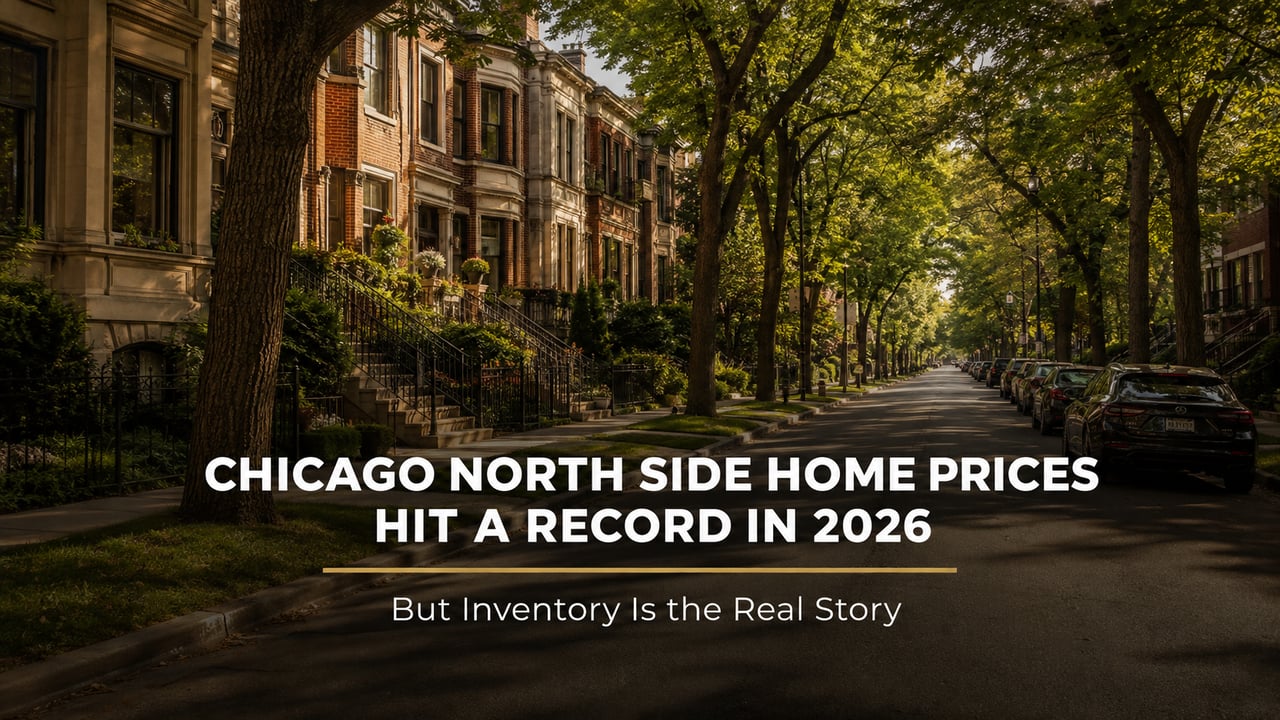
North Side Chicago home prices hit a record $500,000 in Q2 2026 while inventory fell 22.8%. Here is what the numbers mean for buyers and sellers.

Market Updates
Chicago has grown three years in a row - but growth is slowing, and the housing market is doing something the headlines cannot explain.
Market Updates
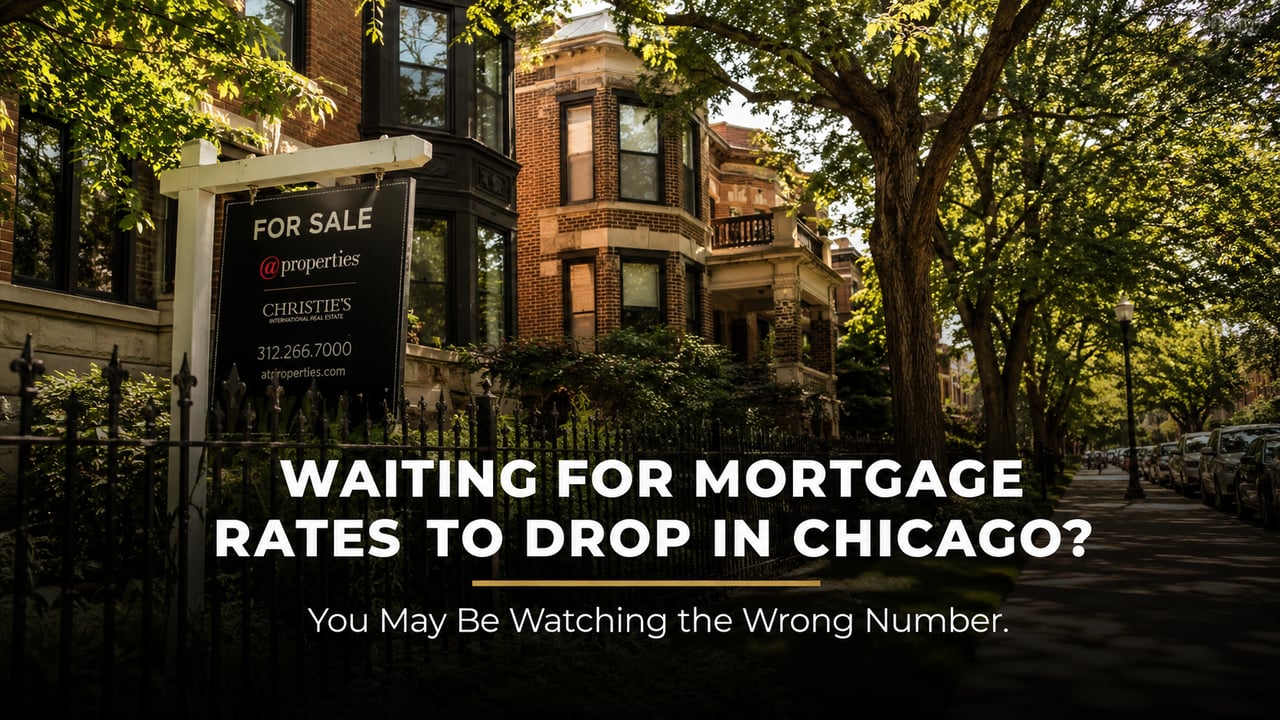
Mortgage rates have barely moved all year. The 30-year fixed averaged 6.65% the week of August 20, 2026 - only slightly above where it was a year ago. In Chicago's 202… Read more
Market Updates
A plain-language guide to the four components of your Cook County property tax bill - what each one means, which ones you can actually move, and how to use this knowle… Read more

Market Updates
Cook County property taxes grew 182% between 1995 and 2024 - double the rate of inflation and faster than wages. Here is exactly where that money went and why your ass… Read more
Market Updates
If you own property in Rogers Park Township - which covers Rogers Park and Edgewater - your Board of Review appeal window is open now and closes September 1, 2026. Evi… Read more
I'm Dee Savic, your trusted Chicago real estate expert, and I'm here to guide you through your relocation journey. Discover why Chicago is the perfect city for you; from its diverse neighborhoods to its cultural vibrancy, Chicago offers an unmatched urban experience. Together, we'll find a community and home that fits your lifestyle and aspirations.