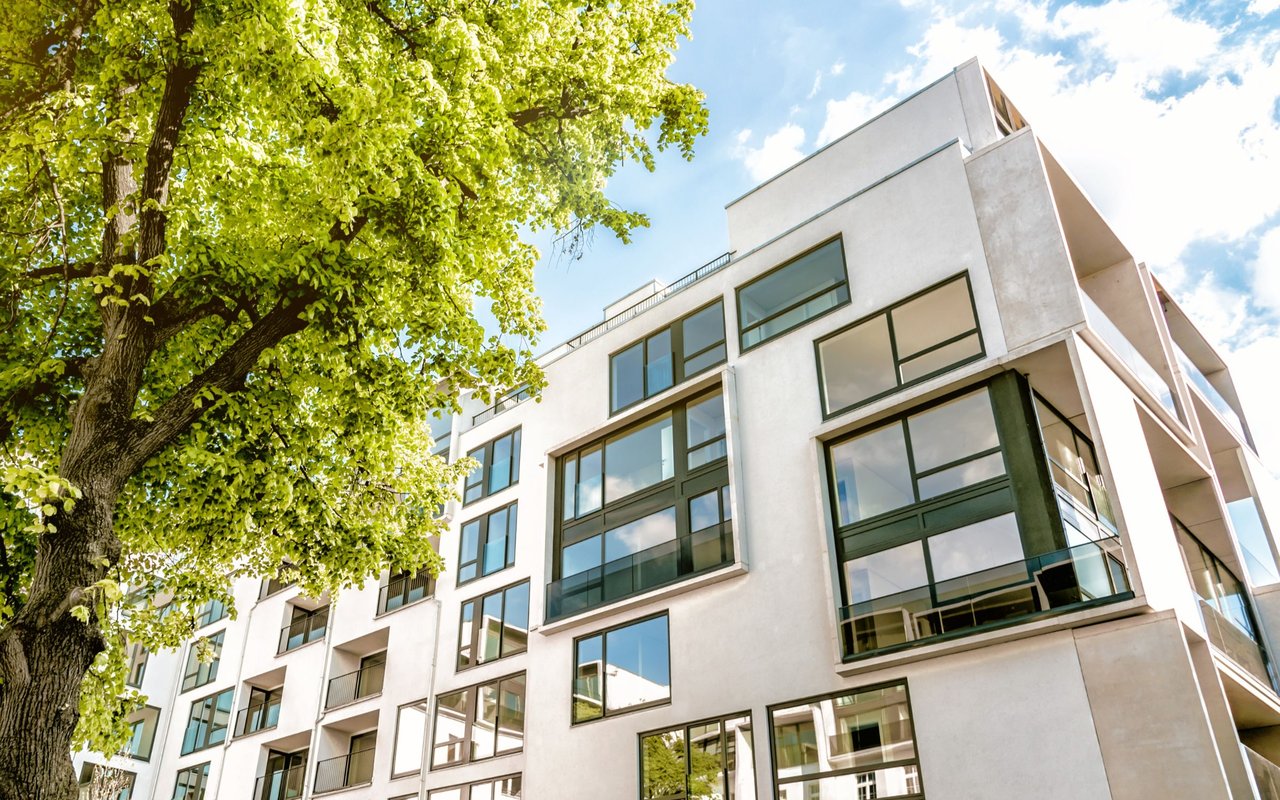

Which Chicago homes fool almost every buyer? The ones that look like a great deal online but have something important you can't see in the listing photos. I'm talking about garden units, homes next to the L, split-face block buildings, vintage homes with old systems, aging lakefront high-rises, and condos that don't qualify for conventional financing.
Does that mean you should avoid them? Not at all. Plenty of people own these homes and love them. But if you're buying a home in Chicago, especially if you're moving here from another state, there are six things I'd want you to understand before you make an offer.
Here's what I'd look at first:
Let's say you're moving to Chicago and looking at homes online. You find a beautiful condo on a tree-lined street, and it's priced noticeably lower than other homes nearby. The photos look great, and the neighborhood is exactly what you want.
My first question would be, why is it priced lower? Sometimes there's a perfectly reasonable explanation, like a smaller layout or a busier street. Other times, the price reflects something you can't see in the photos, such as water intrusion, deferred maintenance or financing restrictions.
That doesn't automatically make it a bad purchase. We just need to understand what we're buying, what it could cost to maintain and whether the price makes sense.
I recorded this video in July 2026, walking through these same six home types, what can go wrong and what I'd check before buying. The costs and examples in this article come from that video.
A garden unit is what we Realtors call a basement-level condo. It's the lowest unit in the building, usually partly below ground. You'll see them in Chicago two-flats, three-flats and vintage courtyard buildings.
They're often one of the least expensive ways to buy in an otherwise expensive neighborhood. You could be living on the same beautiful block as million-dollar greystones without paying anywhere near that price. But there's one thing I'd want to investigate before anything else: water.
Because garden units sit partly below ground, they're more vulnerable to flooding and seepage during heavy rainstorms. Water can leave behind damaged floors, moisture problems and a lingering damp smell. These units can also feel colder in the winter because part of the living space is underground.
First, I'd want to know how the building handles water. Does it have a working sump pump with a battery backup? If the power goes out during a heavy storm, you want that pump to keep working.
I'd also ask whether there's an overhead sewer or a backflow valve to help prevent sewage from backing up into the unit. The City of Chicago's Department of Water Management explains these systems in its guide to blocking rainwater and preventing sewer backup.
Next, I'd ask about the property's flooding history. Has water ever entered the unit? Were repairs made? During attorney review, I'd have your attorney ask specifically about previous insurance claims.
If there were claims, there should be records we can request and review. I wouldn't rely on a verbal answer alone.
Then I'd look closely at the floors. Hardwood in a garden unit makes me pay particular attention because moisture can damage it. If boards are warped, buckled or lifting, I'd want an inspector to investigate why. Those signs don't automatically prove there was flooding, but they're worth looking into.
When the drainage systems are working properly, the flooding history checks out, the unit gets good natural light and the price reflects its location within the building, a garden unit can be a good option. You may get more space or be able to buy in a neighborhood you otherwise couldn't afford.
The same water concerns apply to duplex-down condos, where your home includes a first floor and a lower level. I explain that layout in my article on why Chicago buyers are choosing duplex condos.
Would you buy a condo right next to the L tracks if it meant paying less than you would a block or two away? For some buyers, being steps from a train station makes the trade-off worthwhile, especially if they're commuting downtown without a car.
Noise is the obvious concern, particularly if you're a light sleeper and your bedroom faces the tracks. The CTA rebuilt the Red and Purple Line tracks between Lawrence and Bryn Mawr, through Uptown and Edgewater, as part of its Red and Purple Modernization project.
But noise isn't always the biggest issue. When a train passes close to a building, you may actually feel it. Good soundproof windows can help with noise, but they do much less for vibration.
I'd want you to visit during rush hour, when trains are running frequently. Stand in the bedroom or living room closest to the tracks and wait for a train to pass. Listen to the noise, pay attention to whether you can feel the vibration, and ask what kind of windows the home has and when they were installed.
A quiet Sunday afternoon showing might give you a very different impression from a weekday morning. And we're not just thinking about whether you can live with the train. We're also thinking about the person who might buy your home someday.
If you've experienced the train during a busy period, the noise and vibration don't bother you, and the price reflects that location, it could be a good purchase. Some people stop noticing train noise within a week, while others never get used to it.
The tracks can turn away buyers who are sensitive to noise or vibration when it's time to sell. That's why I wouldn't want you paying the same price as a comparable home without that drawback.
If you're still comparing neighborhoods and train lines, my guide to 5 Chicago neighborhoods relocators get wrong may help you narrow things down.
Split-face block is a concrete masonry block with a rough, textured surface. You'll find it on many three- to six-unit Chicago condo buildings constructed in the late 1990s and throughout the 2000s. Once you know what it looks like, you'll start noticing it everywhere.
The material is porous, which means it can absorb water. If the exterior isn't properly sealed and maintained, moisture can work its way through the block and into the walls. That can lead to leaks, mold and expensive interior repairs.
Here's what surprises many buyers: split-face block generally needs to be resealed every 5 to 7 years. It's ongoing building maintenance, not a one-time repair. For a typical three- to six-unit building, resealing can cost somewhere around a couple thousand dollars each time, based on the example I discussed in my video.
Before we walk inside, I'd want to look at the exterior. Are there water stains running down the block? Do you see cracked or missing sealant, or areas that look like they've been patched repeatedly?
I'd ask when the building was last sealed and whether the association has documentation of the work. I'd also want an inspector who's familiar with Chicago masonry and split-face block construction.
Because so many smaller Chicago condo buildings are self-managed, I'd review the association's budget and reserves too. Has the association been setting money aside for maintenance, or does everyone have to come up with extra cash when repairs are needed?
No. If the association has been maintaining the building properly, the sealing history is documented and the exterior is in good condition, it may be perfectly reasonable to buy there. You just need to understand that resealing is a recurring expense.
Where I become more concerned is when nobody can tell us when it was last done, there's visible evidence of moisture or the association hasn't set aside enough money for maintenance. Some buildings put off sealing until there's a leak in one of the units, turning a maintenance expense into a larger repair.
If you're wondering what the association should be budgeting for, I explain that in my guide to Chicago condo HOA fees.
I love Chicago's vintage homes. Give me a beautiful greystone or a 1920s bungalow with original woodwork and high ceilings, and I understand why someone would want to live there. But a beautiful vintage home and a well-maintained home aren't necessarily the same thing.
The kitchen might have new cabinets and countertops, the walls might be freshly painted and everything might feel move-in ready. But the furnace could be from the 1980s, the wiring might not have been updated since the house was built, the plumbing could be old, and the water heater might be nearing the end of its life.
None of that shows up in the listing photos. Any one of those systems can be expensive to replace, and if several need attention around the same time, you could be looking at five-figure expenses on top of your mortgage.
Start with a thorough home inspection. I wouldn't recommend skipping it just because the home looks beautifully renovated or because the market is competitive.
I'd want the inspector to evaluate the furnace, electrical system, plumbing, roof and exterior. I'd also recommend having the sewer line inspected with a camera and asking about the age of every major system.
There's a big difference between buying an older house with systems that have already been updated and buying one where everything may need attention in the next few years. The inspection helps us understand that difference before you commit to the purchase.
When the important systems have been maintained or updated, buying a vintage Chicago home can give you the original woodwork, high ceilings and architectural character without immediately taking on major repair projects. I'd just want us to understand its actual condition and make sure the price reflects any work it needs.
If you're considering a two-flat, most of those buildings are vintage too. My guide to buying a 2-flat in Chicago covers the other things I'd investigate before purchasing one.
Imagine finding a condo in a lakefront high-rise with beautiful views, plenty of space and a surprisingly low price per square foot. The building was constructed in the 1970s or 1980s, but the unit looks great. Compared with a newer building nearby, it almost feels like a bargain.
As high-rises age, major building systems eventually need repairs or replacement, sometimes around the same time. I'm talking about exterior facades, elevators, heating and cooling equipment, windows and plumbing risers.
Risers are the pipes that run vertically through the building. In many older high-rises, those pipes may still be original. You'll find buildings like these along Chicago's lakefront, including in Lakeview.
The repairs themselves aren't necessarily the problem. What matters is whether the condo association has been planning and saving for that work. If a major repair becomes necessary and the association doesn't have enough money, the owners may have to pay a special assessment.
Here's a real example from a building I know, although I'm not going to identify it.
The building eventually had to replace its plumbing risers. For one two-bedroom condo, the owner's share of the assessment came to around $60,000.
Smaller units paid less, but their owners were still facing bills in the tens of thousands of dollars for pipes they couldn't even see.
Some longtime owners had enough equity to deal with that expense. But buyers who had purchased only a year and a half earlier were caught off guard because they hadn't reviewed the building's finances before buying.
That's exactly the kind of surprise I'd want to help you avoid.
Start with the reserve study. It helps us understand what major repairs the building anticipates and whether the association is setting aside enough money to pay for them.
Then I'd read the last two years of board meeting minutes. I'd pay particular attention to discussions about the facade, elevators, engineering studies, plumbing risers and special assessments. Those conversations can tell us a lot about what the board knows and what work may be coming.
Finally, I'd have your attorney ask in writing whether any special assessments are planned or being discussed. We may not be able to predict every future expense, but we can investigate what the association already knows.
For more on how these expenses work, read my article about Chicago condo special assessments, including who pays when an assessment is approved during a sale. I also cover noise, parking, pet rules and other considerations in my guide to buying a Chicago high-rise condo.
And if you want to understand the other expenses involved in a purchase, including transfer taxes, property taxes and closing costs, watch my video on the hidden costs of buying a home in Chicago.
You might have excellent credit, a good down payment and a lender who's ready to approve your mortgage. But for many conventional condo loans, the building itself also has to meet certain lending requirements. When it does, we call it a warrantable condo. When it doesn't, it's non-warrantable.
A building may not qualify because one owner owns too many units, the association is involved in litigation or the reserves are too low. When conventional financing isn't available, buyers may need cash or alternative financing.
Even if you can find a way to purchase the condo, your future buyer may face the same financing restrictions. That can reduce the number of people who are able to purchase your home when it's time to sell.
There's also an important rule change coming. For loan applications dated January 4, 2027 or later, many condo buildings must budget at least 15% of their assessment income for reserves to qualify, up from 10%. Buildings that don't meet the applicable requirements could lose their warrantable status.
I go into that change in more detail in my article on non-warrantable condos in Chicago.
I'd start by requesting the complete set of condo association documents and involving your lender early. These are the questions I'd want answered:
I'd share the property address with your lender as early as possible so they can begin reviewing the building's eligibility. You don't want to find out late in the transaction that your financing won't work because of something involving the condo association.
Warrantable status isn't the only thing I look at. I still want to know whether the association has healthy reserves, how it handles maintenance and whether there are major expenses coming.
On my Chicago condo specialist page, I explain how I help buyers investigate the building, not just the individual condo they're purchasing.
If you're touring Chicago homes, here's a quick comparison of all six property types. You can use this as a starting point for questions to ask your agent, inspector, attorney and lender.
Home Type | Why It Looks Good Online | What the Listing Won't Show | What I'd Check |
|---|---|---|---|
Garden unit | Lower price on an expensive block | Flooding, seepage, dampness, colder winters | Sump pump with battery backup, overhead sewer or backflow valve, flooding history, insurance claims, the floors |
Home next to the L | Lower price, steps from the train | Vibration, noise, fewer interested buyers when you sell | Stand in the room facing the tracks at rush hour, check the windows |
Split-face block building | Newer building, late 1990s or 2000s | Water getting into the block, resealing every 5 to 7 years | Staining, cracked sealant, repeated patches, date of last sealing, a masonry-savvy inspector |
Vintage home with old systems | Character plus a new kitchen | Old furnace, wiring, pipes, water heater | Full inspection, sewer line camera, the age of every major system |
Older lakefront high-rise | Views and a low price per square foot | Facade, elevators, windows, risers, possible special assessment | Reserve study, two years of board minutes, a written question from your attorney |
Non-warrantable condo | Often priced lower than similar condos | Harder to finance and harder to sell | Warrantable status, reserves, litigation, owner-occupied vs. rented |
There's one piece of advice I give buyers regardless of what kind of Chicago home they're purchasing: don't put every last dollar into the down payment. I understand the temptation, especially when you're competing for a home in a neighborhood you love.
But what happens if the furnace stops working in the middle of winter, the sewer line needs attention or your condo association approves a special assessment? Those expenses are easier to handle when you've kept some money available after closing.
No inspection can guarantee that nothing will ever need repair. I'd rather help you buy a home you can comfortably afford to own, not just one you can afford to close on.
My guide to closing costs in Chicago will help you understand how much cash you may need at closing and what you can keep in reserve.
If you're relocating, you may not be able to visit a property after a major rainstorm or return to the building several times before deciding. My guide to buying a Chicago home from out of state explains how I help buyers navigate that process when they can't be here for every step.
A garden unit is a condo on the lowest level of a building, usually partly below ground. It's often less expensive than other units on the same block, but it's important to investigate potential water problems. Before buying, check the sump pump and battery backup, overhead sewer or backflow valve, flooding history, insurance claims and any signs of moisture damage.
Not necessarily. Homes near the L can cost less than comparable properties farther from the tracks, and the location may be convenient for commuting. I'd recommend visiting during rush hour to experience both noise and vibration. Also consider whether the location could limit your pool of buyers when you eventually sell.
Split-face block generally needs resealing every 5 to 7 years because the porous material can absorb water. On a three- to six-unit Chicago condo building, resealing may cost somewhere around a couple thousand dollars each time. Ask for the building's maintenance history, check for staining or cracked sealant, and have an inspector familiar with Chicago masonry evaluate the exterior.
Ask for the reserve study and review the last two years of board meeting minutes. Look for discussions about elevators, facade repairs, plumbing risers, engineering studies and special assessments. Have your attorney ask in writing whether assessments are planned or being discussed. In one older building I know, a plumbing riser replacement resulted in an assessment of around $60,000 for a two-bedroom condo owner.
A non-warrantable condo is in a building that doesn't meet certain conventional mortgage requirements. Reasons can include inadequate reserves, ongoing litigation or too many units owned by one person. Buyers may need cash or alternative financing, which can make resale more difficult. Ask your lender to review the building's eligibility early in the buying process.
Would I tell you not to buy a garden unit, a condo next to the L or an older high-rise? No. My job is to help you look beyond the listing photos, ask the questions you might not know to ask and understand what you're getting for your money. Then you decide whether the home works for you.
If you're just starting the buying process, my free Chicago Buyer's Course walks you through getting pre-approved, looking at homes, inspections, condo documents and closing.
If you already have a home or building in mind, I'd be happy to help you evaluate it. You can book a free, no-pressure consultation or call or text me at 773.719.0989.
If you're moving to Chicago and haven't decided where to live yet, start with my free Chicago relocation guide. You can also learn more about how I help buyers moving here on my Chicago relocation real estate agent page and read what past clients have shared on my testimonials page.
Costs in this post are examples from my own experience and will vary by building and home. Information is at the time of research, deemed reliable but not guaranteed. Talk to your attorney, lender and inspector about any specific property.
Dee Savic is a Chicago Realtor® with Baird & Warner. She has more than 24 years of real estate experience, has lived in Chicago for more than 27 years, and has closed more than 300 transactions with over $100 million in career sales. She helps buyers, sellers, downsizers and relocation clients across Chicago, including Lincoln Park, Lakeview, Lincoln Square, Ravenswood, North Center, Roscoe Village, Bucktown, Wicker Park, Logan Square, Andersonville, Uptown and the Gold Coast.
Dee Savic
Realtor® | Baird & Warner
4553 N. Lincoln Ave, Chicago, IL 60625
773.719.0989
[email protected]
deesavic.com
Buyer Guides
How do you spot them before you buy?

Chicago Lifestyle
What's open, what's closed and what's free from Thursday to Sunday?
Selling
What did 813 Lincoln Park condos sell for, and what changes the price?
Buyer Guides
What do studios and 1, 2 and 3 bedroom condos really sell for?

Buyer Guides
What do homes really cost, and how does daily life compare?

Buyer Guides
Size, the Blue Line, daily life and six months of MLS prices for condos and houses
Buyer Guides
The boulevards, the Blue Line, the homes, and what condos and houses really sell for
Sellers
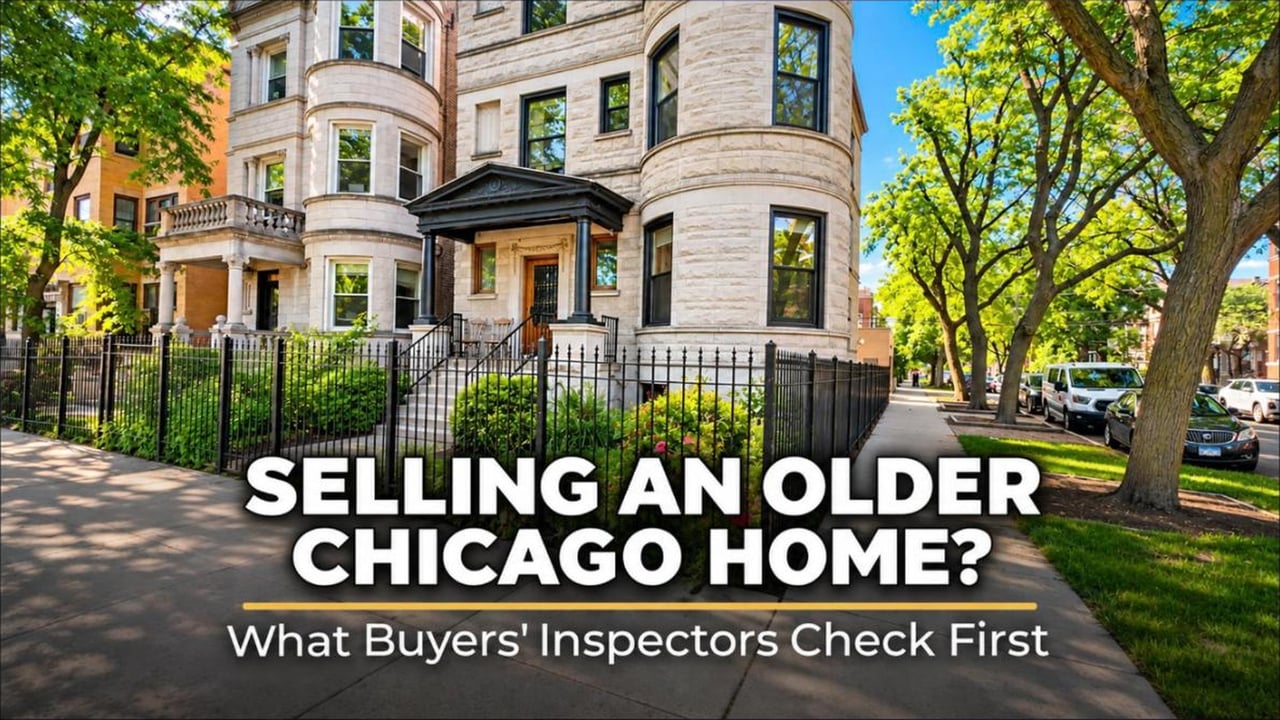
The nine things inspectors check in a vintage Chicago home, and what to do before you list

Local Events
Times, gates, closures, transit and how to do both in one night
I'm Dee Savic, your trusted Chicago real estate expert, and I'm here to guide you through your relocation journey. Discover why Chicago is the perfect city for you; from its diverse neighborhoods to its cultural vibrancy, Chicago offers an unmatched urban experience. Together, we'll find a community and home that fits your lifestyle and aspirations.