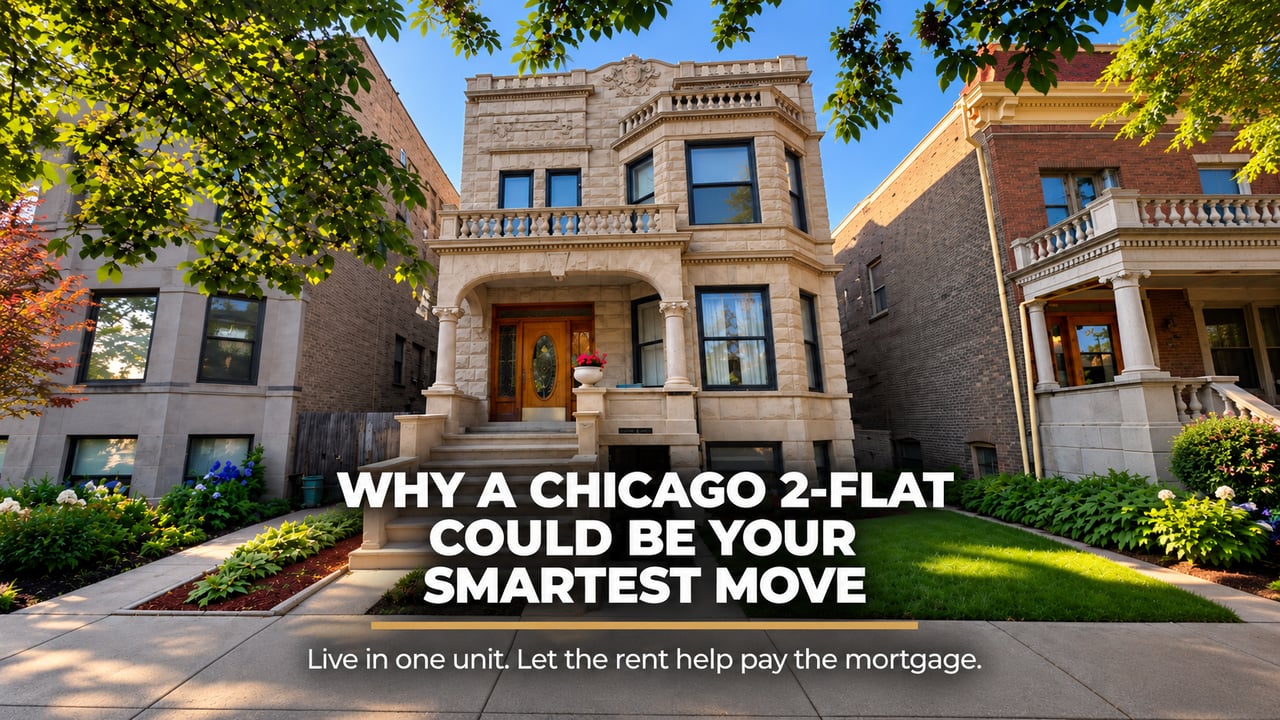
Is buying a 2-flat in Chicago a smart real estate move? For many buyers, yes. A 2-flat lets you live in one unit while rent from the other helps pay your mortgage, and you own the whole building and the land underneath it. Vintage 2-flats are one of the most popular property types on Chicago's North Side, and in my experience they are also one of the fastest-appreciating.
I have been selling Chicago real estate for more than 24 years, with 300+ closed transactions and more than 190 five-star reviews, and I help buyers find and finance 2-flats across the North Side. This guide covers why 2-flats are such a strong buy, which loans work best, what units rent for right now in Lincoln Square, Arcadia Terrace, West Ridge, and North Center, and how I help my clients screen tenants.
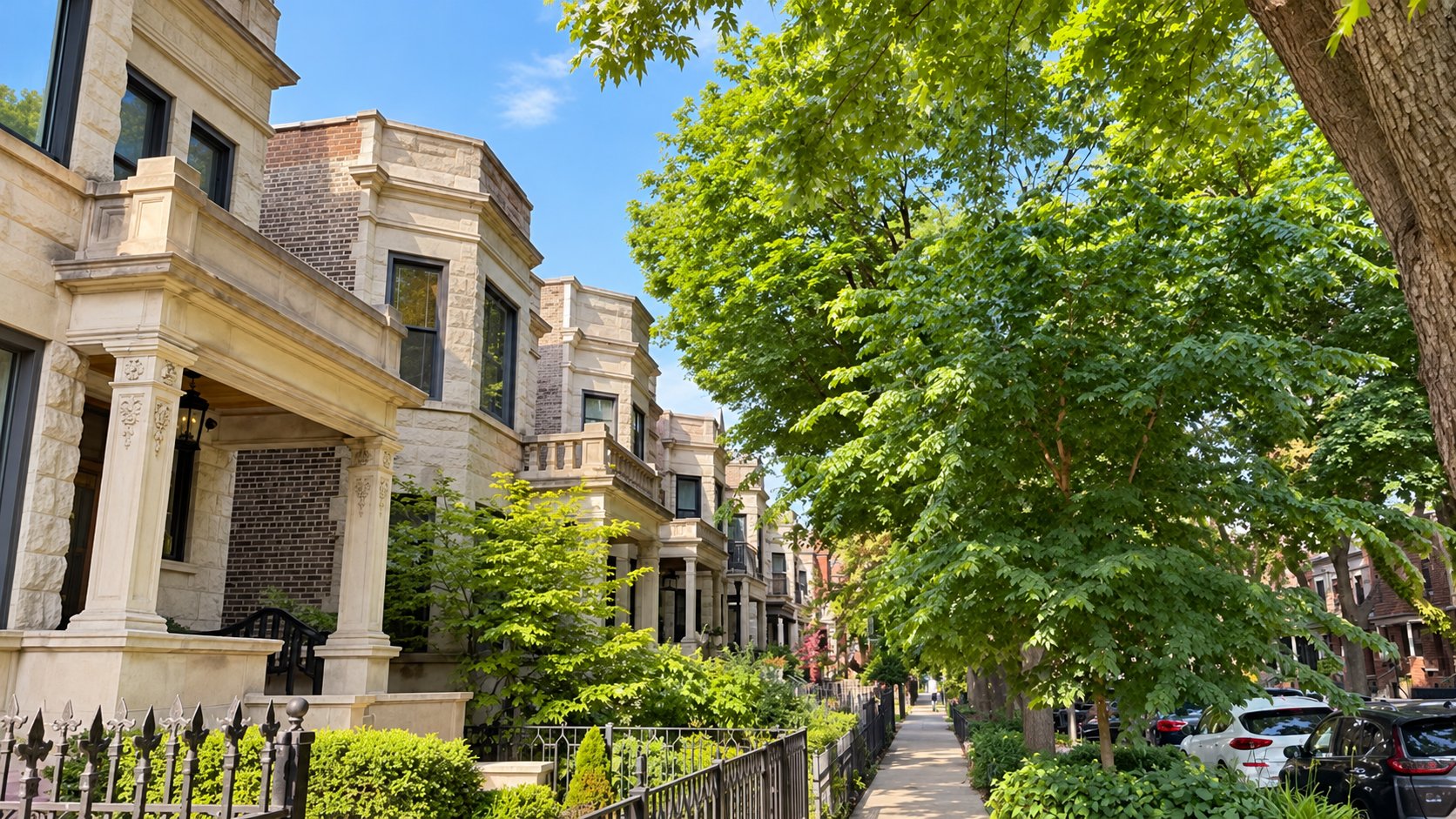
The biggest reason is simple: your tenant helps pay for your home. Right now, 2-bedroom and 3-bedroom units in vintage 2-flats in Lincoln Square (60625), Arcadia Terrace and North Center (60618) are renting for about $2,200 to $3,500 a month. That rent goes toward your mortgage every month while you build equity in the whole building.
A 2-flat also gives you more than one way to grow your money. The building can rise in value over time, and you can add value yourself by updating the units. Several of my clients bought older buildings where units were renting for around $1,700 a month, renovated them, and raised the rents to about $2,300-$2,600. That increase covered more of their mortgage every month and raised what the building is worth to the next buyer.
If you plan to renovate, check the current leases before you buy. Tenants paying below-market rent may have leases that run for months, so the end dates tell you when you can update each unit and bring the rent up to market.
2-flats also give you options later. You can live in one unit for a few years, then move out and rent both, or sell to a wide range of buyers, including people who want to live in one unit, investors, and buyers who want to convert the building into one large home. My post comparing a condo and a 2-flat in Lincoln Square walks through a real example with the full monthly cost math.
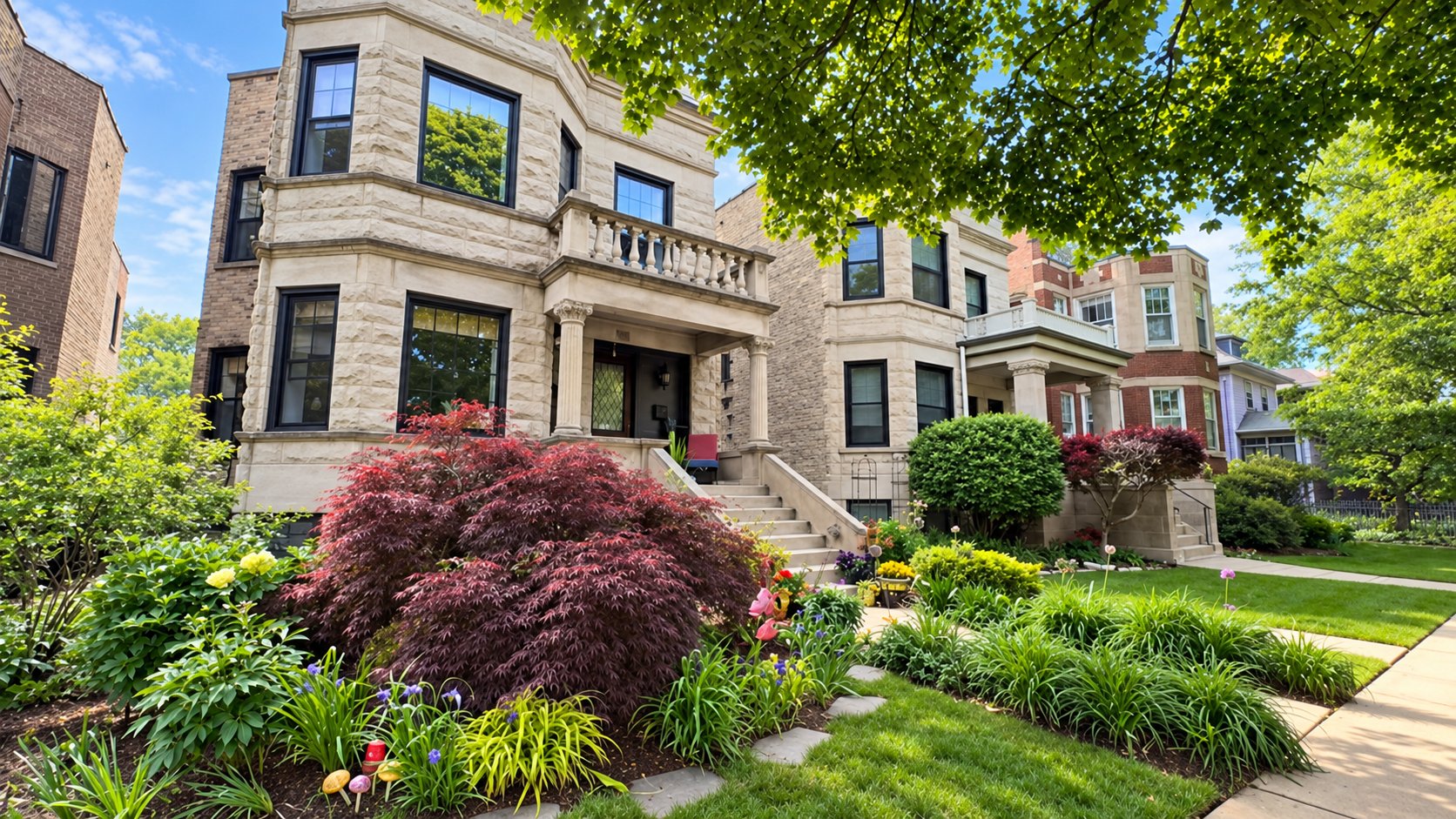
A Chicago 2-flat is a building with two separate apartments stacked on top of each other, usually one per floor, with one owner for the whole building. Most of the ones I sell are vintage brick or greystone buildings from the early 1900s, often with a full basement underneath. You own the building, the land, and both units.
People sometimes mix up a 2-flat and a duplex. In Chicago, a duplex is a condo unit that spans two floors inside a building, so you own one unit and share the building with an association. If that is what you are looking for, my guide to duplex condos in Chicago explains how they work.
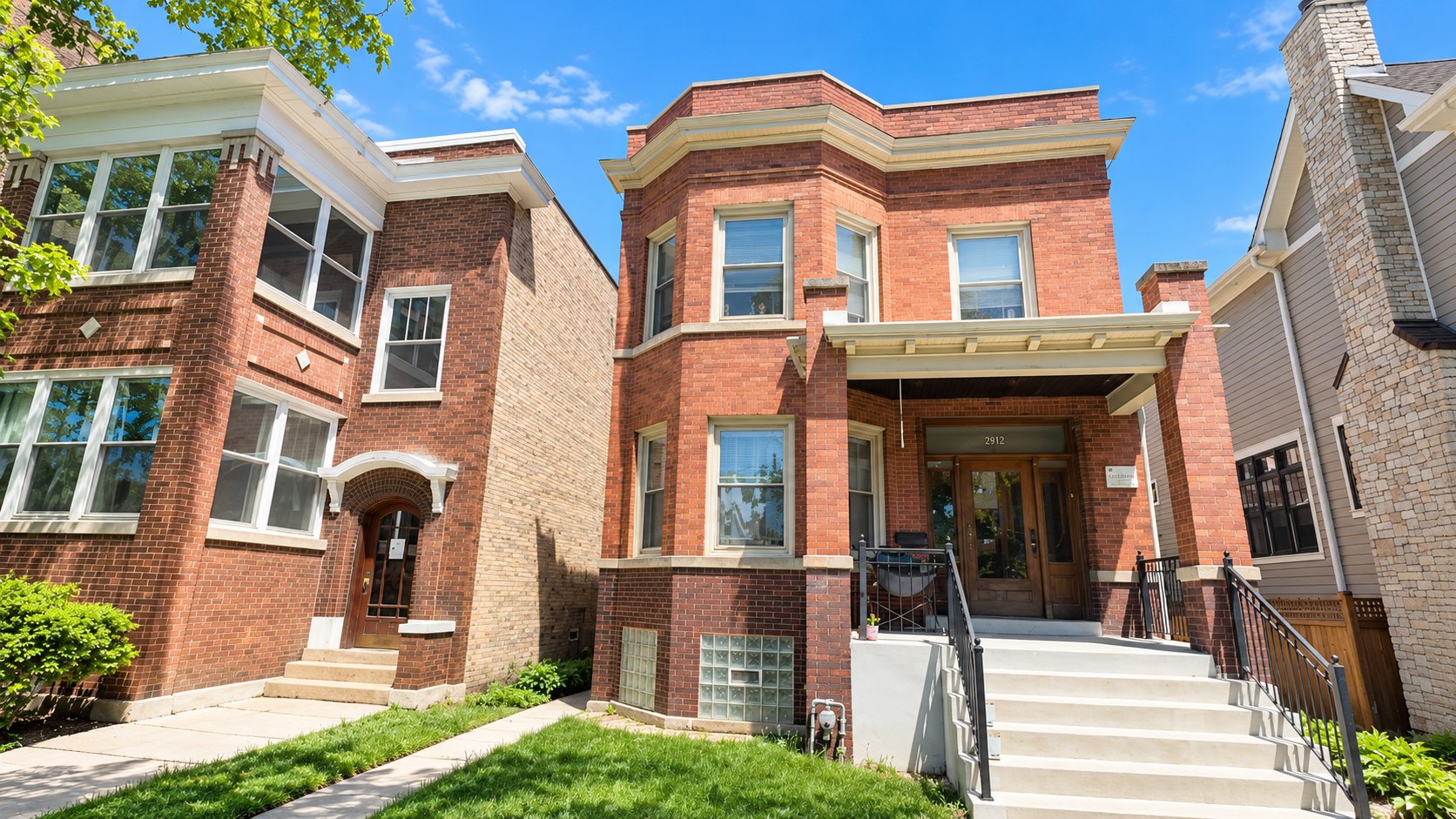
If you are coming in with 20 percent down on a conventional loan, buying a 2-flat works much like buying any other home. If you plan to live in one of the units, you also have lower down payment options, and many loan programs let your lender count part of the expected rent from the second unit, often 75 percent, toward your income. That can help you qualify for more.
Loan | Minimum down payment | What to know |
|---|---|---|
Conventional (you live in one unit) | 15 percent | The standard choice for owner-occupants, and with 20 percent down the process is straightforward |
Fannie Mae 5 percent down (you live in one unit) | 5 percent | Works well when every unit in the building is legal, so check the basement first |
FHA (you live in one unit) | 3.5 percent | Best for buildings in good condition with no basement apartment |
VA (eligible veterans and service members who live in one unit) | 0 percent | The appraisal checks that the building meets VA property standards |
Conventional investor loan (you do not live there) | 25 percent | Rent from both units helps cover the payment |
Get fully pre-approved before you tour, and tell your lender up front that you are shopping for 2-flats so they match you with the right program. If you need a lender who works with 2-flat buyers, I am happy to introduce you to one I trust. My guides to down payments in Chicago and the credit score you need to buy in Chicago cover the basics.
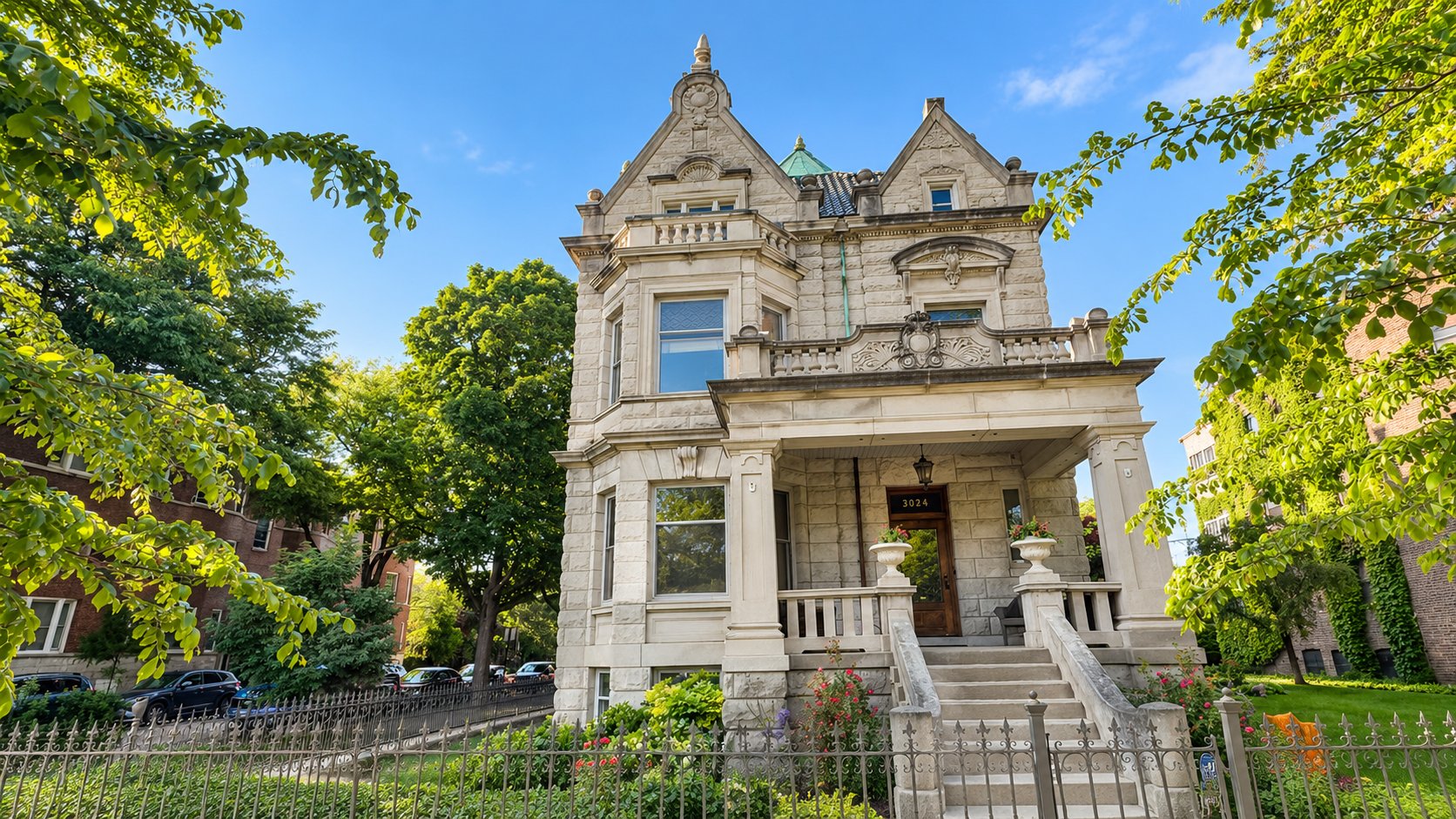
FHA and the Fannie Mae 5 percent down loan make 2-flats possible for many more buyers. Both work best when you choose the building with the loan in mind, and two things matter most.
An FHA appraiser checks that the property is safe, sound, and secure. On an older building, items like peeling paint in a building built before 1978, missing handrails, damaged porches or stairs, broken windows, or heating problems may need to be fixed before closing. Since the seller makes those repairs, I focus FHA buyers on buildings that are already in good shape, which keeps the purchase smooth.
Many Chicago 2-flats have a garden or basement apartment with its own kitchen that was never permitted as a legal unit. When the appraiser sees it, the lender usually asks for a change before closing. With the Fannie Mae 5 percent down loan, you may be asked to remove the basement kitchen completely, and with FHA, I have seen lenders ask to remove the stove and cap the gas line.
The easy fix is to find out early. Before you make an offer, I ask about any basement kitchen, bathroom, or separate entrance, confirm how many units the building is legally approved for, and make sure your lender knows about the basement before the appraisal. If work is needed, we get the seller's agreement in writing.
My clients who buy with the most confidence run their numbers two ways. First, they use the rent each unit can get today, in its current condition. Then they run the numbers again with the rent 10 to 15 percent lower, to cover a month or two between tenants, and with a higher property tax bill.
Chicago properties are reassessed every three years, so look at the last three years of tax bills for any building you are considering. My guides on how Chicago property taxes work and why Chicago property taxes go up explain what to look for. A building that works with these numbers is a building you can buy with confidence.
Most North Side 2-flats are close to 100 years old, and their solid brick construction is part of why they last. A full inspection by an inspector who knows older Chicago buildings tells you what to plan for. Ask them to look closely at:
Use the inspection report to negotiate a repair credit or a price change where it makes sense. After closing, set aside a repair fund so a boiler service call in February is a routine expense.
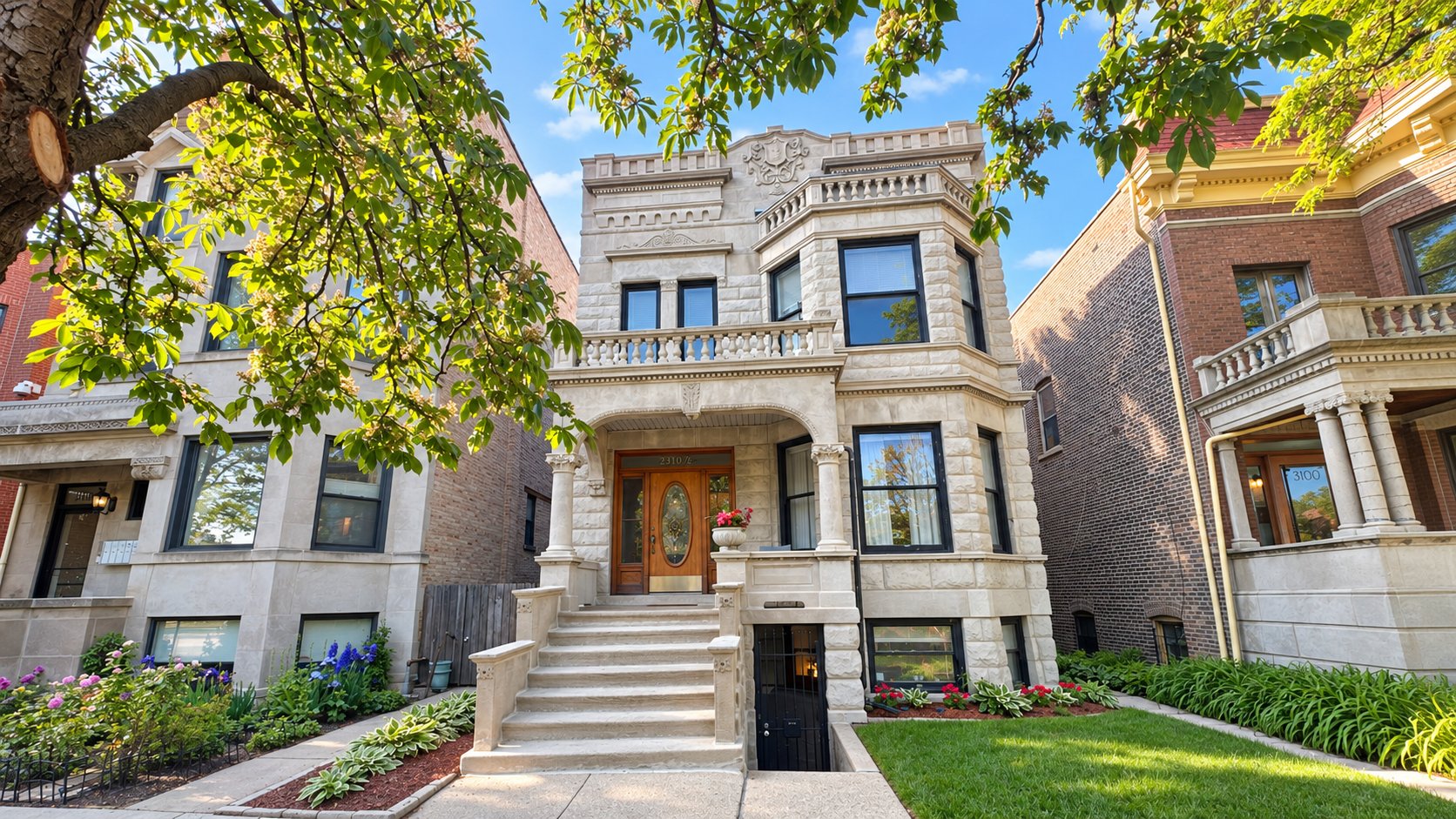
A good tenant makes owning a 2-flat easy, especially when you live upstairs or downstairs from them. I help my clients set clear screening criteria in writing and apply the same criteria to every applicant. Here is what I check:
What I check | What it tells you |
|---|---|
Credit check | How the applicant has handled bills and debt |
Employment and income verification | Whether the income is real and steady enough to cover the rent |
Landlord verification | Whether they paid on time, took care of the unit, and left on good terms |
Background check | Run only after the applicant passes the steps above, following Cook County rules |
Fair housing laws set some rules for how you screen. Under Cook County's Just Housing Amendment, you first prequalify applicants on things like income, credit, and rental history, and only then run a criminal background check. Arrests without a conviction and convictions older than three years cannot be considered, and a recent conviction requires an individual review of the applicant. Cook County also does not allow landlords to turn away applicants because they use a housing voucher.
There is good news for owner-occupants, too. Chicago's Residential Landlord and Tenant Ordinance does not apply to units in owner-occupied buildings with six or fewer units, so a 2-flat you live in is usually exempt. If you later move out and rent both units, the ordinance applies, and a real estate attorney can set up your lease to follow it.
For many buyers, yes. You can live in one unit while rent from the other helps pay your mortgage, and you build equity in the whole building. In my experience, vintage 2-flats on the North Side are one of the most popular and fastest-appreciating property types in the city.
If you live in one unit, a conventional loan typically needs 15 percent down, the Fannie Mae 5 percent down program needs 5 percent, FHA needs 3.5 percent, and VA can need nothing down for eligible buyers. Investors who will not live in the building typically need 25 percent down. With 20 percent down, buying a 2-flat works much like buying any other home.
Yes, if you plan to live in one of the units and the building meets FHA property standards. FHA works best for buildings in good condition without a basement apartment, so I focus FHA buyers on those buildings from the start.
Often, yes. When you live in one unit, many lenders can count part of the expected rent from the second unit, often 75 percent, toward your qualifying income. Confirm the details with your lender before you start touring.
With a low down payment loan, the lender usually asks for a change before closing. With the Fannie Mae 5 percent down loan, you may be asked to remove the basement kitchen completely, and with FHA, lenders often ask to remove the stove and cap the gas line. Find out about the basement before you make an offer so you can plan for it.
In Lincoln Square, Arcadia Terrace, West Ridge, and North Center, 2-bedroom and 3-bedroom units in vintage 2-flats are renting for about $2,200 to $3,000 a month. Updated units with laundry and parking rent at the higher end.
No. In Chicago, a duplex is a condo unit that spans two floors, and you share the building with a condo association. A 2-flat is a building with two separate apartments, and you own the whole building.
Set written criteria and apply them the same way to every applicant. I check credit, employment and income, and past landlord references, and a background check comes only after an applicant prequalifies, following Cook County's Just Housing Amendment. Cook County landlords cannot refuse applicants because they use a housing voucher.
A 2-flat can be one of the best ways to own a home and build wealth in Chicago at the same time. I help buyers find buildings that fit their financing, check the basement and the building's condition early, and run the numbers with current rents. You can read more about how I work with 2- to 4-unit buyers and with 2- to 4-unit buyers in Lincoln Square, and my Ravenswood neighborhood guide is another good place to start your search.
When you are ready, schedule a complimentary and confidential buyer consultation here. It runs about an hour, and we will talk through your budget, your financing, and the neighborhoods where the numbers work. You can also call or text me directly at 773.719.0989.
Rent ranges are based on my recent experience in these neighborhoods. Loan program and legal information is from Fannie Mae, Cook County, and the City of Chicago. Accurate at the time of research, deemed reliable but not guaranteed. Loan rules change and vary by lender, so confirm the details with your lender and a real estate attorney.
Dee Savic is a Realtor with Baird & Warner, a 24+ year real estate professional, and a 27+ year Chicago resident with 300+ closed transactions and more than 190 five-star reviews across Google, Zillow, Realtor.com, and FastExpert. She helps buyers, sellers, and investors across Chicago, including Lincoln Square, Ravenswood, North Center, Roscoe Village, Lakeview, Lincoln Park, Andersonville, Uptown, Edgewater, Logan Square, Avondale, Bucktown, and Wicker Park.

Dee Savic
Realtor® | Baird & Warner
4553 N. Lincoln Ave, Chicago, IL 60625
773.719.0989
[email protected]
deesavic.com
Neighborhood Guides
What homes sold for, the 606, the Blue Line, types of homes, and Bucktown vs. Wicker Park
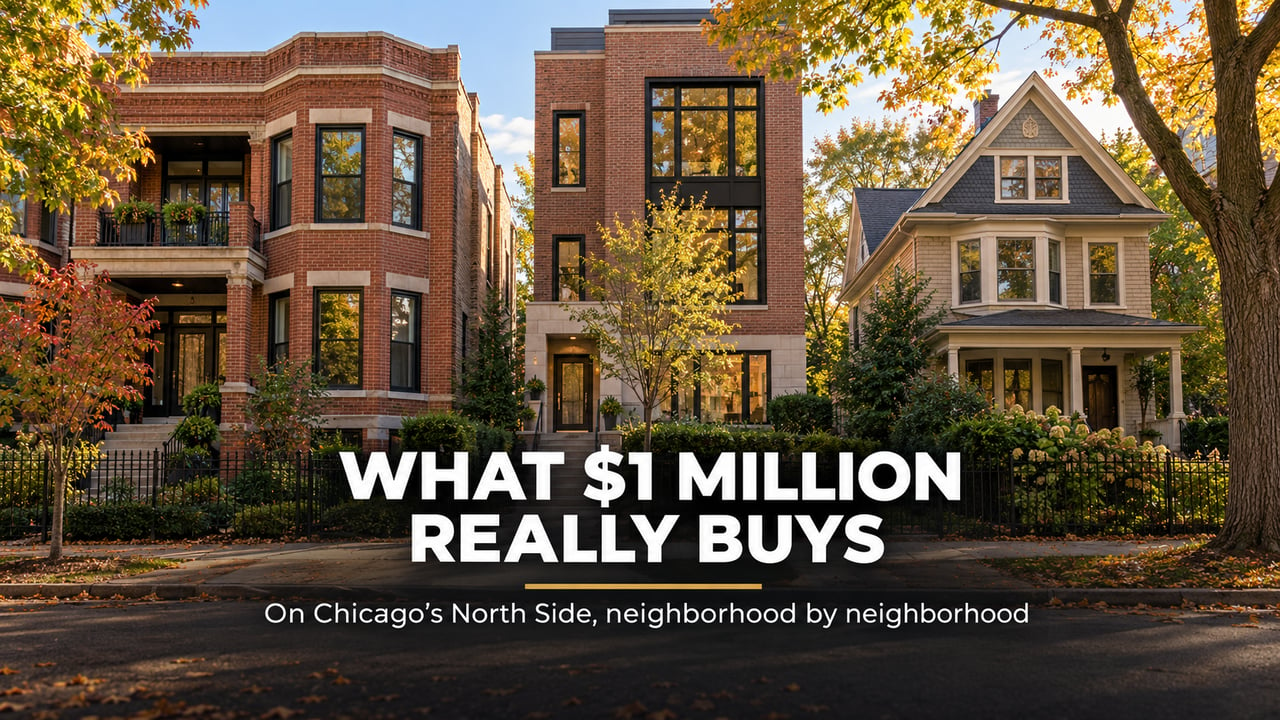
Buying
Real 2026 sales in Lincoln Park, Lakeview, North Center, Roscoe Village, Lincoln Square, Irving Park, Edgewater, and Andersonville

Buying
Where the unit sits, elevators, pets, wind and sound, views, parking, and building rules

Buying
The real monthly cost, yards, winter, parking, competition, long-term value, and choosing the right neighborhood
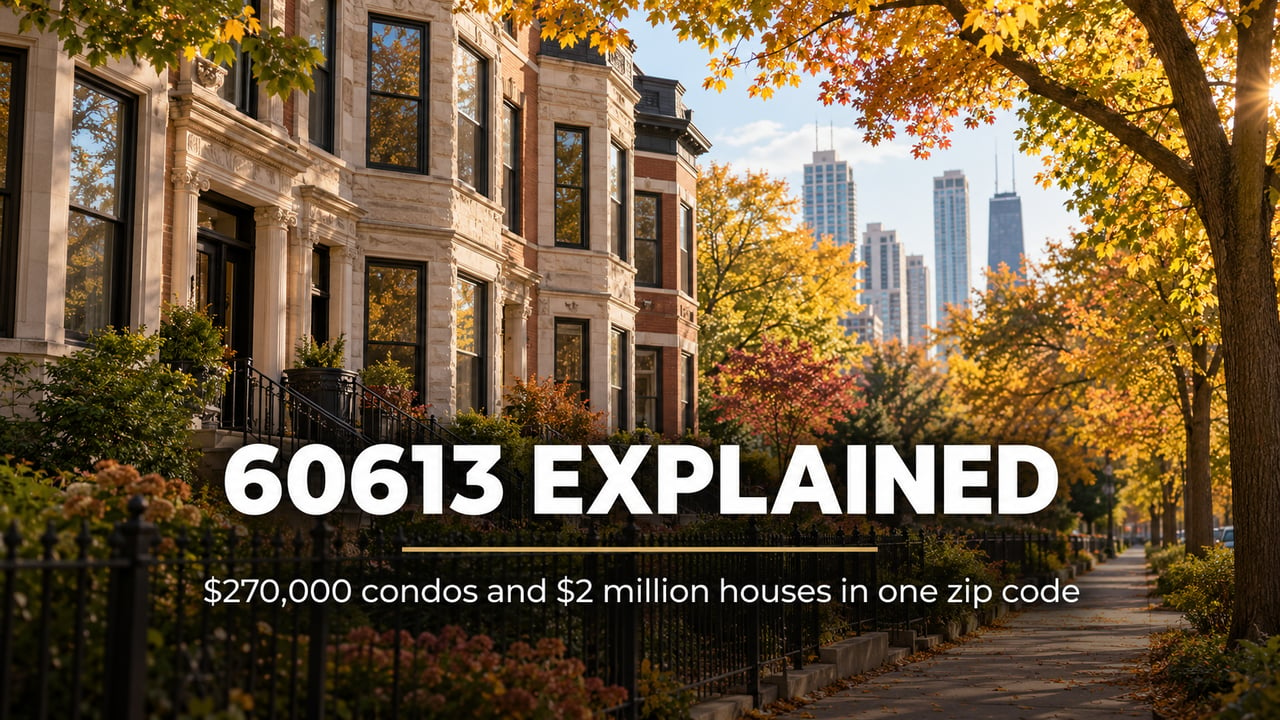
Neighborhood Guides
The six parts of 60613, from the lakefront to Damen, and what homes sold for in each in 2026
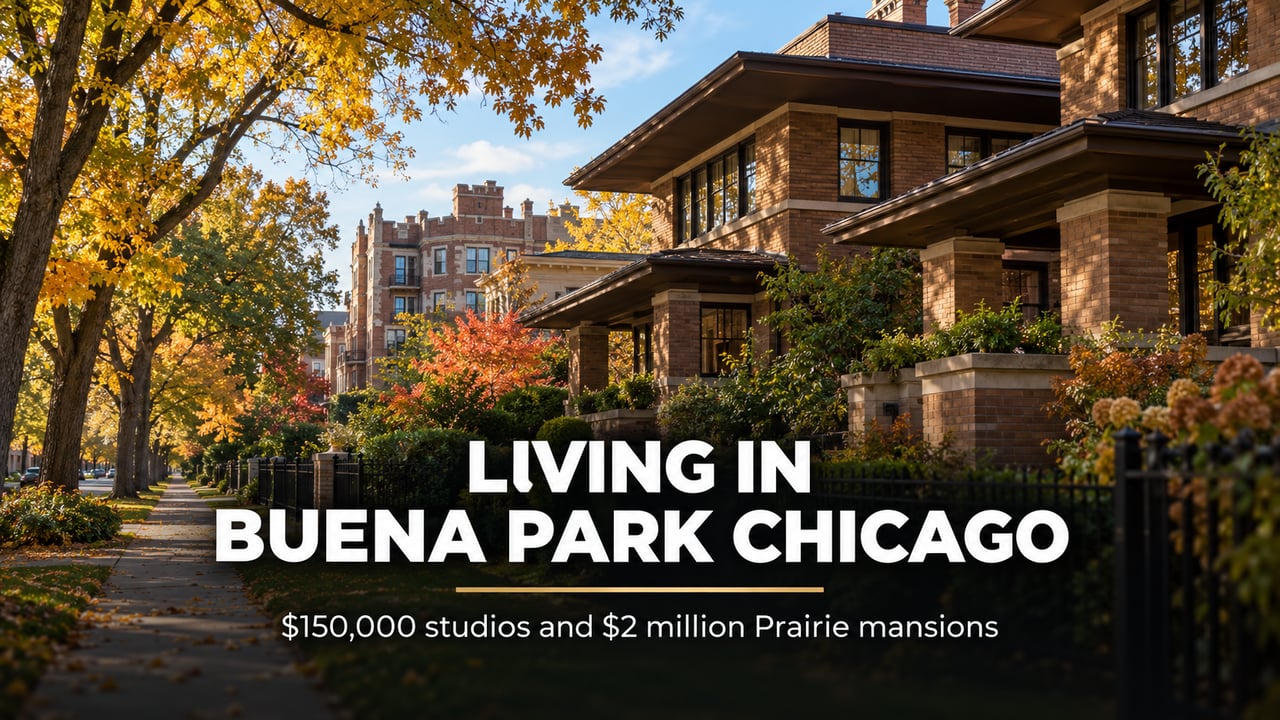
Neighborhood Guides
Where Buena Park is, what homes sold for in 2026, Hutchinson Street, the lakefront, schools, and safety

Buying
Five years of Chicago prices, where you can and cannot negotiate, and how to handle a 7.40% mortgage rate

Local Events
Dates, times, and exact blocks for Halloween events in Lakeview, Lincoln Park, Lincoln Square, Ravenswood, North Center, Andersonville, and Edgewater
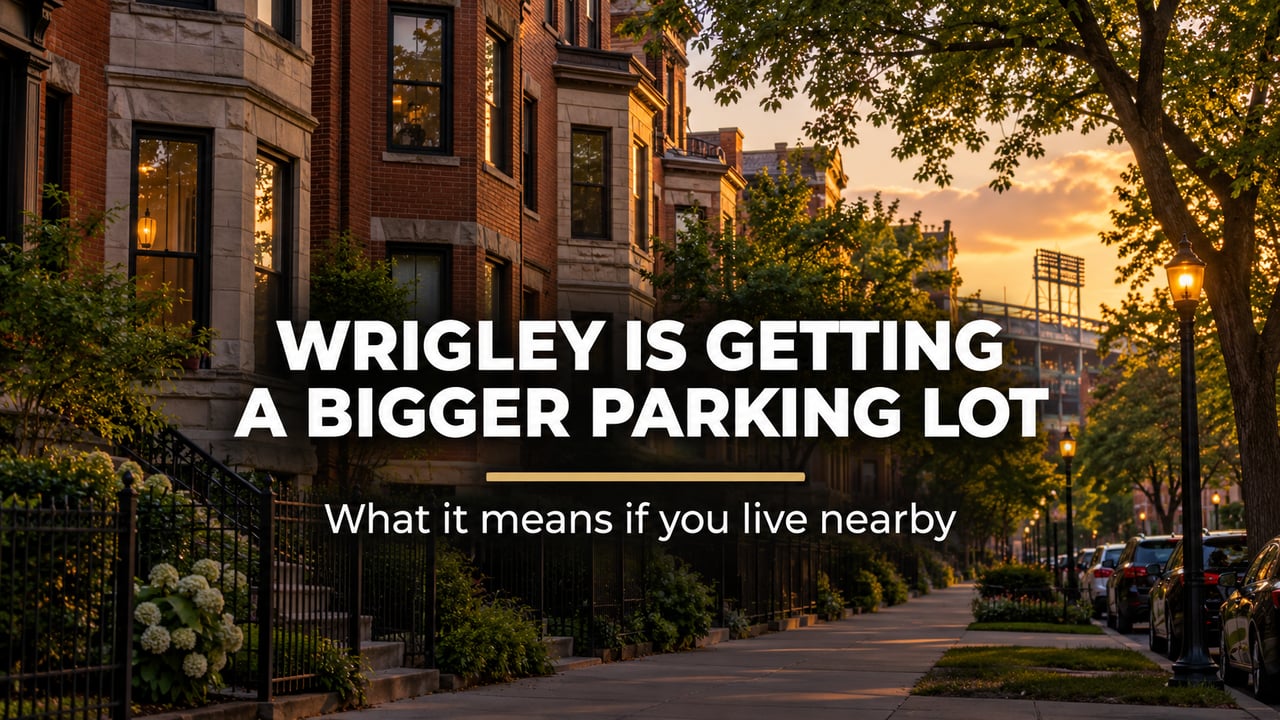
Neighborhood News
The Camry Lot expansion, the 2027 All-Star Game, parking rules, and what homes nearby sold for in 2026
I'm Dee Savic, your trusted Chicago real estate expert, and I'm here to guide you through your relocation journey. Discover why Chicago is the perfect city for you; from its diverse neighborhoods to its cultural vibrancy, Chicago offers an unmatched urban experience. Together, we'll find a community and home that fits your lifestyle and aspirations.