
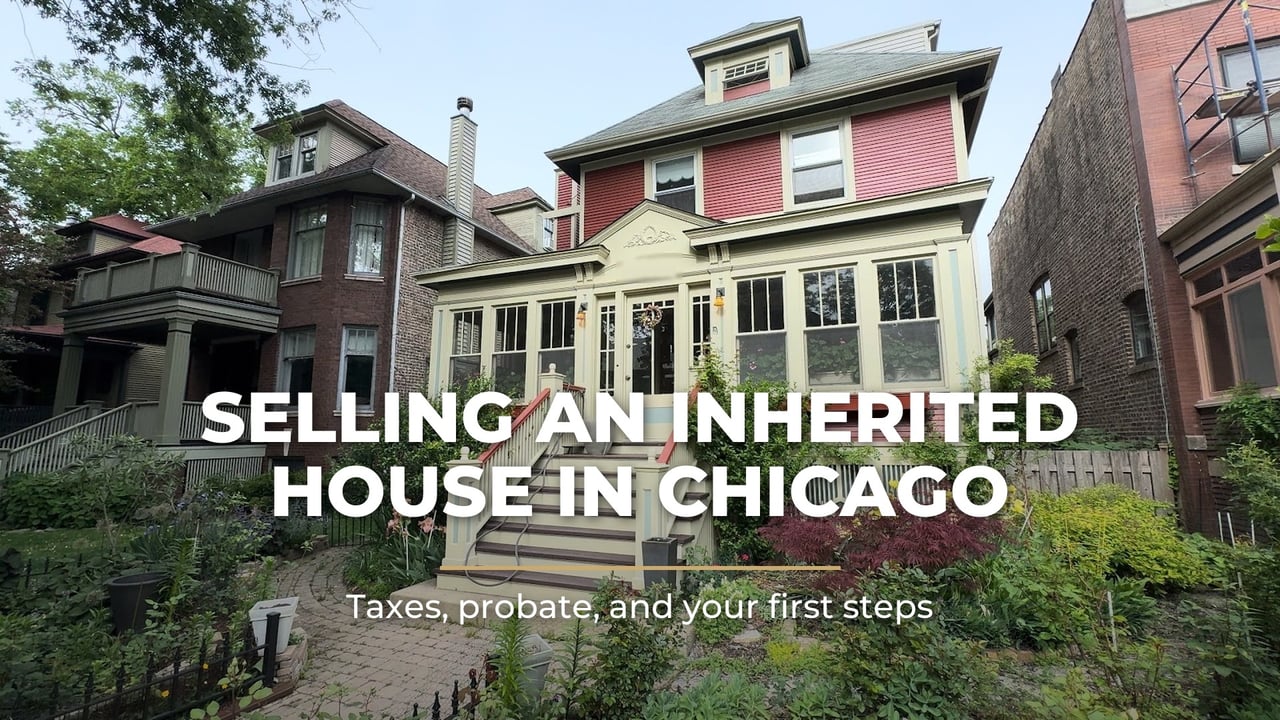
How do you sell an inherited house in Chicago? To sell an inherited house in Chicago, you first need the legal right to sell it, which depends on how the home was titled and whether the estate goes through probate. Once that is settled, the steps look much like any other sale, with a few extra decisions about taxes, the home's contents, and whether to sell as-is or prepare the home first.
Inheriting a home often comes at the same time as grief, family conversations, and a long list of tasks. Many heirs also live out of state. In this post I walk through what to do in the first weeks, how probate works in Cook County, what to know about taxes, and how to decide whether to keep the home or sell it.
This post is for general informational purposes only and is not legal or tax advice. Estate and probate rules are specific to each family and each estate. Always work with a probate or estate attorney and a tax professional before making decisions.
Before any decision about selling, protect the home and the estate. These steps are simple, but they are easy to miss in a busy and emotional time:
If the home will sit empty through a Chicago winter, ask someone to check on it regularly and keep the heat on. A frozen pipe can turn a simple sale into a repair project.
It depends on how the home was owned. Some homes pass to the heirs without probate, and some need a court process first. Your attorney will confirm which applies, but these are the common situations:
How the home was owned | What usually happens |
|---|---|
In a living trust | The successor trustee can usually sell without probate, following the trust's terms |
Joint tenancy with a surviving owner | Ownership usually passes to the surviving owner without probate |
With a recorded transfer on death instrument | Illinois allows the home to pass to the named beneficiary without probate, if the required steps are followed after death |
In the owner's name alone, with or without a will | Usually goes through probate in the Cook County court, where an executor or administrator is appointed with authority to sell |
When probate is needed, the person appointed by the court is the one who signs the listing agreement and the sales contract. Ask your attorney when that authority will be in place, and whether the court needs to approve the sale. Knowing the timing lets us plan the listing date and the closing date so they line up.
Taxes are usually the first question heirs ask, and there is often good news. According to IRS Publication 551, the tax basis of inherited property is generally its fair market value on the date of the owner's death. This is often called a stepped-up basis.
In plain terms, if your parents bought the home decades ago for much less than it is worth today, you are generally not taxed on all of that past growth. If you sell soon after inheriting, for close to the value on the date of death, the taxable gain may be small. A tax professional will confirm your situation, and a written opinion of the home's value as of the date of death can help, so ask your attorney or CPA whether you need an appraisal.
Property taxes need attention too. Cook County bills property taxes a year behind, and exemptions that applied to the previous owner, such as a senior exemption, may change after the owner's death. The Cook County Assessor lists the exemptions and who qualifies. My post on how Chicago property taxes work explains the basics, and my post on capital gains tax on Chicago home sales covers the rules for the sale itself.
There is no right answer for every family. These questions usually make the choice clearer:
If several heirs share the home, agree in writing on who makes decisions, how costs are shared until closing, and how the proceeds will be divided. That step prevents many of the disagreements that slow these sales down.

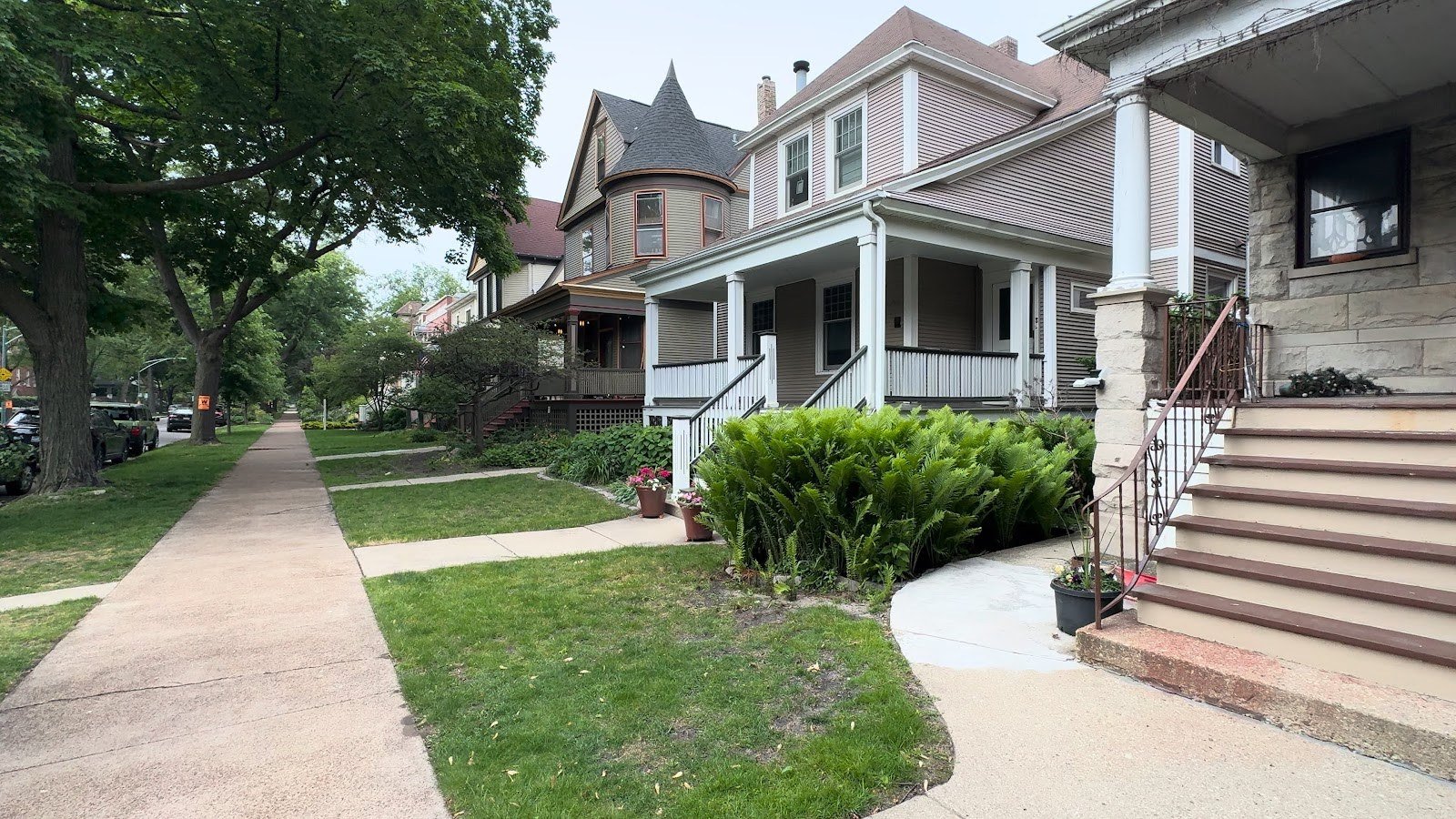
Many inherited homes were lived in for decades, with original kitchens, original systems, and a lifetime of belongings. You do not have to renovate. A well-priced vintage home in good condition for its age can still draw strong interest on the North Side, especially from buyers who want to make it their own.
What helps almost every inherited home is clearing it out, a deep clean, and fixing anything that would worry an inspector or a lender. My post on whether to renovate or sell as-is in Chicago explains when light updates pay off. If the contents need to go, an estate sale company can sell and clear them before the home is listed, and I can recommend companies I trust.
You may also get calls from companies offering to buy inherited homes for cash. A cash offer can be fast, but it is usually well below what the home would bring on the open market. My post on cash offers on a Chicago home shows the math so you can compare.
Many heirs live far from Chicago. That is common, and it is manageable. I regularly sell homes for owners who are not in Chicago during the sale, coordinating the cleanout, repairs, staging, photography, showings, and closing locally, and keeping the attorneys and the family updated.
One seller who lived on the East Coast wrote that I "even located and coordinated the estate sale company" for her family. Another family sold their parents' home of about 40 years and received an above-asking offer shortly after listing. You can read more on my testimonials page and on my page for Chicago estate sale real estate.
You may, but often less than people expect. The tax basis of inherited property is generally its fair market value on the date of death, according to IRS Publication 551, so you are usually taxed only on growth after that date. Confirm your situation with a tax professional.
Sometimes. Once the court appoints an executor or administrator with authority to sell, a sale can often move forward while other parts of the estate are still open. Your probate attorney will confirm what applies to your estate.
The sale itself often takes a few weeks to a couple of months once the home is listed. The bigger variable is the time before listing: probate, clearing the home, and any repairs. Planning those steps together keeps the whole process shorter.
It depends on the home and on how much time and money the heirs want to put in. Clearing, cleaning, and fixing safety or lender issues usually pays off. Larger renovations often do not, and many buyers prefer to update a vintage home themselves.
Talk with your attorney early. Clear written agreements about decisions, costs, and how the proceeds will be divided resolve most disagreements. When heirs cannot agree, the court can decide.
You are not required to use one, but an agent who knows inherited and estate sales can coordinate the cleanout, preparation, marketing, and timing with your attorney, which matters most when the heirs live far away. My post on whether you need a real estate attorney to sell a home in Chicago explains how the attorney's role fits in.
You do not have to figure this out alone or all at once. I can help you understand what the home is worth today, what it needs before it is listed, and how to time the sale with your attorney, so the heirs can make a clear decision together.
Start with a free home value review, or schedule a complimentary and confidential consultation here. You can also start with my free Chicago Home Seller Course, or call or text me directly at 773.719.0989.
Dee Savic is a Realtor with Baird & Warner, a 24+ year real estate professional, and a 27+ year Chicago resident with 300+ closed transactions. She specializes in helping buyers, sellers, downsizers, and relocation clients across Chicago's North Side.

Dee Savic
Realtor® | Baird & Warner
4553 N. Lincoln Ave, Chicago, IL 60625
773.719.0989
[email protected]
deesavic.com

Seller's Advice
Who pays the gap, when a buyer can walk away, and how to protect your price
Seller's Advice
What 12 months of MLS sales show for condos, houses and new construction

Seller's Advice
What the 2026 MLS numbers say about prices, speed and over-asking sales

Buyers
North Center, Bucktown, Lakeview, Logan Square and Lincoln Square, with real MLS prices
Selling
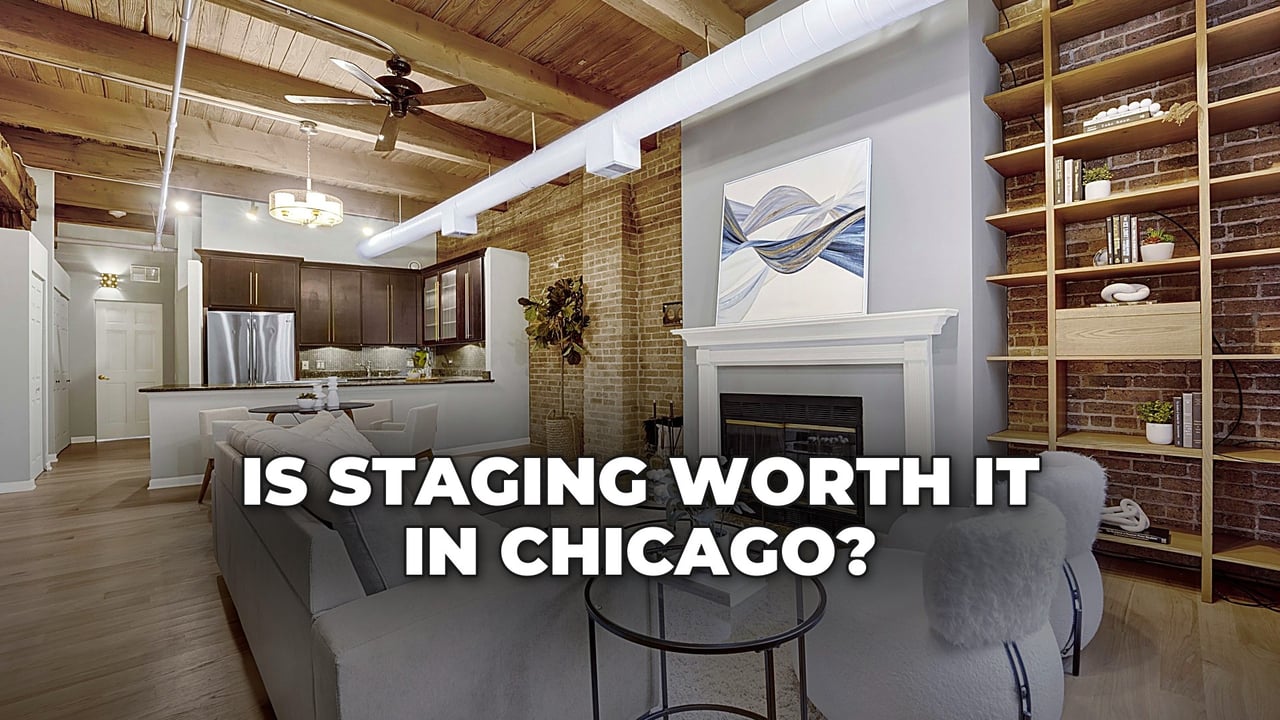
What the 2025 research says, which rooms matter most, and when your own furniture is enough

Sellers
How private listings work in Chicago's MLS, when they help, and when they cost you buyers

Seller Tips
What Chicago sellers gain when their agent is in the room, and how to prepare for showings

Buying
My 3 predictions for the Chicago housing market in 2027, and what they mean if you are planning to buy

Selling
It is almost never the market. How to find what is holding back offers, and fix it
I'm Dee Savic, your trusted Chicago real estate expert, and I'm here to guide you through your relocation journey. Discover why Chicago is the perfect city for you; from its diverse neighborhoods to its cultural vibrancy, Chicago offers an unmatched urban experience. Together, we'll find a community and home that fits your lifestyle and aspirations.