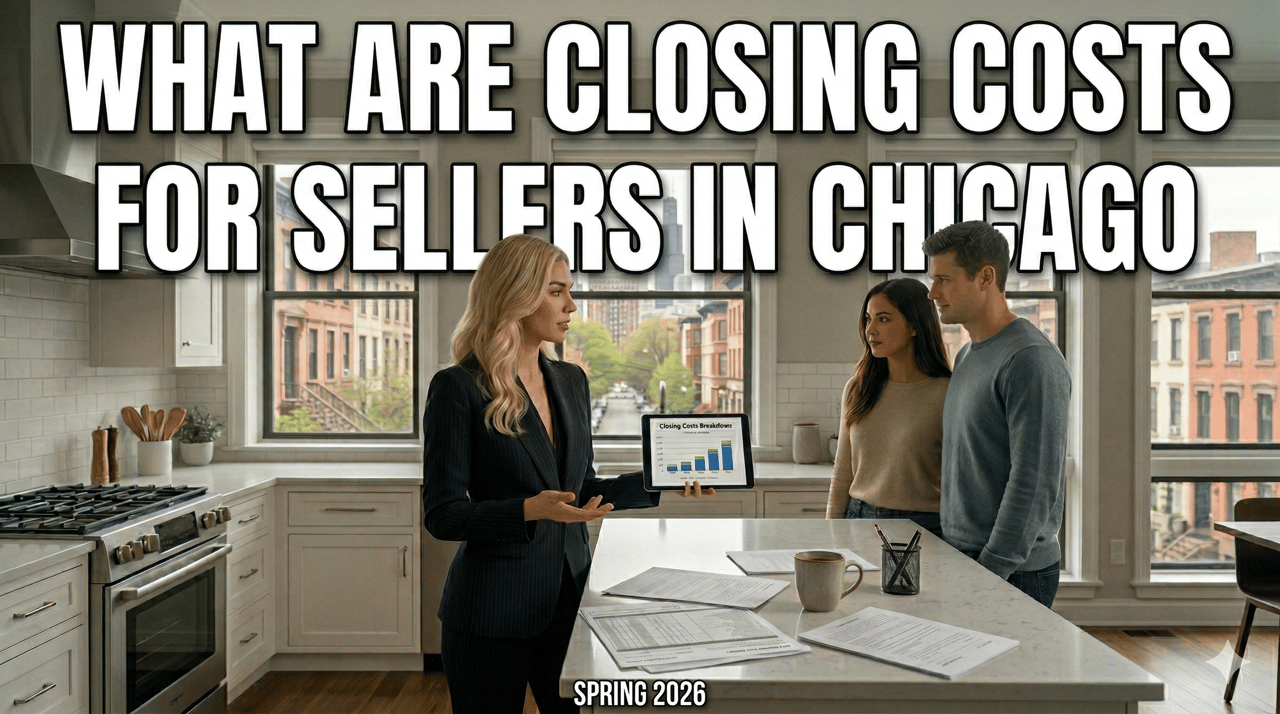
What are the closing costs for selling a home in Chicago?
Chicago home sellers typically pay 7–9% of the sale price in total closing costs, including agent commissions, transfer taxes, attorney fees, title insurance, and any agreed-upon buyer credits.
You've got a number in your head - what your home is worth. But there's another number you need to know before you can decide whether now is the right time to sell: what you'll actually walk away with after closing.
Chicago has some of the highest seller closing costs of any major U.S. city, largely due to its layered transfer tax structure. Understanding these costs before you list isn't optional - it's essential to setting realistic expectations and making smart decisions about timing, pricing, and negotiation strategy. If you haven't already, read our breakdown of the Chicago spring 2026 real estate market to understand the full picture of what sellers are working with right now.
| Cost | Typical Amount | Notes |
|---|---|---|
| Agent Commission | Varies | Negotiated; market rates shifted post-NAR settlement |
| City of Chicago Transfer Tax (seller portion) | $3.00 per $1,000 | Seller's share of the city transfer tax |
| Cook County Transfer Tax | $0.50 per $1,000 | County-level tax paid by seller |
| Illinois State Transfer Tax | $1.00 per $1,000 | State-level tax paid by seller |
| Total Transfer Tax (Seller) | $4.50 per $1,000 | 0.45% of the sale price |
| Real Estate Attorney | $750–$1,500 | Required in Illinois |
| Owner's Title Insurance | $1,500–$3,000+ | Varies by sale price |
| HOA Transfer/Move-Out Fee | $250–$1,000+ | Condo/townhome sellers only |
| Prorated Property Taxes | Varies | Illinois taxes paid in arrears; seller credits buyer |
| Buyer Credits (if negotiated) | Varies | Closing cost credits, repair credits, etc. |
Chicago's real estate transfer tax is one of the most misunderstood closing costs - largely because both the buyer and seller pay a portion of it. Here's the clear breakdown:
Sellers pay a total of $4.50 per $1,000 of the sale price, made up of three layers:
Buyers pay $7.50 per $1,000 - their share of the City of Chicago transfer tax.
| Sale Price | Seller Pays | Buyer Pays |
|---|---|---|
| $400,000 | $1,800 | $3,000 |
| $600,000 | $2,700 | $4,500 |
| $800,000 | $3,600 | $6,000 |
| $1,000,000 | $4,500 | $7,500 |
Note: Transfer tax responsibility can sometimes be negotiated in the purchase contract. Always confirm with your real estate attorney.
Unlike most states, Illinois requires both buyers and sellers to have a real estate attorney involved in the transaction. Attorney fees for sellers typically range from $750-$1,500 depending on the attorney and transaction complexity. This is not a cost to cut - a good real estate attorney protects you during the attorney review period and through closing. For more on what to watch out for as a first-time seller, see 7 mistakes first-time home sellers make in Chicago.
Illinois property taxes are paid in arrears, which means you pay this year's taxes next year. At closing, sellers typically credit the buyer for the portion of the current year's taxes that have accrued up to the closing date. In Chicago - where property taxes are notoriously high - this proration credit can be substantial, often 1–2% of the sale price.
If you're selling a condo in Chicago, your homeowners association will likely charge a transfer fee, a move-out fee, or both. These range from a few hundred dollars to over $1,000 depending on the building. You'll also need to provide the buyer with disclosure documents, which the association typically charges for. Budget $300-$1,500 for HOA-related closing costs if you're selling a condo. As a Chicago condo specialist, Dee Savic knows exactly what to expect from buildings across the North Side.
| Cost Item | Estimated Amount |
|---|---|
| Seller Transfer Tax ($4.50 per $1,000) | $2,700 |
| Attorney Fee | $1,000 |
| Owner's Title Insurance | $2,000 |
| HOA Fees | $750 |
| Property Tax Proration | ~$6,000 (estimate) |
| Estimated Total (excl. commission) | ~$12,450 |
Every transaction is different. Your attorney and agent will provide you with a net sheet - a document showing your estimated proceeds after all costs - before you accept an offer. And if you haven't nailed down your pricing strategy yet, read our guide on how to price your home to sell in Chicago before you list.
🏡 Thinking about selling? Want to learn how to sell your home like a rockstar? Download the free Ultimate Chicago Home Selling Course and get the complete playbook before you list.
Chicago home sellers typically pay 7–9% of the final sale price in total closing costs. This includes agent commissions, transfer taxes totaling $4.50 per $1,000 of the sale price, attorney fees, title insurance, and any negotiated buyer credits. Property tax prorations can also be significant given Illinois's high property tax rates.
Both parties pay a portion. Sellers pay a total of $4.50 per $1,000 of the sale price - covering their share of the city tax plus Cook County and Illinois state taxes. Buyers pay $7.50 per $1,000 - their portion of the City of Chicago transfer tax. Responsibility can sometimes be negotiated in the purchase contract, so always confirm with your attorney.
Some closing costs are fixed - transfer taxes, for example - but others are negotiable. Buyer credits, repair allowances, and HOA fee responsibility can all be negotiated as part of the purchase contract. Your agent and attorney will advise you on what's reasonable given current market conditions.
Dee Savic provides sellers with a complete net sheet - so you know exactly what you'll walk away with - before you make any decisions. Whether you're selling a condo, a single-family home, or a luxury property, visit the Chicago seller's guide or the Chicago luxury home seller page to learn more about working with Dee.
👉 Schedule a Free Seller Consultation
🏡 Download the Free Ultimate Home Selling Course
Dee Savic | Realtor® | Baird & Warner
773.719.0989 ·
Buyers
How to write a stronger offer in Chicago without blindly overpaying
Seller Advice
The buyers who lost out in spring are still looking, and Chicago still has very few homes for sale.
Buyers
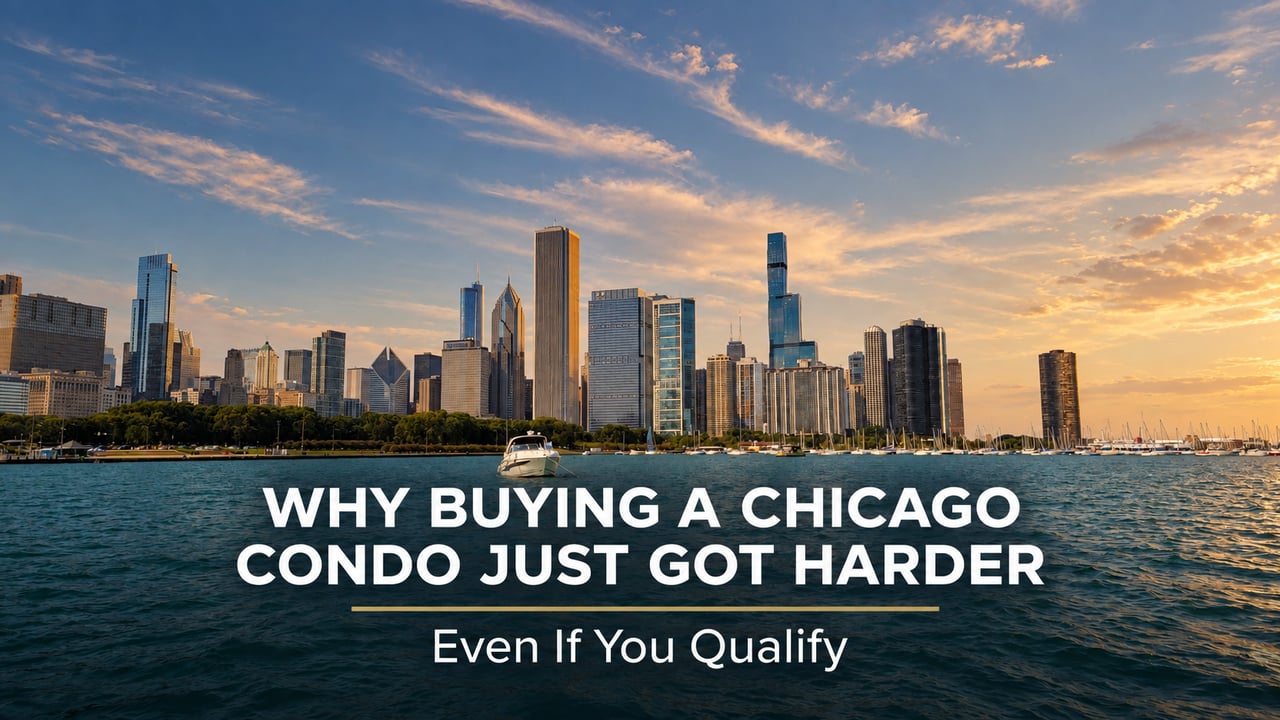
You can qualify as a buyer and still lose the condo if the building fails lender review. Here is what non-warrantable means, what changed in 2026, and what to check be… Read more

Neighborhood Guides
Five weeks of fall festivals across Lincoln Square, Ravenswood, Roscoe Village, and Andersonville - with exact dates, hours, locations, and what to know before you go.

Seller Advice
The hardest part of downsizing is usually not the market or the money. It is the house, the stuff, the timing, and not knowing where you would go next.
Market Updates
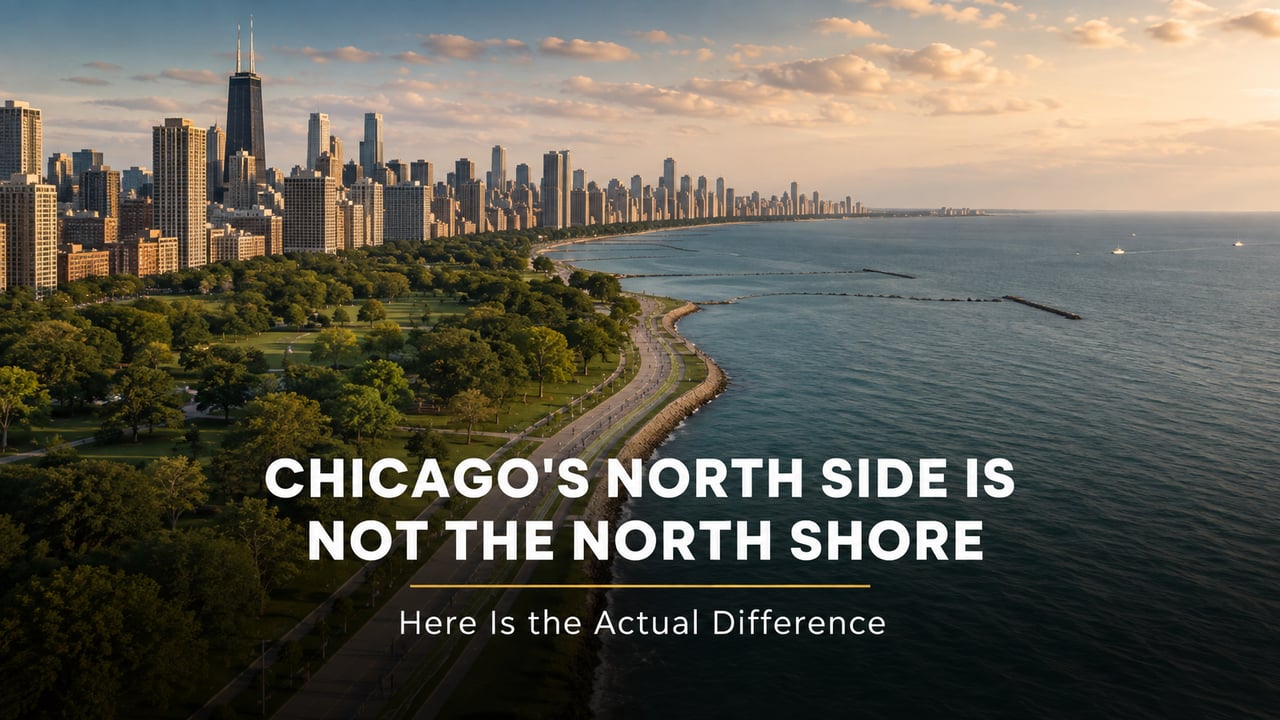
The North Side is Chicago. The North Shore is suburbs north of Chicago. The difference matters for schools, taxes, commute, housing style, and daily life.

Neighborhood Guides
A walking tour of Chicago's most misunderstood neighborhood - real MLS prices, the one-block rule, and which version of Wicker Park actually fits you.
Market Updates
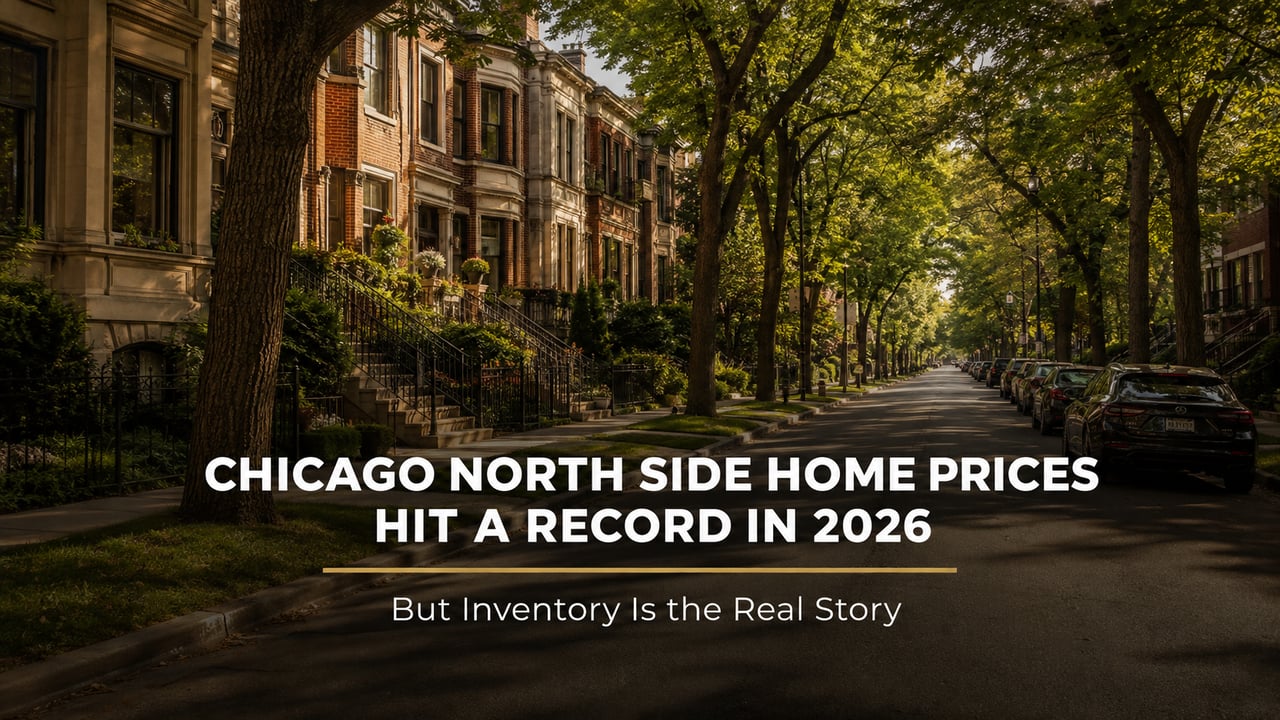
North Side Chicago home prices hit a record $500,000 in Q2 2026 while inventory fell 22.8%. Here is what the numbers mean for buyers and sellers.
Market Updates
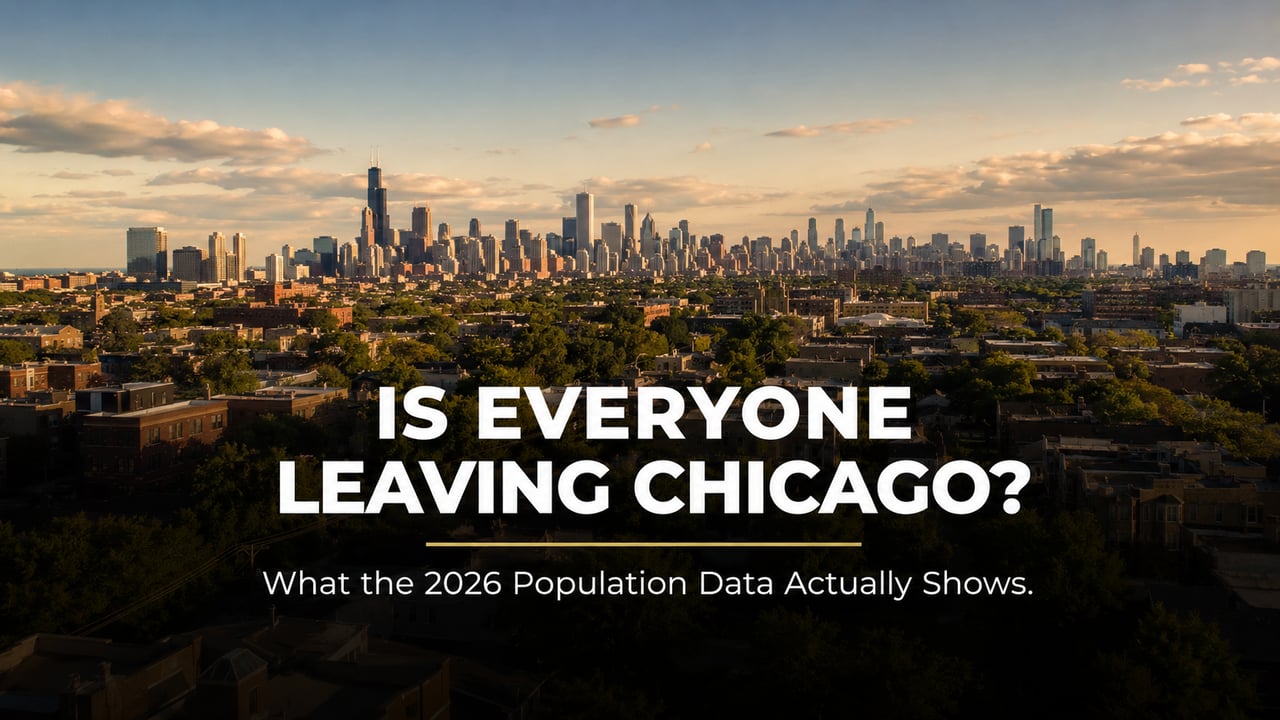
Chicago has grown three years in a row - but growth is slowing, and the housing market is doing something the headlines cannot explain.
I'm Dee Savic, your trusted Chicago real estate expert, and I'm here to guide you through your relocation journey. Discover why Chicago is the perfect city for you; from its diverse neighborhoods to its cultural vibrancy, Chicago offers an unmatched urban experience. Together, we'll find a community and home that fits your lifestyle and aspirations.