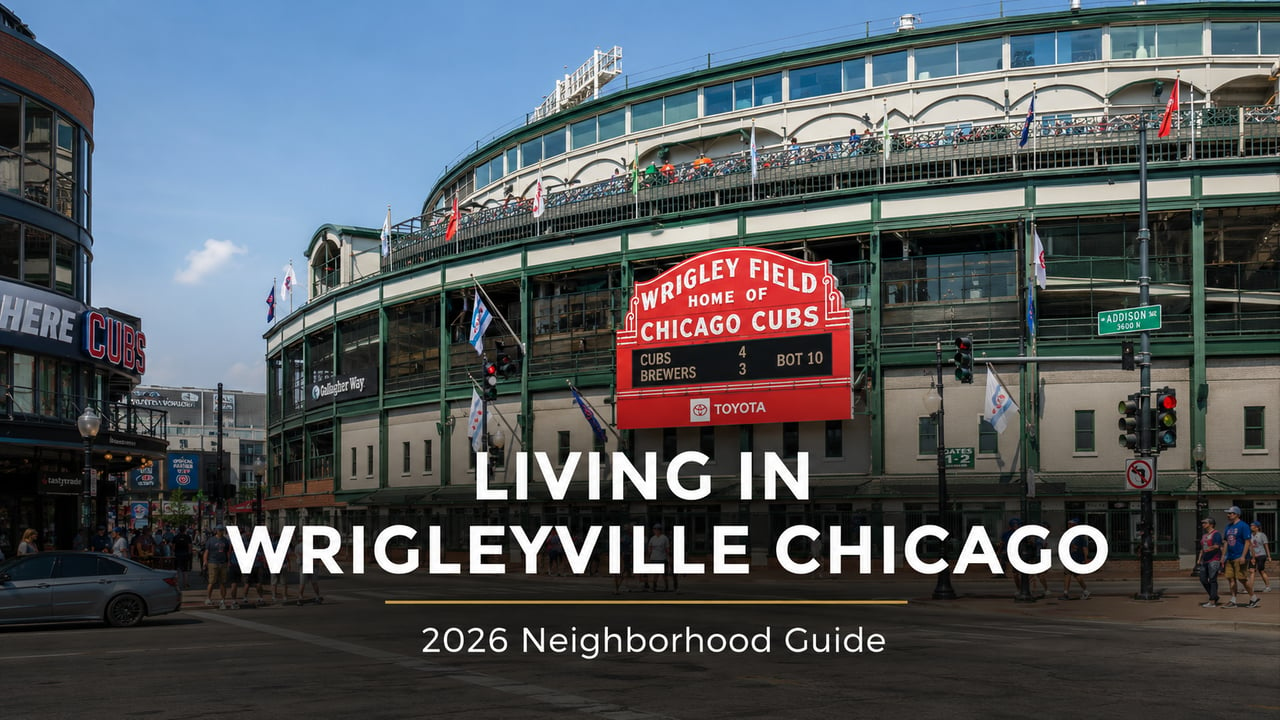
What is it like to live in Wrigleyville Chicago? Living in Wrigleyville means living next to the second-oldest Major League Baseball stadium in the country - a National Historic Landmark that hosts 81 Cubs home games plus concerts and events that draw tens of thousands of people to your neighborhood every summer. If that makes you feel excited rather than concerned, Wrigleyville is probably right for you. If it gives you pause, keep reading - because two blocks west of Wrigley Field, the neighborhood shifts into some of the quieter and more architecturally impressive residential streets in Lakeview. That contrast is one of the more surprising things about this neighborhood.
I am Dee Savic, a Realtor with Baird & Warner with 24 years of experience selling real estate across Chicago's North Side. I have lived in Chicago for 27 years and have closed 300+ transactions across the city, with extensive experience in Lakeview and surrounding North Side neighborhoods. Wrigleyville comes up with buyers who want strong transit, neighborhood energy year-round, and real estate value - whether or not they care about baseball.
For buyers, this guide covers what daily life in Wrigleyville actually looks like - the game-day reality, the residential streets most buyers never expect, the restaurants and venues that make this a real neighborhood and not just a sports destination. For sellers, Wrigleyville's consistent buyer demand rewards correct pricing and strong presentation.
For the full Lakeview picture see my complete Lakeview neighborhood guide. Download my free Chicago Relocation Guide for the full relocation process.
Wrigleyville is the part of Lakeview immediately surrounding Wrigley Field at Clark Street and Addison Street. Clark Street is the commercial spine running north-south through the heart of the sub-neighborhood. The Addison Red Line station is a short walk east of Wrigley Field. The Brown Line is accessible from nearby Lakeview stations, and the #152 Addison bus connects riders west toward the Brown Line. The lakefront is about a mile to the east.
Wrigleyville is a strong fit for buyers who want energy, transit, restaurants, music venues, and the experience of living near one of Chicago's most iconic landmarks. It works especially well for buyers who want walkability, strong Red Line access, nightlife, and year-round neighborhood activity that goes well beyond baseball season.
It may not be the best fit if you want a consistently quiet neighborhood, easy street parking, or minimal event traffic. Wrigleyville has beautiful residential pockets - especially west of the ballpark - but buyers need to understand the difference between living directly near Clark and Addison versus living a few blocks west on quieter residential streets. Those are very different lifestyles within the same sub-neighborhood.
Wrigleyville has a very specific rhythm. On non-game weekdays, it can feel surprisingly normal - people walking dogs, grabbing coffee, commuting from the Red Line, heading to dinner, or walking over to Gallagher Way. On game days, the energy changes completely. The streets fill, bars get loud, and the whole neighborhood feels like an event.
That rhythm is exactly why some buyers love Wrigleyville and why others decide it is not the right fit. The key is knowing which version of Wrigleyville you are buying into. A condo near Clark and Addison is a very different lifestyle from a single-family home several blocks west on a quiet residential street.
Lakeview home prices vary significantly by sub-neighborhood, property type, and condition. As a general guide, Lakeview condos range from the mid $300,000s for entry-level one-bedrooms to $1.5 million or more for newer construction and luxury units. Single-family homes start around $900,000 and range to $2 million or more on the most desirable blocks.
Wrigleyville has a wider range of housing than most buyers expect. The area immediately surrounding the ballpark is predominantly condos and multi-unit buildings - older condo complexes are in the low to mid $300,000s, newer and renovated units starting around mid $500s. The residential streets west of Clark and Sheffield are a different story - wide-lot single-family homes, some of the most architecturally impressive and carefully maintained vintage properties in all of Lakeview. For current available homes see Lakeview homes for sale here.
This is not a neighborhood where you judge value by "Wrigleyville" alone. Exact block, distance from Clark Street, proximity to the ballpark, outdoor space, parking, rental rules, HOA health, and noise exposure can all affect value and resale demand significantly.
Every buyer should experience a game day in Wrigleyville before committing. Here is what that actually looks like.
81 home games per season - April through September or October. Each one can draw roughly 40,000 people to the surrounding blocks. Clark Street and Sheffield Avenue are packed. Bars are full by noon for afternoon games. Parking becomes impossible within a half-mile radius. The neighborhood is loud, crowded, and energized in a way that is unlike any other Chicago neighborhood experience.
Night games are louder and later than day games. Concert nights at Wrigley - which have multiplied in recent years - bring similar crowds on non-game days. What most buyers who move here say after their first full season: if you knew about it before you bought, it is not a problem. Spend a game day in the neighborhood before you make an offer. Walk the blocks. Understand what Clark Street looks like at 3pm on a Saturday home game. Then decide.
Two blocks west of the ballpark, everything changes. The commercial energy fades. The streets become quiet. The housing stock shifts to wide-lot single-family homes - some of the most architecturally impressive and carefully maintained vintage properties in all of Lakeview.
Alta Vista Terrace, designated a Chicago Landmark and listed on the National Register of Historic Places, is a stretch of Victorian rowhomes that feel unlike anything else in Lakeview. Original brick facades, ornate stonework, wide front porches - an entire block that has been maintained and loved for over a century. Other blocks nearby have similar character.
From these streets you can hear Wrigley concerts on summer evenings - many residents treat it as a free outdoor listening experience from their rooftop decks. But the game-day chaos of Clark Street might as well be in a different neighborhood. This is where buyers who want the Wrigleyville address and the transit access - but not the front-row seat to 40,000 people - actually end up.
Gallagher Way is the open-air plaza adjacent to Wrigley Field that has become the neighborhood's year-round community gathering space. Farmers markets, outdoor concerts, film screenings, free fitness classes, ice skating in winter, Christkindlmarket in December. It has transformed the area around the ballpark from a game-day destination into a neighborhood amenity that draws residents throughout the week and year. If you have only been to Wrigleyville on game days, a Tuesday morning visit to Gallagher Way will give you a completely different picture of daily life here.
Metro - 3730 N Clark St - One of Chicago's most legendary mid-size music venues. Opened in 1982, has hosted everyone from Nirvana to Smashing Pumpkins to current independent touring acts. Walking distance from most of Wrigleyville.
Smart Bar - Chicago's premier underground dance music club, downstairs from Metro. Internationally recognized DJs and an excellent sound system.
GMan Tavern - 3740 N Clark St - The anti-sports-bar sports bar. No TVs, great beer selection, pool tables, live music on weekends. Where Wrigleyville residents go when they want a neighborhood bar rather than a game-day spectacle.
Murphy's Bleachers - The classic pre-game bar directly across from Wrigley with rooftop views into the stadium. A Chicago institution.
Mordecai - Hotel Zachary - Vintage and collectible spirits, innovative cocktails. The most refined drinking experience in the immediate neighborhood.
Big Star Wrigleyville - Tacos, a house-selected single barrel bourbon program, and honky-tonk energy. One of the best casual dining options in the neighborhood regardless of whether there is a game.
Rendang Republic - 3355 N Clark St - Indonesian food with beef rendang plates, the rendang sandwich, and Indonesian fried chicken. Opened in April 2025 and quickly became one of the more talked-about restaurant additions to the Wrigleyville dining scene.
Ella Elli - Upscale Italian. The neighborhood's best option for a serious dinner that has nothing to do with baseball.
Happy Camper - Creative pizzas in a fun, casual setting. A Wrigleyville neighborhood staple.
Smoke Daddy - BBQ with live music. One of the more distinctive dining experiences in the neighborhood.
Swift Tavern - Hotel Zachary - Neighborhood eatery serving po'boys, steak sandwiches, and oysters on the half shell. Reliable full-service dining right next to the ballpark.
Uncommon Ground - Eco-friendly restaurant with a seasonal, regional, and organic menu. A genuine commitment to sourcing in a neighborhood better known for sports bars.
School attendance boundaries in Wrigleyville are particularly important to verify carefully. The sub-neighborhood sits at the intersection of several different school catchment areas and which school serves a specific address can vary significantly block to block.
Always use the CPS School Locator before making any purchase decision based on school access. Do not rely on what a listing agent or neighbor says about school access - put the specific address into the locator yourself. Boundaries change periodically.
The Addison Red Line station is the primary train access point for Wrigleyville and sits just east of Wrigley Field. From Addison, downtown commutes typically run about 18 to 23 minutes on the Red Line, depending on timing and destination. The Brown Line is accessible from nearby Lakeview stations, and the #152 Addison bus connects riders west toward the Addison Brown Line station. This is some of the strongest transit access in Lakeview, especially for buyers who rely on the Red Line.
One note for buyers: game days and concert nights create significant crowds at the Addison stop and significant rideshare surge pricing. If you commute downtown and your schedule regularly overlaps with home games, factor this in. Most residents plan around it after their first season. See the CTA Train Map to plan your commute.
Yes. Wrigleyville is highly walkable, with the Addison Red Line station, restaurants, bars, music venues, Gallagher Way, Wrigley Field, grocery options, and daily services all within a compact area.
No. Cubs fans may love the location most obviously, but Wrigleyville also appeals to buyers who want strong transit, music venues like Metro and Smart Bar, restaurants, nightlife, and access to some of Lakeview's quieter residential streets east or west of the ballpark.
Yes, for the right buyer. Wrigleyville offers exceptional transit access, genuine neighborhood energy year-round, proximity to some of Chicago's best music venues, and two blocks from the ballpark - some of Lakeview's most impressive residential streets. The key is experiencing a game day before you commit.
On Clark Street and Sheffield directly adjacent to the ballpark - very loud. Two to four blocks west on the residential streets - significantly quieter. The residential streets of Wrigleyville are often described by residents as surprisingly peaceful given how close they are to the stadium. The contrast is real and worth verifying firsthand before buying.
Lakeview condos range from the mid $300,000s for entry-level one-bedrooms to $1.5 million or more for newer construction and luxury units. Single-family homes start around $900,000. For current available homes see Lakeview homes for sale here.
School boundaries in Wrigleyville are block-specific and vary significantly across the sub-neighborhood. Always verify through the CPS School Locator for any specific address before making a purchase decision based on school access.
On game days within half a mile of the ballpark - yes, essentially. Many residents in the immediate area do not own cars. For blocks further west, zone parking is available with a city permit. This is a real consideration for buyers who own cars and plan to keep them.
Two distinct worlds. The blocks immediately surrounding the ballpark are predominantly condos and multi-unit buildings. Two blocks west, the character shifts dramatically - wide-lot single-family homes, Victorian rowhomes on Alta Vista Terrace (a Chicago Landmark on the National Register of Historic Places), and carefully maintained vintage properties that are among the more architecturally distinctive residential streets in Lakeview.
CTA Train Map - plan your commute from Wrigleyville to downtown.
Chicago Park District - find parks and recreational facilities near Wrigleyville.
CPS School Locator - verify which school serves any specific Wrigleyville address.
I have been selling homes in Wrigleyville and across Lakeview for 24 years. Wrigleyville is one of those sub-neighborhoods where the difference between a great purchase and a disappointing one comes down to which specific block you are on - not just which neighborhood. The blocks immediately around the ballpark and the quiet residential streets two blocks west are very different markets with different buyer profiles and different resale trajectories.
I know which condos near the ballpark have the strongest resale history. I know which residential streets west of Clark are in the highest demand. And I know what it actually feels like to live here through a full Cubs season - which is information every serious buyer deserves before they make an offer.
Search Lakeview homes for sale here, download my free Chicago Relocation Guide, or schedule a complimentary and confidential consultation here.
Dee Savic is a Realtor with Baird & Warner, a 24+ year real estate professional, and a 27+ year Chicago resident with 300+ closed transactions and hundreds of five-star reviews. She specializes in helping buyers, sellers, and relocation clients across Chicago's North Side - including Lakeview, Lincoln Park, Lincoln Square, Ravenswood, Andersonville, North Center, Roscoe Village, and surrounding neighborhoods.

Realtor® | Baird & Warner
4553 N. Lincoln Ave, Chicago, IL 60625
773.719.0989
[email protected]
deesavic.com
Buyers
How to write a stronger offer in Chicago without blindly overpaying
Seller Advice
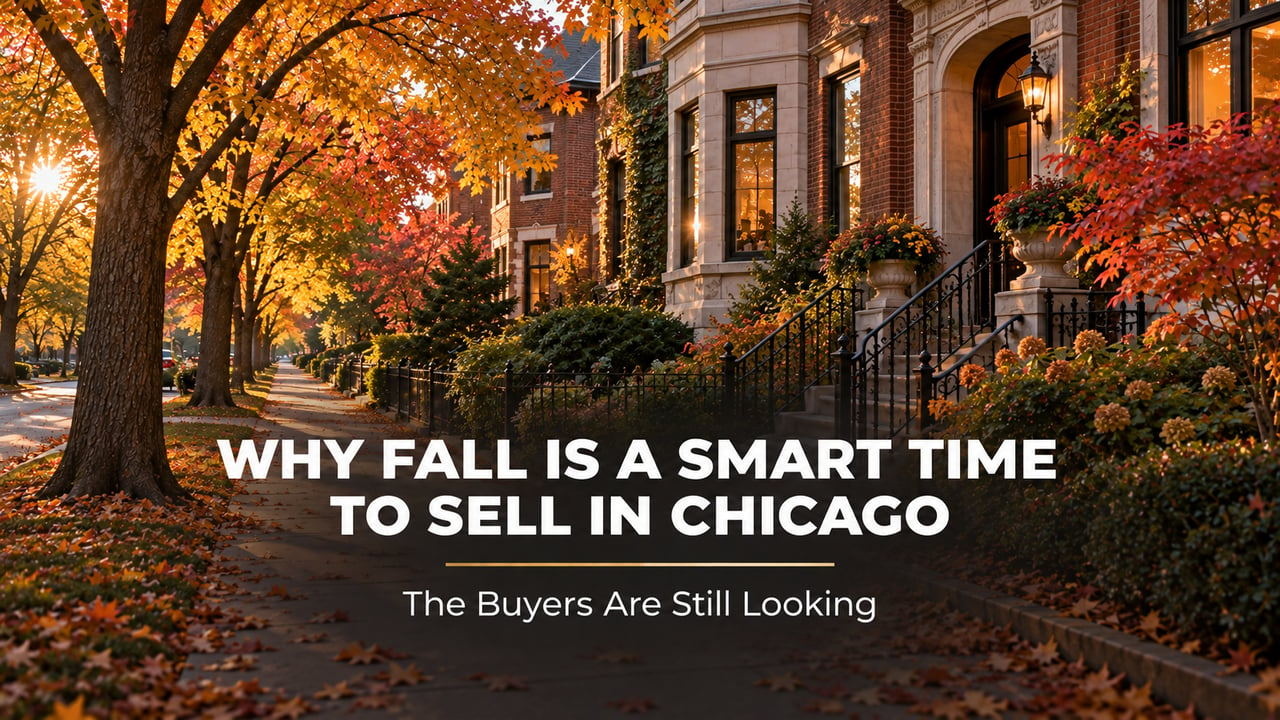
The buyers who lost out in spring are still looking, and Chicago still has very few homes for sale.
Buyers
You can qualify as a buyer and still lose the condo if the building fails lender review. Here is what non-warrantable means, what changed in 2026, and what to check be… Read more
Neighborhood Guides
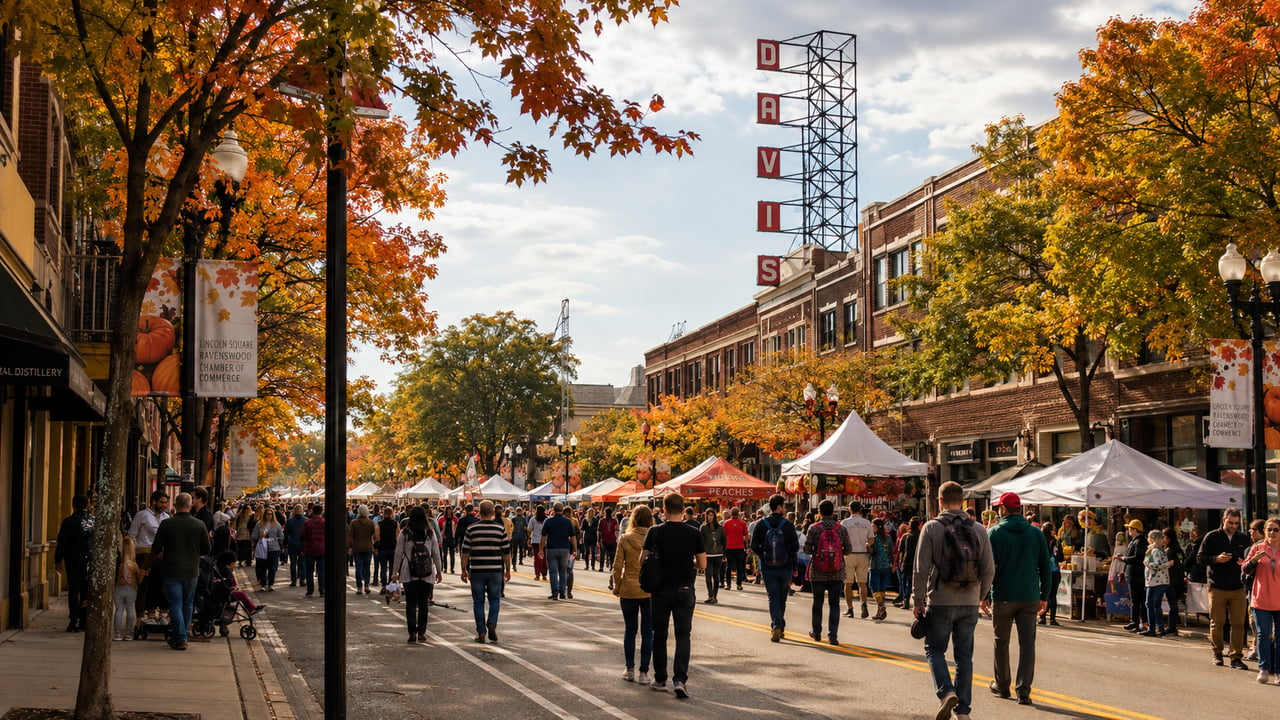
Five weeks of fall festivals across Lincoln Square, Ravenswood, Roscoe Village, and Andersonville - with exact dates, hours, locations, and what to know before you go.

Seller Advice
The hardest part of downsizing is usually not the market or the money. It is the house, the stuff, the timing, and not knowing where you would go next.
Market Updates
The North Side is Chicago. The North Shore is suburbs north of Chicago. The difference matters for schools, taxes, commute, housing style, and daily life.
Neighborhood Guides
A walking tour of Chicago's most misunderstood neighborhood - real MLS prices, the one-block rule, and which version of Wicker Park actually fits you.
Market Updates
North Side Chicago home prices hit a record $500,000 in Q2 2026 while inventory fell 22.8%. Here is what the numbers mean for buyers and sellers.
Market Updates
Chicago has grown three years in a row - but growth is slowing, and the housing market is doing something the headlines cannot explain.
I'm Dee Savic, your trusted Chicago real estate expert, and I'm here to guide you through your relocation journey. Discover why Chicago is the perfect city for you; from its diverse neighborhoods to its cultural vibrancy, Chicago offers an unmatched urban experience. Together, we'll find a community and home that fits your lifestyle and aspirations.