
Cook County second-installment property tax bills for Tax Year 2025 are online now. The bills went live on August 18, 2026. They will be mailed by September 1 and are due October 1. You do not have to wait for the paper copy to arrive. You can pull your bill up right now, see the exact amount due, verify your exemptions, and pay - all before the envelope ever reaches your mailbox.
This year's bills are running about two months later than normal. The delay is a direct result of the ongoing overhaul of Cook County's property tax technology system, which created a cascade effect on the billing timeline. Cook County officials confirmed on August 18 that approximately 1.8 million bills are now available online.
I am Dee Savic, a Realtor with Baird & Warner. I have lived in Chicago for 27 years and worked with buyers and sellers across Chicago's neighborhoods for 24 of them. Property taxes are one of the most common questions I get from both buyers figuring out carrying costs and sellers trying to understand their net proceeds. This post walks you through exactly how to find your bill, what every line means, and what to do if the number surprises you.
Go to cookcountytreasurer.com and follow these steps:
Your PIN is a 14-digit number unique to your property. You can find it on last year's tax bill, on your closing documents if you bought recently, or by searching by address on the Treasurer's site. You do not need the PIN to search - your address works too.
Date | What Happens |
|---|---|
August 18, 2026 | Bills posted online at cookcountytreasurer.com - available now |
September 1, 2026 | Paper bills mailed to property owners |
October 1, 2026 | Payment due - late payments accrue 0.75% interest per month (9% per year) |
After October 1 | Interest begins accruing on any unpaid balance - not receiving a bill does not exempt you from the deadline |
Here is what you will see on your second-installment bill and what each section means:
Your 14-digit property identifier. Every parcel in Cook County has one. This is how the county tracks your property across all of its systems. Write it down somewhere you can find it - you will use it every time you interact with the Treasurer's office, the Assessor's office, or any tax-related service.
This bill covers Tax Year 2025, which is the year the taxes apply to - even though you are paying in 2026. Cook County always bills one year behind. So the bill you are looking at right now reflects your property's assessed value and applicable tax rates for 2025.
This is the amount you owe on this bill. The second installment covers roughly 45% of your total annual tax burden, plus or minus any changes from the year before. Changes can come from a reassessment, an exemption that was added or removed, or a change in your local tax rates.
If this number looks significantly higher than your first installment - which was 55% of last year's total bill - that is not necessarily a mistake. It may reflect a reassessment. More on that below.
This confirms whether your first installment (due April 1, 2026) was paid and the amount. If you pay through a mortgage escrow account, your lender should have handled this. If you pay directly, verify it shows as paid. If it does not, contact the Treasurer's office or your lender immediately.
This section shows which exemptions are reducing your tax bill. Common exemptions include:
If you are the owner-occupant of your primary residence and the Homeowner Exemption does not appear on your bill, you may be paying more than you should. Check your exemption status on the Cook County Assessor's website and apply if you have not already. This is one of the most common and costly oversights I see among homeowners, especially recent buyers.
Your bill shows every taxing body that receives a portion of your payment. This typically includes the City of Chicago or your municipality, Chicago Public Schools or your local school district, the Chicago Park District, the Metropolitan Water Reclamation District, the Cook County Forest Preserve, Cook County itself, and several others. Each line shows the levy for that district and your proportional share. The total of all those levies is your annual tax bill.
Your EAV is the number your tax rate is applied to. It is calculated as follows: the Cook County Assessor determines your property's fair market value, residential properties are assessed at 10% of that value, and then the state equalization factor (published annually by the Illinois Department of Revenue) is applied. Exemptions are subtracted from the result. The final number is your EAV. For a full explanation see the Cook County Assessor's website.
Some Cook County property owners - particularly in the northern suburbs - are seeing meaningful increases in their second-installment bills this year. A Treasurer's office report warned that 2025 was the third year in a row where median taxes on residential properties increased by more than 15% in areas reassessed the year before.
If your bill is significantly higher than last year, the most common reasons are:
If you believe your assessed value is incorrect, the time to appeal has passed for this cycle - but understanding the reassessment schedule and your right to appeal in future years is worth knowing. Contact the Cook County Assessor's office for information on the next appeal window for your township.
Cook County gives you several options:
Online bank transfer - free. The fastest and cheapest way to pay. Go to cookcountytreasurer.com, click "Pay Online for Free," enter your address or PIN, and pay directly from your checking or savings account. No fee when you transfer funds directly from a bank account. Available 24 hours a day and eliminates the risk of a check being stolen from the mail.
Credit or debit card online. Also available at cookcountytreasurer.com. There is a 2.1% convenience fee with credit card payments that goes to the credit card company. On a $5,000 bill that is an additional $105. Use the bank transfer if you can.
In person at Chase Bank. You may pay at any of the nearly 400 Chase Bank locations in Illinois, including those outside Cook County. You must present a tax bill payment coupon. You can print a coupon from the Treasurer's website if you do not have the paper bill yet.
By mail. Mail your check with the payment coupon to the Cook County Treasurer's Office. Allow sufficient time for the payment to arrive by October 1.
Partial payments. The Treasurer's Office accepts partial payments. If you cannot pay the full amount by October 1, paying something reduces the interest that accrues on the unpaid balance. Interest runs at 0.75% per month (9% per year) on any amount not paid by the due date.
If your mortgage lender collects property taxes through an escrow account, they are responsible for paying your bill on time. However, do not assume it was handled. Property owners are ultimately responsible for ensuring taxes are paid. Pull your bill online, confirm the amount, and verify with your lender that your escrow account is adequately funded - especially if your assessed value or exemptions changed this year, since that will affect next year's escrow calculation.
If your bill is significantly higher than expected, notify your lender now. A large increase that hits mid-cycle can create an escrow shortfall, which your lender will typically recover through a payment adjustment.
If you are selling: Your property taxes affect your net proceeds at closing. At closing, taxes are prorated based on the days each party owns the property during the tax year. If you are selling before the October 1 due date, the buyer will typically receive a credit for the seller's portion of the unpaid second installment. Understanding what your tax bill actually is - not what it was last year - helps you model your net proceeds accurately. Start with a free home value review to understand your full financial picture. And if your sale may trigger a capital gains tax event see my Chicago capital gains tax guide.
If you are buying: The tax bill you see on a listing is last year's amount. It may not reflect this year's reassessed value. Always ask your agent to pull the current bill, check the Assessor's website for the current assessed value and any pending reassessment, and model your monthly carrying costs using the most current number available. For more on how property taxes work in Chicago see my Chicago property taxes guide for buyers.
Go to cookcountytreasurer.com and search by your property address or 14-digit PIN. Bills for Tax Year 2025 second installment went live on August 18, 2026.
October 1, 2026. Bills were posted online August 18 and will be mailed by September 1. Late payments accrue interest at 0.75% per month.
The most common reasons are a triennial reassessment that increased your assessed value, a change in exemptions, or an increase in local tax levies. If your property was reassessed in 2025 as part of the northern suburban triennial cycle, this bill reflects that new value for the first time.
No fee if you pay by bank transfer. There is a 2.1% convenience fee for credit or debit card payments. The bank transfer option is available 24 hours a day at cookcountytreasurer.com.
Yes. The Treasurer's Office accepts partial payments of any amount between $1 and the total due. Any unpaid balance after October 1 accrues interest at 0.75% per month.
Your lender is responsible for paying your taxes, but you are ultimately responsible if they do not. Pull your bill online to confirm the amount and verify with your lender that the escrow account is adequately funded, especially if your assessed value changed this year.
The Homeowner Exemption reduces the assessed value of your primary residence by $10,000, lowering your tax bill. It should appear in the exemptions section of your bill. If you are the owner-occupant of your primary residence and it does not appear, apply through the Cook County Assessor's website.
Interest begins accruing at 0.75% per month (9% per year) on any unpaid balance. Not receiving a paper bill in the mail does not exempt you from the deadline - the bills are available online now.
Sellers: start with a free home value review to understand what your home is worth and how taxes factor into your net proceeds.
Buyers: see my Chicago property taxes guide for buyers for a full breakdown of how Cook County taxes work and what to expect as a new owner.
Or schedule a complimentary and confidential consultation here.
Information in this post is sourced from official Cook County Treasurer and Assessor announcements as of August 2026. Tax amounts, dates, and fees are subject to change. Always verify current information directly at cookcountytreasurer.com before making any payment decisions. This post is for informational purposes only and does not constitute legal, financial, or tax advice. Consult a qualified tax advisor for guidance specific to your situation.
Dee Savic is a Realtor with Baird & Warner, a 24+ year real estate professional, and a 27+ year Chicago resident with 300+ closed transactions and hundreds of five-star reviews. She specializes in helping buyers and sellers across Chicago's neighborhoods.

Dee Savic
Realtor® | Baird & Warner
4553 N. Lincoln Ave, Chicago, IL 60625
773.719.0989
[email protected]
deesavic.com
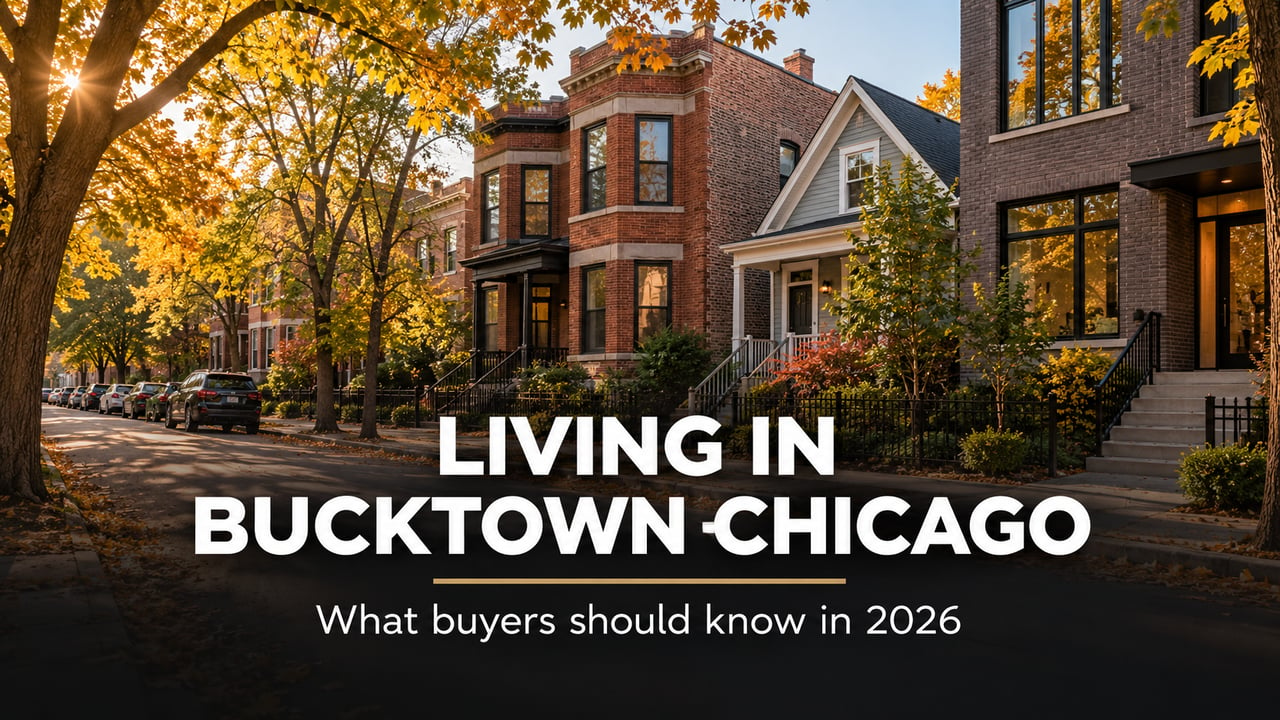
Neighborhood Guides
What homes sold for, the 606, the Blue Line, types of homes, and Bucktown vs. Wicker Park
Buying
Real 2026 sales in Lincoln Park, Lakeview, North Center, Roscoe Village, Lincoln Square, Irving Park, Edgewater, and Andersonville

Buying
Where the unit sits, elevators, pets, wind and sound, views, parking, and building rules

Buying
The real monthly cost, yards, winter, parking, competition, long-term value, and choosing the right neighborhood
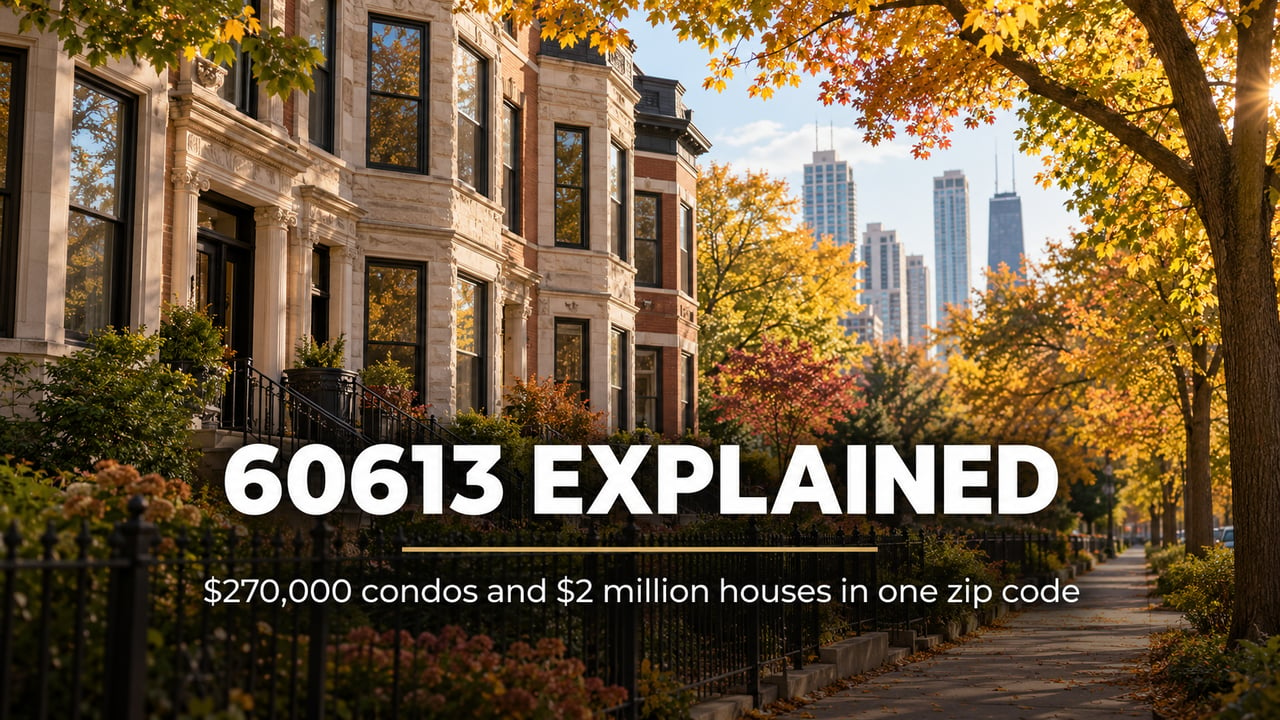
Neighborhood Guides
The six parts of 60613, from the lakefront to Damen, and what homes sold for in each in 2026

Neighborhood Guides
Where Buena Park is, what homes sold for in 2026, Hutchinson Street, the lakefront, schools, and safety
Buying
Five years of Chicago prices, where you can and cannot negotiate, and how to handle a 7.40% mortgage rate

Local Events
Dates, times, and exact blocks for Halloween events in Lakeview, Lincoln Park, Lincoln Square, Ravenswood, North Center, Andersonville, and Edgewater
Neighborhood News
The Camry Lot expansion, the 2027 All-Star Game, parking rules, and what homes nearby sold for in 2026
I'm Dee Savic, your trusted Chicago real estate expert, and I'm here to guide you through your relocation journey. Discover why Chicago is the perfect city for you; from its diverse neighborhoods to its cultural vibrancy, Chicago offers an unmatched urban experience. Together, we'll find a community and home that fits your lifestyle and aspirations.