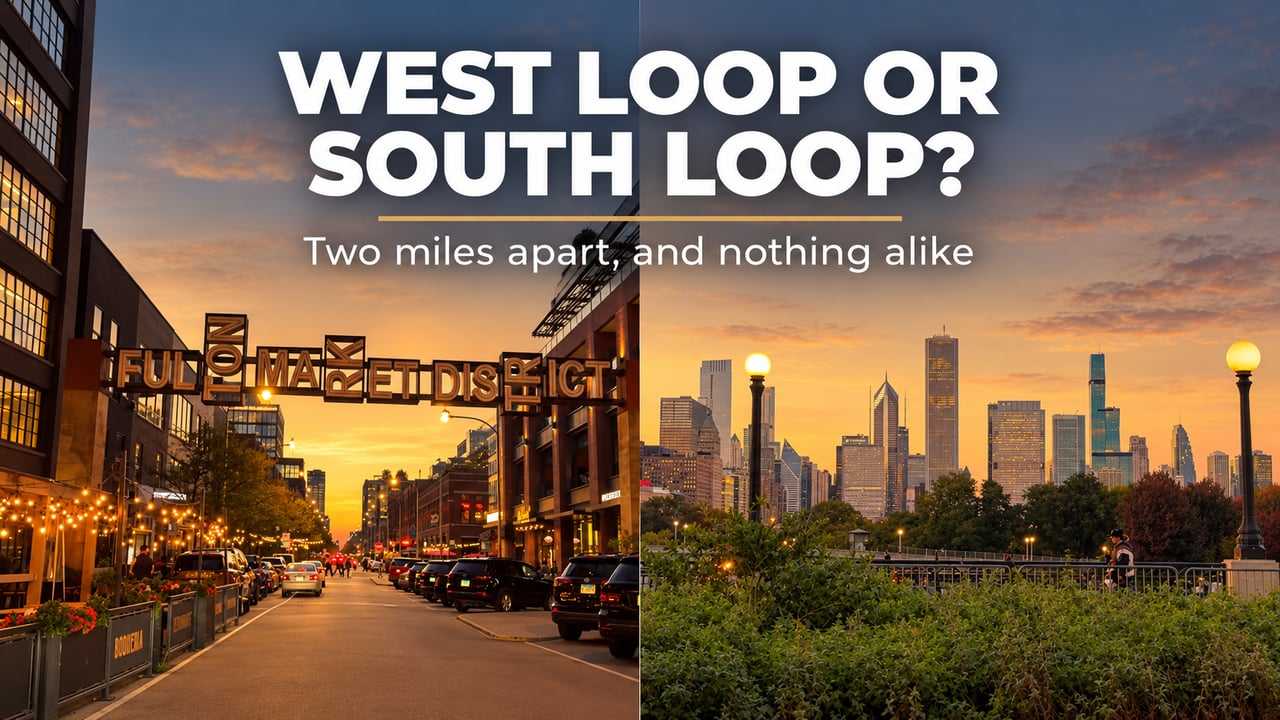
West Loop or South Loop: which one should you buy in? If you want to walk to a different restaurant most nights, work near Fulton Market, or fly out of O'Hare often, start with the West Loop. If you want quieter, wider streets, the lake close by, and more space for your money, start with the South Loop. The money gap is real: from July through September 2026, South Loop condos and townhomes sold for about 20% less than West Loop ones at the median, and about 24% less per square foot, based on my search of the MLS.
The two neighborhoods are only about two miles apart, but each one offers very different ways to live depending on the block. I have lived in Chicago for 27 years and helped people buy and sell homes here for more than 24, and the buyers who end up happiest pick a block and a building, not just a neighborhood name. Here is how the two compare, round by round.
I walked through both neighborhoods in my video Moving to Chicago: West Loop vs South Loop. If you would rather watch than read, start there.
Jul to Sep 2026 | West Loop | South Loop |
|---|---|---|
Where it is | Just west of downtown, across the Chicago River | Just south of downtown, east to the lake |
Median sale price, condos and townhomes | $445,000 (150 sales) | $360,000 (162 sales) |
Median price per square foot | About $433 | About $331 |
Typical homes | Timber lofts, mid-rise condos, new high-rises near Fulton Market, some townhomes | Printers Row lofts, Dearborn Park townhomes and houses, high-rises along the river and Michigan Avenue |
What it feels like | A busy Randolph and Fulton Market side, and a quieter Skinner Park side | Four distinct parts: Printers Row, Dearborn Park, Southbank, and Michigan and Indiana Avenues |
Train | Green and Pink Lines, Blue Line to O'Hare, Ogilvie and Union Station | Red, Orange, and Green Lines at Roosevelt, Orange Line to Midway, Metra at Museum Campus/11th Street |
Usually fits buyers who want | Restaurants and energy outside the door | Quieter streets, the lake, and more space for the money |
In the video I used the numbers from when I filmed, a median of about $463,000 in the West Loop and $380,000 in the South Loop. With July through September sales, the medians are $445,000 and $360,000, and the gap between the two neighborhoods tells the same story.
Prices from my search of the MLS (Midwest Real Estate Data LLC) for closed condo, townhome, and loft sales from July 1 to September 30, 2026, run October 15, 2026. West Loop means zip codes 60607 and 60661 in the MLS Near West Side area, north of the Eisenhower Expressway (150 sales), and South Loop means zip code 60605 (162 sales). Price per square foot uses the sales that listed a size. At the time of research, deemed reliable but not guaranteed.
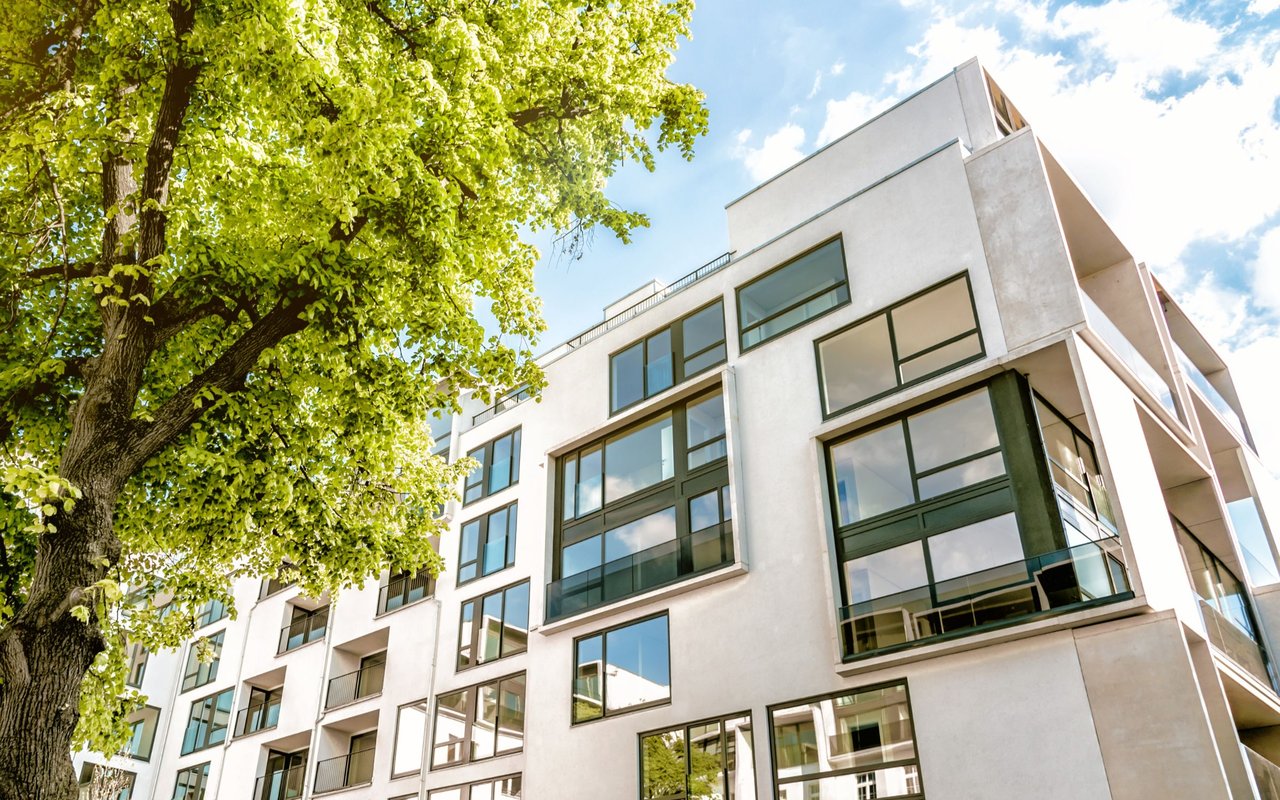
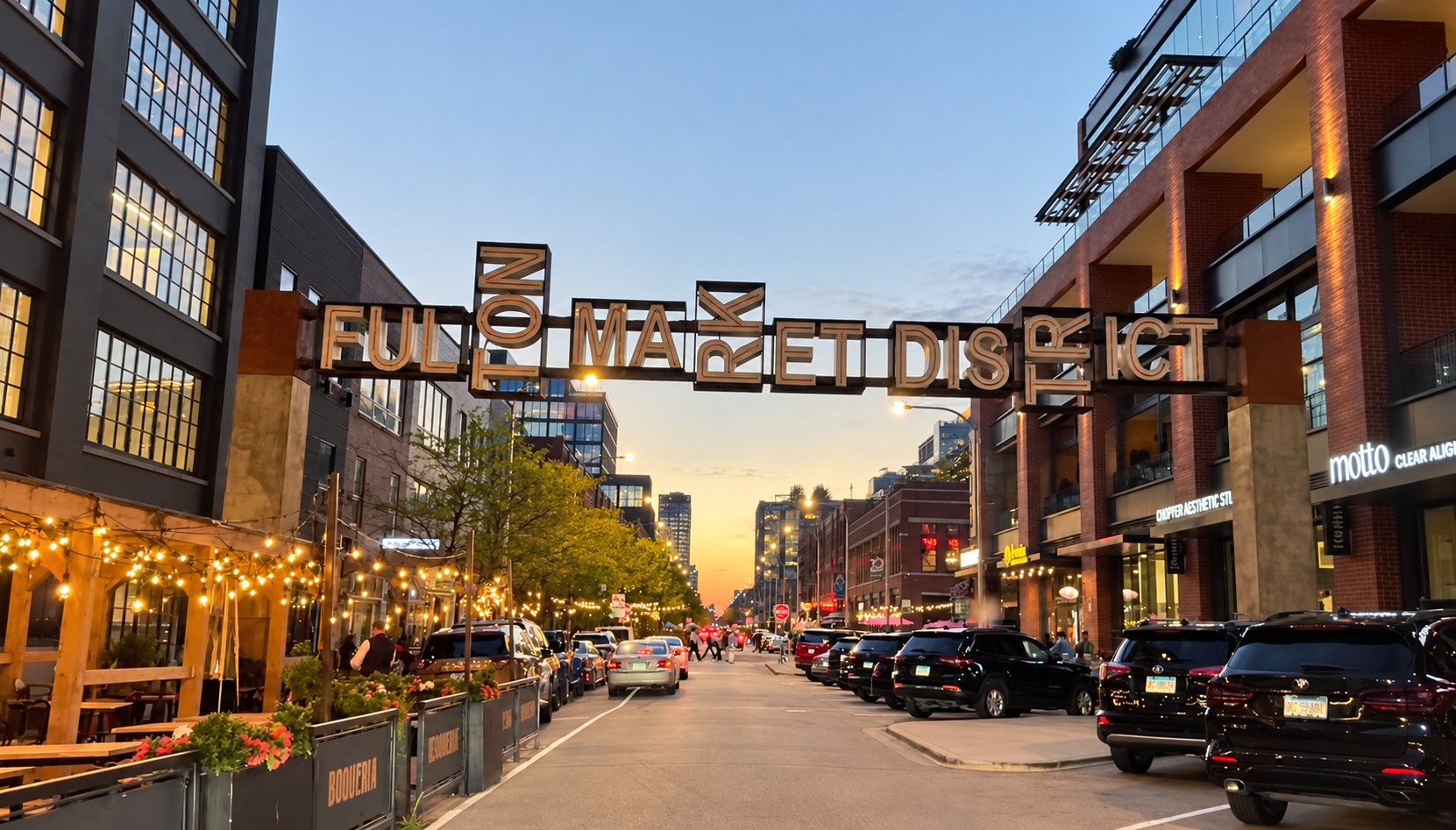
The busy side of the West Loop is along Randolph Street and Fulton Market. Restaurants are full even on a Tuesday night, and the patios fill up all summer. Homes here are usually converted timber lofts, condos in newer mid-rise buildings, and new high-rises near Fulton Market.
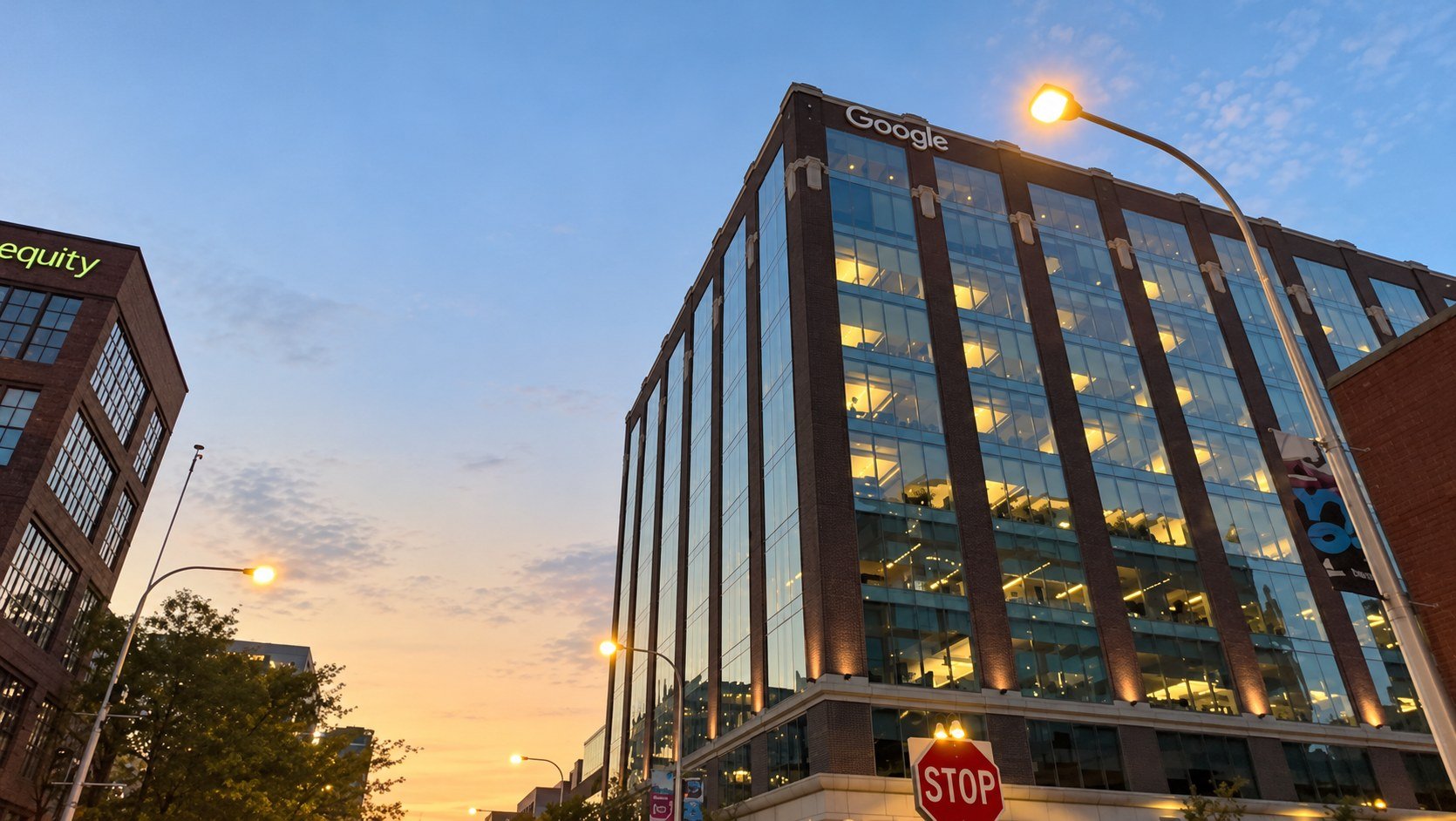
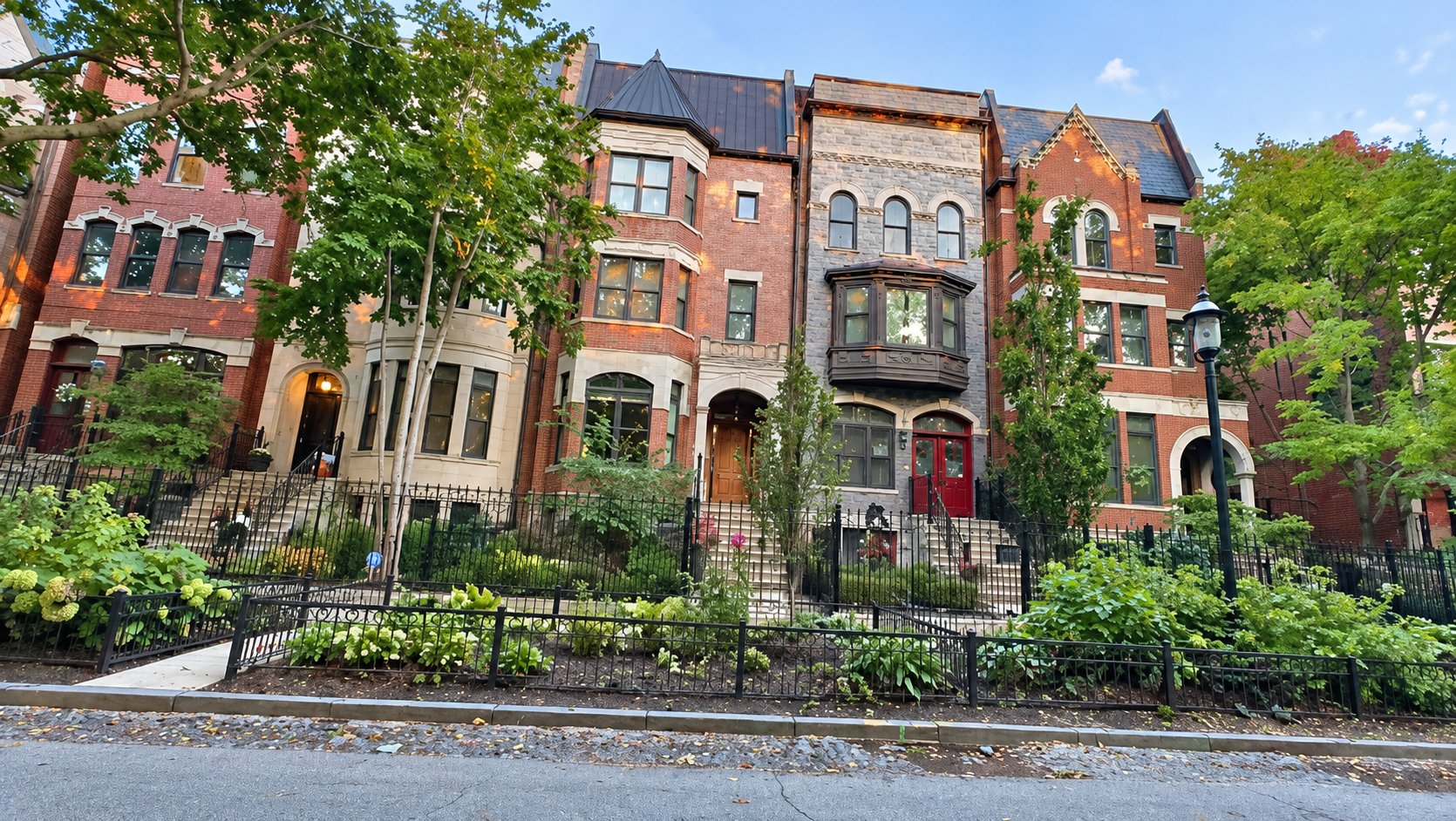
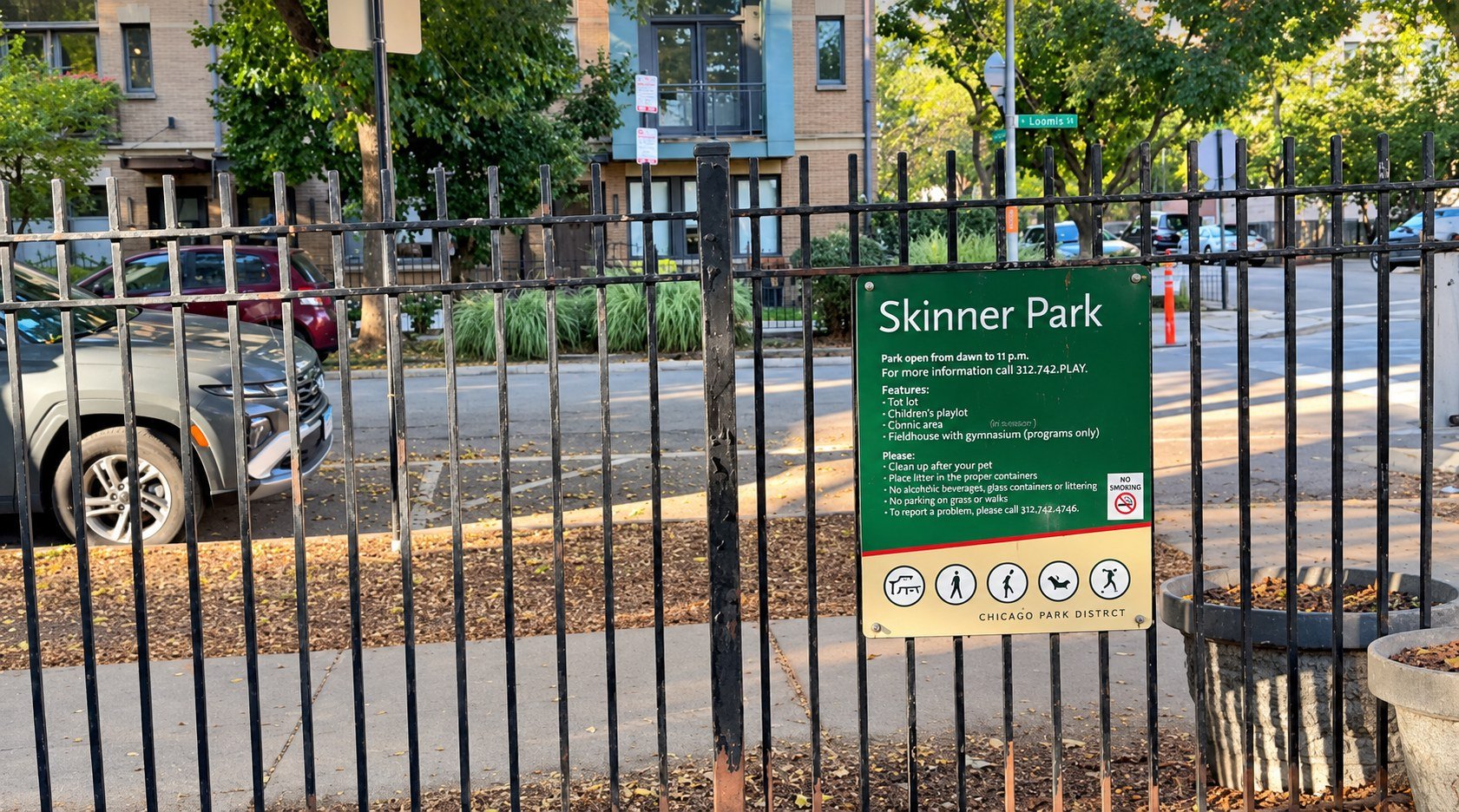
The quiet side is a short walk south and west, around Skinner Park, near Adams and Monroe, with townhomes and smaller buildings. Keep going west to Jackson Boulevard between Laflin and Ashland and you are on a landmark street with homes from the 1880s. For errands, there is a Mariano's on Halsted near Monroe, and Mary Bartelme Park on Sangamon Street has a dog area.
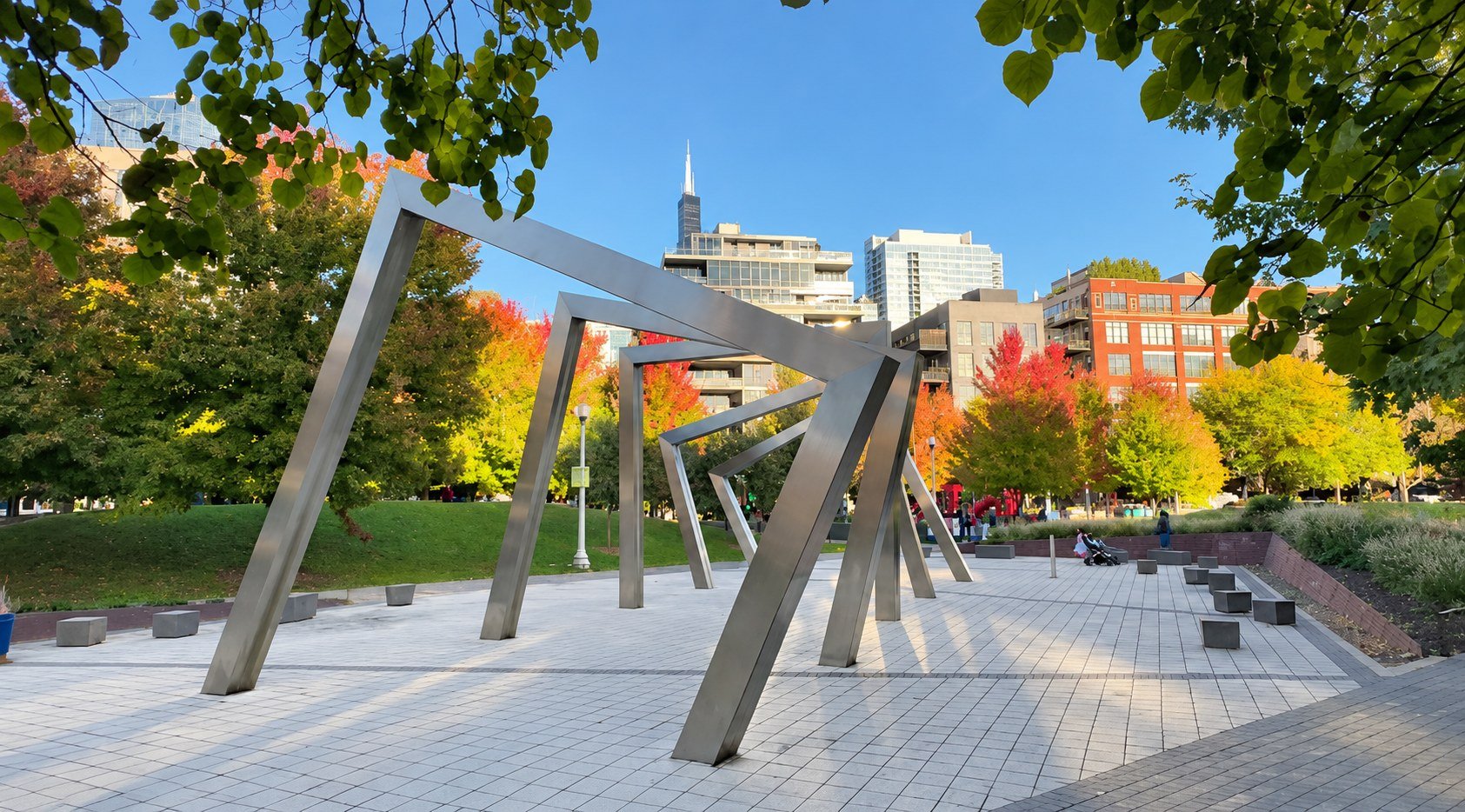
The trade-off in the West Loop is traffic and construction. There is almost always a new building going up, which means dust, lane closures, and trucks, and that matters most if you work from home next to a construction site. An empty lot today does not tell you what will be there in a few years, so check what is planned near any building you are considering.
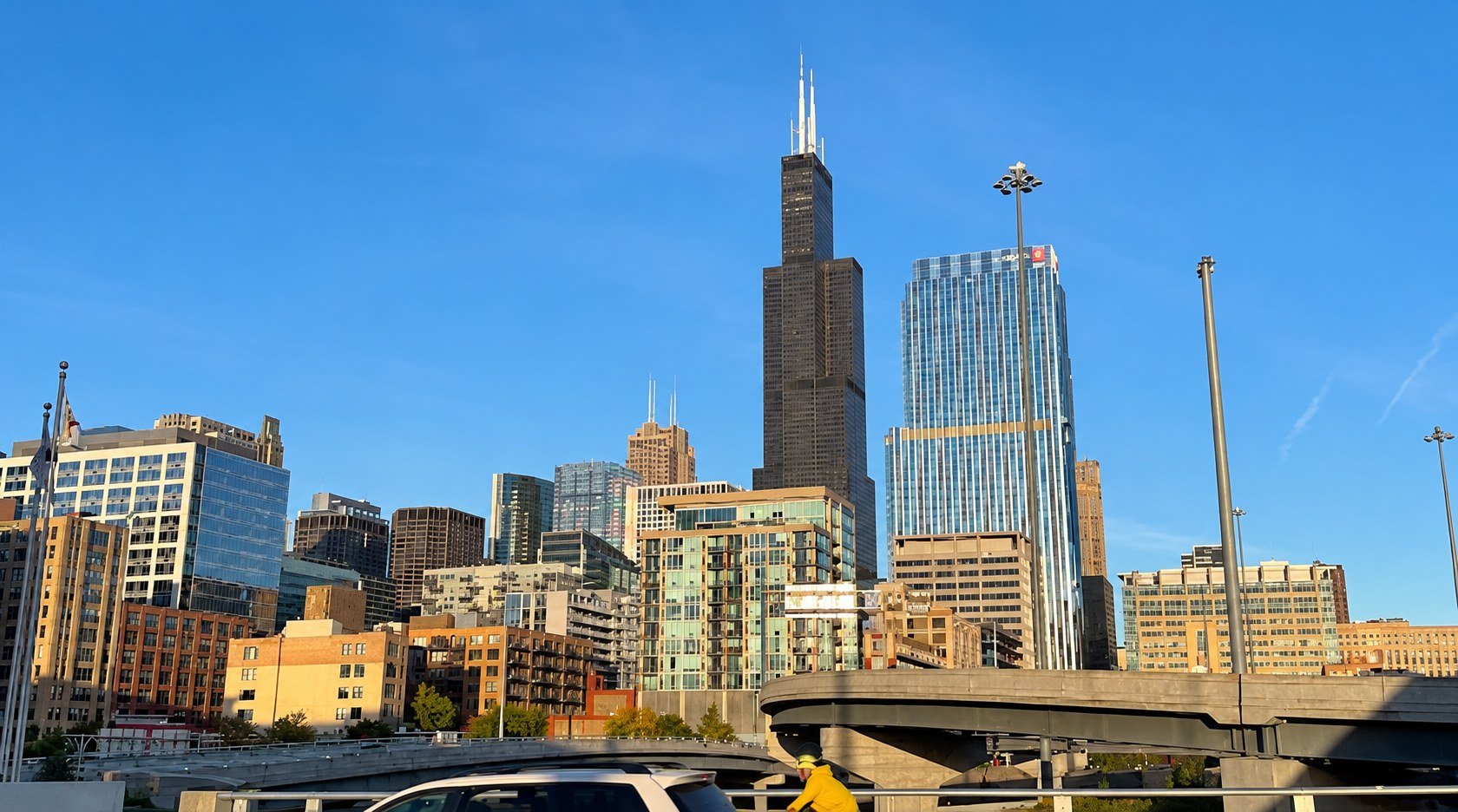
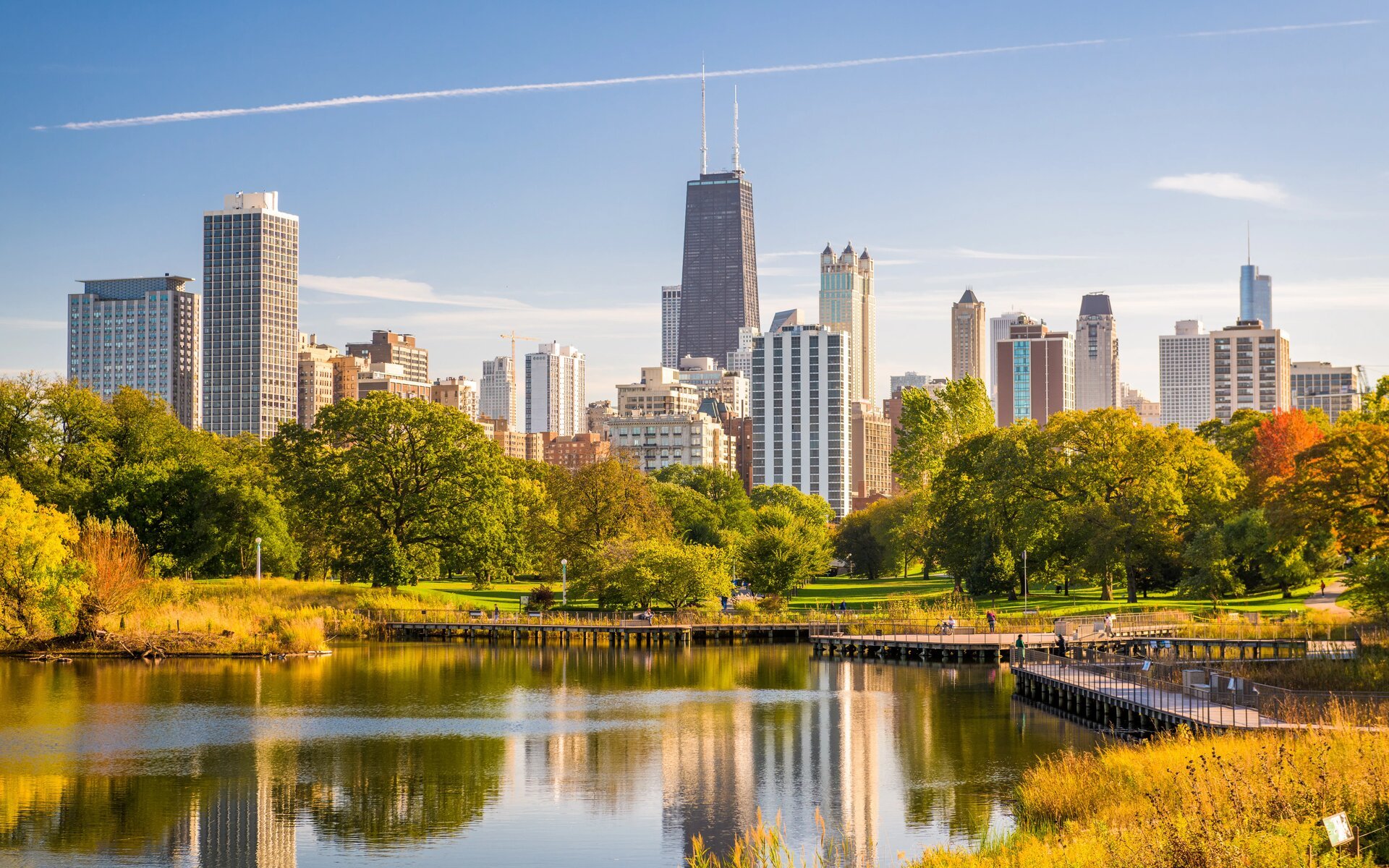
The South Loop runs south of downtown all the way east to the lake. Most of the time it is quiet, the streets are wide, and some parts feel almost like a suburb inside downtown. The Field Museum, Shedd Aquarium, and Adler Planetarium are close by, along with Grant Park and the Lakefront Trail.
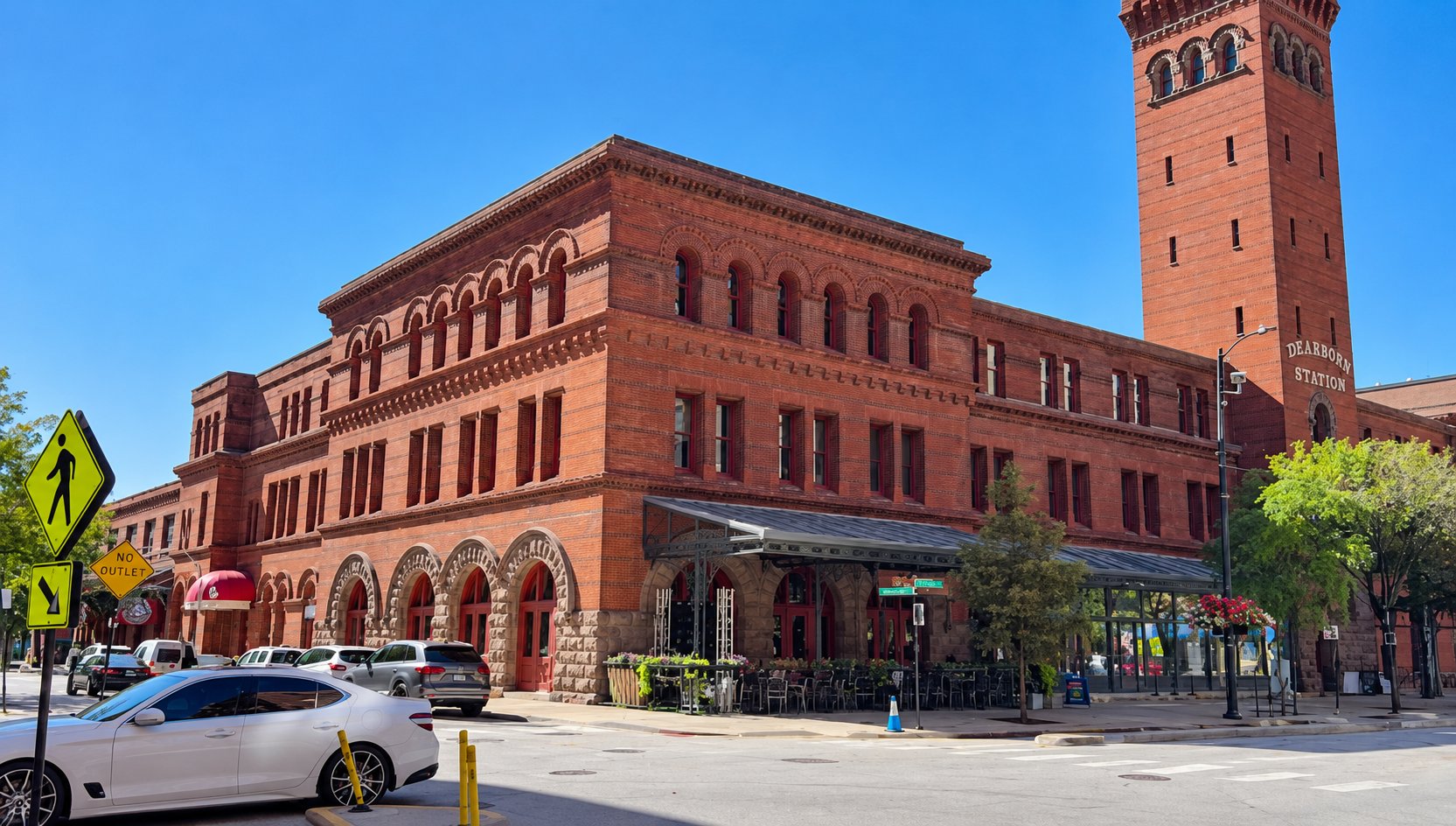
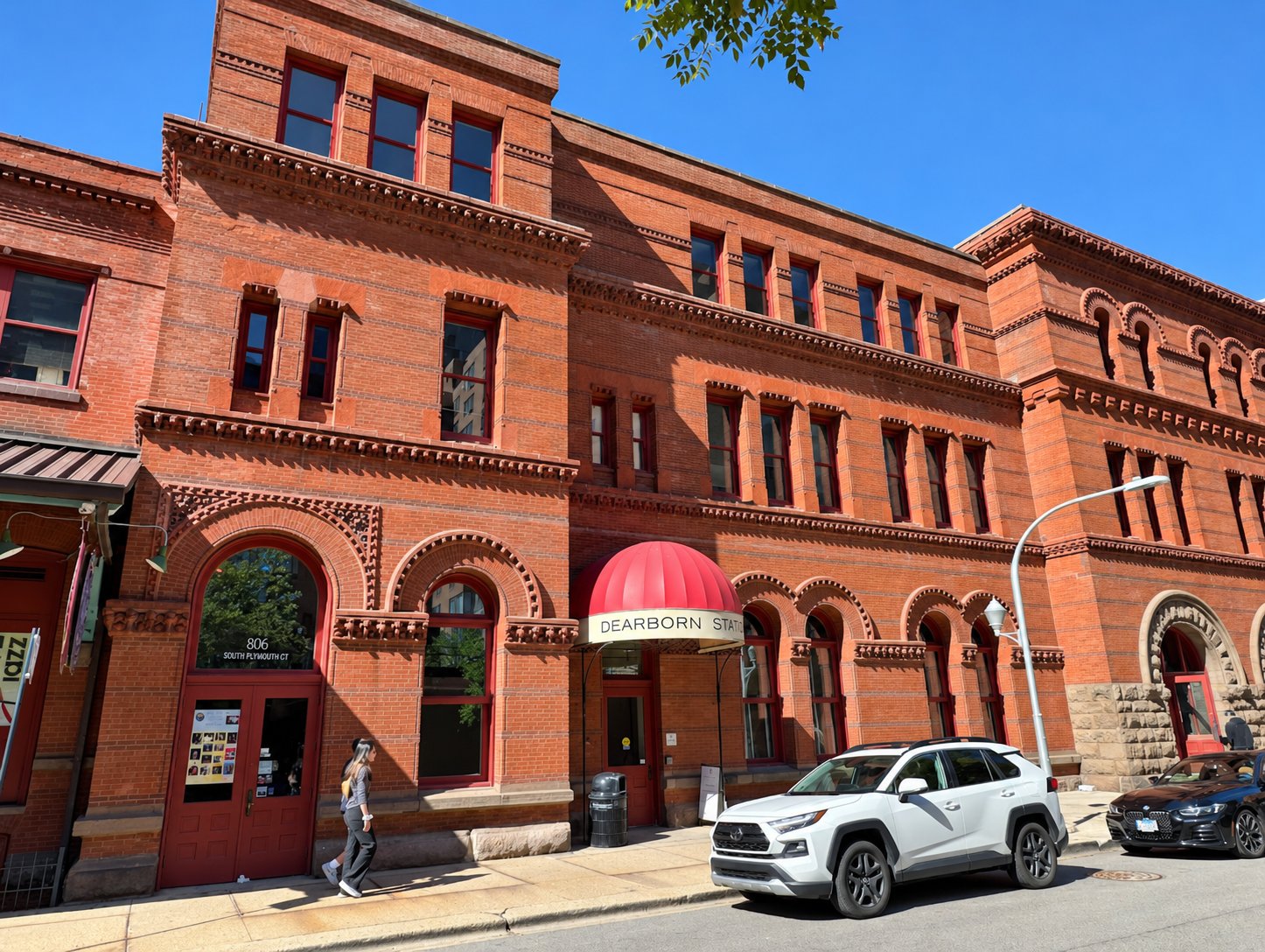
Printers Row, along Dearborn Street south of Ida B. Wells Drive, has loft condos with brick and big windows inside former printing buildings.
Dearborn Park, along Plymouth Court south of Roosevelt Road, has townhomes and single-family homes, and it surprises people who picture the South Loop as all high-rises.
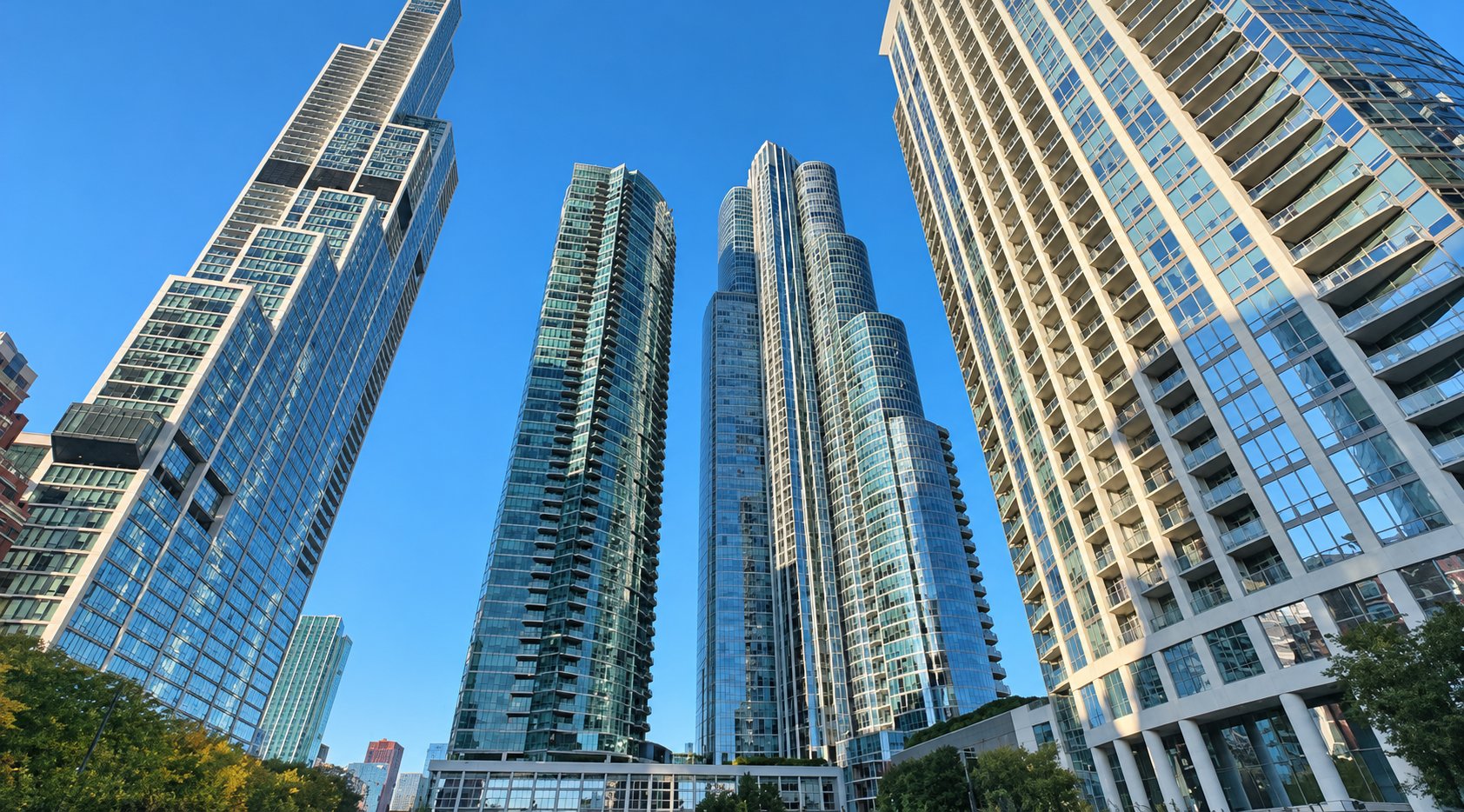
Southbank, along the river south of Harrison Street, has newer high-rises, a riverfront park, and a walkway along the water.
Michigan Avenue and Indiana Avenue have high-rises with door staff, gyms, and lake views.
If you have a dog, Coliseum Park and Fred Anderson Park on Wabash Avenue both have dog areas. The South Loop has good restaurants too, just not as many popular spots this close together as the West Loop.
Round 1 winner: the West Loop if you want energy, patios, and restaurants, and the South Loop if you want quiet, wide streets, and more space for your money.
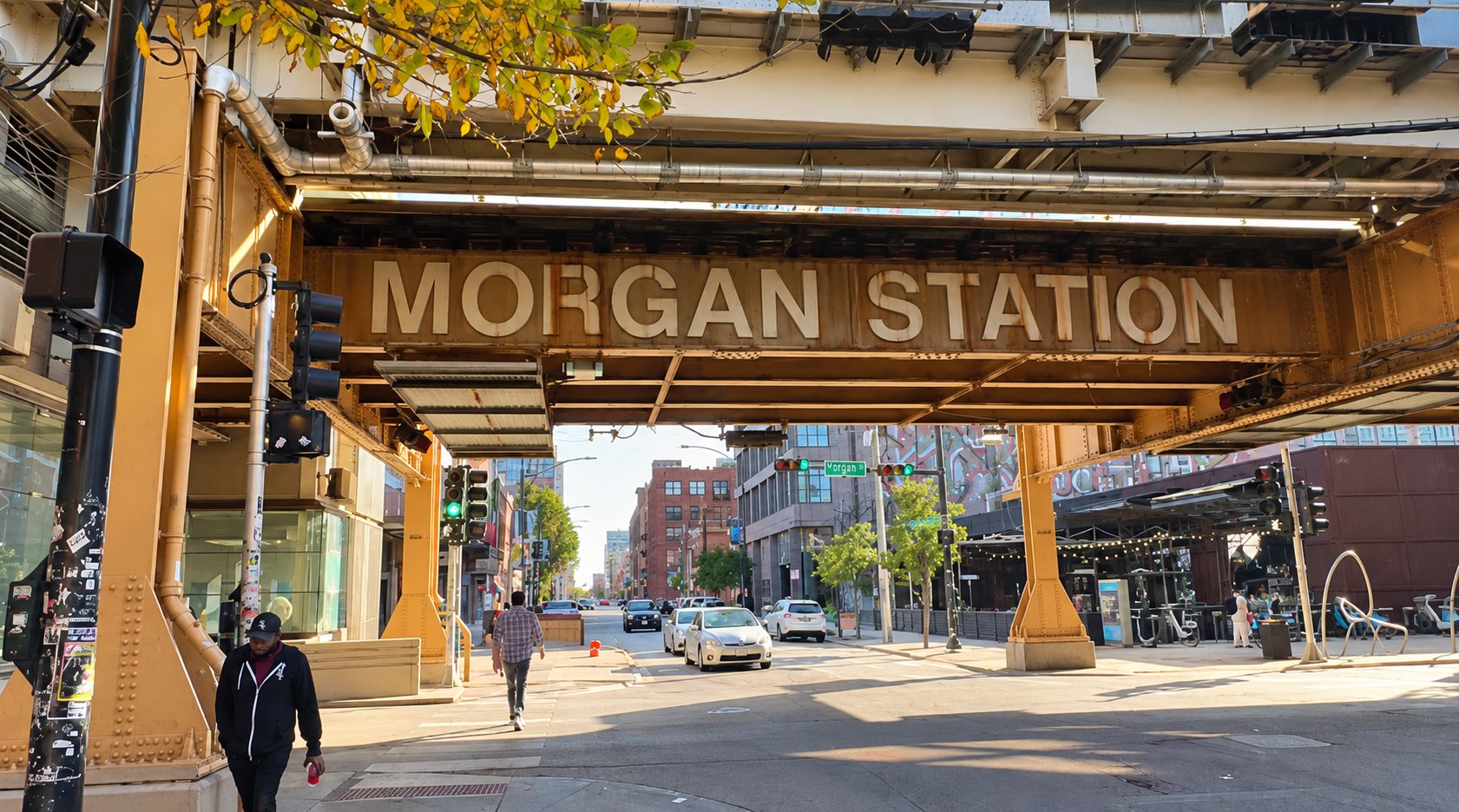
In the West Loop, the Green and Pink Lines stop at Morgan and at Clinton, and the Blue Line has its own Clinton stop about a mile south. The Blue Line also stops at UIC-Halsted and runs straight to O'Hare. Ogilvie and Union Station sit on the east side of the West Loop for Metra riders, and the Kennedy and Eisenhower expressways are minutes away, although being near an expressway and moving quickly on it at rush hour are not the same thing.
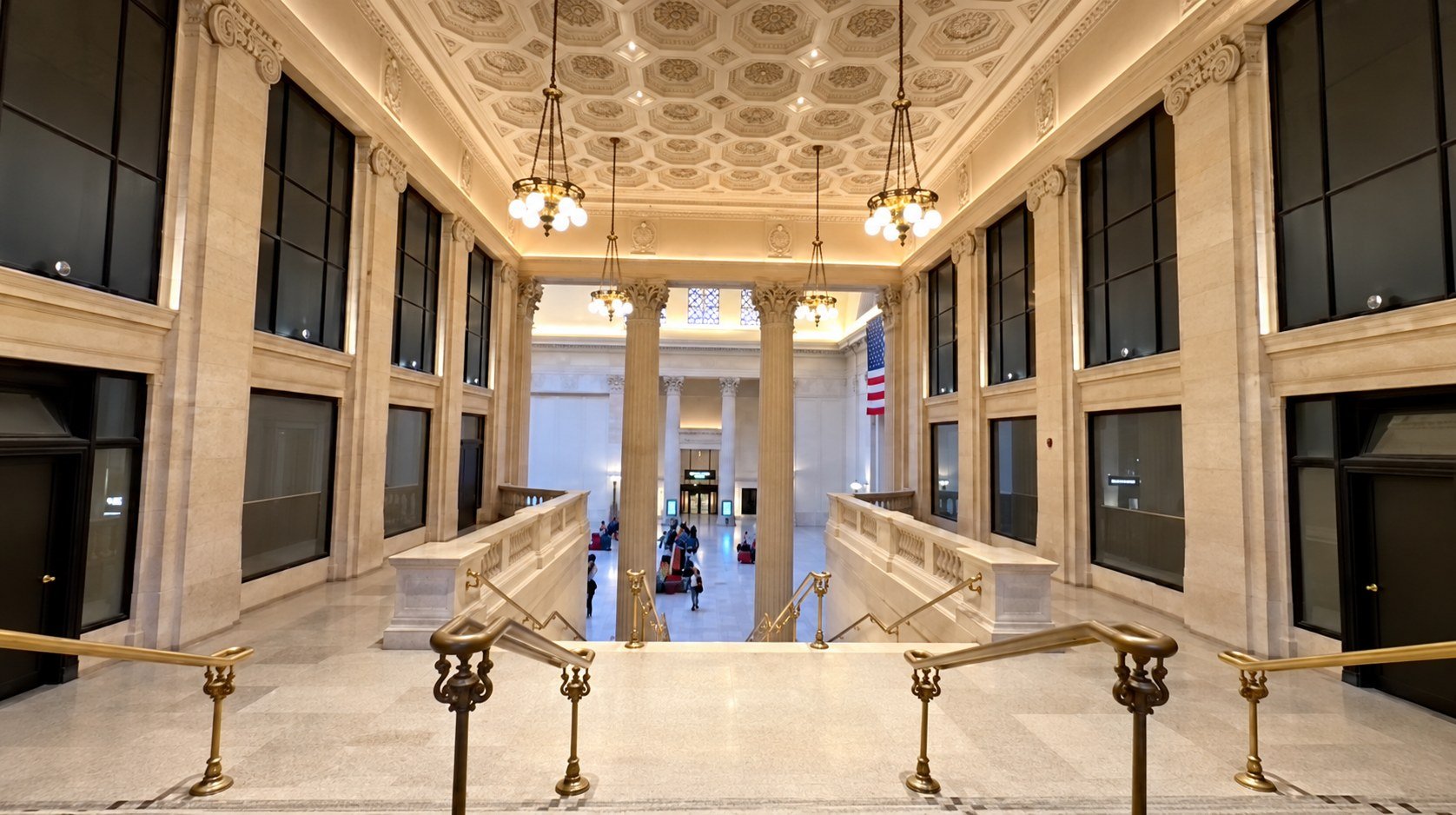
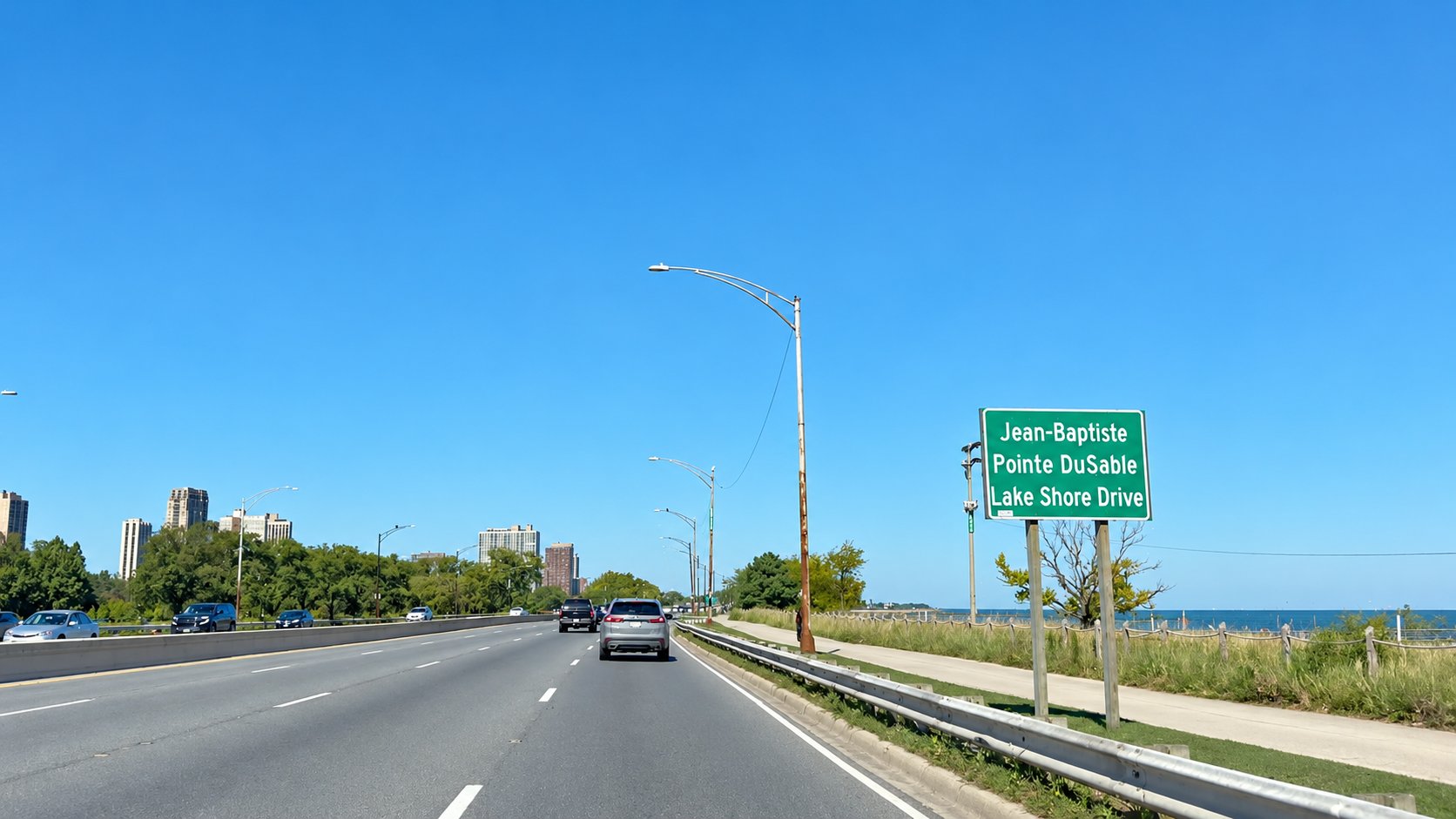
In the South Loop, the Roosevelt stop brings the Red, Orange, and Green Lines together in one place, and the Orange Line runs to Midway. Metra stops at Museum Campus/11th Street, and Lake Shore Drive is right there, although it gets busy at rush hour too. You can check routes and schedules on the CTA website.
Before you choose, walk from the building to the train yourself at the hour you would actually leave for work. A short walk on a sunny September afternoon can feel very different in January.
Round 2 winner: the West Loop if you ride Metra or fly out of O'Hare often, and the South Loop if you fly out of Midway or want three train lines at one stop.
In the West Loop, Randolph Street and Fulton Market are busy every weekend night, and construction trucks fill the weekdays. On Madison Street, the United Center brings Bulls games, Blackhawks games, and concerts, and on those nights Madison and Ashland back up.
The South Loop has fewer events, but bigger ones. Bears game days fill the streets around Soldier Field, Lollapalooza takes over Grant Park for four days every summer, the Chicago Marathon starts and finishes in Grant Park every October, and large conventions at McCormick Place bring traffic. Along the river just south of Roosevelt, the new development called The 78 includes a Chicago Fire stadium designed for more than 22,000 fans, expected to open ahead of the 2028 season, so blocks near Southbank and Roosevelt may feel different in a few years.
Round 3 winner: the South Loop, most days of the year. Just check the event calendar before you buy near Soldier Field or Grant Park.
In the West Loop, the neighborhood school is Skinner West Elementary, which has a neighborhood program and a classical program that students test into. In the South Loop, there is South Loop Elementary, and for high school, Jones College Prep is a selective enrollment school, so living nearby does not guarantee a spot.
CPS boundaries go by exact address, not by neighborhood, so the building across the street can be zoned for a different school. Before you make an offer, put the address into the CPS School Locator, and I am happy to check it with you. This round does not have a winner, because it comes down to the exact address.
The South Loop costs less per square foot on average, but the list price is only part of what you pay. Many West Loop timber lofts have exposed brick and timber beams you cannot build today, with fewer building amenities. Many South Loop high-rises have door staff, a gym, and sometimes a pool, and you pay for those every month in your assessment.
So compare the full monthly payment: mortgage, property taxes, assessment, insurance, and parking. Then ask what the assessment covers, how much the building has in reserves, whether major work or a special assessment is coming, and whether the parking space is assigned, deeded, or leased. My posts on Chicago condo HOA fees and special assessments explain what to look for, and my post on what today's mortgage rates do to a Chicago home payment shows the monthly math.
Some of my buyers purchase a condo as an investment first and plan to move in later. If that is you, the building's rental rules matter as much as the unit. Many Chicago condo buildings cap how many units can be rented, and when the cap is full there is a waitlist. Some require a new owner to live in the unit for a set time before leasing, and some do not allow rentals at all.
Ask for the building's rental rules and the current cap status before you make an offer, not after you close. Most Chicago high-rises do not allow short-term rentals, so the question that matters is whether you can lease long-term, and for how long at a time. I check this in the listing's private remarks and with the listing agent for every buyer who plans to rent first.
This round does not have a winner. It depends on your total monthly cost, how you plan to use the home, and the type of building you prefer.
Start with the West Loop if you want to walk to a different restaurant most nights, you love patios, you work near Fulton Market, or you ride Metra or fly out of O'Hare often. Start with the South Loop if you want quieter, wider streets, the lake close by, more green space, and more space for your money. Both are great neighborhoods, and if you are somewhere in between, that is exactly where I can help.
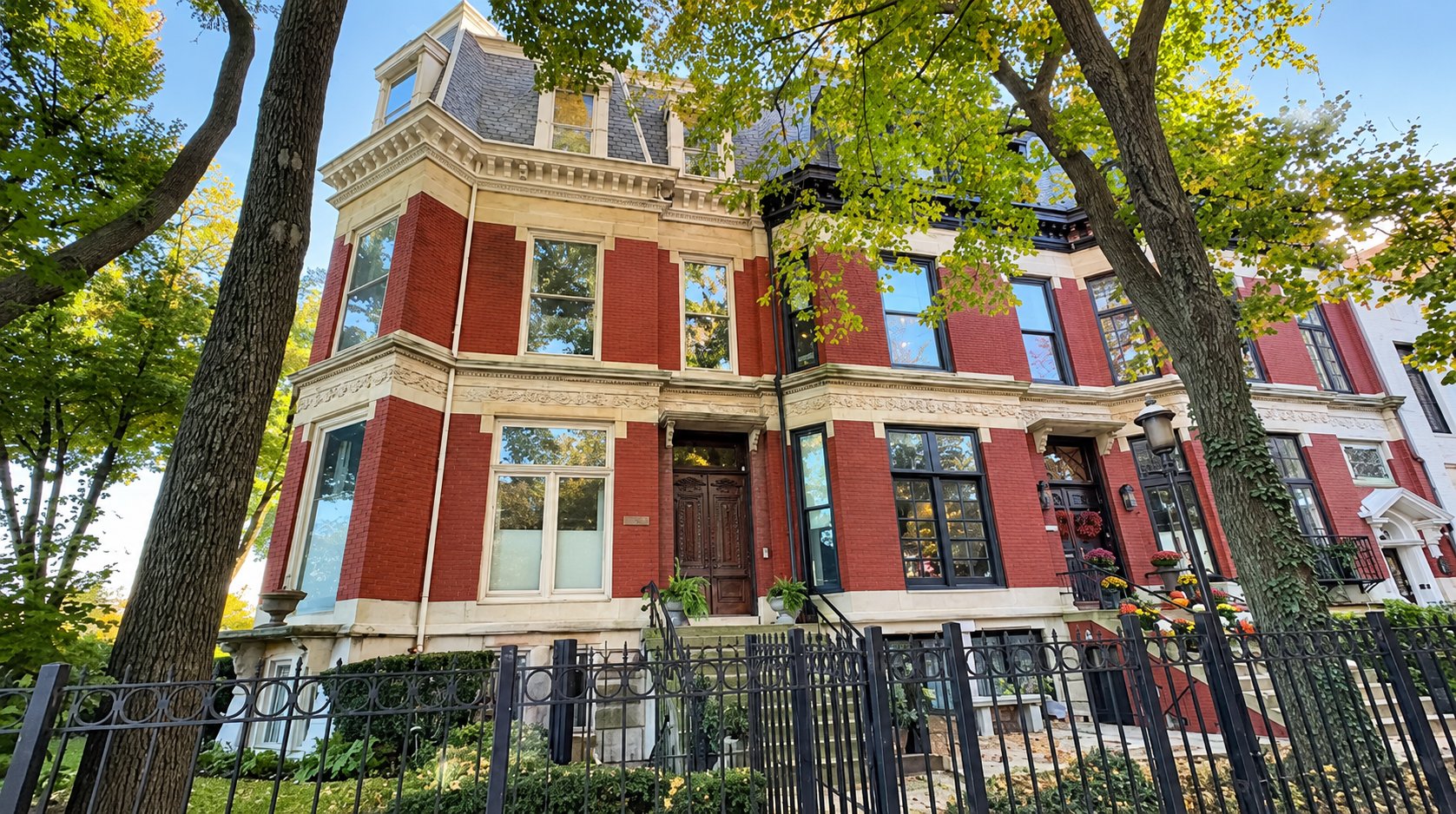
You can search West Loop homes for sale and search South Loop homes for sale on my website to see what is available today.
Visit every building on your list twice if you can: once on a quiet weekday, and once when the block is at its loudest, which means a Friday night in the West Loop or a game day in the South Loop. If you can, listen from inside the unit, because the floor, the direction the windows face, and the building itself make a big difference. While you are there, time the walk from the front door to the train at the hour you would leave for work, and find where you would buy groceries, get coffee, and walk the dog.
The biggest mistake I see is choosing a neighborhood name instead of thinking about how an ordinary Tuesday will actually go. If you are moving from another state, my post on buying a Chicago home from out of state explains how I help buyers plan visits like these.
When you choose an agent, look for numbers you can verify. Here are mine:
You work with me directly from the first call to the closing table. My Chicago relocation page explains how I help buyers moving here, and my Chicago condo specialist page covers how I check a building before you buy.
On average, yes. From July through September 2026, South Loop condos and townhomes sold for a median of $360,000, or about $331 a square foot, and West Loop condos and townhomes for $445,000, or about $433 a square foot, based on MLS data at the time of research. That is about 20% less at the median, but building age, condition, and monthly assessments can close that gap.
Printers Row, with loft condos in former printing buildings along Dearborn Street. Dearborn Park, with townhomes and single-family homes south of Roosevelt Road. Southbank, with newer high-rises along the river. And the high-rises along Michigan Avenue and Indiana Avenue.
It depends on where you are going. The West Loop has the Green and Pink Lines, the Blue Line to O'Hare, and Ogilvie and Union Station for Metra. The South Loop has the Roosevelt stop for the Red, Orange, and Green Lines, the Orange Line to Midway, and Metra at Museum Campus/11th Street.
The South Loop, most days of the year. The West Loop is busy on weekend nights along Randolph Street and in Fulton Market, with frequent construction and United Center events. The South Loop gets loud on Bears game days, during Lollapalooza and the Chicago Marathon, and during big McCormick Place conventions.
The West Loop's neighborhood school is Skinner West Elementary, and the South Loop has South Loop Elementary. Jones College Prep, in the South Loop, is a selective enrollment high school. CPS boundaries go by exact address, so check the CPS School Locator before you make an offer.
The full monthly payment, including mortgage, taxes, assessment, insurance, and parking. Then what the assessment covers, the building's reserves, whether a special assessment is coming, and whether parking is assigned, deeded, or leased. If you might rent the unit out, also ask for the building's rental rules and whether its rental cap is full.
I am Dee Savic, a Chicago Realtor® with Baird & Warner. I have more than 24 years of experience, more than 300 closed transactions, over $100 million in career sales, and more than 190 five-star reviews across Google, Zillow, Realtor.com, and FastExpert. You can call or text me directly at 773.719.0989.
Start with my free Chicago relocation guide, or schedule a free Zoom consultation, where we will go through the home buying process, timelines, and what to expect, usually in 30 minutes to an hour. If you are already comparing buildings, send me the listings and I will tell you what I know about the building and the block. Call or text me at 773.719.0989.
Prices from my search of the MLS (Midwest Real Estate Data LLC) for closed condo, townhome, and loft sales from July 1 to September 30, 2026, run October 15, 2026. West Loop means zip codes 60607 and 60661 in the MLS Near West Side area, north of the Eisenhower Expressway (150 sales), and South Loop means zip code 60605 (162 sales). Price per square foot uses the sales that listed a size. At the time of research, deemed reliable but not guaranteed.
Stadium details from MLSsoccer.com.
Dee Savic is a Chicago Realtor® with Baird & Warner, working out of 4553 N. Lincoln Ave. She helps buyers, sellers, and relocation clients across Chicago, including Lakeview, Lincoln Park, Lincoln Square, Ravenswood, North Center, Roscoe Village, Andersonville, Uptown, Bucktown, Wicker Park, and the Gold Coast.

Dee Savic
Realtor® | Baird & Warner
4553 N. Lincoln Ave, Chicago, IL 60625
773.719.0989
[email protected]
deesavic.com

Local Events
Times, gates, closures, transit and how to do both in one night
Seller Advice
12 months of MLS condo and house sales, and what they mean for sellers
Seller's Advice
How much Chicago homeowners have gained, and what it can mean for your next move
Buying
Neighborhoods, getting around without a car, parking and dibs, winter, the real cost, schools, lead pipes, and property taxes, from a local since 1998
Seller Advice
What 12 months of MLS sales show for Logan Square condo and house sellers
Seller's Advice
A day-by-day checklist from a Chicago listing agent, one small step at a time
Relocation
ZooLights, Christkindlmarket, the Lights Festival, free museum days and new spots, with dates and prices
Chicago Market
What North Side 2-4 unit buildings sold for, who buys them, and how to handle tenants
Selling
What 12 months of MLS sales show for condos, vintage houses and new construction
I'm Dee Savic, your trusted Chicago real estate expert, and I'm here to guide you through your relocation journey. Discover why Chicago is the perfect city for you; from its diverse neighborhoods to its cultural vibrancy, Chicago offers an unmatched urban experience. Together, we'll find a community and home that fits your lifestyle and aspirations.